 Search


- The Middle East and North Africa region needs to add three times the existing installed capacity in the next decade
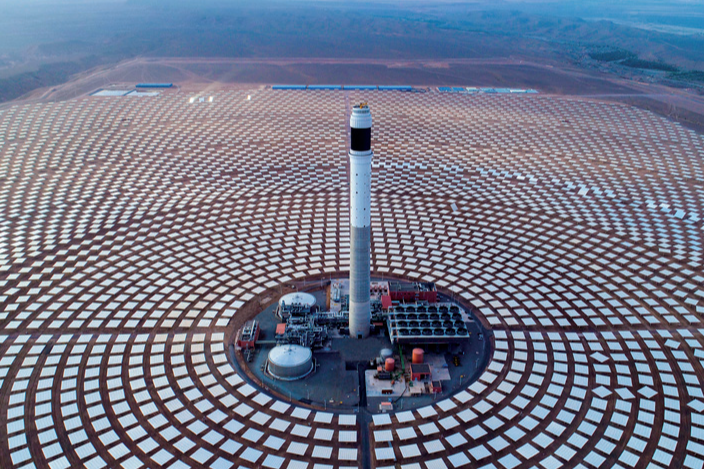
According to the latest report from the International Energy Agency (IEA), the Middle East and North Africa region is facing a rapid increase in electricity demand. Since 2000, the electricity consumption in the region has doubled and is expected to increase by another 50% by 2035, equivalent to the total electricity demand of Germany and Spain currently.
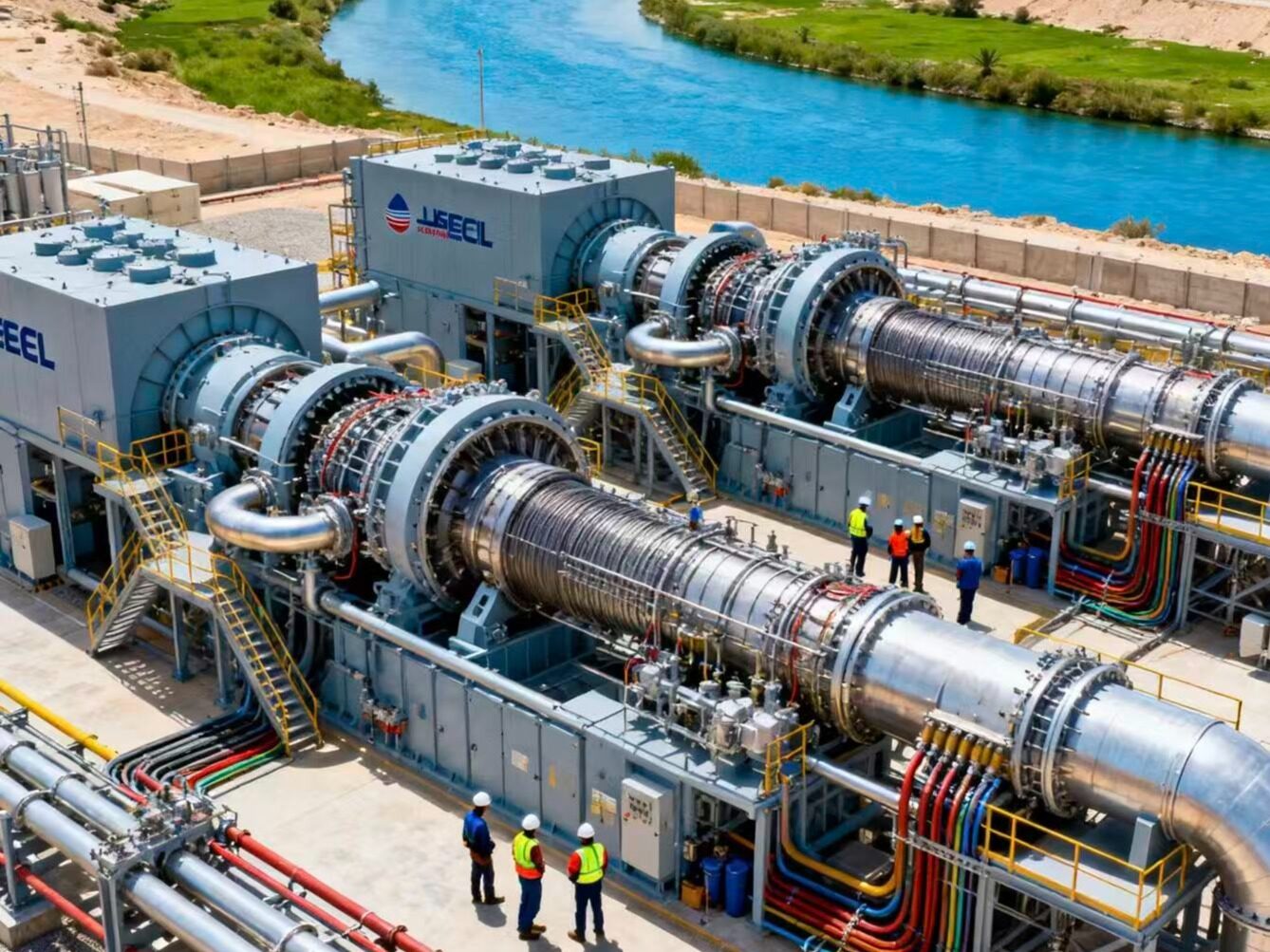
The main factors driving this trend include the cooling demand brought about by extreme high temperatures and the reliance on electricity for seawater desalination to ensure drinking water supply. Cooling and seawater desalination alone are expected to account for approximately 40% of the growth in electricity demand over the next decade. In addition, the acceleration of urbanization and industrialization, the promotion of transportation electrification, and the rapid development of data centers are also continuously driving up the power load.
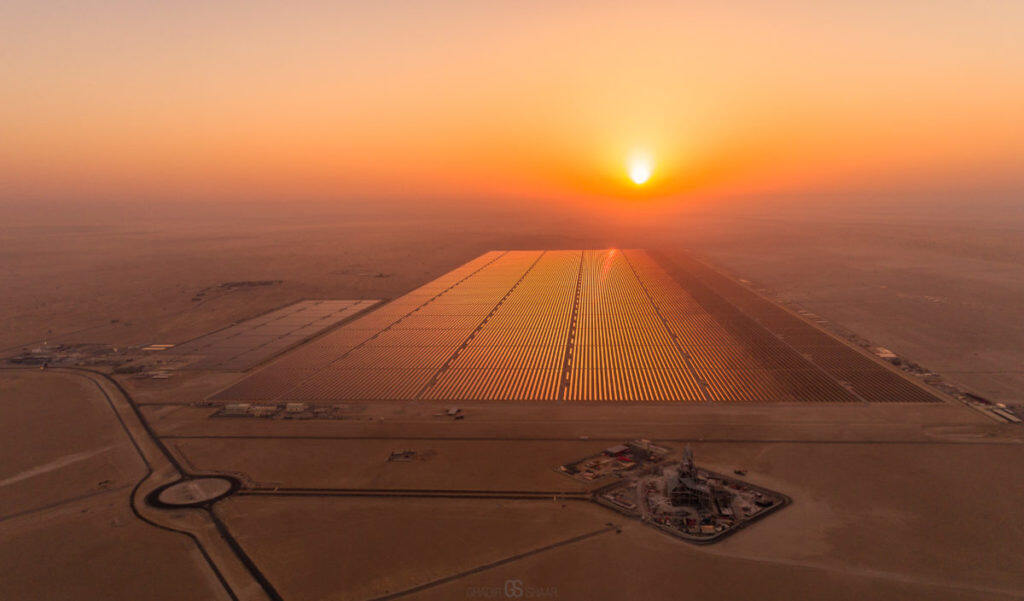
At present, the power supply in the region still heavily relies on fossil fuels, with natural gas and oil accounting for over 90%. But the energy structure is gradually adjusting: countries such as Saudi Arabia and Iraq are gradually reducing fuel power generation to increase oil exports. The IEA predicts that by 2035, natural gas will meet half of the new electricity demand, while the proportion of oil in the power generation structure will decrease from the current 20% to 5%.
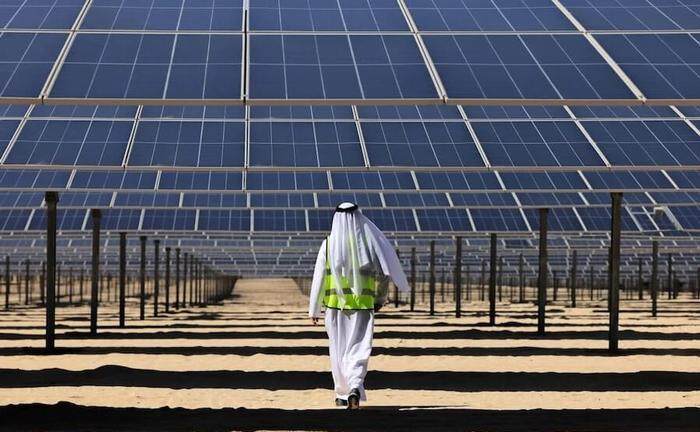
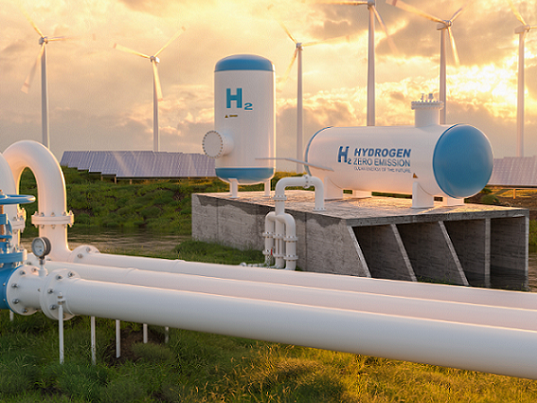
At the same time, renewable energy is developing rapidly. Solar energy is expected to grow tenfold by 2035, with an additional installed capacity of 200 gigawatts, driving the proportion of renewable energy in the power structure from 6% in 2024 to 25%. Nuclear power generation is also expected to double.
IEA Executive Director Fatih Birol pointed out that in order to meet the surging electricity demand, the region will need to add more than 300 gigawatts of electricity installed capacity in the next decade, which is equivalent to three times the current total installed capacity of Saudi Arabia. However, the construction and upgrading costs of the power system are high: the investment in the power industry reached 44 billion US dollars in 2024, and it is expected to increase by 50% by 2035, of which nearly 40% will be used for power grid upgrades - currently, the power grid loss rate in the region is twice the global average.
The report emphasizes that strengthening the power grid, promoting regional interconnection, developing energy storage technology, enhancing demand side flexibility, and retaining an appropriate amount of gas-fired power generation as a peak shaving power source are crucial to ensuring the stability of the power system. In addition, improving energy efficiency is also a key way to alleviate power supply pressure. For example, promoting efficient air conditioning can reduce peak electricity demand by a scale equivalent to Iraq's national installed capacity.
The IEA warns that if the process of power structure transformation slows down, carbon dioxide emissions from the power industry will continue to rise by 2035, and oil and gas consumption may increase by more than a quarter, resulting in a reduction of $80 billion in export revenue and an increase of $20 billion in energy import expenditures for regional countries, further exacerbating economic and energy security risks. Editor/Xu Shengpeng
Comment


 Praise
 Collect
 Comment

 Share
Share


Write something~