 Search


- With multiple countries launching investment plans, a huge demand window comparable to the Chinese market has opened

Against the backdrop of the continuous evolution of the global economic landscape, Southeast Asia is attracting the world's attention with its astonishing infrastructure construction speed. This change not only reshapes the regional economic landscape, but also brings a new round of growth opportunities for related industrial chains - among which, calcium carbonate, as an indispensable key material in the construction and manufacturing industries, is experiencing a significant increase in demand.
Market research shows that the global calcium carbonate market size has reached 50.17 billion US dollars in 2024, and is expected to grow from 53.43 billion US dollars in 2025 to 95.5 billion US dollars in 2034, with a compound annual growth rate of 6.7% during this period. In the global consumption pattern, the Asia Pacific region remains the core market, while India and Southeast Asian countries are becoming new hotspots for domestic enterprises to go global due to the rapid advancement of infrastructure construction.
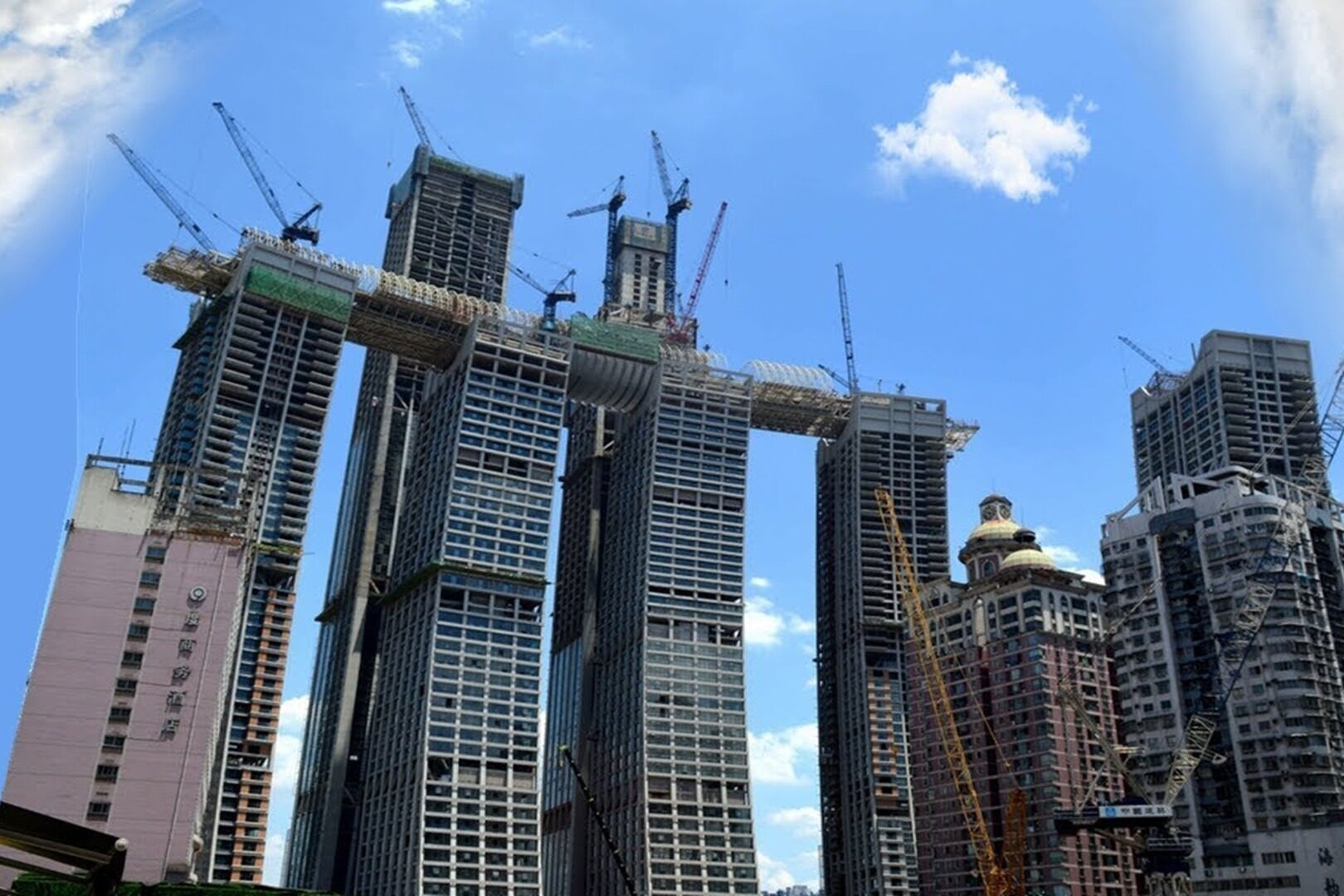
Behind the surge in demand for calcium carbonate in Southeast Asia is the chain effect brought about by countries vigorously promoting infrastructure. Just like China many years ago, the expansion of infrastructure directly driven the huge demand for building materials, and calcium carbonate and its downstream industries such as plastics, papermaking, coatings, etc. also ushered in structural growth opportunities.
Indonesia and Vietnam are the leaders in this infrastructure wave. As the most populous country in Southeast Asia, Indonesia has a huge demand for housing construction and infrastructure. At present, Indonesia has over 190000 construction companies with over 1.1 million employees. The total output value of the construction industry has maintained a rapid growth of over 7%, making it the fourth largest contributor to the country's GDP. Taking August 2025 as an example, the amount of calcium carbonate exported to Indonesia reached 1.5288 million kilograms, with a value exceeding 360000 US dollars. With the acceleration of urbanization, especially the continuous construction of the new capital Nusanda and the planning of the national railway network, the demand for building materials will remain high for a long time. It is expected that the average annual growth rate of the construction industry will reach 5.8% from 2026 to 2029.
Vietnam is no less impressive. By 2025, Vietnam's total investment will reach 130 trillion Vietnamese dong (approximately 55 billion US dollars), with 250 initiated projects covering transportation, industry, and people's livelihoods. It is expected to contribute approximately 18% to GDP growth. From railways and bridges to airports and highways, numerous infrastructure projects have opened up vast opportunities for the consumption of calcium carbonate.
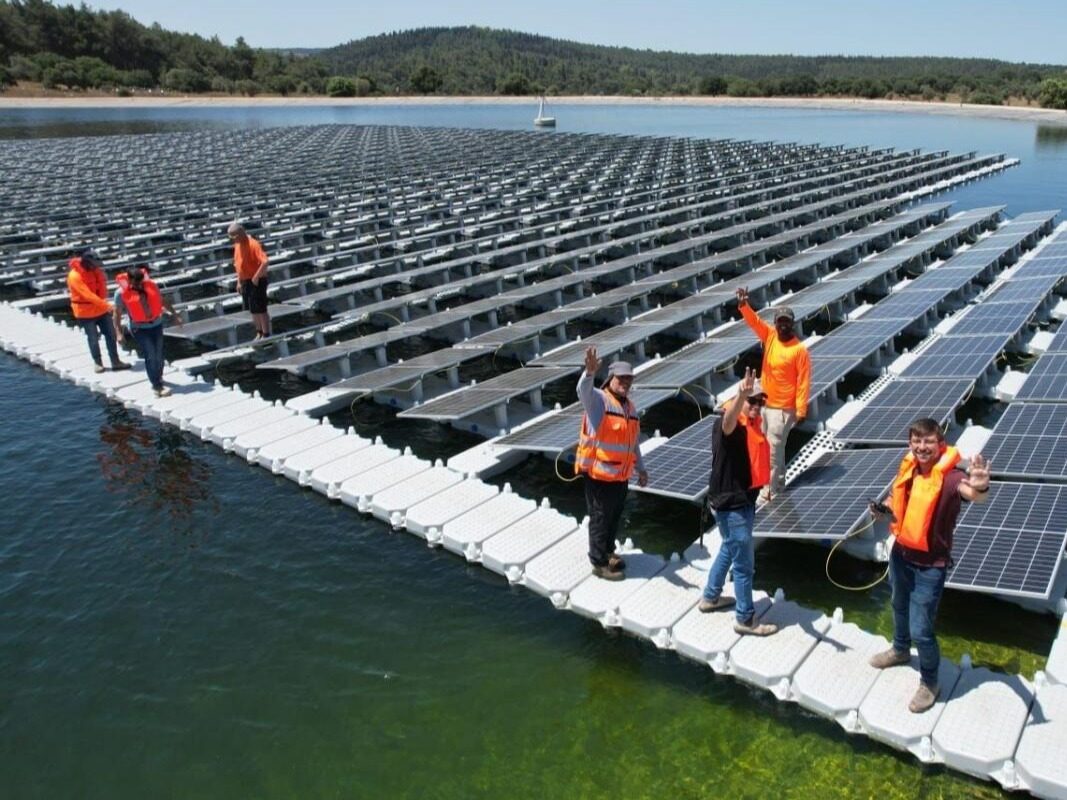
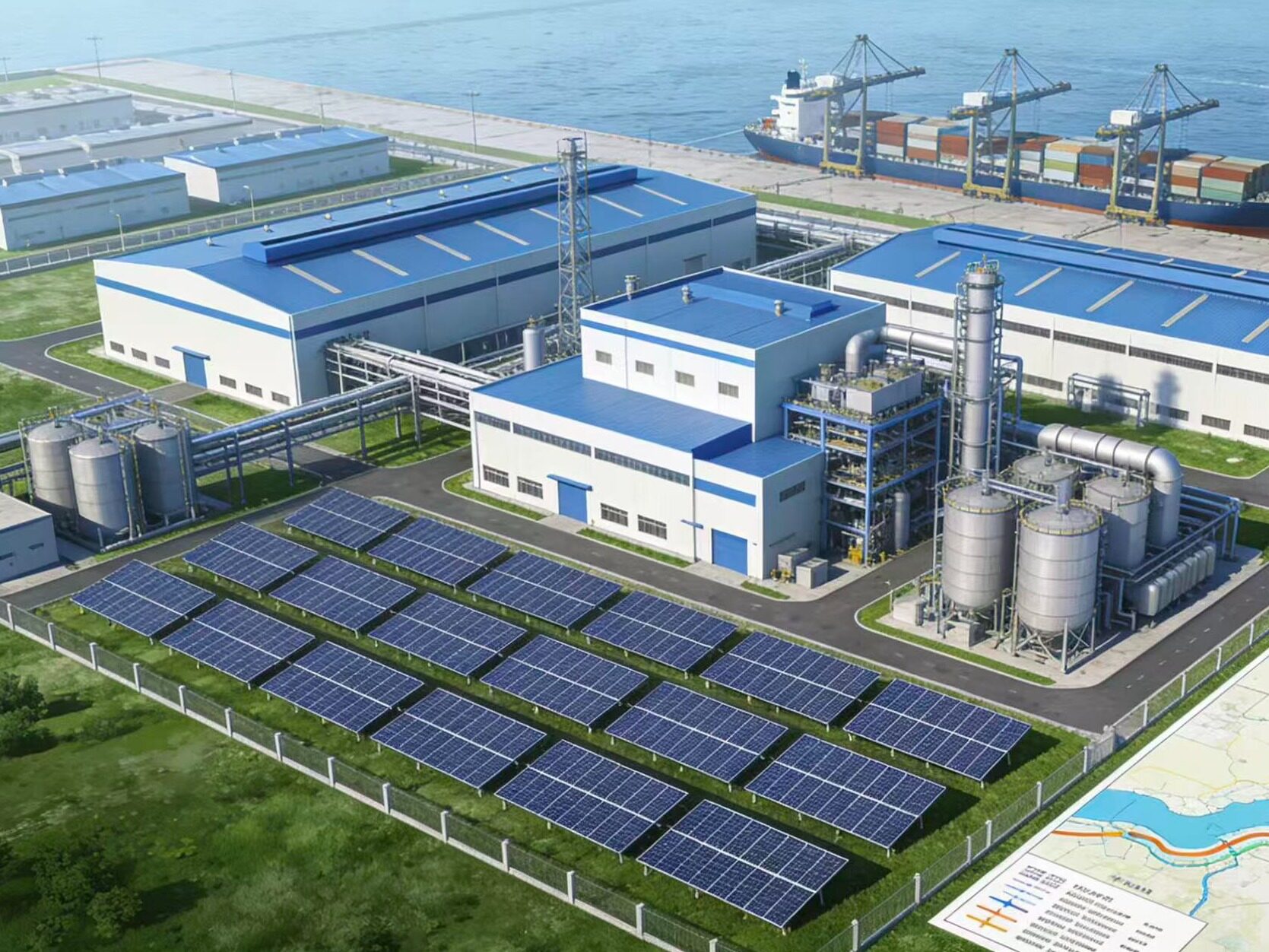
The infrastructure boom has driven up the demand for calcium carbonate from multiple dimensions. On the one hand, calcium carbonate, as a "universal filler", is widely used in building materials such as plastic pipes, coatings, sealants, cement, and concrete; On the other hand, with the improvement of infrastructure, manufacturing industries such as automobiles, papermaking, plastic products, etc. will also experience development, further driving the consumption of calcium carbonate. In addition, Southeast Asian countries are actively promoting the transition to green energy, such as Vietnam opening up a "legal channel" for green energy projects, which also require large amounts of calcium carbonate in cables, coatings, and composite materials.
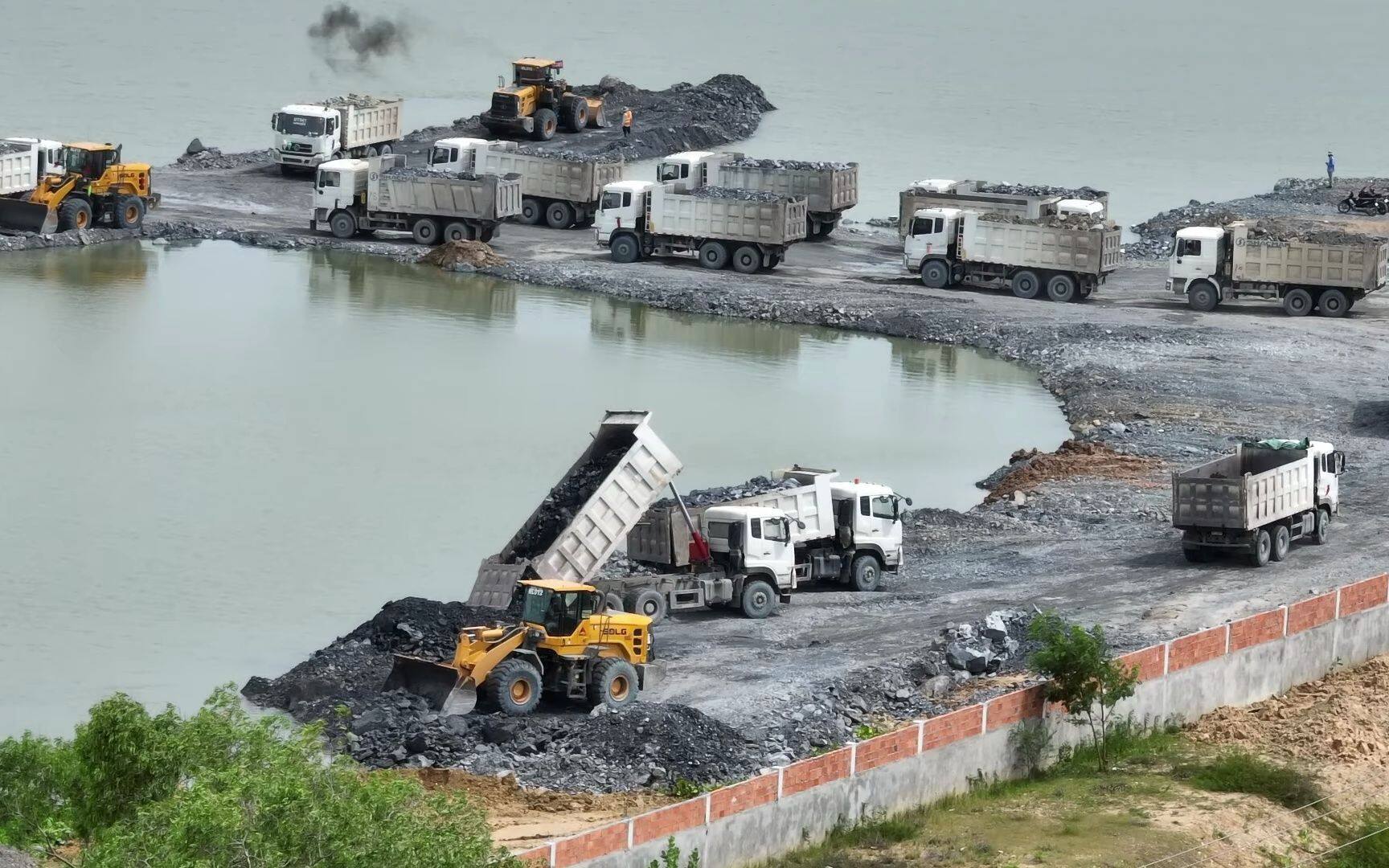
Faced with this' golden opportunity ', many companies have taken the lead. For example, Liansu Group established a factory in Malaysia through cross-border mergers and acquisitions, achieved profitability in just two years, doubled revenue in three years, and expanded its business to Singapore, Japan, and other places; Midea Building Technology has successfully opened up the Southeast Asian market by participating in the Yawan high-speed railway project, and has won orders for large shopping malls, hotels, and data centers in multiple countries.
International giants are also not absent. Leading companies in the global calcium carbonate market, such as Omya and Imerys, have already established their presence in Southeast Asia. For example, Omya built a lightweight calcium carbonate satellite factory in Thailand as early as 2015 to serve paper mills, demonstrating a strategic vision of being close to customers and responding quickly. Keywords: the Belt and Road news, the Belt and Road project, overseas project
The prosperity of the Southeast Asian calcium carbonate market is not a temporary phenomenon, but an inevitable result of regional economic development, infrastructure promotion, and energy transformation. Faced with this promising market, Chinese enterprises should not only closely monitor project planning and bidding information from various countries, actively seek cooperation, but also consider how to achieve localized layout and promote the development of products towards high performance and refinement. At the same time, in the face of competition from international giants, enterprises need to continuously enhance their green production and circular economy capabilities, transform sustainable development into a core advantage, in order to achieve steady and far-reaching success in the emerging market of Southeast Asia. Editor/Xu Shengpeng
Comment


 Praise
 Collect
 Comment

 Share
Share


Write something~