 Search


- Southeast Asia's monthly module exports surge by 267%
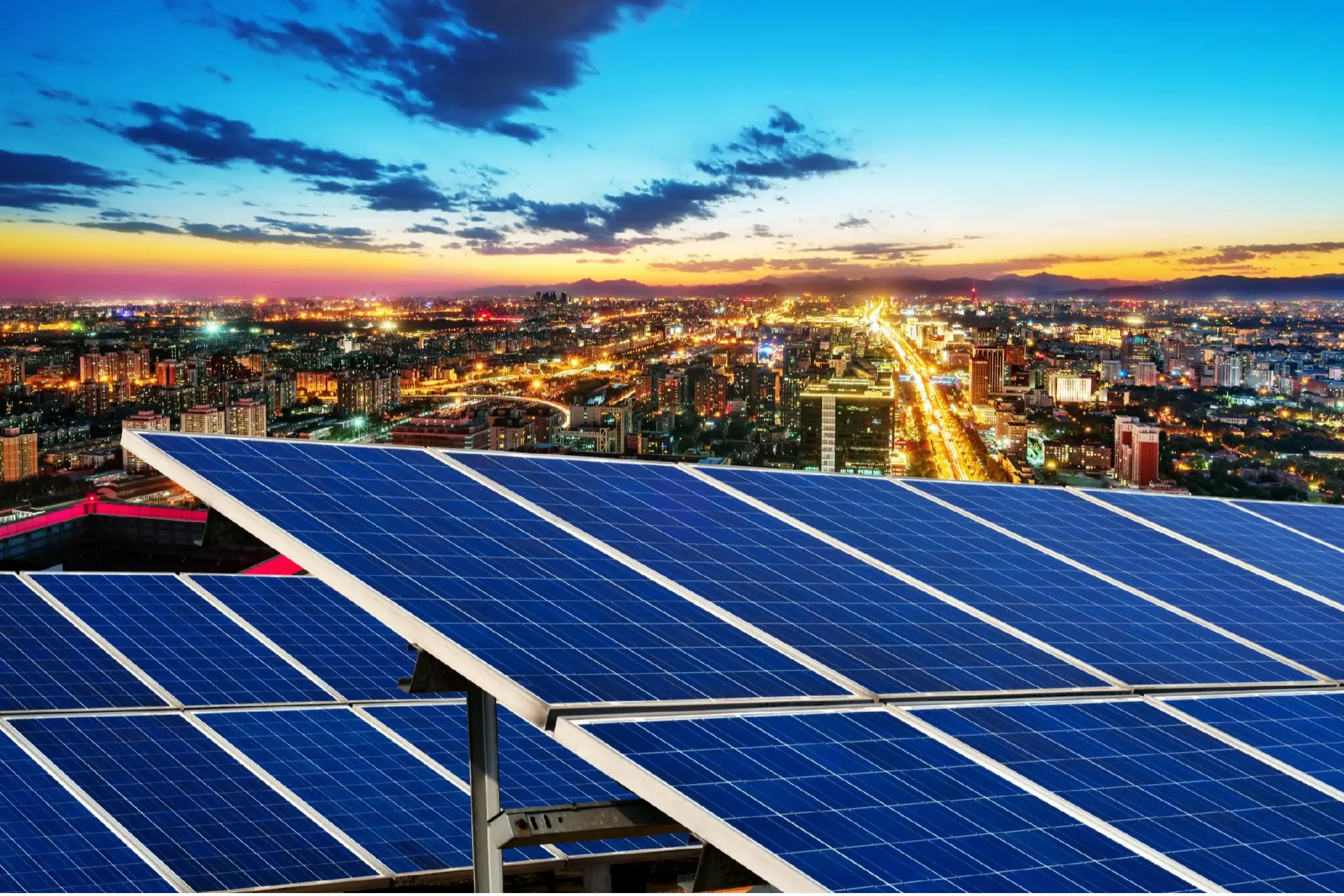
The tax refund is gone, but there are actually more orders. In the first four months of 2026, the cumulative export volume of Chinese photovoltaic products increased by about 43% year-on-year. On April 1st, the export tax rebate was officially cancelled, but the ordering speed of overseas buyers has increased instead of decreased - the cost-effectiveness of Chinese photovoltaics has caused policy tools to lose their leverage effect.
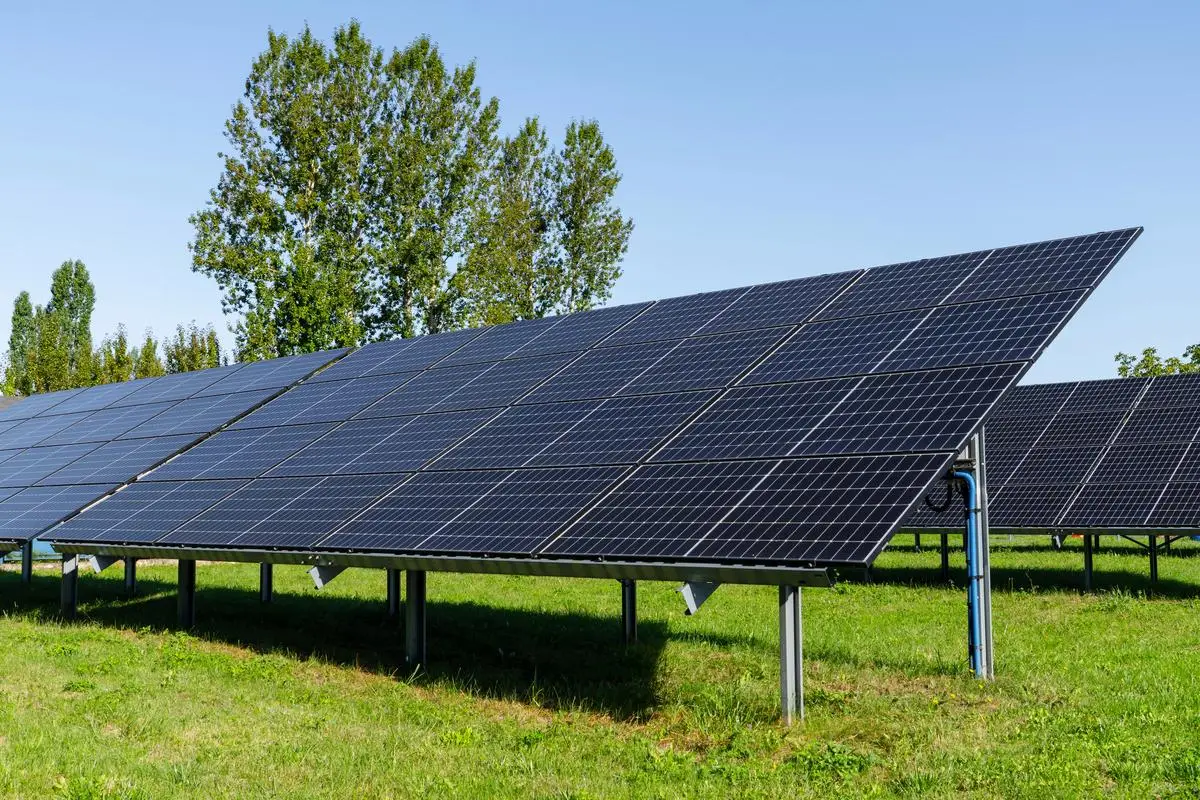
Cancelling tax refunds cannot prevent overseas order grabbing
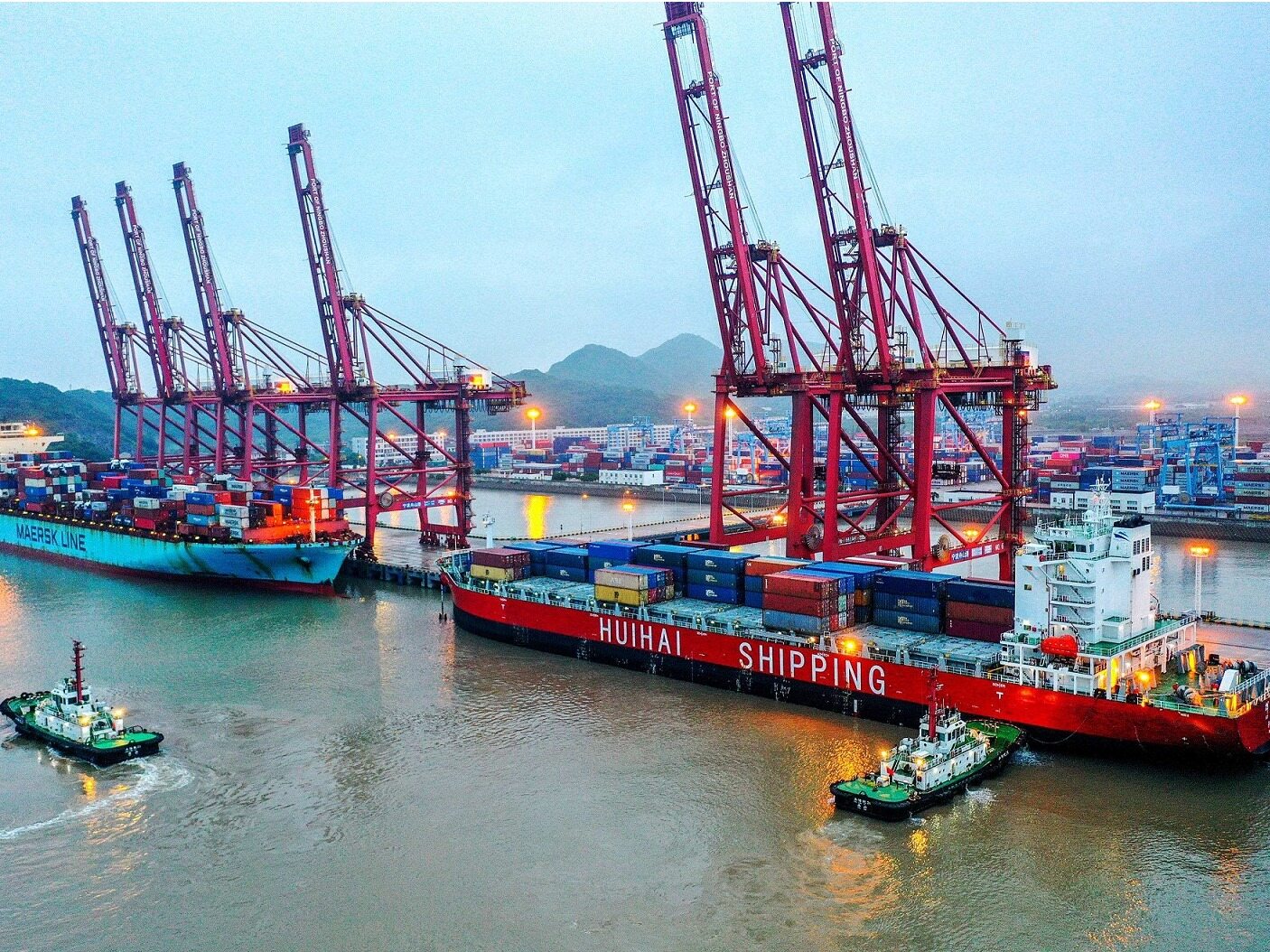
Data is the most indicative of the problem. From January to April, the cumulative export volume increased by 43% year-on-year. Looking at April alone, the export volume of components in the Southeast Asian market surged by 267% year-on-year. In Yiwu, Zhejiang, a photovoltaic company's battery cell production line is operating at full capacity, and this batch of goods is directly shipped to Europe. Overseas orders have been scheduled for the next quarter.
The deeper changes are on the technical side. By 2026, the global installed capacity of photovoltaics is expected to exceed 550GW, with N-type battery shipments accounting for over 80%, and PERC production capacity accelerating its clearance. Chinese companies are no longer relying solely on price wars, but are competing for the market with conversion efficiency and technological content. Top enterprises are accelerating the construction of overseas factories, with localized production capacity landing in Southeast Asia, the Middle East, and North America, which not only avoids trade barriers but also is close to the end market.

Southeast Asia becomes the largest incremental engine
Why is Southeast Asia exploding? The energy transformation of ASEAN countries is accelerating, with Vietnam, Thailand, and Malaysia raising their photovoltaic installation targets. In addition, Chinese companies have matured their local channels and after-sales networks, which naturally attracts orders to this area. Keywords: photovoltaic exports, new energy projects
But there are also hidden worries. The pressure of overcapacity in the industry has not dissipated, and component prices are still hovering at low levels, putting pressure on the cash flow of some small and medium-sized enterprises. External constraints such as the EU carbon border adjustment mechanism and US tariff barriers are also continuously tightening.
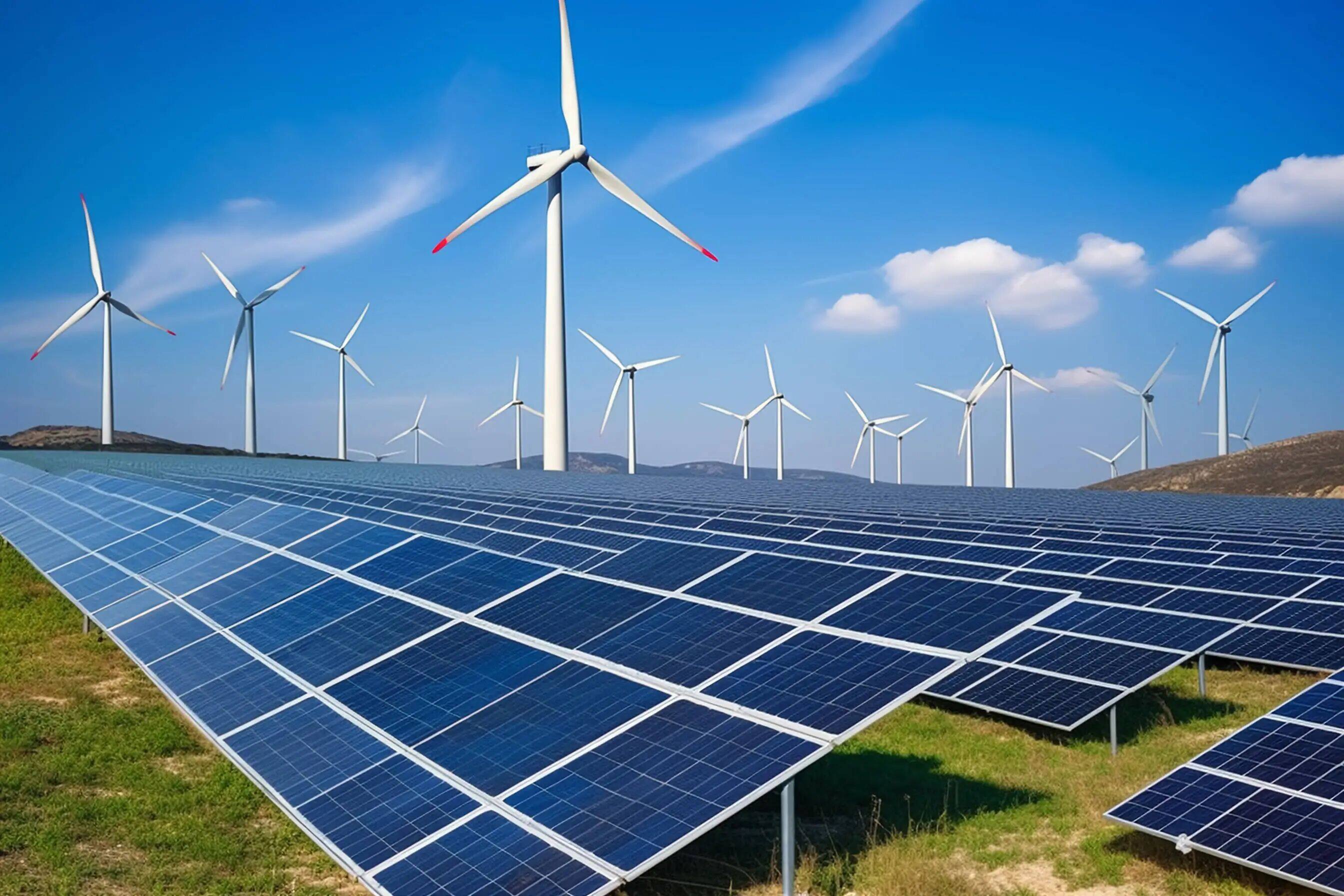
However, the overall trend will not change: China's photovoltaic industry is shifting from selling more to making stable profits, and from expanding in scale to improving quality and efficiency. When adding 550GW of installed capacity globally every year becomes the norm, what truly survives is not the one with the largest production capacity, but the one with the hardest technology and deepest layout.Editor/Cheng Liting
Comment



 Praise
 Collect
 Comment

 Share
Share


Write something~