 Search


- Zero tariffs help African products enter the Chinese market, promote trade balance and local industry development
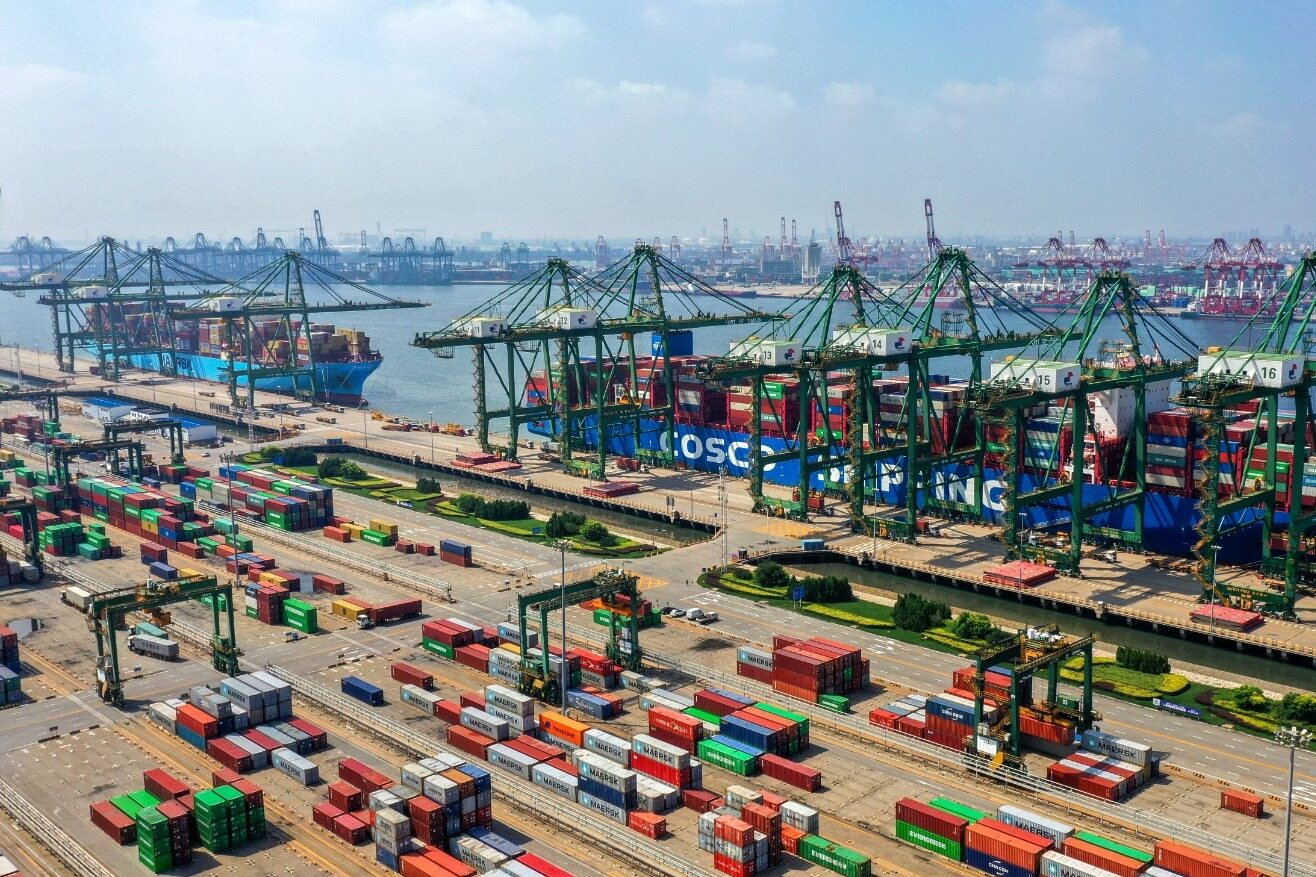
On June 4, 2026, in Dakar, the capital of Senegal, in the office of the pan African think tank Timbuktu Institute, Director Bakari Sanbe put down his pen and announced that his recently completed article "China and Africa: Unprecedented Trade Opening Strategy Measures" was about to be shared with the world. Outside the window is a busy port, with containers loaded with peanuts waiting to be shipped - at this moment, China's zero tariff policy towards 53 African countries with diplomatic relations is completely opening up the road for these goods to reach the market of 1.4 billion people.
Clearance of tariff barriers
On May 1, 2026, China fully implemented zero tariffs on 53 African countries with diplomatic relations, significantly expanding the tax-free scope compared to 33 least developed countries in 2024.
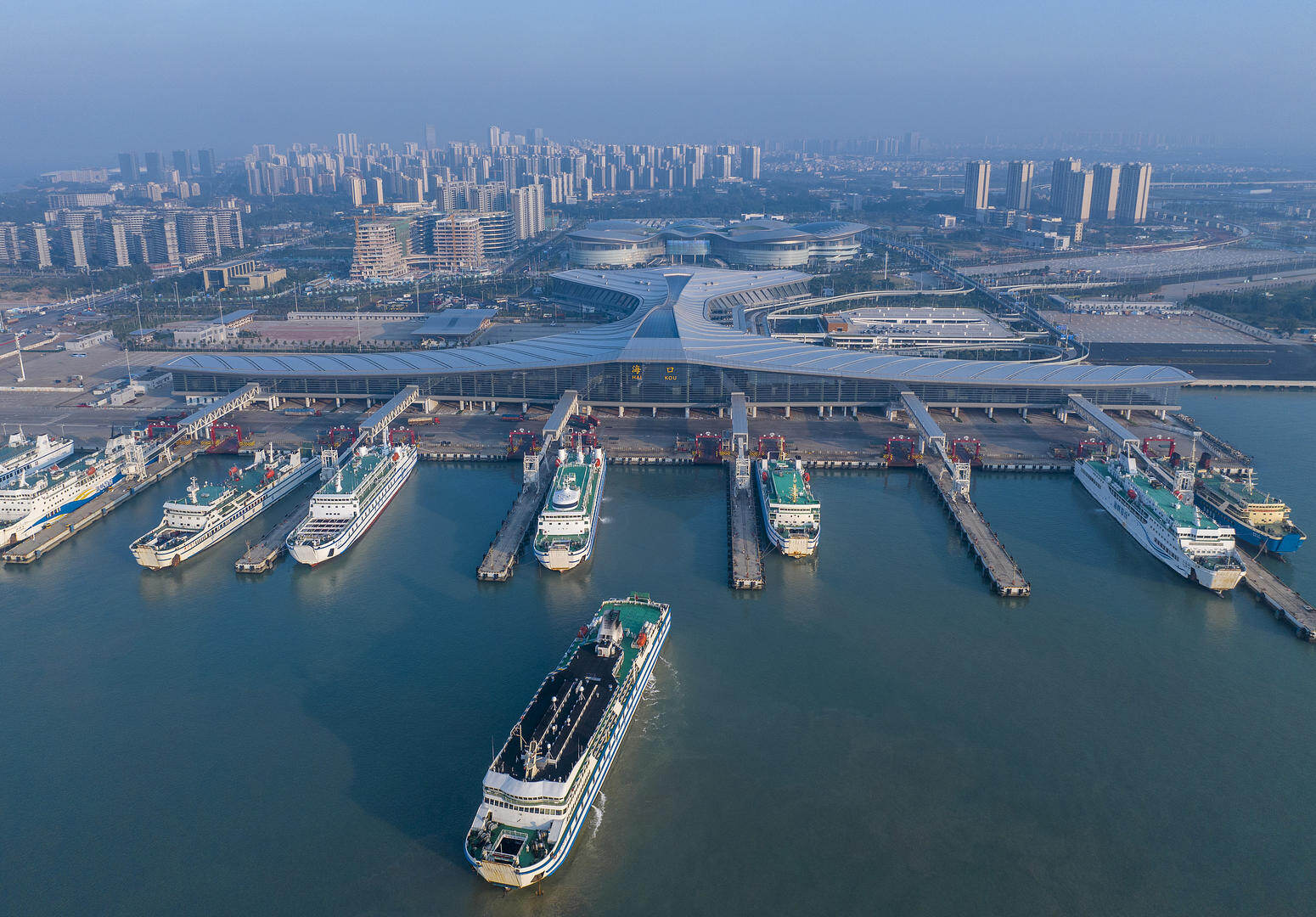
By 2025, the total trade volume between China and Africa will reach 348 billion US dollars, and China will remain Africa's largest trading partner for 16 consecutive years; In the first quarter of 2026, African merchants in foreign trade hubs such as Yiwu have truly felt the dividends of tariff reductions. Compared to the United States' "America First" tax increase strategy, China's open attitude has won widespread recognition in Africa.
Dividends take root in the land
Zero tariffs directly enhance the competitiveness of African products, and Senegal's specialty products such as phosphates, peanuts, and seafood have obtained a "pass" to enter the Chinese market.
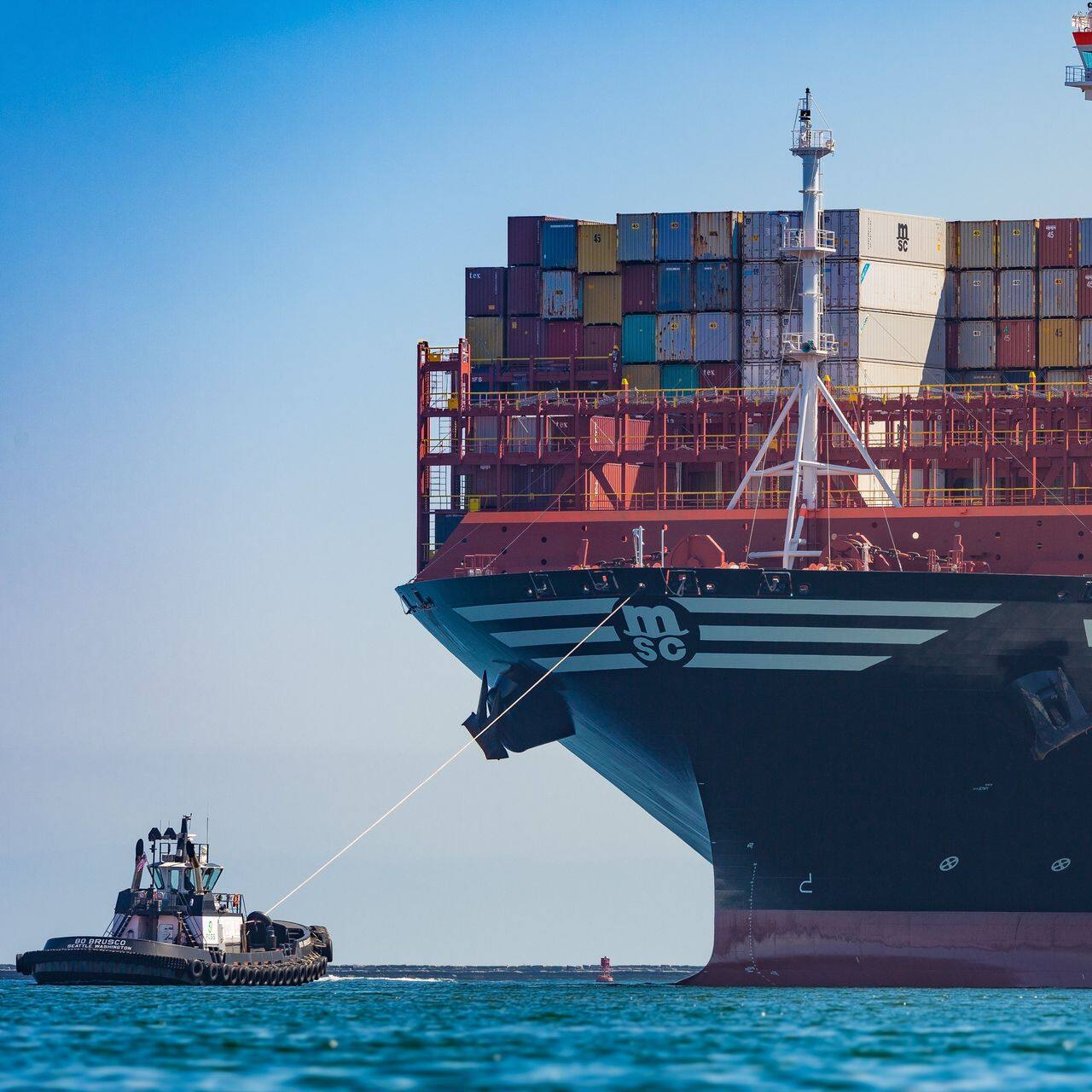
The industry and trade departments of many African countries generally believe that policies will drive the development of local small and micro enterprises and start-up industries. If we can attract Chinese funds to land agricultural processing, infrastructure, and special economic zone projects, it will help promote the implementation of development plans such as Senegal's 2050 Vision in various countries.
Shortcomings urgently need to be filled
Policy dividends will not be automatically realized. The insufficient local production capacity, weak logistics infrastructure, small enterprise size, and inconvenient cross-border settlement in Africa are constraining the transformation of tariff advantages into export increments. Although Senegal has outstanding resource endowments, if government enterprise cooperation is not smooth and supporting reforms are lagging behind, it may still miss the window period. Only by actively expanding production, enriching export categories, and improving the industrial chain can we truly improve the bilateral trade imbalance and seize this historic opportunity. Keywords: the Belt and Road news, zero tariff
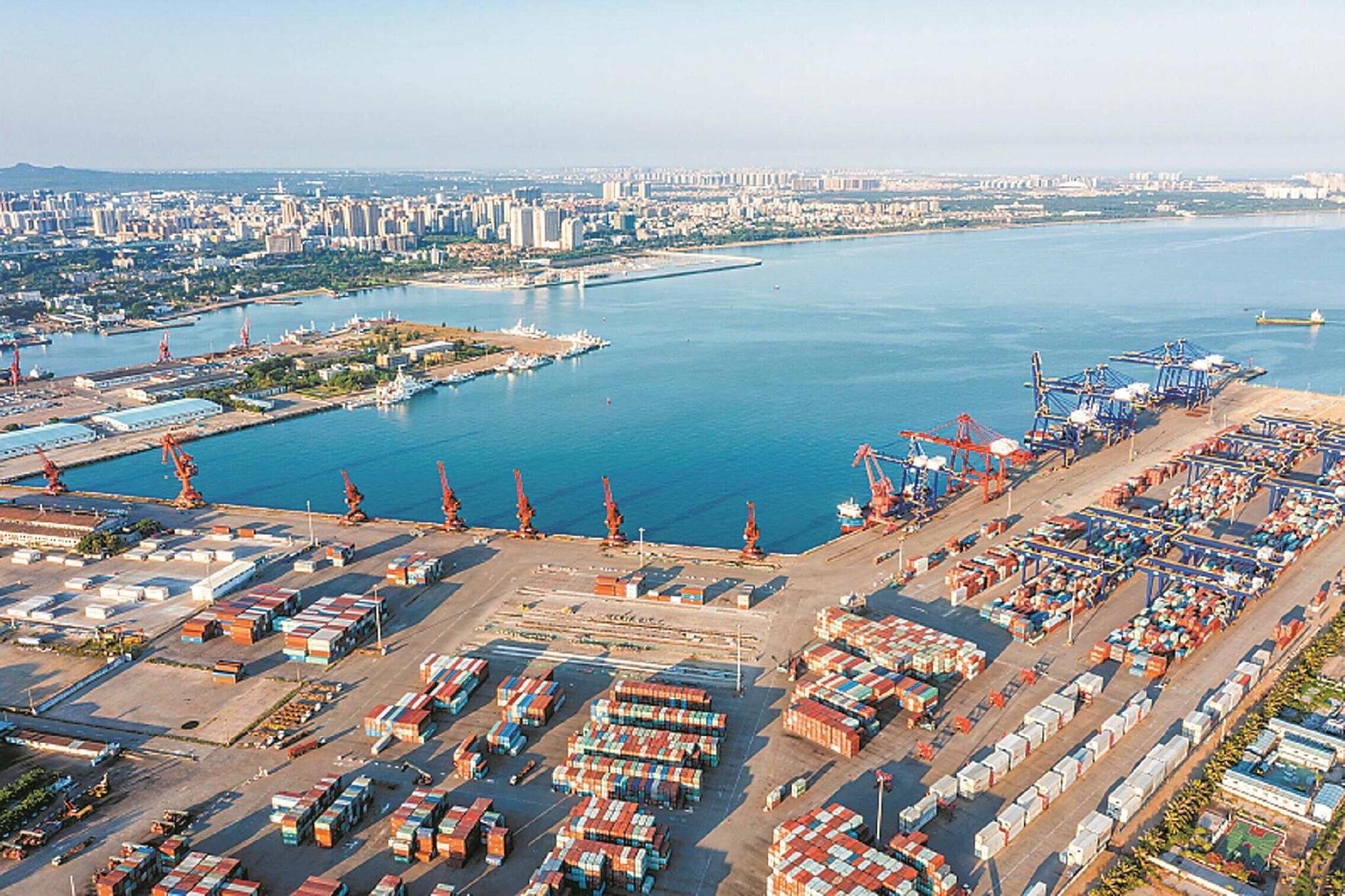
When Sanbei's article sparked heated discussions in the African think tank community, the ripple effect of China's zero tariff policy is spreading from Dakar to the entire continent. This is not a simple trade concession, but a pragmatic runway laid for Africa's industrialization - the runway has been paved, and the takeoff speed depends on Africa's own preparation.Editor/Gao Xue
Comment




 Praise
 Collect
 Comment

 Share
Share


Write something~