 Search


- Sri Lanka launches largest battery energy storage project in history, covering 16 sites across the country
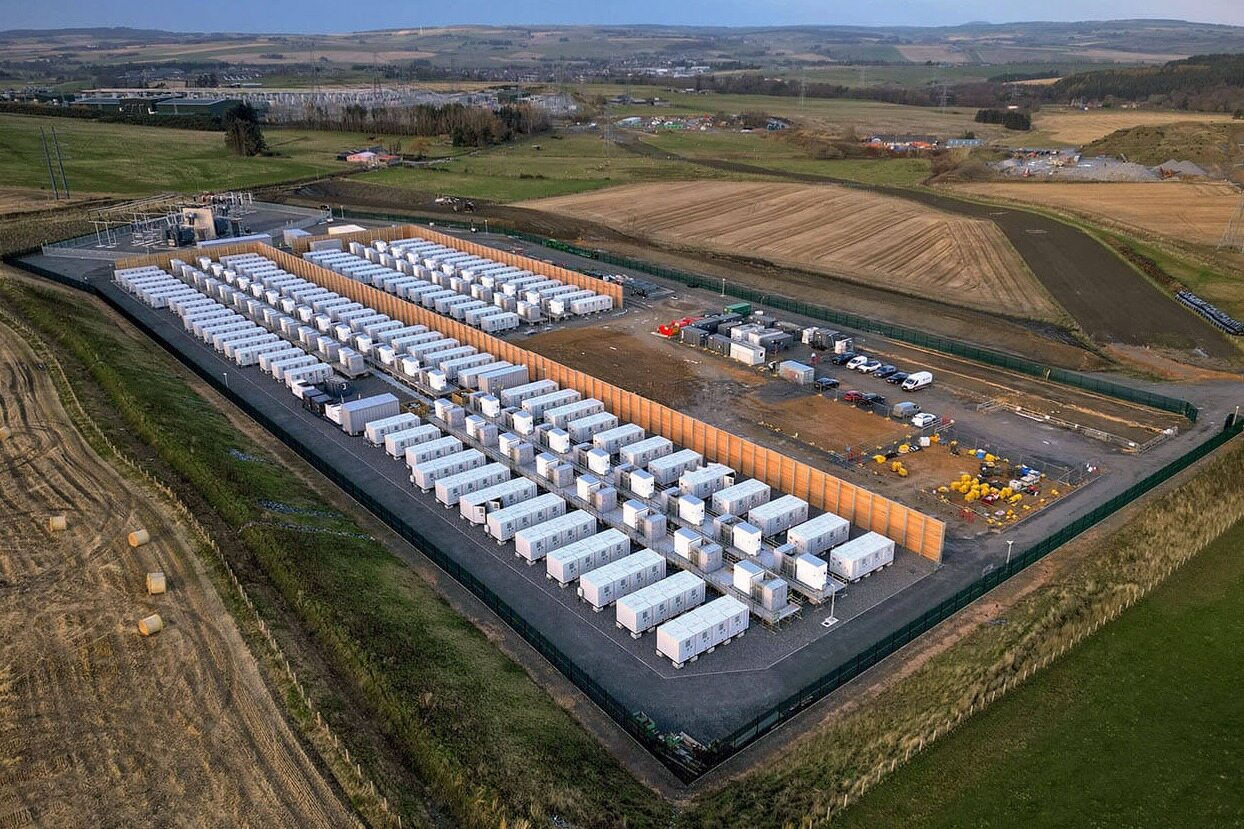
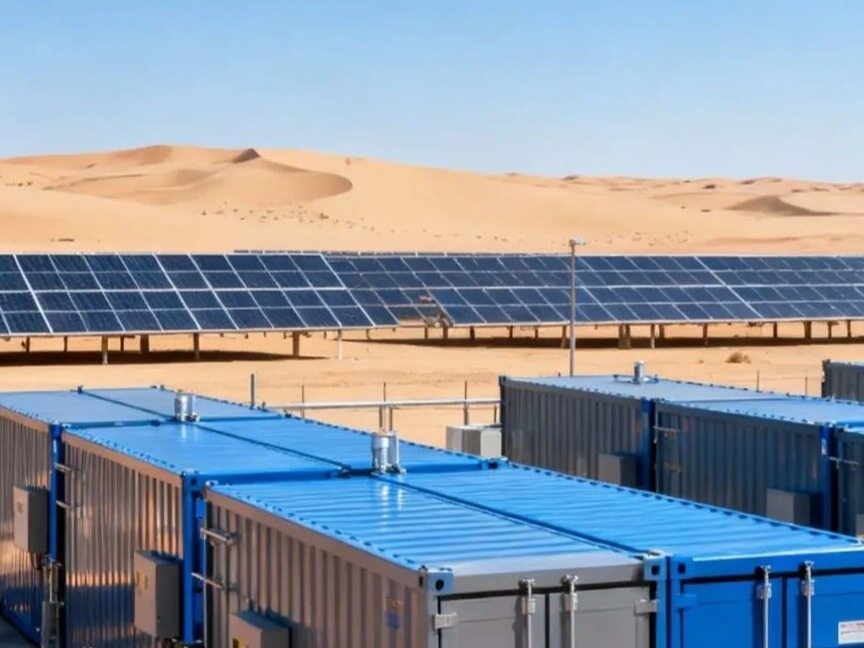
A country that relies on fuel power generation to sustain its life is rewriting its energy destiny with batteries. Sri Lanka has launched the largest ever deployment of battery energy storage, with 160MW/640MWh and 16 sites spread across the country, aiming to achieve a 70% share of renewable energy generation by 2030.
Energy storage is deployed throughout the entire region
This is not a simple equipment procurement, but a reconstruction of the underlying logic of the power grid. 13 out of 16 sites adopt grid construction technology, which can actively support grid frequency and voltage, paving the way for large-scale integration of wind and photovoltaic power. The project is developed by WindForce and Vidullanka, with core technology provided by Huawei and Sunac, and backed by a $200 million loan from the Asian Development Bank. The cost of electricity has decreased from 115 rupees per unit for fuel power generation to about 30 rupees, saving about $2.6 million in foreign exchange per month - a more convincing account than any plan for a country with a bottoming out in foreign exchange.
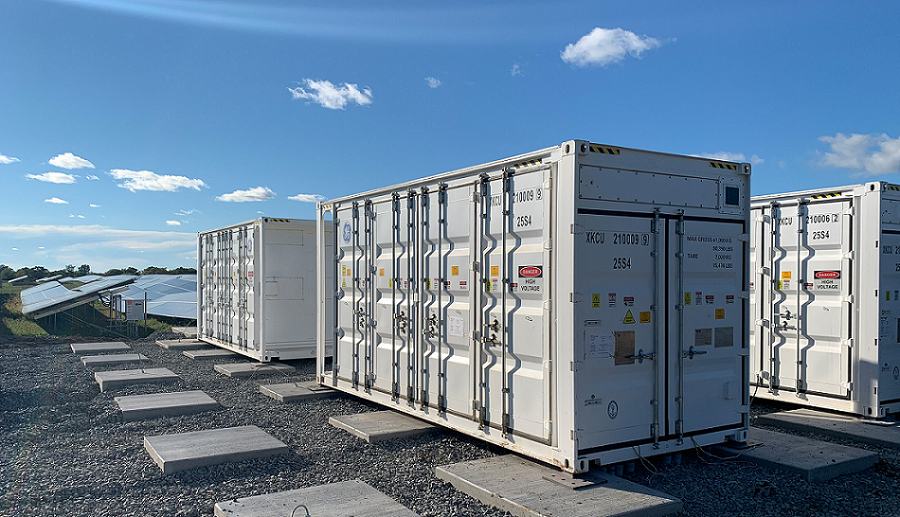
As of early June 2026, the 80MW equipment has arrived, the first batch of 60MW is being installed and connected to the grid, and the second batch of 54 battery units weighing 2241 tons has also been unloaded in Colombo. WindForce also holds 12 independent BESS projects totaling 120MW, while CEB has another 100MW project underway. The government has also introduced a time of use pricing mechanism to encourage rooftop photovoltaic energy storage and transmission to the grid during peak hours in the evening.
Network building technology supports the urgent need for grid connection
But the challenges are equally real. The Asian Development Bank loan comes with conditions for electricity reform, and insufficient power grid consumption has led to serious power abandonment. Domestic renewable energy enterprises are on the brink of collapse due to delayed payments. Keywords: new energy projects, energy storage batteries, energy strategy
Nevertheless, this is still a crucial step in Sri Lanka's energy transition - replacing fuel with batteries and exchanging energy storage for foreign exchange. Long term planning shows that by 2030, approximately 650MW/2250MWh of energy storage will need to be deployed nationwide to meet demand. When all 16 stations are connected to the grid, the energy trump card of this island nation will be completely rewritten.Editor/Cheng Liting
Comment


 Praise
 Collect
 Comment

 Share
Share


Write something~