 Search


- BYD empowers Vietnam and helps build a complete new energy industry chain locally
- Vietnam relies on electric rental reform to achieve green and leapfrog development in transportation
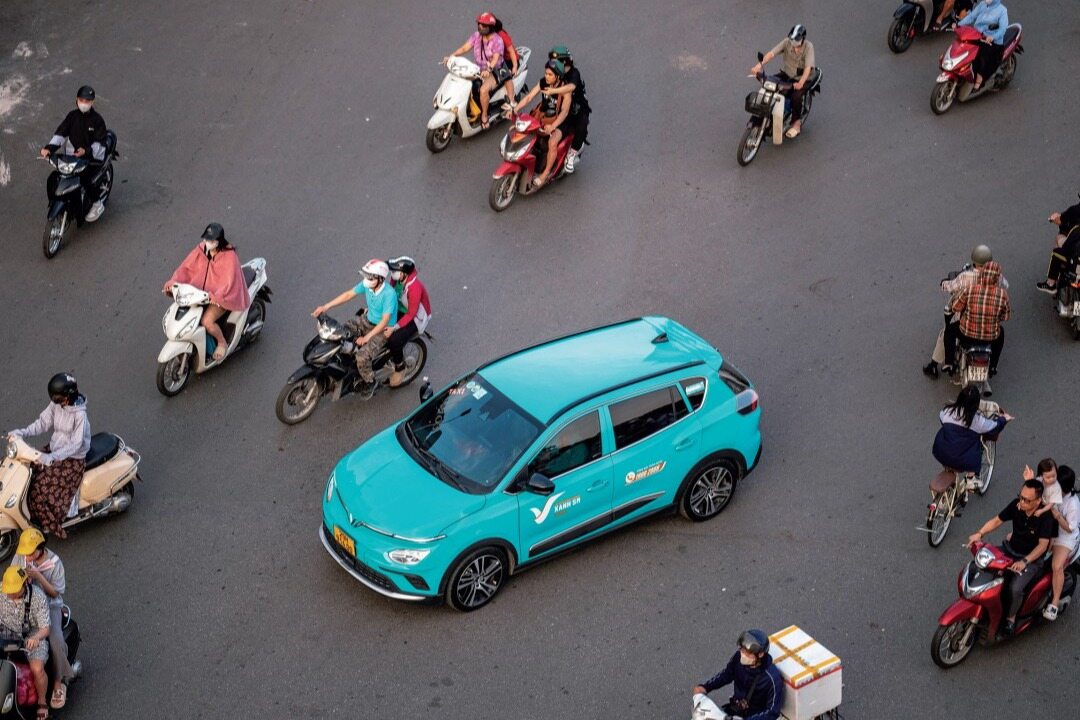
Located in the center of Hanoi, the area around Huanjian Lake used to be filled with the roar and exhaust pollution of fuel vehicles all year round, but now it is refreshed, quiet and elegant. The light blue VinFast electric taxi smoothly drove over the clean asphalt road, adding a fresh modern bright color to this millennium old city.
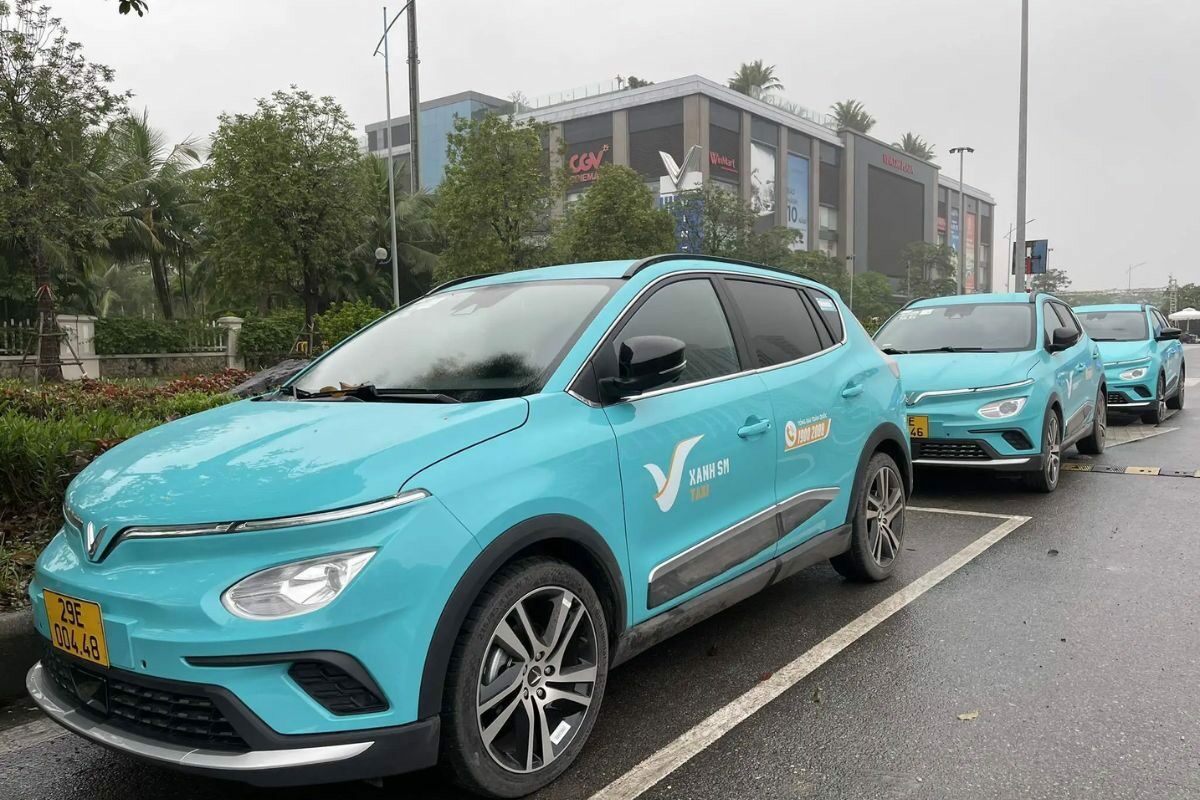
In the fourth quarter of 2025, the taxi industry in Vietnam will usher in a historic turning point. According to data, the quarterly revenue of electric and hybrid taxis in Vietnam reached 255.93 million US dollars, with a market share exceeding 52.15%, surpassing traditional fuel taxis that account for 47.85% for the first time, marking a critical point in Vietnam's green transformation of transportation.
Policy support to fully assist
In July 2022, the Vietnamese government issued a special plan for green transformation in the transportation sector, clarifying the development path of carbon reduction and green development in the transportation sector, establishing the development goal of achieving carbon neutrality by 2050, and listing public transportation and taxi industries as key areas for green transformation. According to relevant policy requirements, starting from 2025, new and modified taxis in Vietnamese cities must use electricity or other clean energy sources; By 2030, urban taxis across the country will have fully replaced clean energy sources. This clear and powerful policy requirement has been strictly implemented in the two core cities of Hanoi and Ho Chi Minh City.

Hanoi city continues to increase its efforts in green transportation construction and will once again clarify its development goals before 2026. According to official plans, the electrification rate of taxis in Hanoi will increase to 63% to 64% by 2026, and the entire taxi industry will be electrified by 2030. To ensure the implementation of the target, Hanoi has not only introduced loan interest subsidy policies, but also planned to implement low emission control areas and restrict high emission vehicles from entering the city's core areas. This means that traditional fuel taxis will not be able to operate in the city center with the best passenger flow and revenue if they do not complete the electrification upgrade. At the same time, Vietnam has vigorously introduced favorable policies for car purchases since 2022, fully exempting registration fees for pure electric vehicles and reducing their special consumption tax to 3%, while the special consumption tax for traditional fuel vehicles remains at a high level of 35% to 50%. A series of measures have significantly reduced the cost gap between electric and fuel vehicles, reducing the difference by nearly 40%, effectively promoting travel companies to replace electric operating vehicles in bulk.
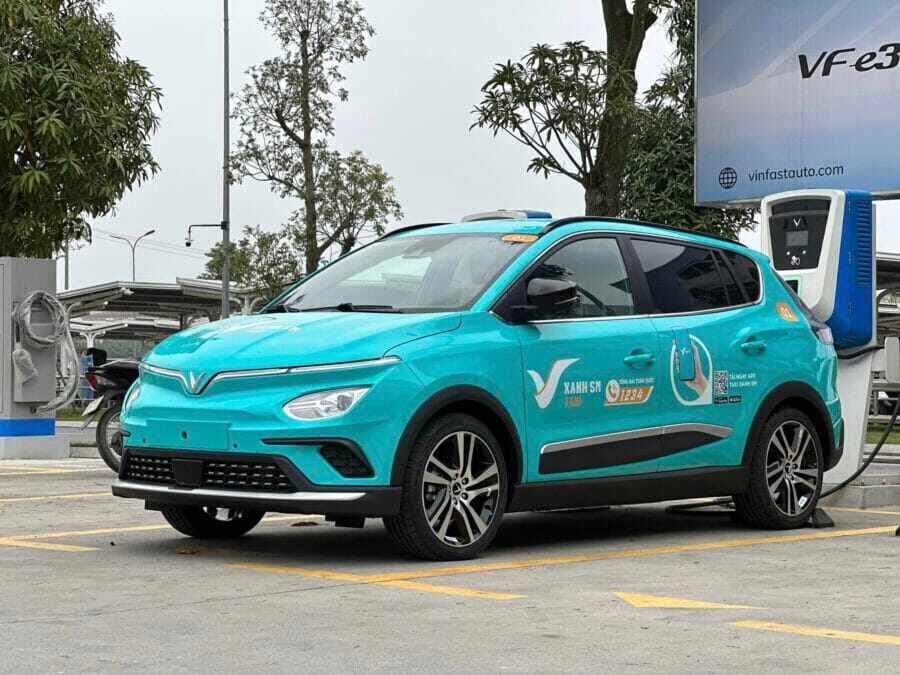
The World Bank released a report in November 2024 stating that Vietnam's green transportation transformation model has great demonstration value. Prioritizing the electrification of high-frequency operating vehicles such as taxis and buses can not only reduce 5.3 million tons of carbon dioxide emissions, accounting for 8% of Vietnam's 2030 emission reduction target, but also rely on the demand for large-scale energy replenishment to drive the construction of national charging infrastructure.
Cost advantage highlights competitiveness
Since its establishment in 2023, the Vietnamese intelligent transportation company GSM has been leading the local market with its full range of pure electric operation models. In the fourth quarter of 2025, its XanhSM brand achieved a market share of 51.5% in the ride hailing market, surpassing the veteran company Grab and ranking first in the industry in terms of service rating. Electric taxis have outstanding cost advantages in energy consumption and maintenance, with energy expenditure reduced by 60% to 70% compared to fuel vehicles, longer maintenance cycles, and lower costs. At the beginning of 2026, oil prices surged, forcing traditional car companies to raise prices, while XanhSM stabilized ticket prices and expanded the market. Faced with industry changes, local enterprises have chosen different transformation directions, which has also exposed the shortcomings of insufficient charging infrastructure.
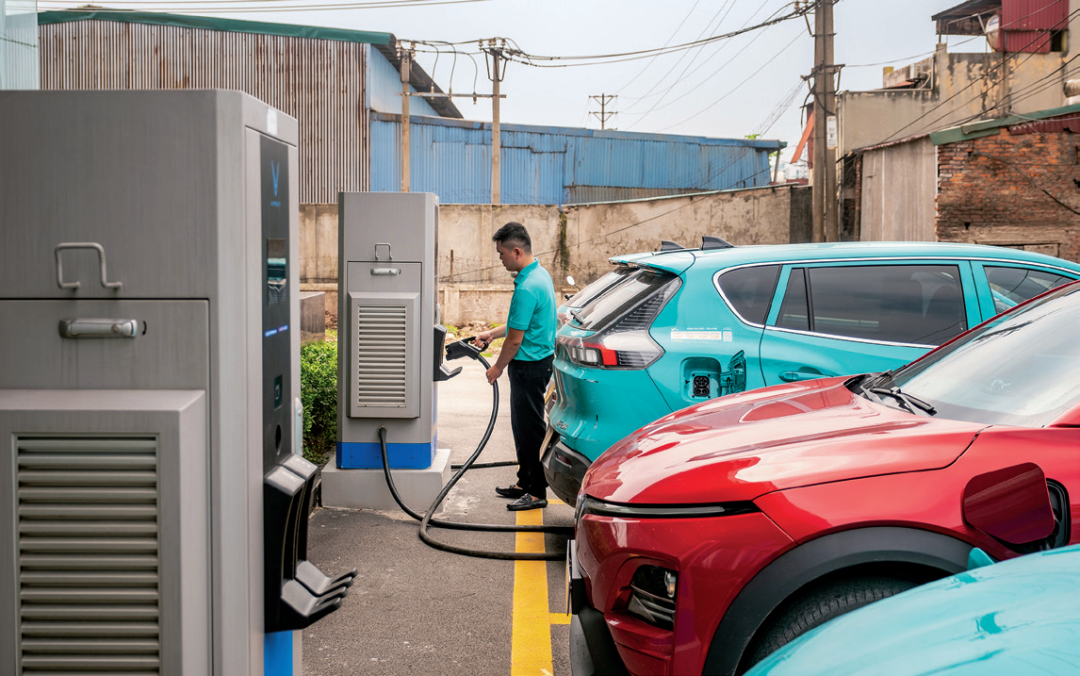
Improve infrastructure and supplement the industrial chain
By the end of 2025, over 150000 charging terminals have been built locally, and a large number of new stations will be added in the future. Hanoi has also introduced new regulations to increase the construction of charging piles. BYD's battery factory has landed in Vietnam, promoting the transformation of the local electric vehicle consumption market into a manufacturing base and helping to build a complete new energy industry chain. The local area is also exploring the cascading utilization of power batteries, which not only resolves environmental risks but also alleviates the operational pressure on the power grid. Keywords: Vietnam, Green Transformation, BYD
The electrification of taxis in Vietnam has become a typical example of the leapfrog development of industries in developing countries. Relying on policies, local enterprises, and global resources, the region is rapidly entering the era of electric mobility, and related models are gradually being promoted to Southeast Asia, confirming that green transformation can effectively enhance regional competitiveness.Editor/Gong Ziwei
Comment






 Praise
 Collect
 Comment

 Share
Share


Write something~