 Search


- This is completely changing Brazil's trade route to Asia – reducing export transportation time by 17 days and costs by 30%.
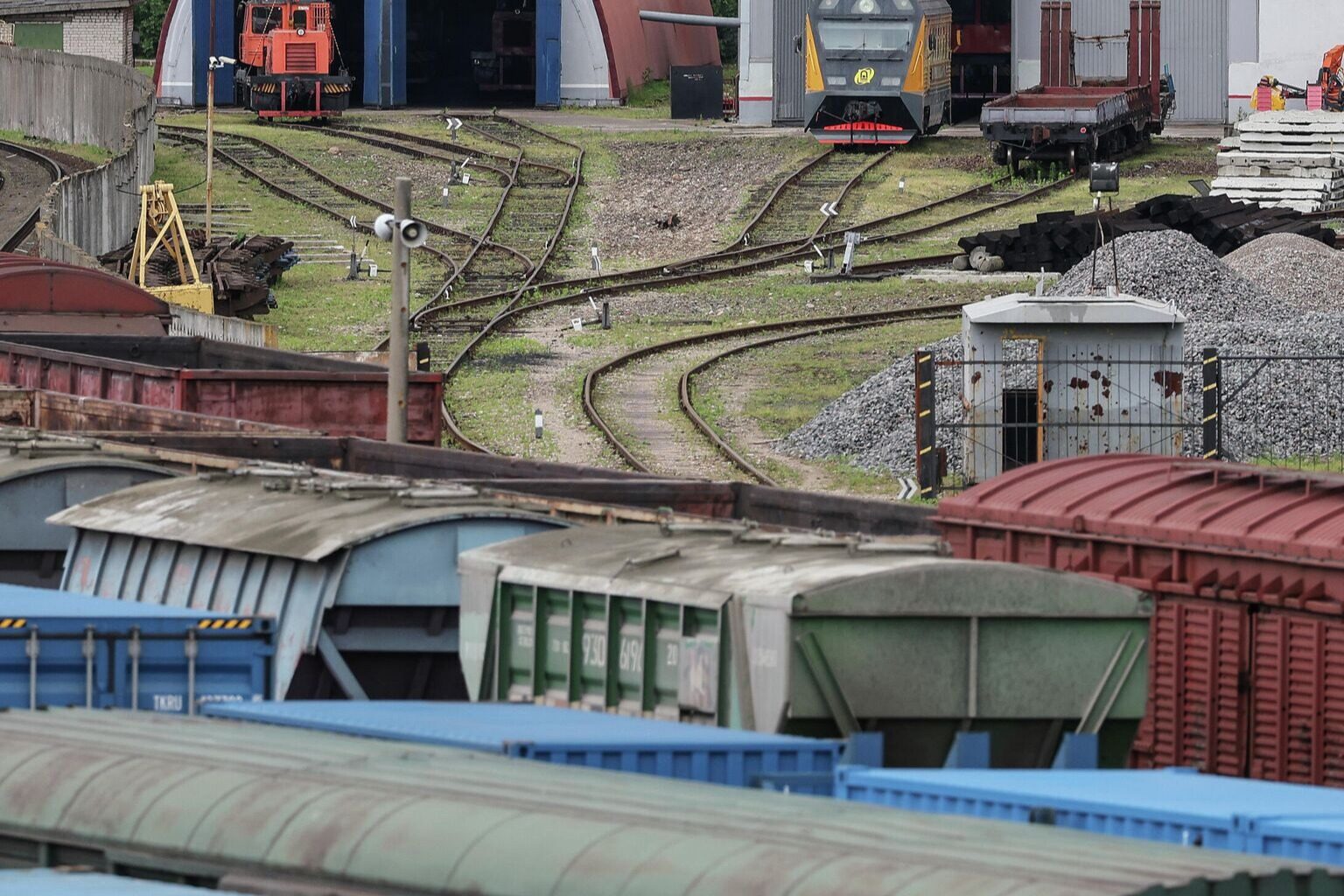
South America is welcoming a strategic corridor that is changing the regional economic landscape. The "Bi-Oceanic Railway (also known locally as the Bioceanic Corridor)," jointly promoted by Brazil, Paraguay, Argentina, and Chile, is under accelerated construction. The Brazilian government is incorporating the corridor's construction into an important agenda for promoting regional integration, and related countries are coordinating to advance financing and construction.According to Brazilian media reports, the corridor is over three thousand kilometers long and is considered an important logistics channel to replace the Port of Santos in São Paulo, Brazil. It will run from the Brazilian Midwest directly to ports in northern Chile and is seen as a strategic interconnection project for South America.

Once completed, the corridor is expected to reduce the shipping time for Brazilian exports to Asia by 17 days and lower transportation costs by approximately 30% compared to existing Atlantic routes. Industry insiders believe that this will significantly improve Brazil's export efficiency to Asian markets such as China, while also helping Brazil obtain more competitive imported goods.Construction along the project route has been steadily advancing, but challenges remain, including infrastructure bottlenecks and insufficient transportation efficiency.
Brazilian economists point out that the corridor's construction will not only improve export conditions for Brazilian agricultural products and mineral resources, but may also drive economic development in the regional hinterland, especially in border cities located in the state of Mato Grosso and some economically underdeveloped areas of northern Argentina. In addition to trade, the corridor boasts diverse natural landscapes, including the Pantanal wetlands, the Andes Mountains, and the Atacama Desert, and the project's advancement will also bring new opportunities for tourism in South America.With the gradual commencement of construction on certain sections, the "Bioceanic Corridor" is progressively transitioning from a blueprint to reality. Despite ongoing challenges related to infrastructure and operational efficiency, its potential to promote regional integration, reduce logistics costs, and stimulate inland economies has garnered significant attention. This railway not only connects oceans and continents but also links resources and markets, the present and the future—it is not merely a transportation line laid with steel but a development axis for South America to achieve deeper integration and enhance its global competitiveness. Every step of its progress is writing new possibilities for the entire South American continent. Editor/Xu Shengpeng
Comment




 Praise
 Collect
 Comment

 Share
Share


Write something~