 Search


- The cultural relics unearthed from the Ainak site confirm the historical position of Gandhara as a melting pot of Silk Road civilization

In the depths of the valley in Logar Province, Afghanistan, the Aynak archaeological site is quietly rewriting people's understanding of the Silk Road. This once forgotten land now showcases the glorious history of Gandhara as a melting pot of ancient civilization to the world with its rich Buddhist art relics.
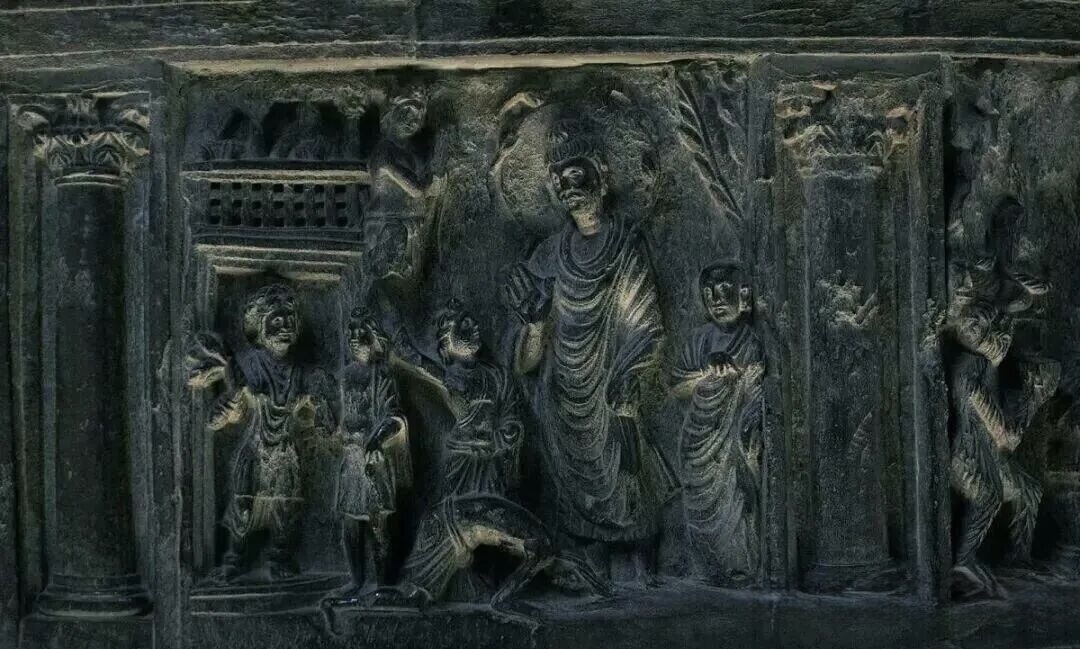
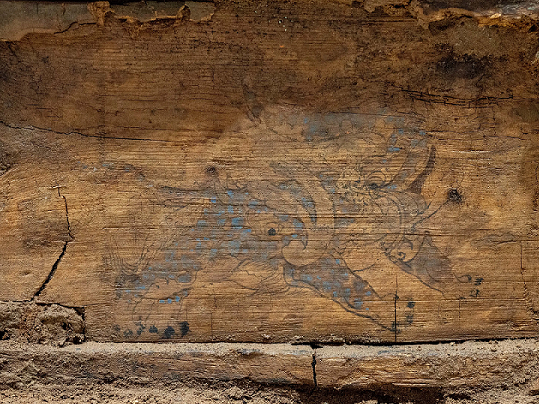
Recently, archaeologists discovered a 3-5 century relief of a burning lamp Buddha's teachings here, which has attracted academic attention for its unique artistic value and historical significance. This 41 centimeter high shale relief not only preserves rare gilded paintings, but also vividly depicts the continuous scenes of Confucian children covering their hair with mud, holding lotus flowers, and ascending to worship with the narrative technique of "one picture, multiple scenes". What is particularly precious is that the relief pedestal first features images of monks and laypeople jointly worshiping Buddha bowls, providing physical evidence for the study of ancient Buddhist bowl beliefs.
This may be the only visual evidence connecting the belief in Buddha bowls and the teachings of the burning lamp Buddha, "said Dr. Smith, who participated in archaeological work." The painted first turning wheel on the back of the relief makes it a precious double-sided work for studying early Buddhist art
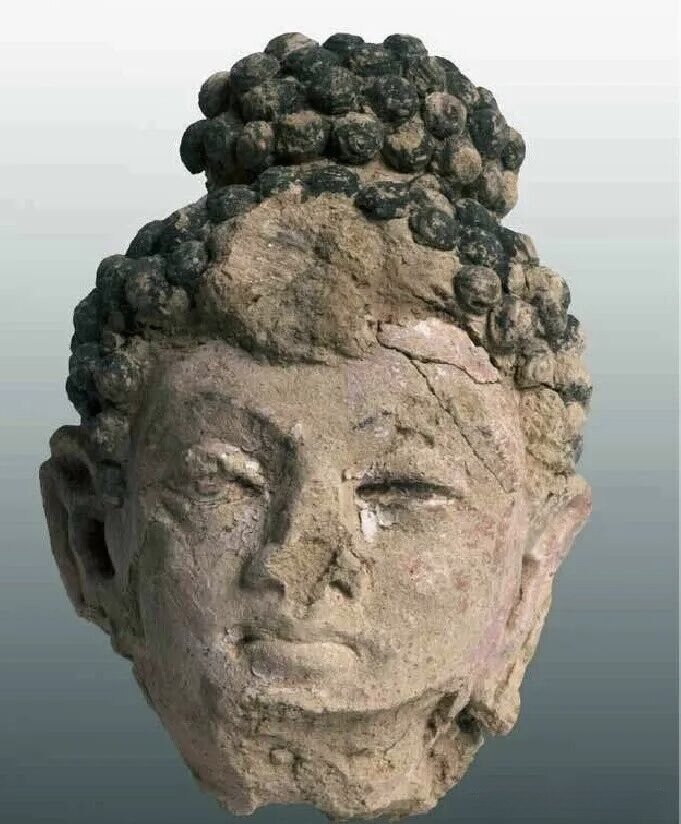
The geographical location of Aynak reveals its historical significance. This is located in the central area of the Gandhara civilization, just a one-day journey from the capital of the Kushan Empire, Bulushabuluo, and was once an important hub for commercial and trade exchanges. The four to five meter high painted clay Buddha statues unearthed from the site, as well as a large number of precious frost coins, all speak to the prosperity of the past. Especially the Maitreya seated figure on a type of Kaniska coin, which deeply echoes the theme of the Buddha's teachings on burning lamps, demonstrates the inheritance and development of Buddhist thought on the Silk Road.
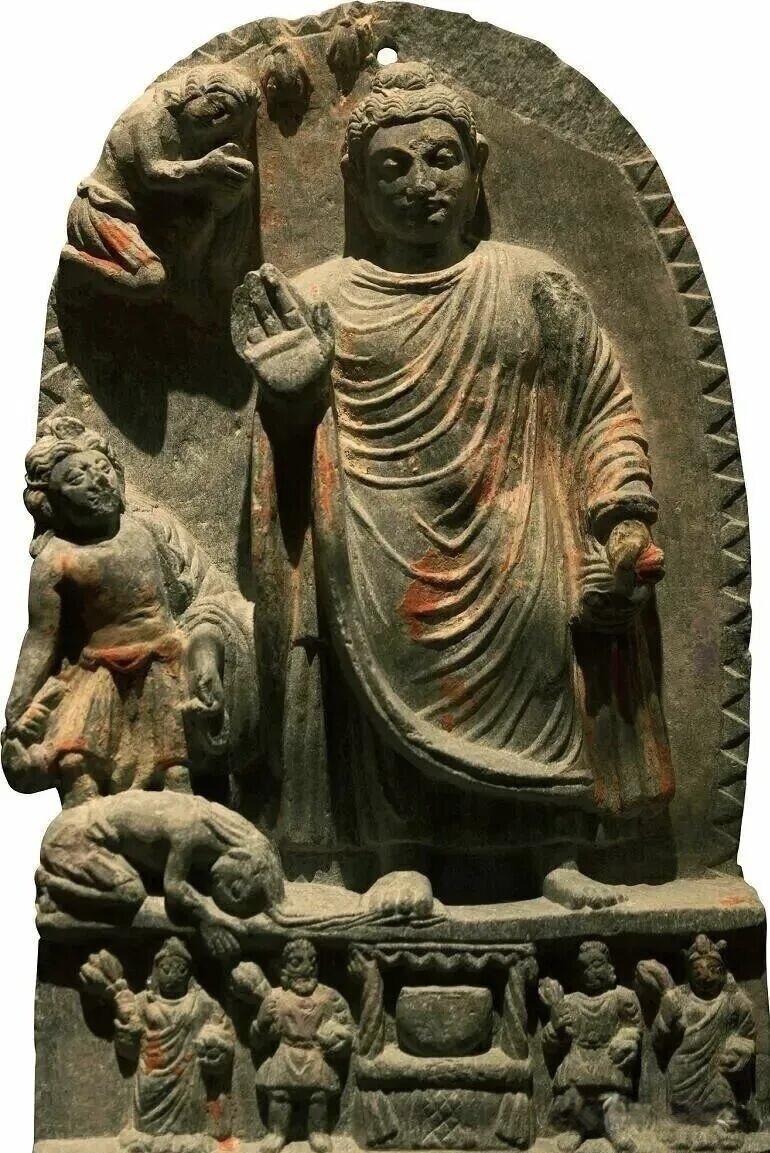
Archaeologists point out that the burning lamp Buddha faith in Ainak is closely related to the nearby Jalalabad holy site, and may be an important component of the "Buddhist Holy Land Reconstruction Movement" in the Gandhara region. Through artistic creation, local believers cleverly combine real-life Buddhist bowls and sacred objects with the stories of Buddhist scriptures, constructing a unique local belief system.
Nowadays, this site is facing a choice between mining development and cultural relic protection. The archaeological team is racing against time, striving to preserve these witnesses of civilizations spanning thousands of years. Each unearthed cultural relic not only carries the devout faith of ancient craftsmen, but also records the deep integration of diverse civilizations such as Greece, Persia, and India on the Silk Road.
The archaeological discovery of Ainak reminds us that this ancient trade route is not only a passage for goods, but also a bridge for the dissemination of ideas and art. Here, Eastern and Western civilizations meet and collide, jointly composing a magnificent chapter of human cultural exchange.Editor/Cheng Liting
Comment


 Praise
 Collect
 Comment

 Share
Share


Write something~