 Search


- Montenegro State owned Power Company has officially launched the second round of bidding for the pilot project of battery energy
- This project bidding marks that the country is injecting new resilience into the traditional power grid through pragmatic technological exploration

In the Republic of Montenegro, located in the western Balkans, a quiet energy revolution is quietly taking place in the distribution network. With the emergence of distributed photovoltaic power plants like mushrooms after rain, this small country known for its beautiful mountains and rivers is facing a sweet challenge - how to adapt the traditional power grid to the needs of the new energy era. On December 10, 2025, Elektroprivreda Crne Gore, the state-owned power company of Montenegro, officially launched the second round of bidding for the pilot project of battery energy storage system, marking a crucial step forward in the country's modernization of the power grid.
From large-scale planning to practical pilot: the transformation of bidding strategy
Behind this round of bidding is a strategic adjustment from grand vision to practical implementation. As early as last year, EPCG had planned an ambitious energy storage plan - to purchase two large battery energy storage systems with a power of 30 megawatts and a capacity of 120 megawatt hours, with a total investment budget of up to 58 million euros. However, this plan had to be temporarily put on hold due to the failure to obtain approval from the Montenegrin government for project loans.
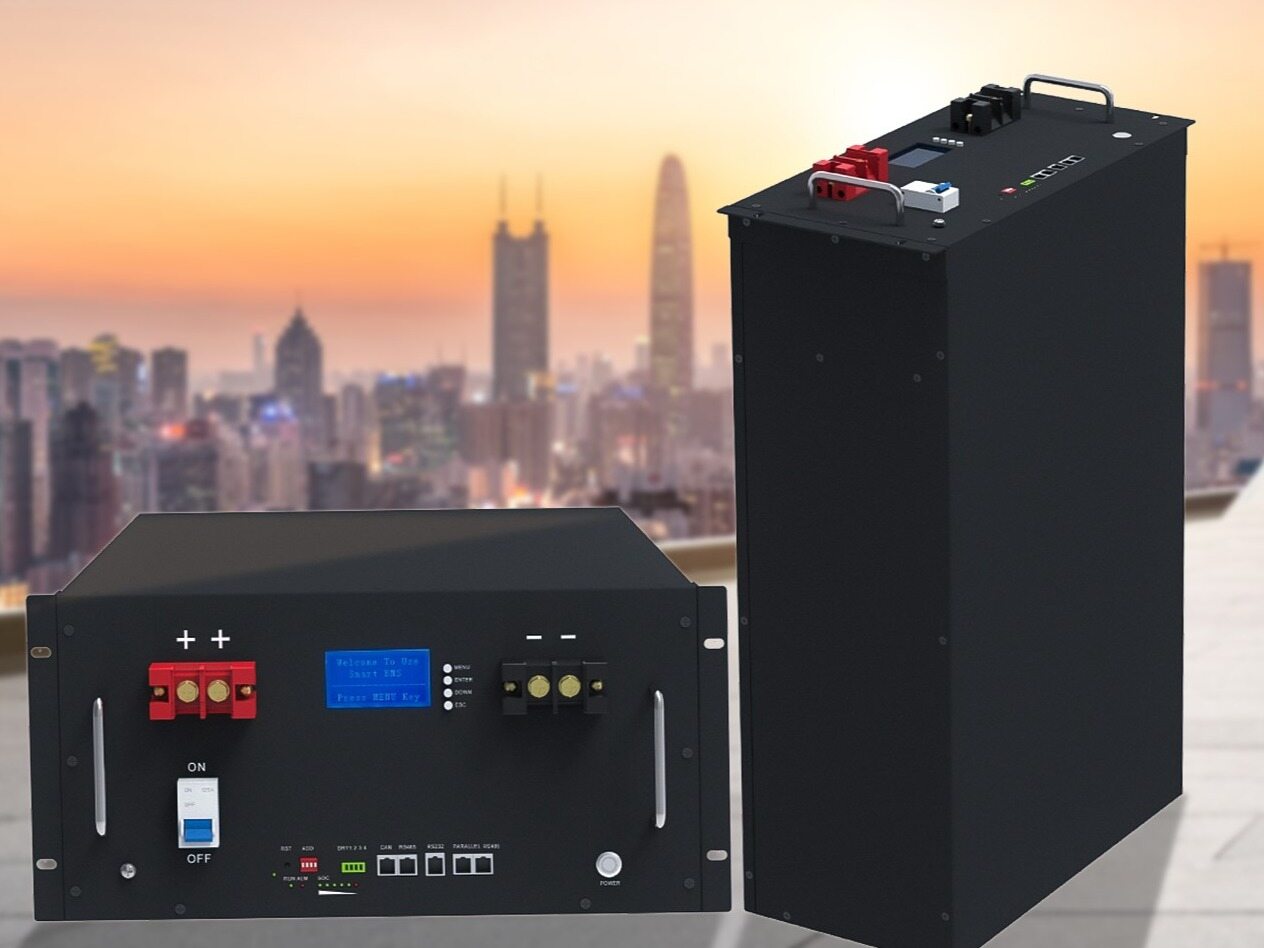
The second round of bidding that has been restarted now shows a more cautious and pragmatic attitude. The bidding scale has been significantly reduced to a capacity of 200-260 kilowatt hours and a power of 100-130 kilowatts, and the procurement budget has also been adjusted to 75000 euros. This transformation is not a retreat from the goal, but an optimization of the strategy - through small-scale pilot projects, EPCG aims to practically verify the applicability of energy storage technology in the Montenegrin power grid environment, accumulating valuable technical data and operational experience for possible large-scale deployment in the future.
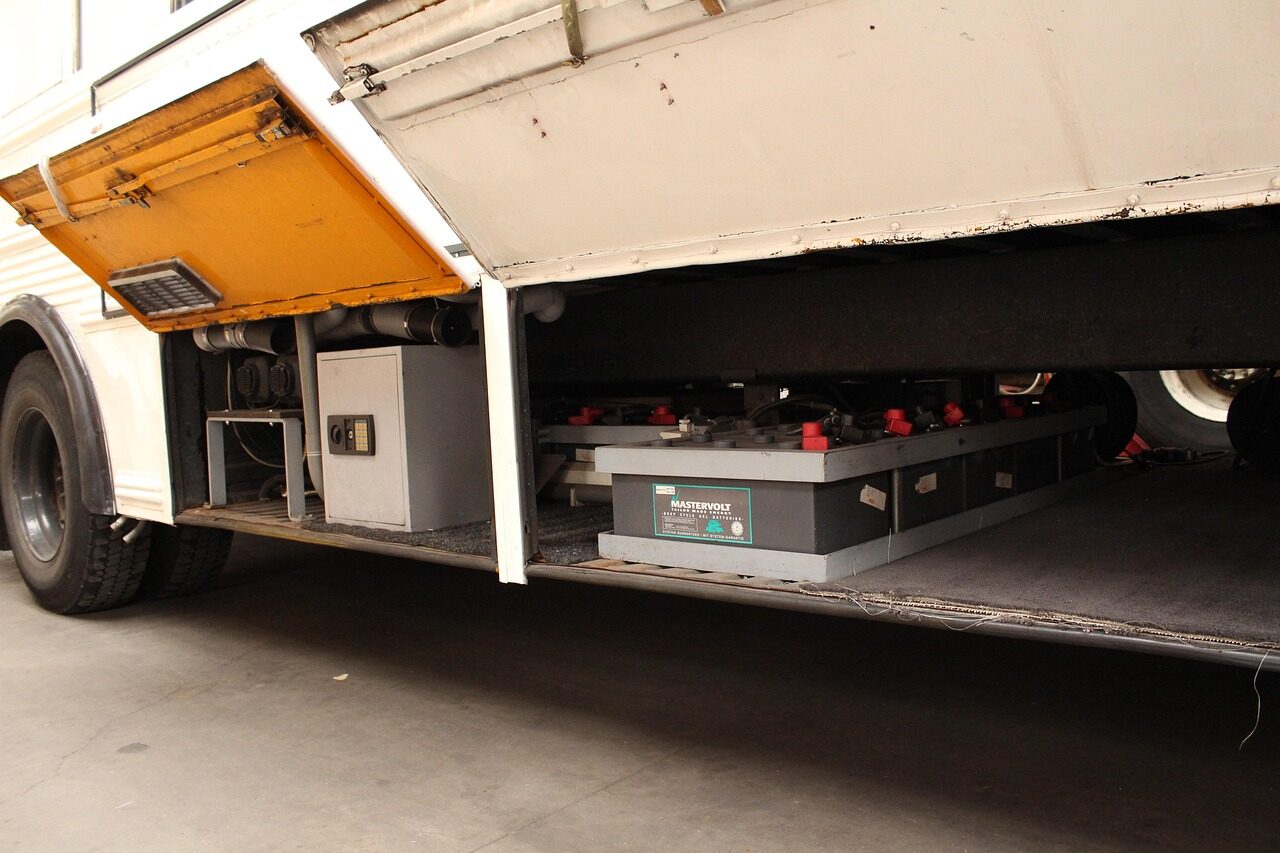
The rapid development of distributed photovoltaics has given rise to new challenges for the power grid
In recent years, Montenegro has made significant achievements in promoting the development of renewable energy. By implementing a series of distributed photovoltaic incentive plans such as Solari 3000+, 500+, and 5000+, the number of "producer consumer" solar power stations in the country's low-voltage distribution network has achieved a leapfrog growth. These small photovoltaic systems distributed on the roofs of thousands of households not only bring clean electricity to households and businesses, but also change the single direction of traditional energy flow.
However, this rapid development has also brought new technological challenges. The original design of traditional distribution networks only considered unidirectional energy flow - from large power plants to end users. Nowadays, when thousands of photovoltaic power plants simultaneously reverse power to the grid during sunny periods, the distribution system is facing unprecedented pressure. Especially during peak electricity consumption periods, the problem of voltage fluctuations in the power grid is becoming increasingly prominent, which not only affects the quality of power supply but also limits the grid's ability to accept more new energy sources.
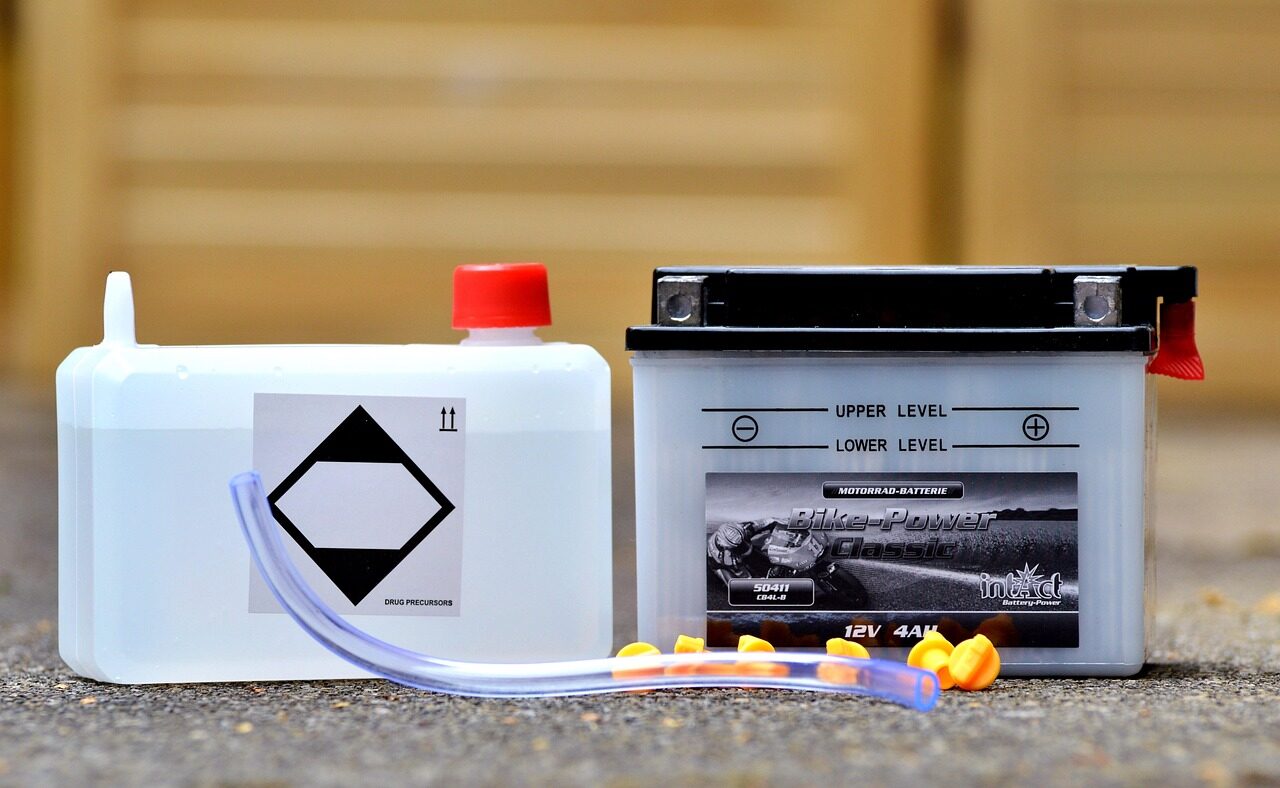
Strategic layout and technical considerations of pilot projects
According to the bidding documents released by EPCG, the pilot battery energy storage system will be deployed on key grid nodes. The three potential installation sites each have strategic significance: the Peru ć ica hydropower station, as an important renewable energy base in Montenegro, the Ž eljezara Nik š i ć steel plant, representing high energy consuming industrial users, and the Pljevlja thermal power plant, which is a typical scenario for the transition from traditional energy to modern power grids. This site selection strategy reflects EPCG's thoughtful evaluation of the performance of energy storage technology in different application scenarios.
The bidding documents emphasize that the winning bidder must ensure that the energy storage system has good "scalability". This technical requirement not only concerns the success or failure of the current pilot project, but also focuses on the possibility of large-scale deployment in the future. EPCG hopes to verify the technical performance of energy storage systems in real power grid environments through this pilot project, evaluate their practical effects in smoothing voltage fluctuations and improving power supply quality, and test their response characteristics under different load conditions.
The energy storage system is planned to be installed in a 10/0.4 kV substation, with a cleverly designed and efficient operation strategy: charging during the daytime when photovoltaic output is high, reducing the impact of reverse power flow on the power grid; Discharge during peak electricity usage and low voltage periods to provide immediate support for the power grid. This operating mode not only stabilizes the local grid voltage, but also enhances the ability of the entire distribution system to accommodate more distributed photovoltaics.
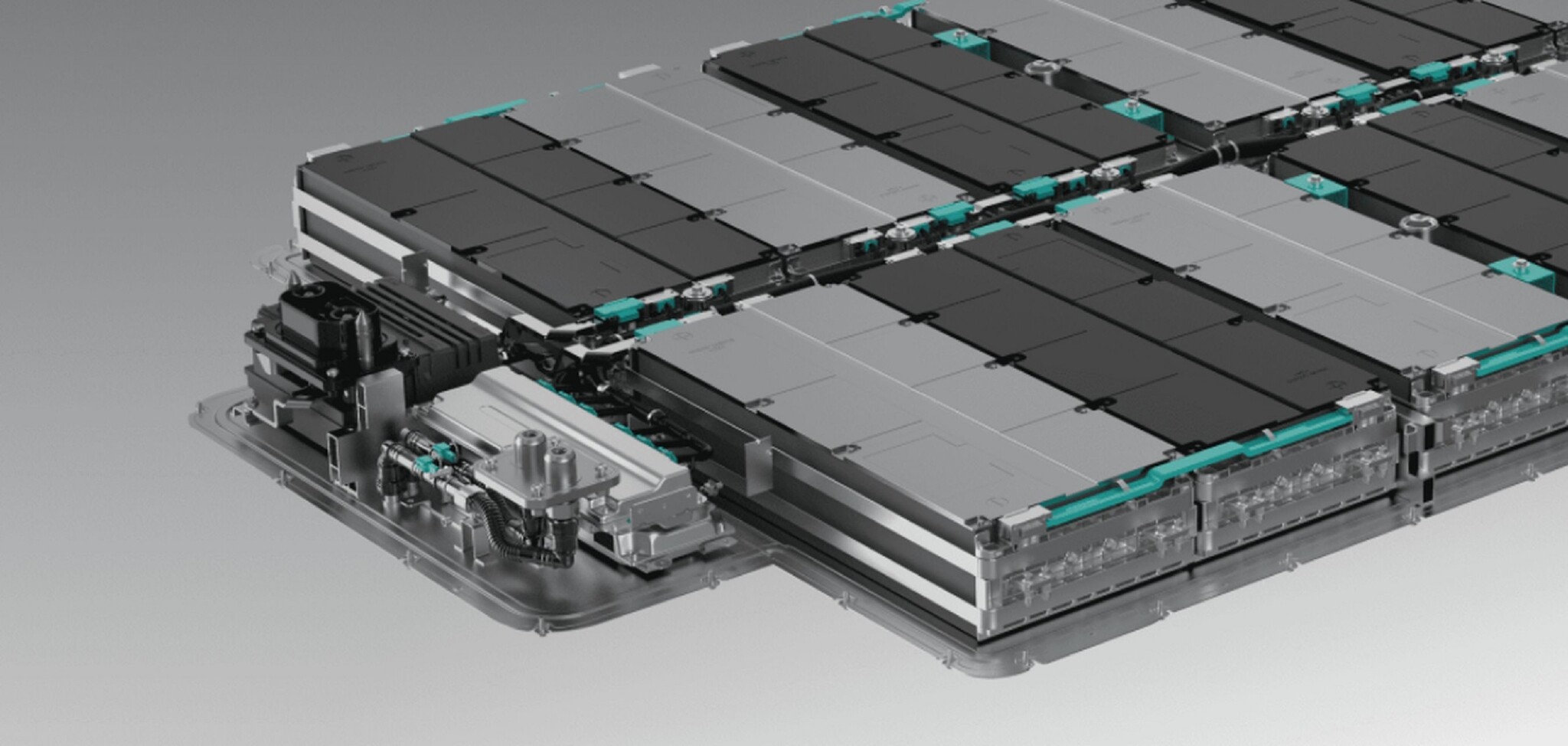
The launch of this pilot project coincides with a critical period for Montenegro to accelerate its energy transition. As a country committed to increasing the proportion of renewable energy, Montenegro faces multiple challenges in balancing energy security, economy, and sustainability. Battery energy storage technology is regarded as an important tool to solve the problem of intermittent renewable energy grid connection. It can not only improve the flexibility and reliability of the power grid, but also optimize the efficiency of existing power generation assets.
Through this pilot project, EPCG hopes to gain first-hand technical data and operational experience, providing decision-making basis for possible larger scale energy storage investments in the future. This cautious and pragmatic attitude reflects the practical considerations faced by many small and medium-sized countries in the process of energy transition - how to promote the modernization of the power grid in the most effective way under limited investment budgets, while ensuring the safe and stable operation of the power system. Keywords: Energy Storage Latest News, Energy Storage New Energy News
As the bidding process progresses, Montenegro will accumulate valuable experience in the application of energy storage technology in the power grid. This pilot project not only concerns the country's own energy future, but also provides practical examples for other countries and regions facing similar challenges. Against the backdrop of the global transition from fossil fuels to renewable energy, Montenegro's exploration has a demonstration significance that transcends national borders. Editor/Yang Beihua
Comment




 Praise
 Collect
 Comment

 Share
Share


Write something~