 Search


- The Hongqi River project is still in the stage of scientific demonstration and has not yet been included in the official national plan
- The Hongqi River Project has a distinct positioning and complementary functions compared to the South to North Water Diversion Project and the Han to Wei River Diversion Project
The uneven spatial and temporal distribution of water resources is the core bottleneck restricting the development of northwest China. This vast land, with an annual precipitation of only 300-400 millimeters but a high evaporation rate of 1500-2000 millimeters, is ecologically fragile and resource development is limited due to water scarcity. Cracking the water crisis has become an urgent task for the Western Development. In this context, the Hongqi River Project emerged, a grand idea aimed at diverting water from the southwest water abundant area to the northwest arid zone, carrying the strategic mission of reshaping the ecological and economic landscape of the northwest.
A cross basin water transfer plan that follows the trend
In 2016, the research group composed of academicians and professors took the lead in proposing the preliminary scheme of the Hongqi River project, which plans to take water from the the Yarlung Zangbo River, Nu River, Lancang River and other high altitude rivers in the southwest, and build a 6188 km water transmission line along the edge of the Qinghai Tibet Plateau. The project cleverly utilizes the natural terrain drop to achieve full self flowing water transportation, and plans three supporting branches: Hongyan River, Mobei River, and Chunfeng River, covering arid areas such as Xinjiang, Shaanxi, and Inner Mongolia. It is expected that the annual water transfer volume will reach 60 billion cubic meters, equivalent to the annual runoff of 1.3 Yellow Rivers, injecting "living water" for ecology and development into the northwest land.

The path of argumentation first
As of now, the Hongqi River project is still in the stage of scientific demonstration and has not yet been included in the official national plan, but the preliminary preparation work has steadily progressed. The research team has completed multiple rounds of geological exploration along the route, gaining a deep understanding of complex geological conditions such as seismic active zones and frozen soil areas; Ecological impact assessment is carried out simultaneously, striving to minimize the disturbance of the project to the environment. It is worth noting that its supporting water source project, the Yarlung Zangbo River Hydropower Station, has been started in 2025. This giant power station on the plateau will not only provide stable water sources for water transfer, but also accumulate experience in engineering construction under high altitude and complex geology, laying the foundation for the implementation of the Hongqi River project.
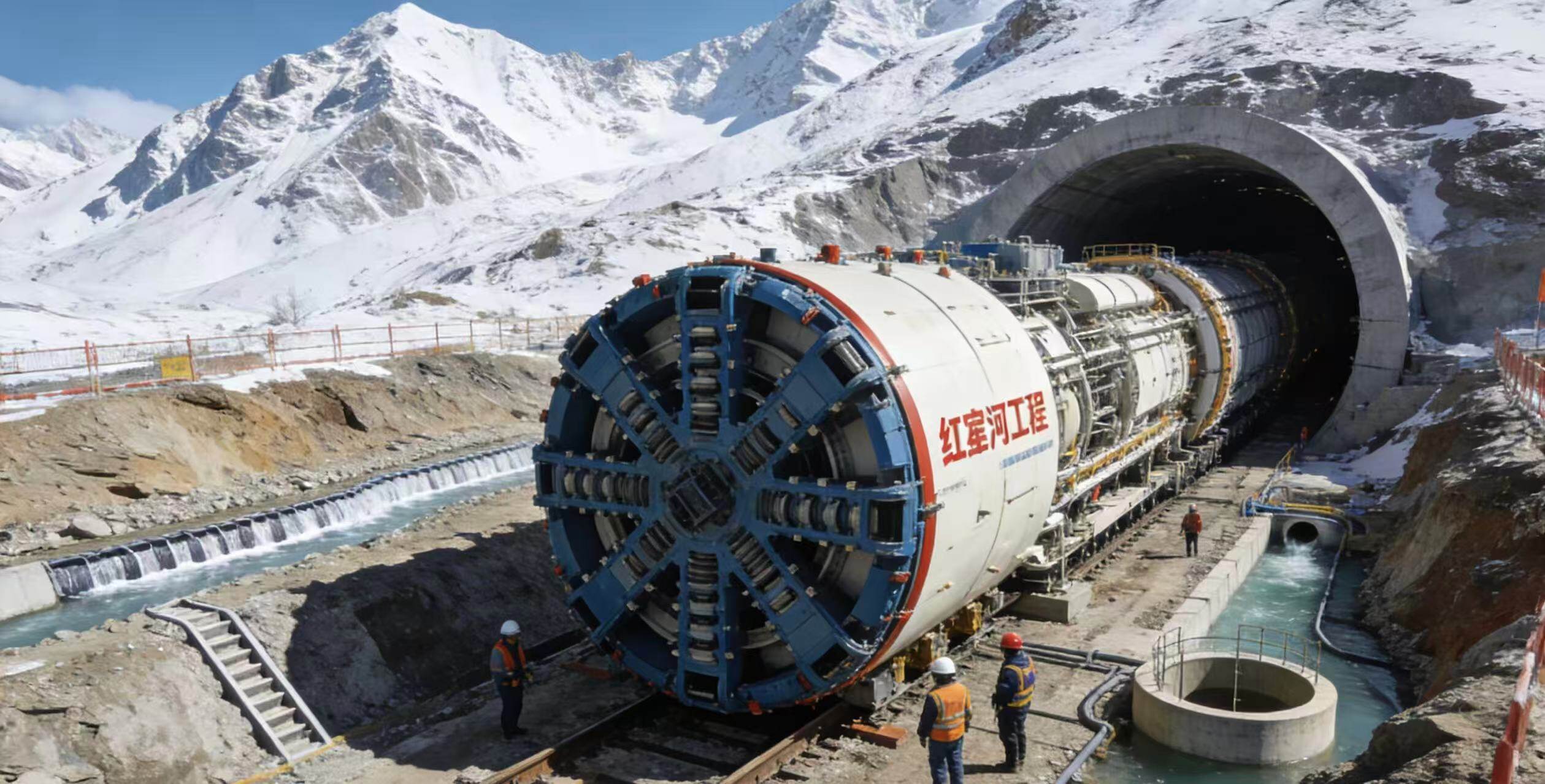
The triple test of geology, ecology, and geopolitics
The advancement of engineering faces many world-class challenges. At the geological level, it is necessary to cross earthquake prone areas such as the Hengduan Mountains, with tunnel construction accounting for over 40%, which places extremely high demands on shield tunneling technology and seismic design; At the ecological level, water diversion involves international rivers and requires coordination of cross-border water resource allocation among downstream countries, while also preventing risks such as soil salinization and vegetation degradation in the arid northwest region after water diversion; At the investment and geopolitical level, the estimated total investment of over 4 trillion yuan needs to be supported by diversified financing mechanisms, and a balance needs to be sought between water resource sovereignty and international cooperation to cope with potential geopolitical pressures.
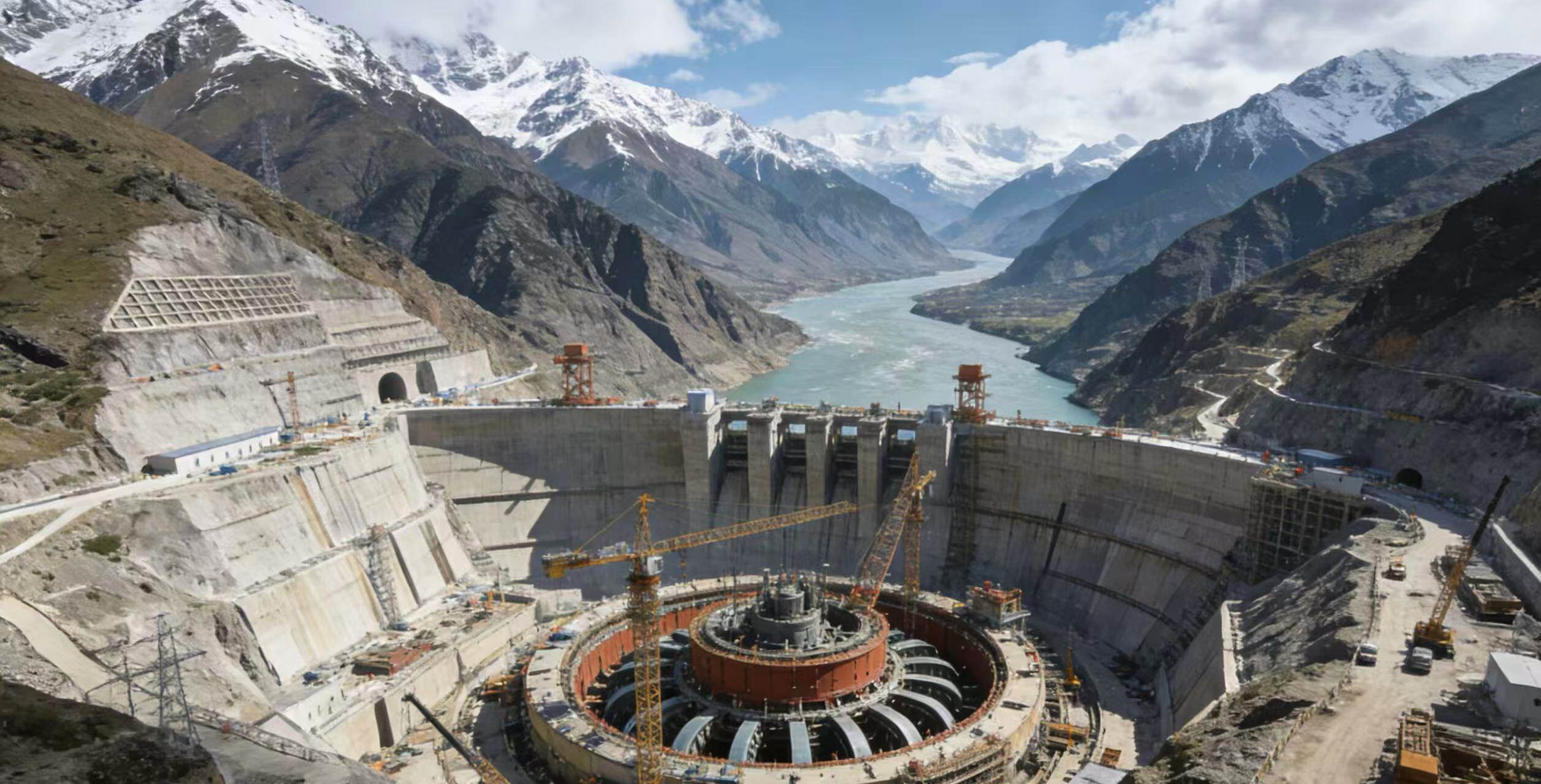
Strategic complementary water resource allocation pattern
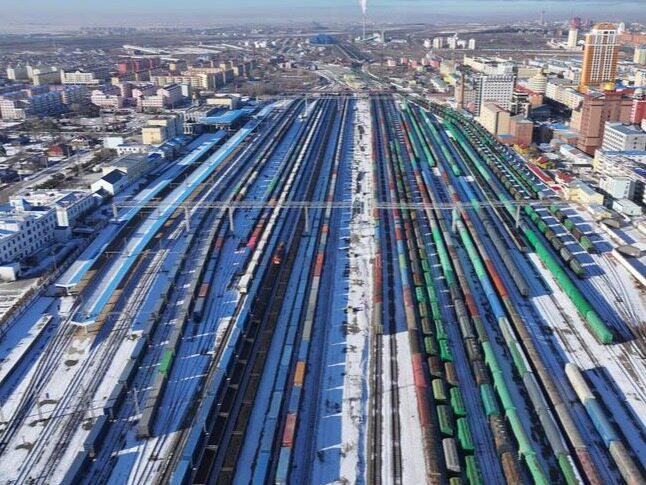
The Hongqi River Project has a distinct positioning and complementary functions compared to the South to North Water Diversion Project and the Han to Wei River Diversion Project. The South to North Water Diversion Project focuses on the use of water for daily life, industry, and agriculture in North China and the Beijing Tianjin Hebei region, addressing the urgent need to quench thirst; The Han River to Wei River diversion project is a regional water transfer project serving the Guanzhong Plain, like "capillaries" nourishing the local area; The Hongqi River project can be regarded as the "main artery" of water resource allocation in Northwest China. With a large-scale water transfer, it solves the ecological and development dilemma, helps Xinjiang build the "second largest granary", constructs an oasis economic belt along the Hexi Corridor to Central Asia, and jointly weaves a national water resource optimization network with existing projects. If implemented, the Hongqi River project will realize the two-way adjustment of "southwest flood" and "northwest drought", curb the expansion of the Taklimakan desert, divert the pressure of China Europe regular train transportation, inject strong impetus into the construction of the inland fulcrum of the "the Belt and Road", and write a new chapter of China's water conservancy projects from "solving survival" to "leading development".
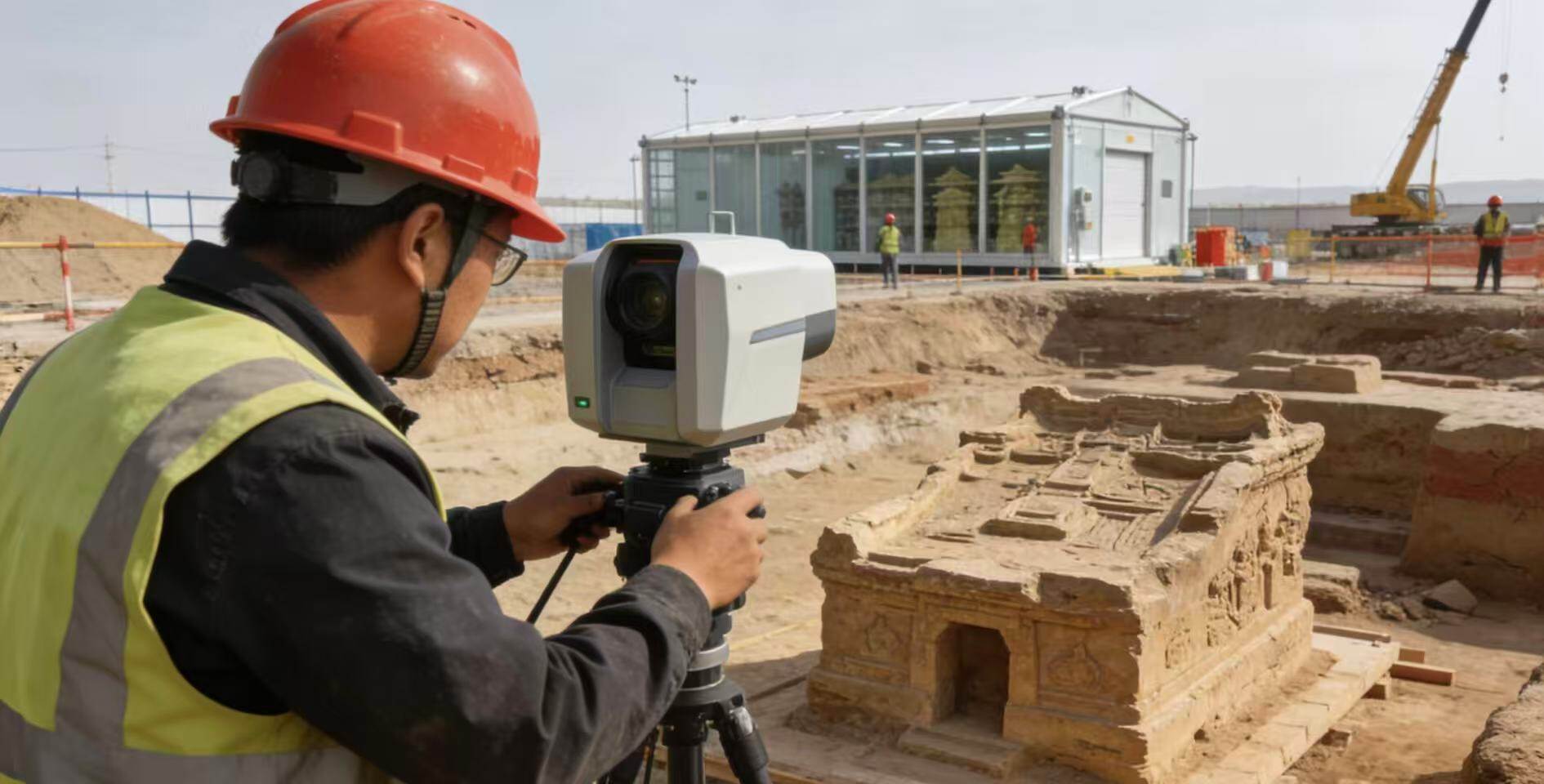
Although the implementation of the Hongqi River project still requires multiple tests such as technology, ecology, and geography, the strategic value carried by this century long concept has already surpassed the project itself. It is not only a key lever to solve the water resource dilemma in the northwest, but also an important engine to promote the development of the western region and regional coordinated development, providing a Chinese solution for China to explore new paths in the field of global water resource optimization and allocation. In the future, with the continuous deepening of scientific research and the continuous upgrading of technological means, this grand plan to draw up the blueprint for northwest water conservation will eventually become a reality step by step in overcoming difficulties, and irrigate the vast northwest land with vibrant vitality for the coordinated development of ecology and economy.Editor/Bian Wenjun
Comment


 Praise
 Collect
 Comment

 Share
Share


Write something~