 Search


Energy storage
Three hydropower stations reshape the foundation of industrialization in Guinea
01-12
Under the global energy transition wave, the North African country of Egypt is becoming a new battlefield for international capital competition with its unique solar energy resources and clear renewable energy development goals. With the steady advancement of the 2035 Comprehensive Energy Strategy, this country spanning Asia and Africa is leveraging iconic solar energy storage projects as a pivot to drive the leapfrog development of the new energy industry.
In early 2026, a financing approval from the International Finance Corporation (IFC) pushed the heat of Egypt's new energy market to a new high - it teamed up with Dubai developer AMEA Power and Japan's Kyushu International to inject $570 million in senior debt funds into a giant solar storage project in Aswan province. This funding comes from multiple sources, including IFC's own funds, the Organization of the Petroleum Exporting Countries' International Development Fund, and other institutions, supporting this benchmark project with a total investment of 700 million US dollars.
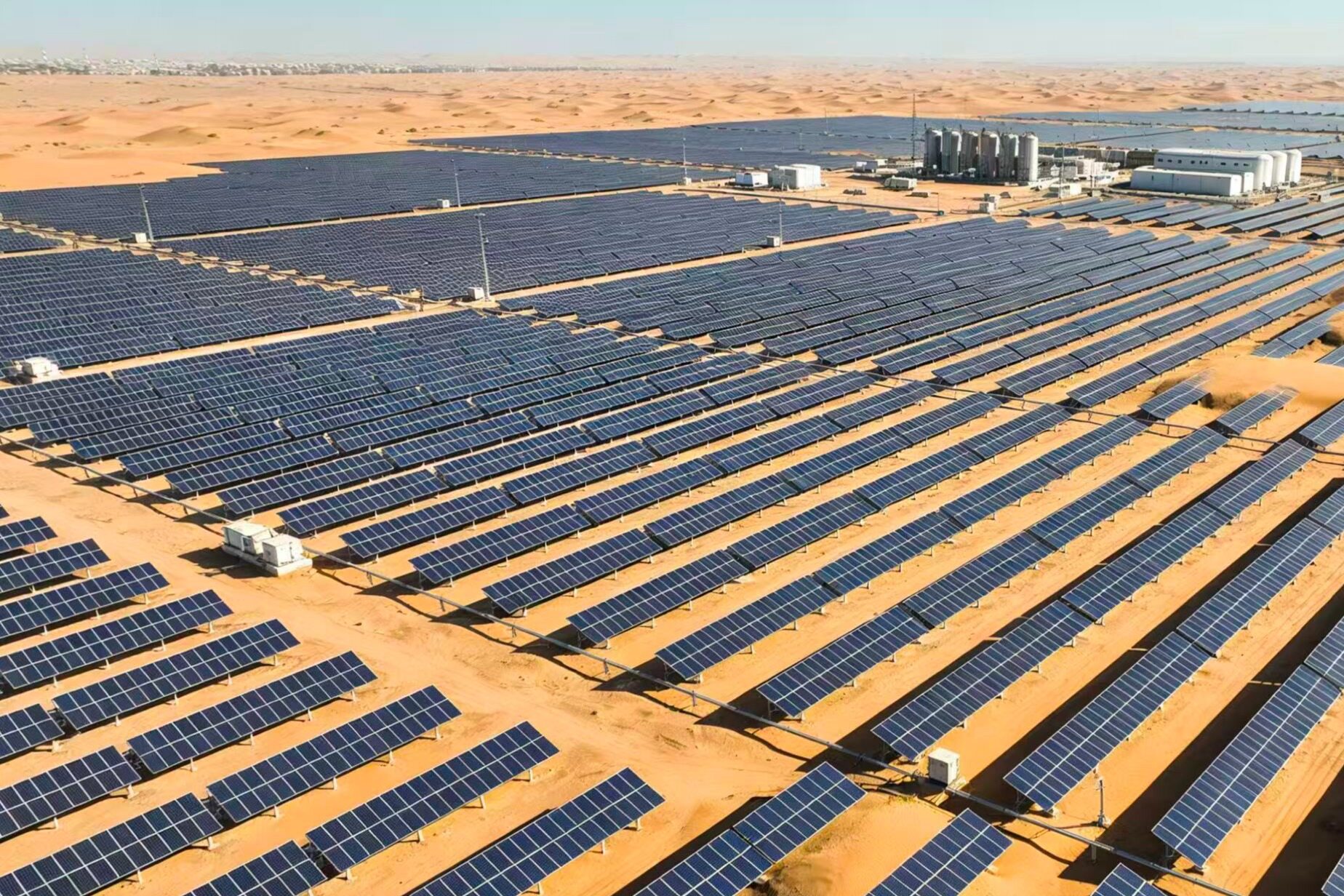
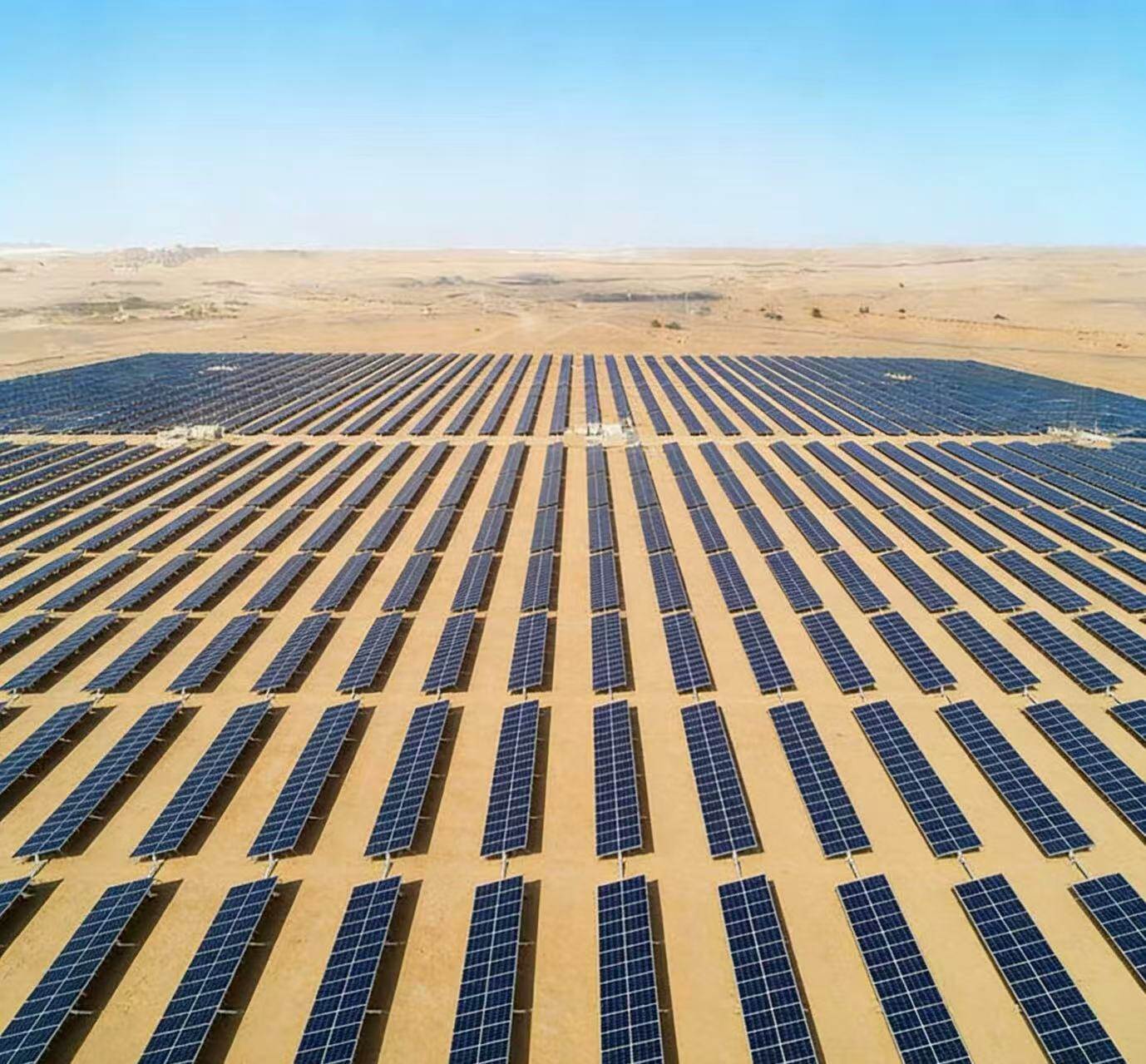
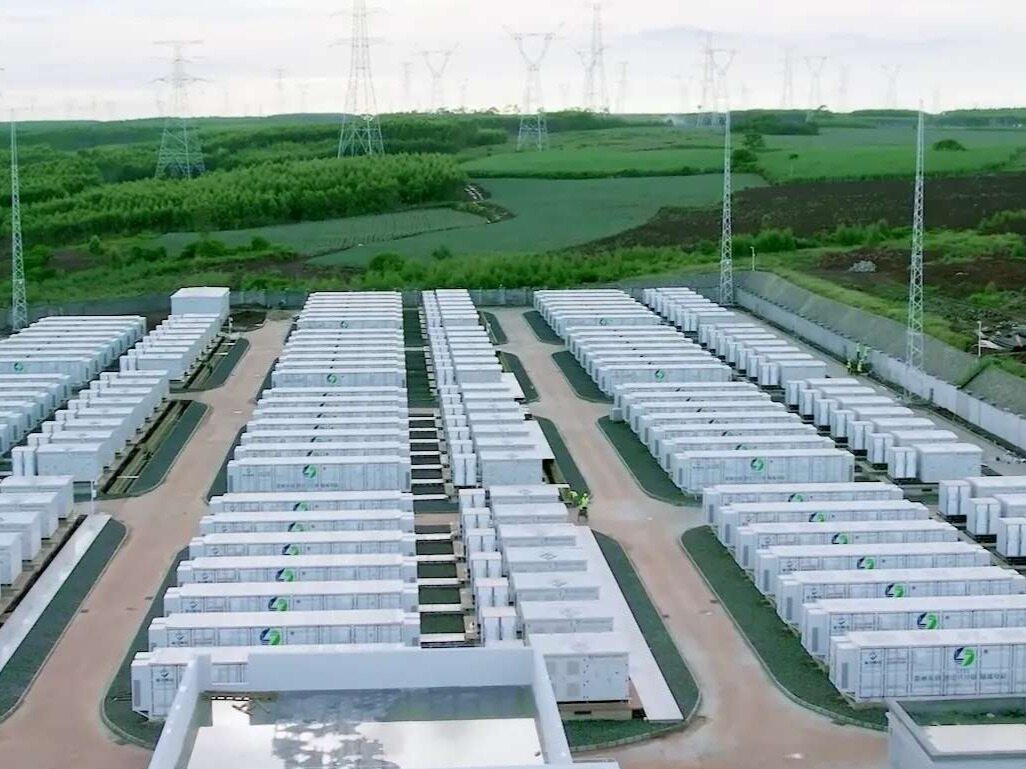
The planned Aswan project, which includes a 1GW photovoltaic power station and a 600MWh supporting battery energy storage system, is expected to be put into operation in June 2026 and will firmly hold the top spot as the largest project of its kind in Africa. It is worth noting that this is not AMEA Power's first foray into the Egyptian market. Previously, this Dubai company had landed its first large-scale solar storage project locally - a 500MW photovoltaic system paired with a 300MWh energy storage system, which also received financing support from IFC. In terms of equity structure, AMEA Power holds a dominant position with a 60% stake, while Kyushu International (a subsidiary of Kyushu Electric Power) holds a 40% stake. The two sides signed a memorandum of understanding as early as June 2025, finalizing a blueprint for deep cooperation in the fields of renewable energy and green hydrogen in the future.
The implementation of the Aswan project is a crucial step in Egypt's pursuit of its 2035 energy target. According to the 2035 Comprehensive Energy Strategy, Egypt plans to increase the proportion of renewable energy generation to 42% by 2035, with solar installed capacity accounting for about 22%. This means that Egypt will need to add 31GW of photovoltaic installed capacity in the next decade. The huge market gap is attracting global capital in droves.
The actions of European energy giants are equally swift. Scatec, a Norwegian company, has recently secured $479 million in financing, which will be fully invested in the construction of the Obelisk project in the Nagaa Hammadi region of Egypt. The project plans to construct a 1.1GW photovoltaic power station, equipped with a 100MW/200MWh energy storage system. Currently, Scatec has completed equity transactions with institutions such as Norfund and EDF to accelerate the project's implementation process.
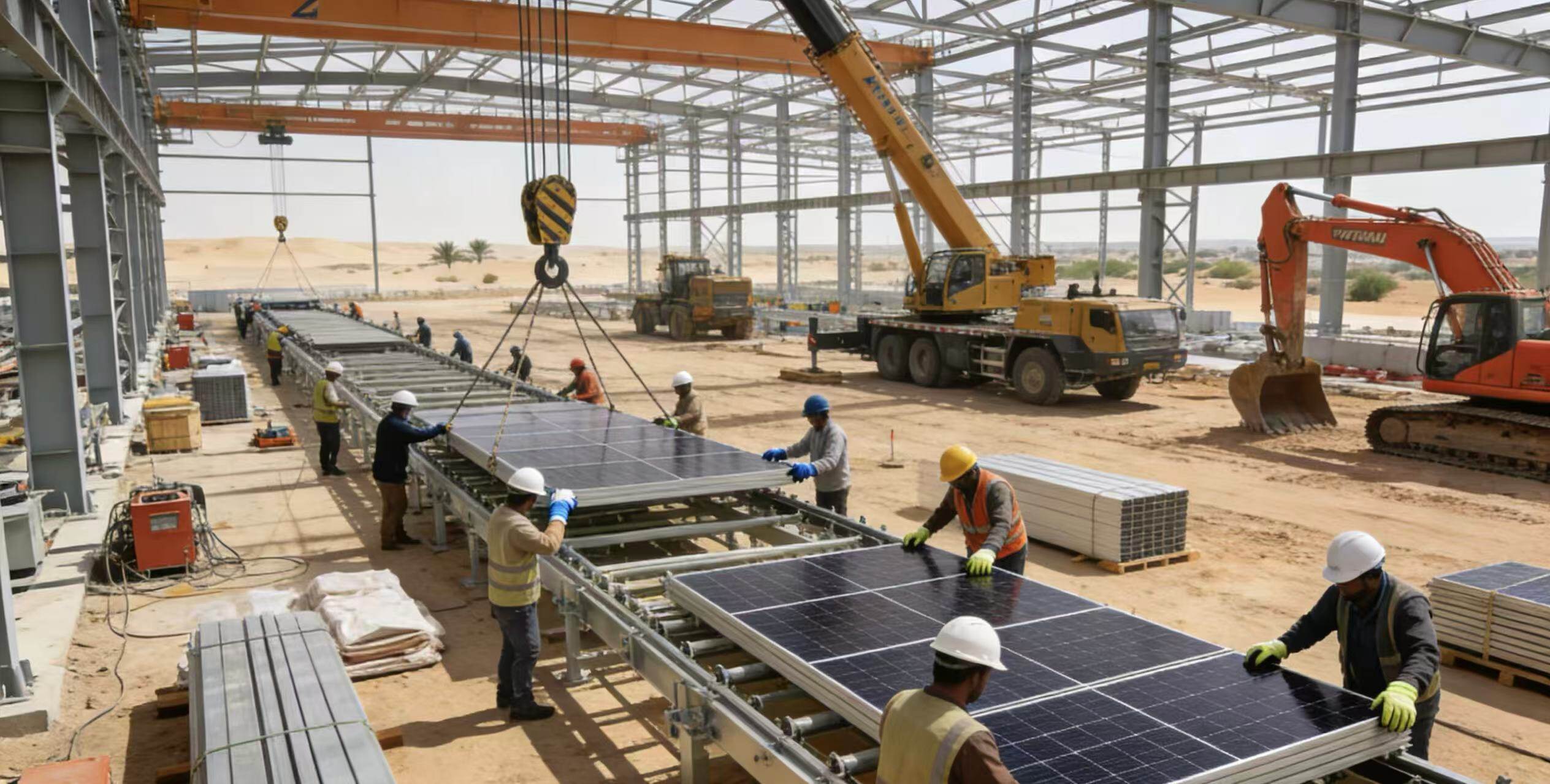
Chinese companies have also demonstrated strong layout capabilities in the competition of this new energy track. The ATUM Solar complex project, led by JA Solar, has officially started construction in Egypt. This industrial project with a total investment of 210 million US dollars will build three core factories: a 2GW photovoltaic panel factory (focusing on export markets), a 2GW module factory, and a 1GWh energy storage system production line (serving local and regional markets). The project is jointly promoted by JA Solar, Egypt's AH company, UAE's Global South Utilities, and Bahrain's Infinity Capital. At the groundbreaking ceremony, Egyptian Deputy Prime Minister Kamel El Wazir and other political figures were present, which shows the official attention to the project. According to the official statement of Egypt, the ATUM Solar complex can not only fill the gap in the local clean energy industry chain, but also create a large number of job opportunities, effectively reducing the country's dependence on the import of clean energy equipment.
From the injection of funds from international financial institutions to the industrial chain layout of multinational corporations, the competitive landscape of Egypt's new energy market has already taken shape. Driven by both policy dividends and market demand, this capital competition around solar energy and energy storage is profoundly rewriting the energy landscape of North Africa.Editor/Bian Wenjun
Comment

 Praise
 Collect
 Comment

 Share
Share


Write something~