 Search


- Chinese investors plan to invest approximately $1.4 billion to increase their annual transportation capacity to 2.4 million tons
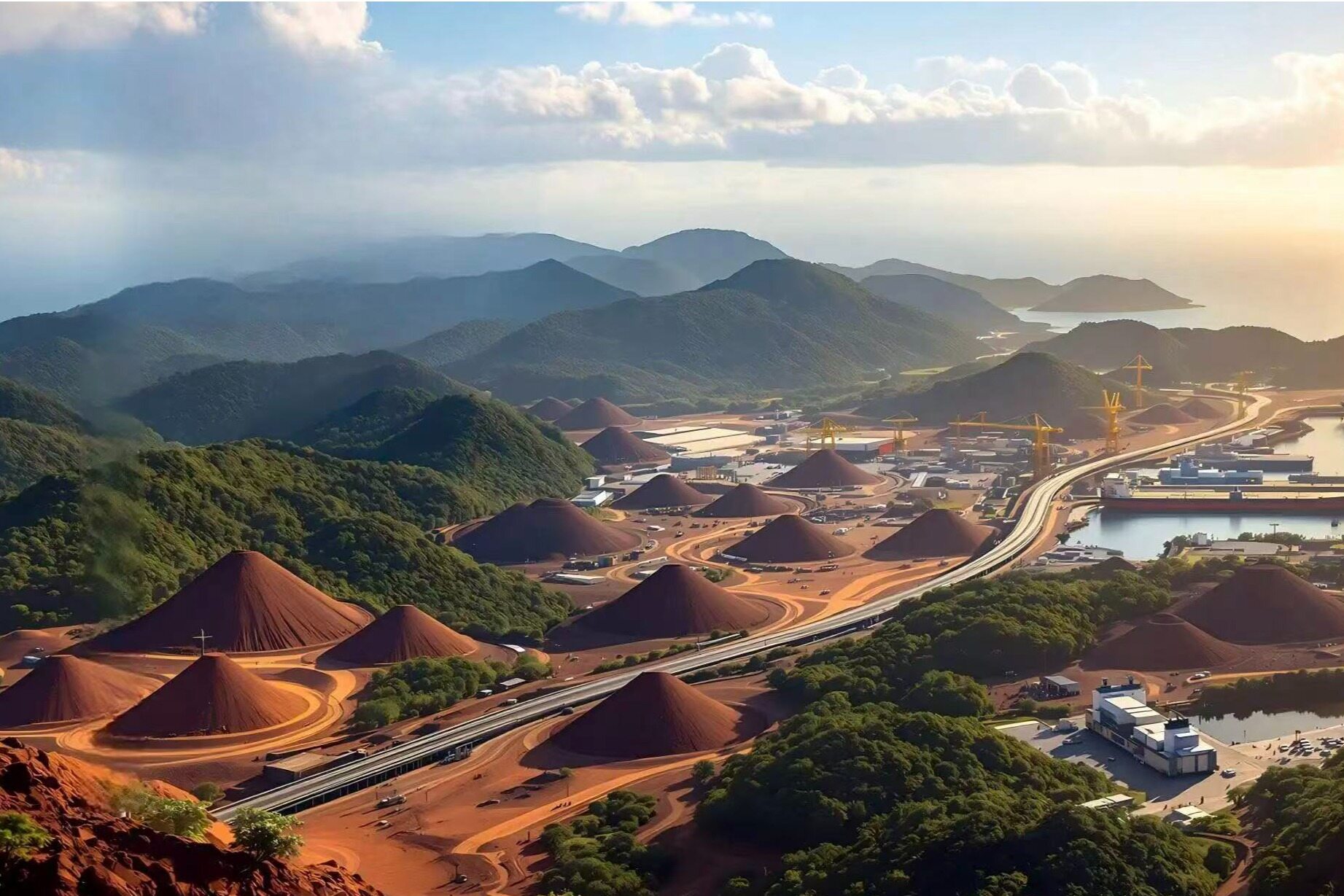
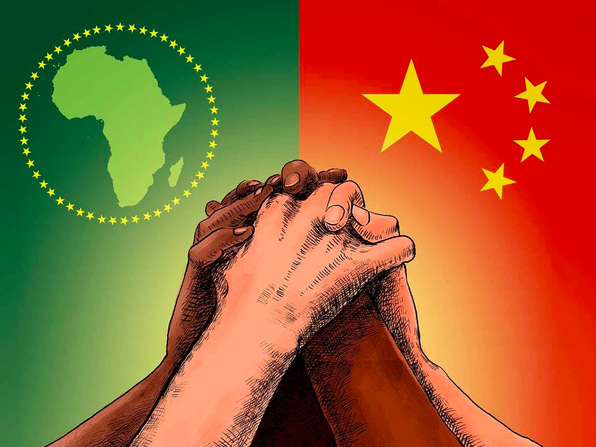
Africa is building two railway projects worth billions of dollars. One leads to the west, and the other leads to the east. One is supported by Western countries, and the other is supported by China. The goal of both projects is to transport a large amount of critical minerals.
African Resource Railway Big Horn Power
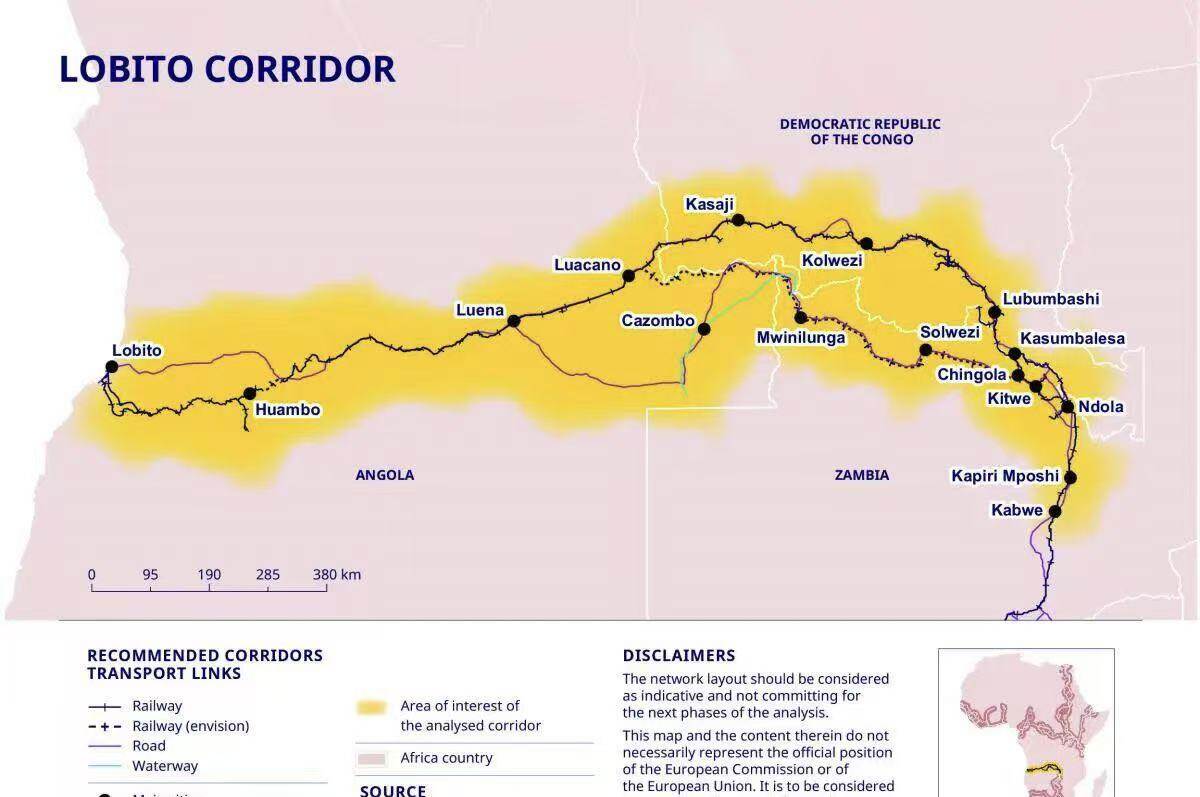
The Lobito railway corridor is planned to be completed by 2030, with a total investment of up to 6 billion US dollars. This 1700 kilometer (approximately 1050 mile) railway will primarily transport minerals such as copper and cobalt from the Democratic Republic of Congo (DRC) and Zambia, ultimately reaching the port of Lobito in Angola (as shown in the figure below).
Most of the funding comes from the United States and Europe, aimed at upgrading existing railways and building new lines to increase annual capacity to 4.6 million tons.
Extending eastward to Tanzania is the TAZARA Railway, a 1860 kilometer long railway that connects mineral rich regions of Zambia and the Democratic Republic of Congo with a port along the Indian Ocean coast, shortening the journey to China and other Asian markets.
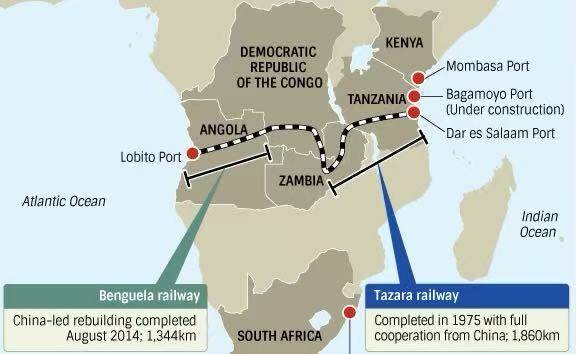
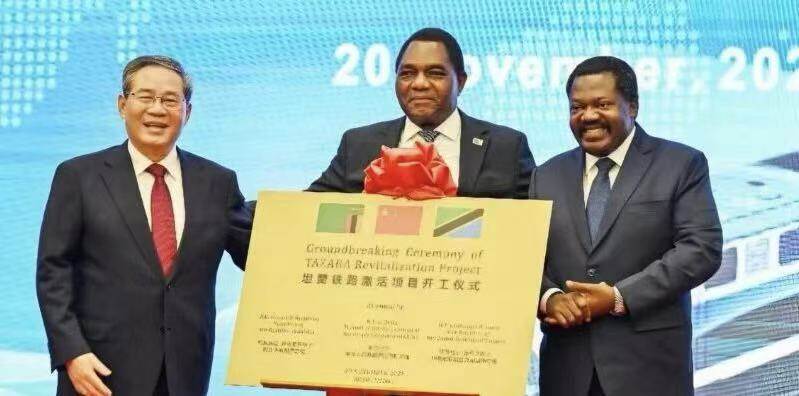
Similar to the Lobito project, the Tanzania Zambia Railway is also a renovation of a colonial era railway, with Chinese investors planning to invest approximately $1.4 billion to increase its annual capacity to 2.4 million tons.
These two projects symbolize how world powers seek to acquire and control the mineral resources needed for industrial economy and energy transformation. But they also demonstrate the vastly different approaches of Western countries and China in achieving supply security goals.
African countries are in an awkward situation, as they have abundant resource endowments but suffer from a lack of coordinated policies to ensure that they are not exploited by powerful countries. In addition, they often struggle due to poor governance and inability to provide stable and reliable investment mechanisms.
Compared to colonizing and conquering Africa two centuries ago, African countries now have more choices. They can establish rules and decide who to collaborate with. If chosen properly, they will benefit from increased investment, job opportunities, and growth in tax and royalty revenue.
The current models offered are slightly different, with most Western countries leaning towards private operators, supplemented by public cooperation and financial support, to build mining and transportation infrastructure.
The United States' active pursuit of latecomers
A major highlight of the Mining Indaba held in Cape Town, South Africa in early February was that the United States changed its strategy, abandoning President Donald Trump's exaggerated and combative rhetoric and instead focusing on promoting trade and investment.
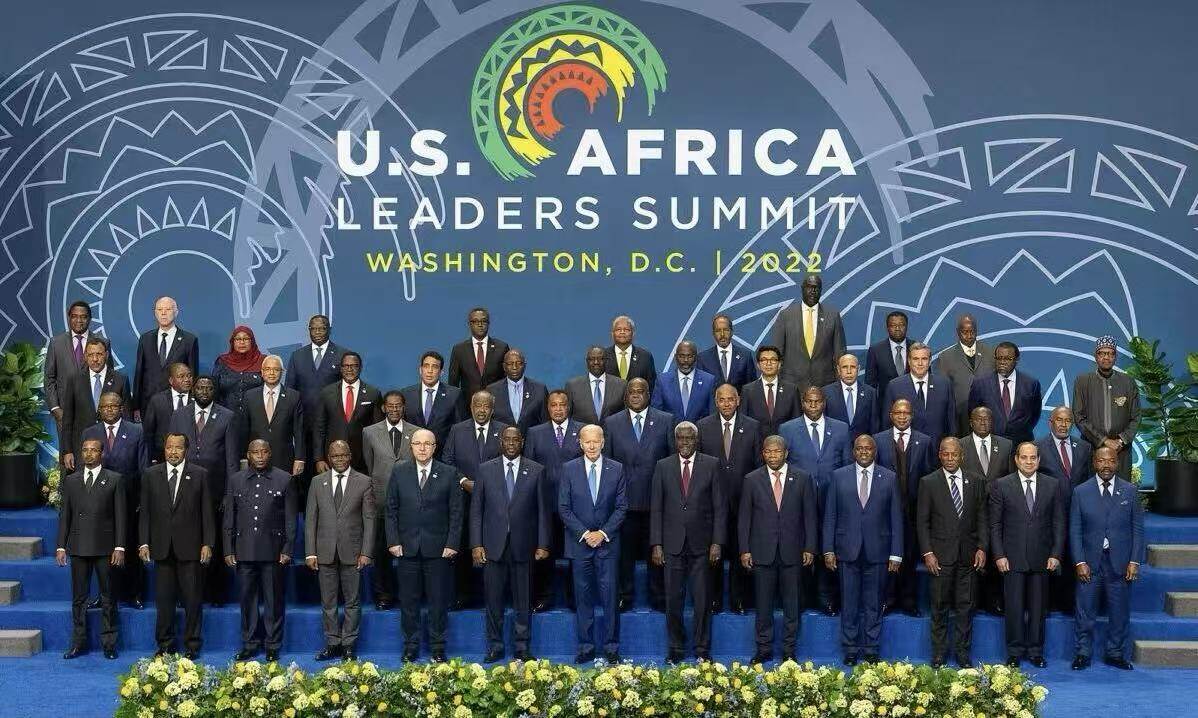
American officials may have tacitly acknowledged the fact that insulting countries that require their resources is not a wise move. Despite this, they still spare no effort in promoting the attractiveness of American capital for investment and express their willingness to effectively take risks for mining projects by guaranteeing sales and prices.
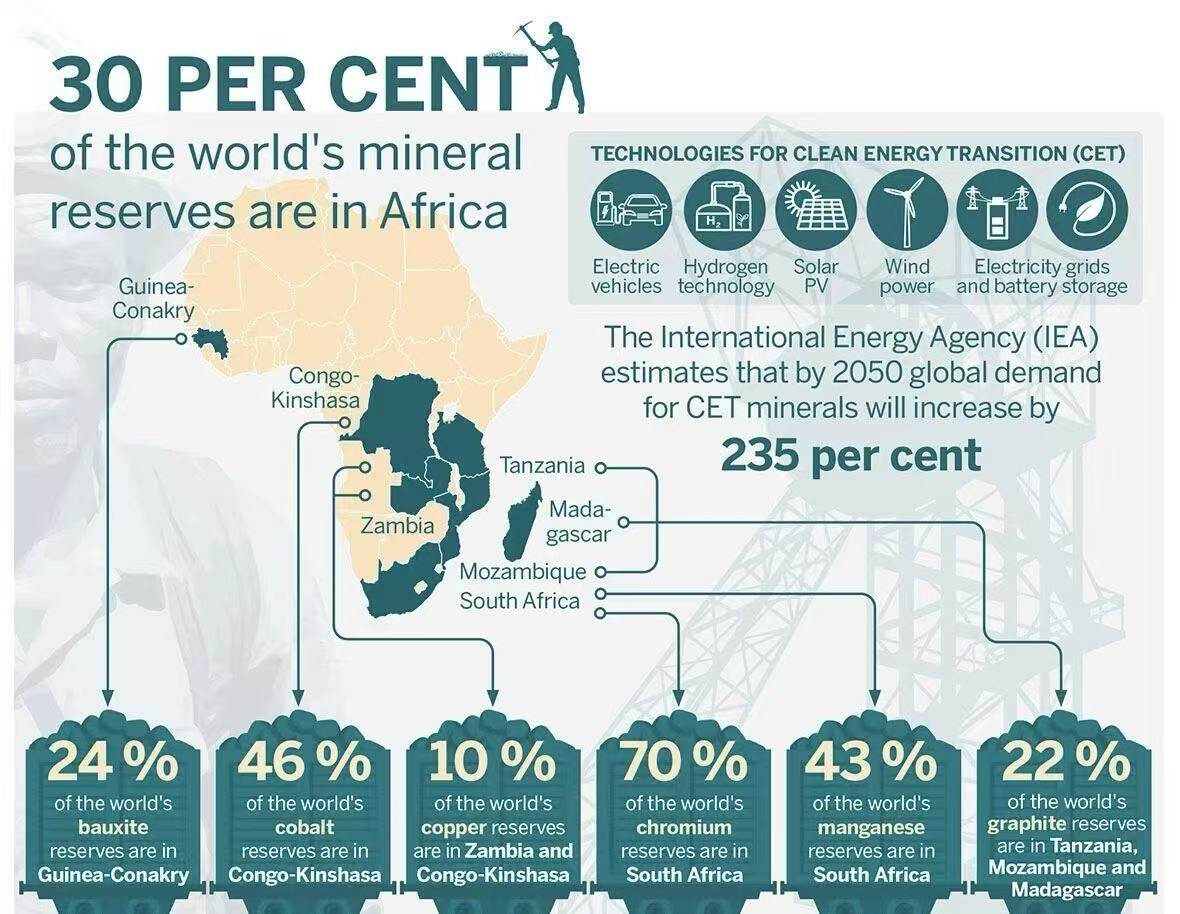
If the United States really takes this path and African countries can put aside Trump's previous insults and measures to cut US aid, then new mining and infrastructure construction is likely to be promoted.The key mineral 'treasury' planned by the United States requires resources from Africa. The conference attended by over 50 countries last week indicates that the Trump administration seems to take the construction and guarantee of metal supply seriously.
Is the effort of the United States (and to a lesser extent, the European Union) sufficient to free African countries from their dependence on Chinese investment?
After all, Chinese companies often venture into various aspects such as mineral exploration, construction, operation, and transportation, and their investments in Africa are more comprehensive. For example, the Simandou large iron mine in Guinea is gradually increasing its production capacity, ultimately reaching an annual capacity of 120 million tons.
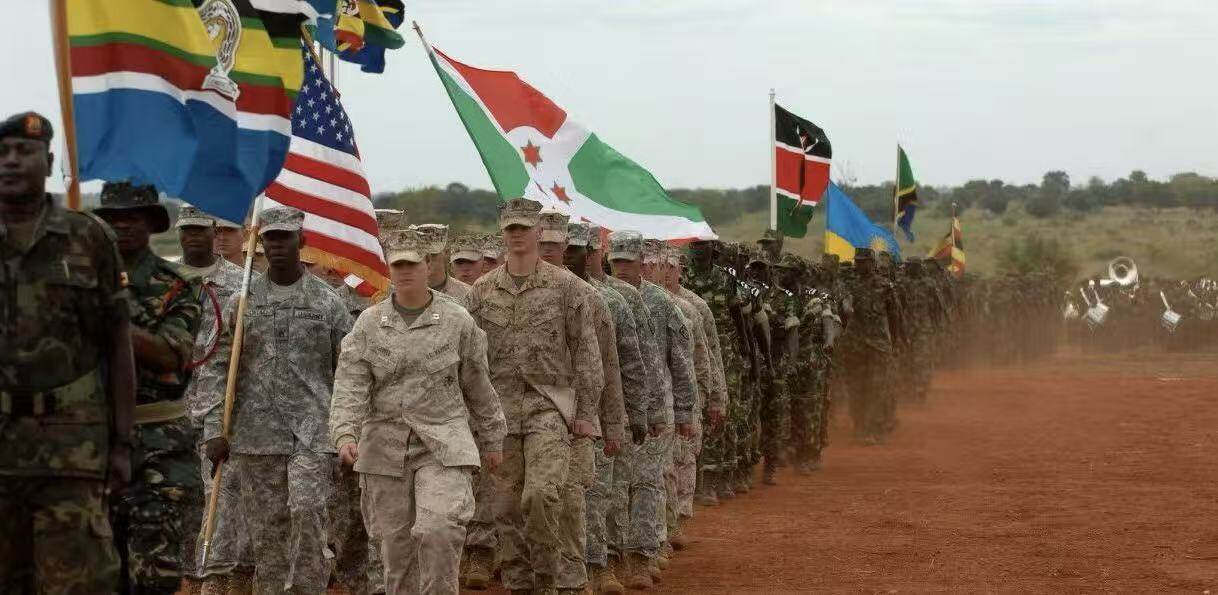
For many years, the project has been progressing slowly due to Western companies' difficulty in formulating practical and feasible economic plans
But China's investment and technological strength have revitalized the project, and although Rio Tinto is a minority shareholder, almost all of Simandou's iron ore will flow to China.
China also has a strong first mover advantage in Africa and has been active in the African market for decades.
The next question is whether Western countries and their trading and mining companies can offer more favorable conditions.
It is almost certain that more investment will flow into Africa to develop its abundant mineral resources, which will promote competition and reduce project risks.
Is the return on this investment substantial enough to benefit everyone? Yes, but this requires considerable effort and cooperation, and Africa's record in this regard is not ideal. At best, it can only be considered as barely passing.
Comment


 Praise
 Collect
 Comment

 Share
Share


Write something~