 Search


- The commissioning of Simandou Iron Mine is a milestone in China's overseas resource layout
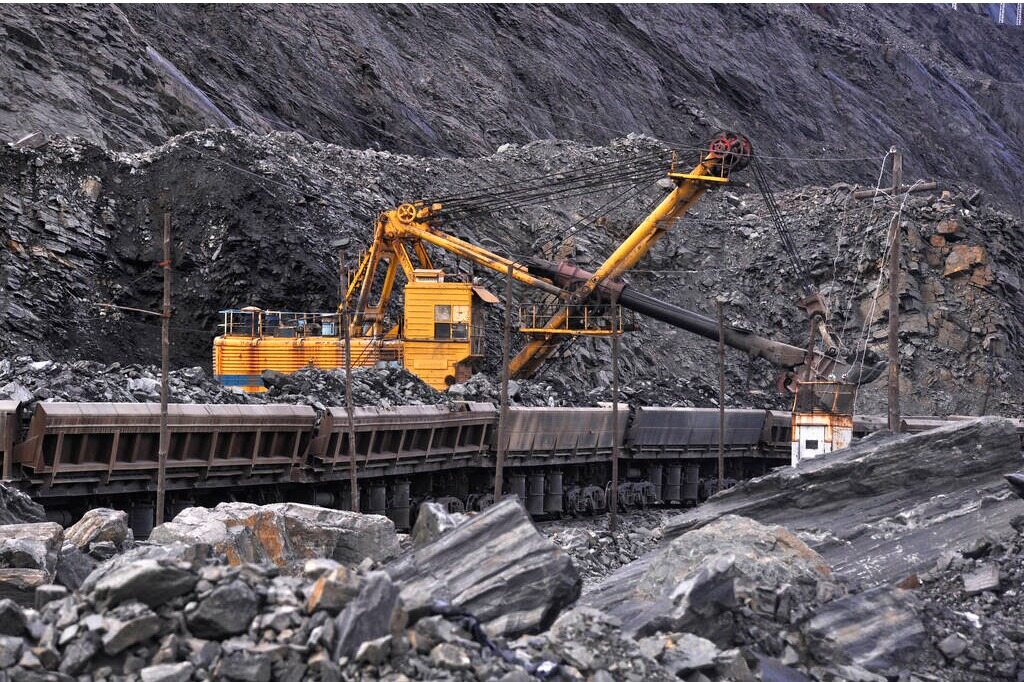
A giant ship loaded with 200000 tons of high-grade iron ore, after 46 days and spanning 11000 nautical miles, has steadily docked at Majishan Port in Zhoushan. The cargo ship named "Weili Youth" is carrying the first batch of ore from the Ximengdu iron mine, which is known as the "pearl of the mining industry". Its arrival not only marks China's first overseas super iron ore project officially opening up the entire industry chain, but also signifies a historic reshaping of the global iron ore market, which has maintained an oligopolistic monopoly pattern for thirty years.
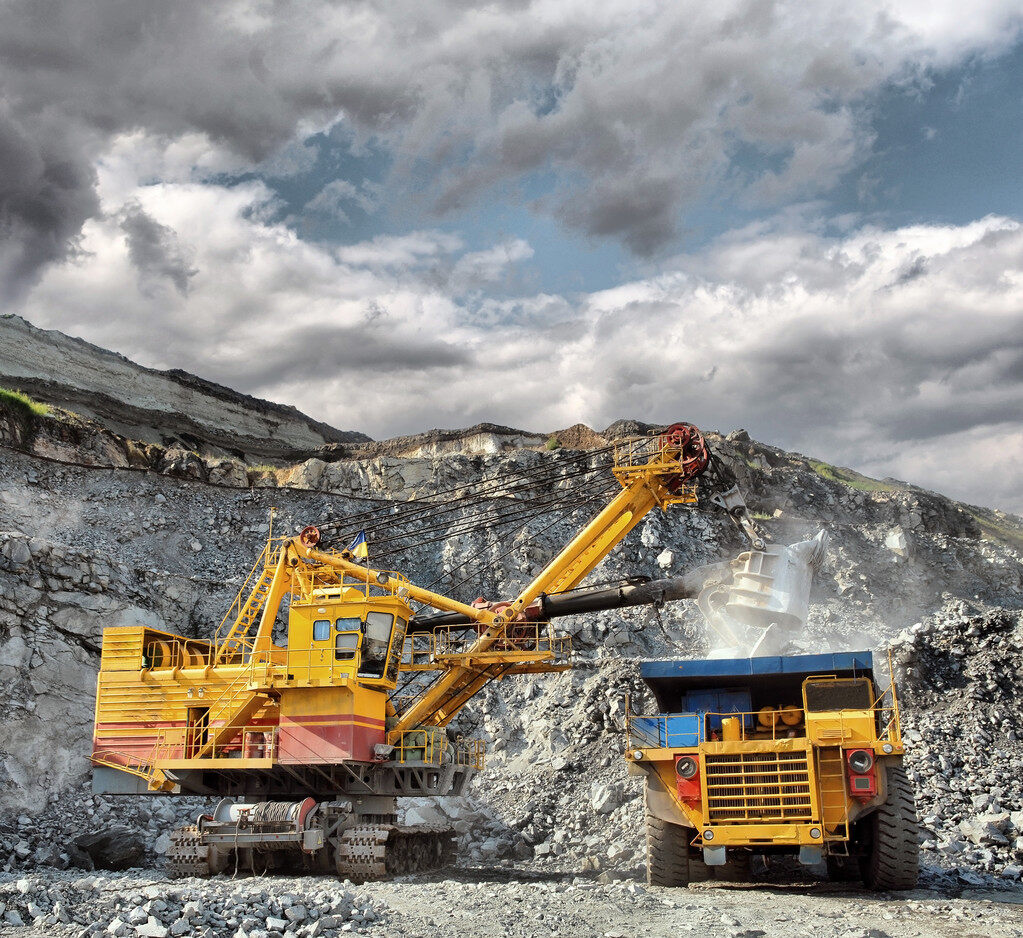
Sleeping giant mine awakens
As the "Weili Youth" ship slowly docks, the first batch of 200000 tons of high-grade iron ore from Ximengdu Iron Mine has officially arrived in China. This batch of ore set sail from Maribaya Port in Guinea on December 2, 2025, crossing the Atlantic and Indian Oceans, and finally arriving in China, marking the official commercial operation stage of this world-class iron mine that has been dormant for nearly 30 years.
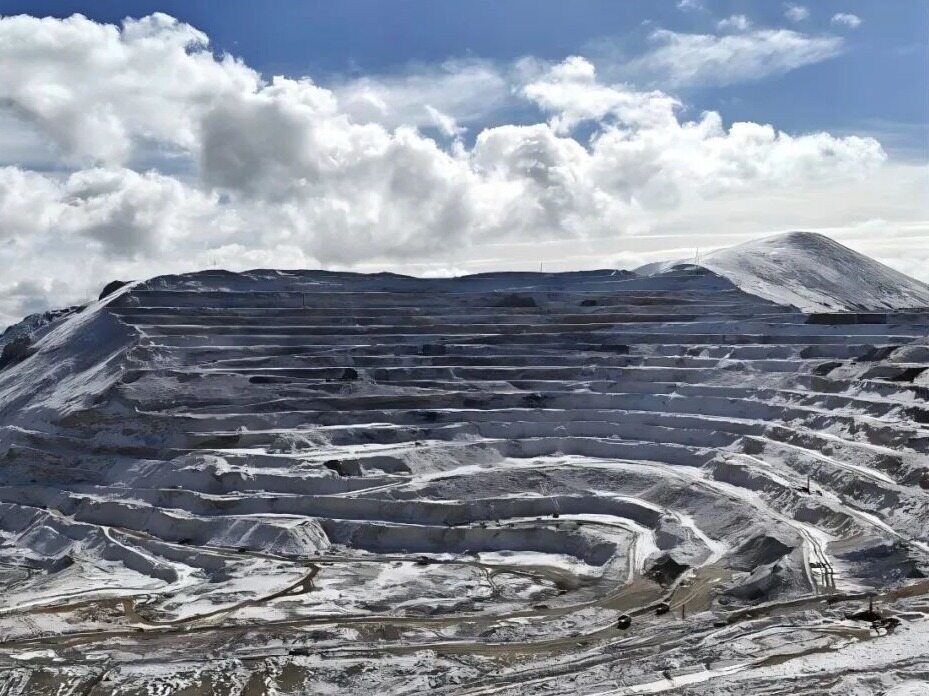
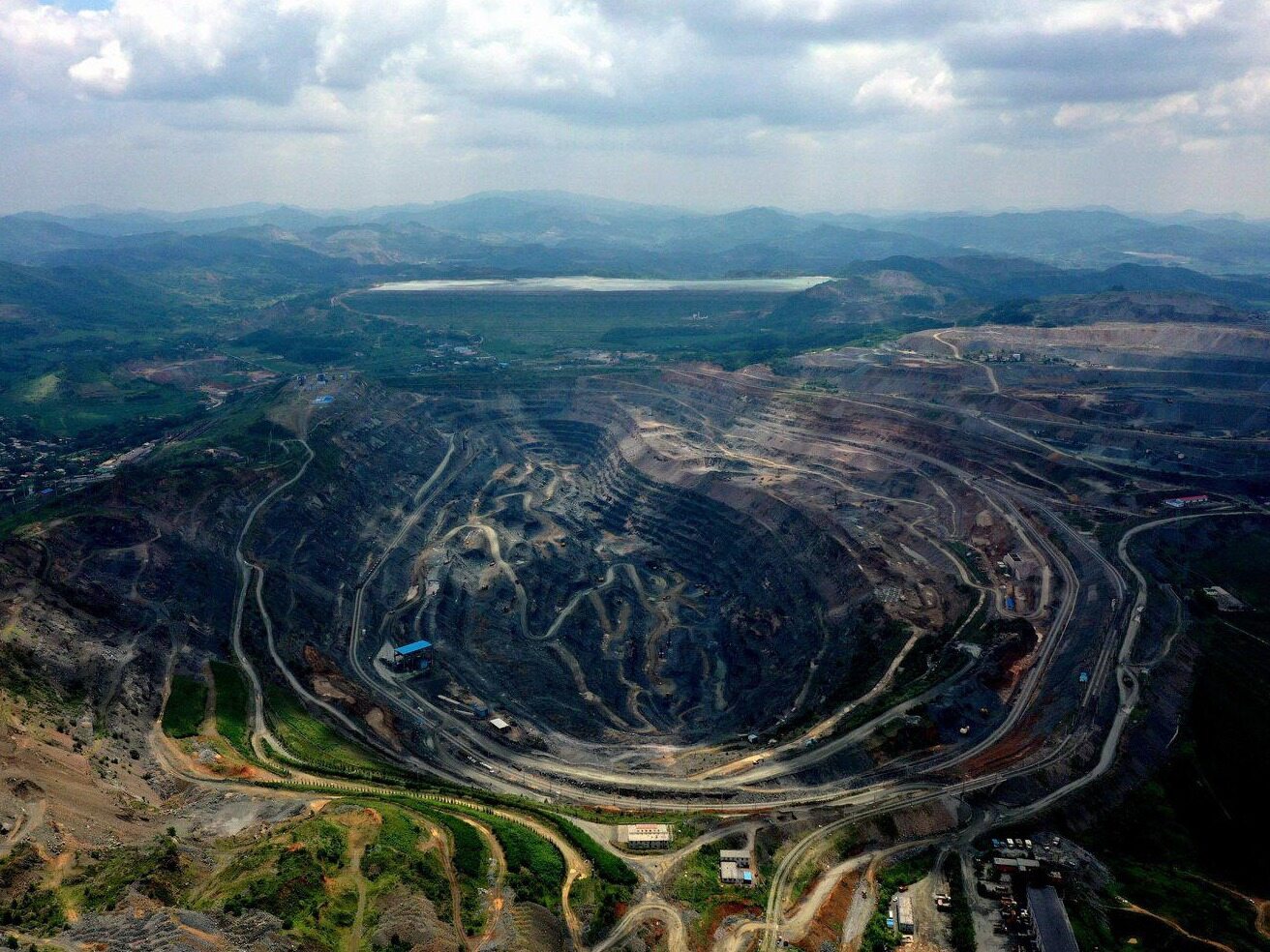
The Simandou iron mine is located in southeastern Guinea and is one of the largest high-quality open-pit hematite mines in the world. Its proven reserves are as high as 4.4 billion tons, with an average grade of over 65%, far exceeding most of the world's in production mines. The commissioning of this mine means that the global iron ore supply pattern will shift from an "Australian Brazilian duopoly" to a "three-way balance", and Guinea is expected to become the third largest iron ore supplier after Australia and Brazil.
Chinese led full chain
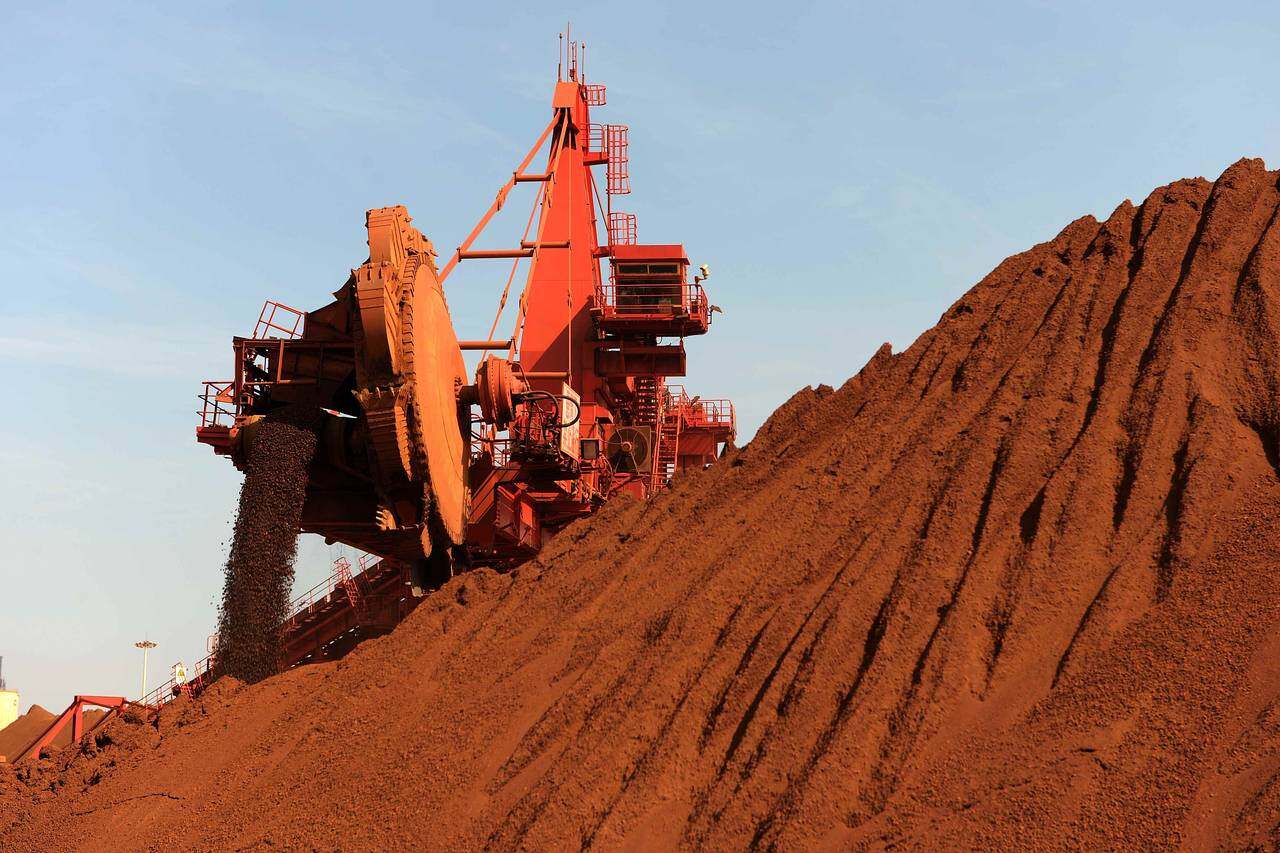
Unlike previous simple purchases of ore, the Simandou project is the first overseas mineral project led by China, covering the entire chain from resource exploration, infrastructure investment to transportation and sales. The project is deeply participated by the Win Alliance (composed of Weili International, Weiqiao Aluminum, Baowu Resources, etc.) and Chinese funded enterprises such as China Aluminum Group. China not only owns the mining rights, but also leads the construction of the over 600 kilometer cross Guinea railway and supporting ports.
This integrated model of "investment, construction, operation, and sales" has completely changed the predicament of China's steel industry in the past where "buying mines depends on people's faces". In the past, although China was the world's largest buyer, it passively accepted price fluctuations for a long time due to a lack of resource control. Nowadays, with the production of Simandou, China not only has a stable supply of resources, but also has achieved independent and controllable logistics transportation, greatly reducing the risk of "logistics being kidnapped by other countries".
The monopoly of Australia and the United States is over
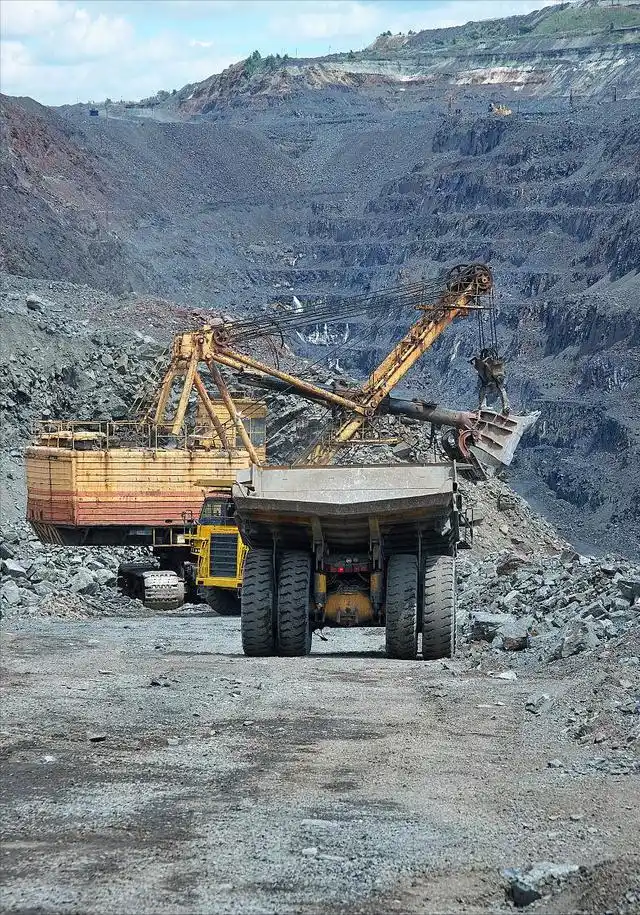
The entry of Simandou Iron Mine directly impacted the pricing system of global iron ore. For a long time, the three major players in Australia, Rio Tinto, BHP Billiton, and Brazil's Vale, have controlled about 70% of the world's seaborne iron ore supply and held pricing dominance. After the production of Simandou, the annual production capacity can reach 120 million tons, accounting for 7% -9% of the global maritime trade volume, which will significantly increase China's bargaining chip in the global iron ore discourse competition.
Industry experts point out that the increase in Simandou will force high cost miners to exit the market and reconstruct the industry's cost curve. With the diversification of China's supply sources, the era of "lying down and winning" for Australian iron ore may come to an end. Market expectations are that after the full production of Simandou, iron ore prices are expected to fall from their high levels, bringing direct cost reductions to China's downstream steel industry chain.
The first ship of Ximengdu Iron Mine arriving in China is not only the arrival of a ship of ore, but also a major victory for China's resource strategy. It declares China's transformation from a "passive receiver" to an "active rule maker" in the global iron ore market, laying a solid "ballast" for China's energy security and industrial chain stability.Editor/Yang Meiling
Comment

 Praise
 Collect
 Comment

 Share
Share


Write something~