 Search


- Deepening energy cooperation between China and Nigeria, revitalizing two idle refineries in Nigeria
- Reforming cooperation models, upgrading refining facilities, and laying out the development of natural gas industry clusters
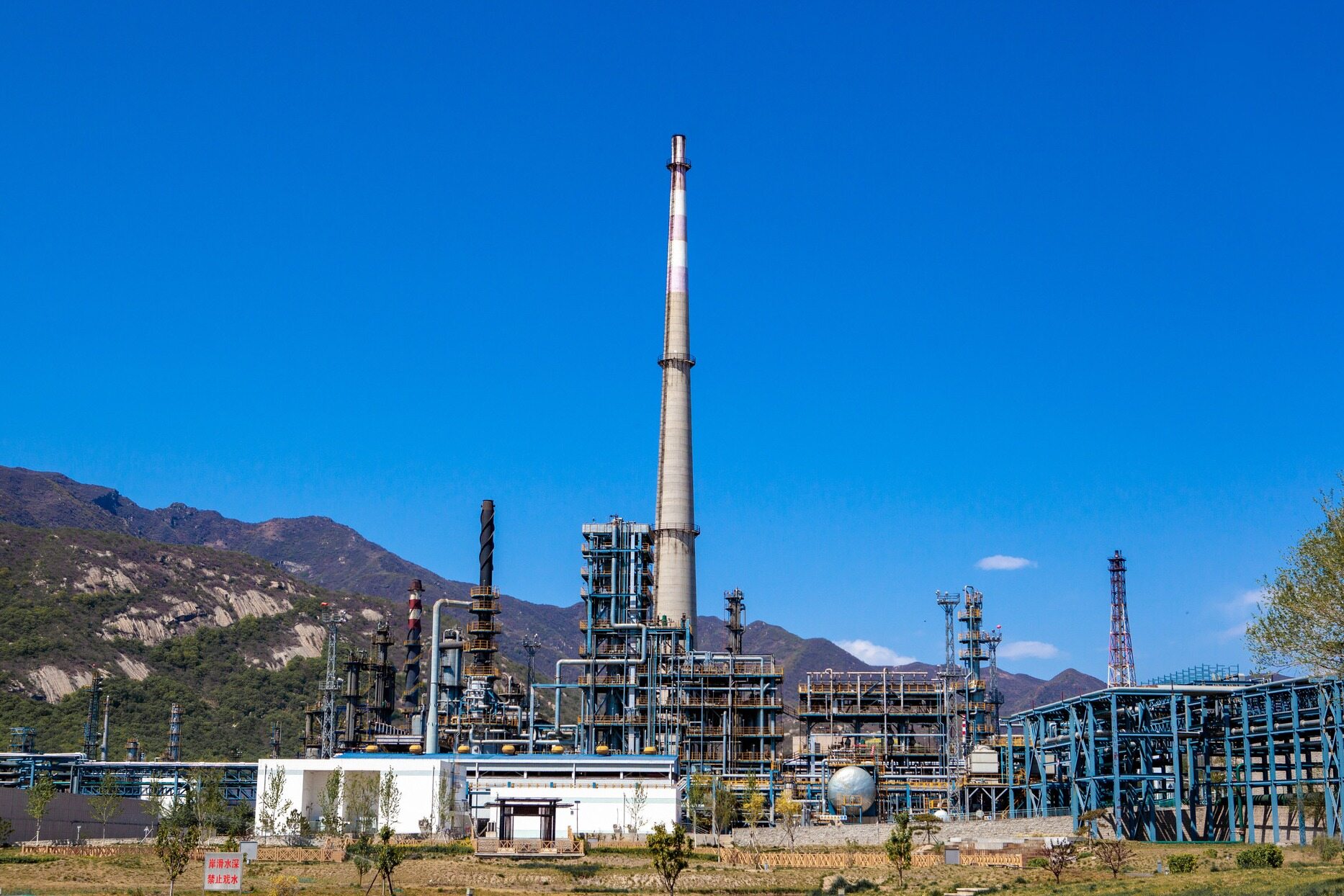
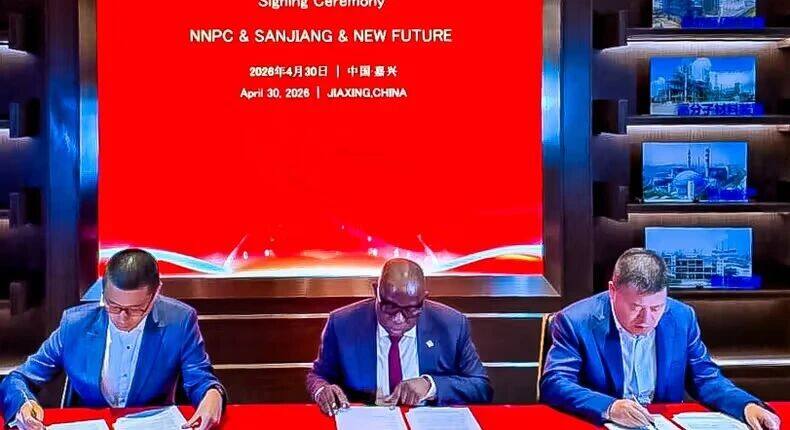
NNPC has recently reached a new cooperation agreement with two Chinese companies to restart and expand two long stalled refineries in the country. This move signifies a new development in Nigeria's process of reshaping its domestic refining capacity. Nigeria National Petroleum Corporation has signed a memorandum of understanding with China Sanjiang Chemical Co., Ltd. and New Qianchen (Fuzhou) Industrial Park Operation and Management Co., Ltd. The three parties will explore the use of technology investment and equity cooperation models to promote the completion and operation of the Port Harcourt and Warri refineries.
Innovative cooperation model
According to the memorandum of understanding, the cooperation covers the subsequent repair and renovation of the refinery, improvement of operational efficiency, and upgrading of equipment, to help produce more environmentally friendly and economically efficient oil products. At the same time, both sides plan to expand the production capacity of petrochemical products, rely on refineries to layout natural gas industry clusters, and promote Nigeria's transformation from a single refining business to a comprehensive energy industry ecosystem.
Since 2010, Nigeria has made multiple attempts to repair its refining facilities, investing over $25 billion in total, but has never been able to overcome the stagnation of projects. The past cooperation model has been plagued by problems such as project delays and inadequate operations. In February 2026, the Nigerian National Petroleum Corporation revealed to the public that it plans to work with Chinese professional enterprises to replace traditional contracting models with partner construction and revitalize idle refining capacity. Bashir Bayo Ojulari, the head of the company, stated that Nepal will participate in the cooperation through equity participation and will not sell assets to the outside world, in order to help the refinery achieve long-term independent operation and profitability.
A costly history of failure
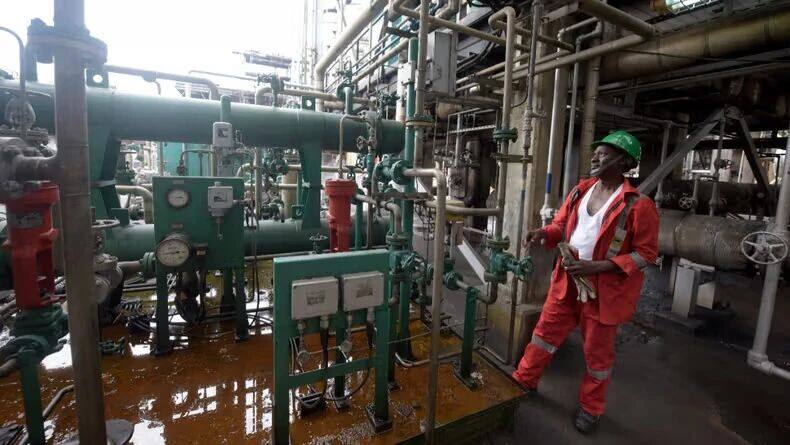
The achievement of this new cooperation agreement is due to the industry situation in Nigeria, where over the past decade, there has been a huge investment in refinery renovation but little effect. According to relevant research data, from 2010 to 2023, Nigeria invested over 25 billion US dollars in projects such as refinery repairs, operations, and shutdowns for maintenance. However, the stability of equipment operation is poor and the overall operational status is sluggish. Earlier, Nigeria had partnered with overseas companies such as Tecnimont and Daewoo E&C from Italy to undertake projects. Despite signing large cooperation contracts and finalizing completion milestones multiple times, the project is trapped in a vicious cycle of project delays, budget overruns, and intermittent shutdowns. Even if the renovation plan is restarted again in 2021, the production of the refinery will still start and stop intermittently, which has made the previous renovation and operation strategy highly controversial.
Nigeria's Refinery Transformation
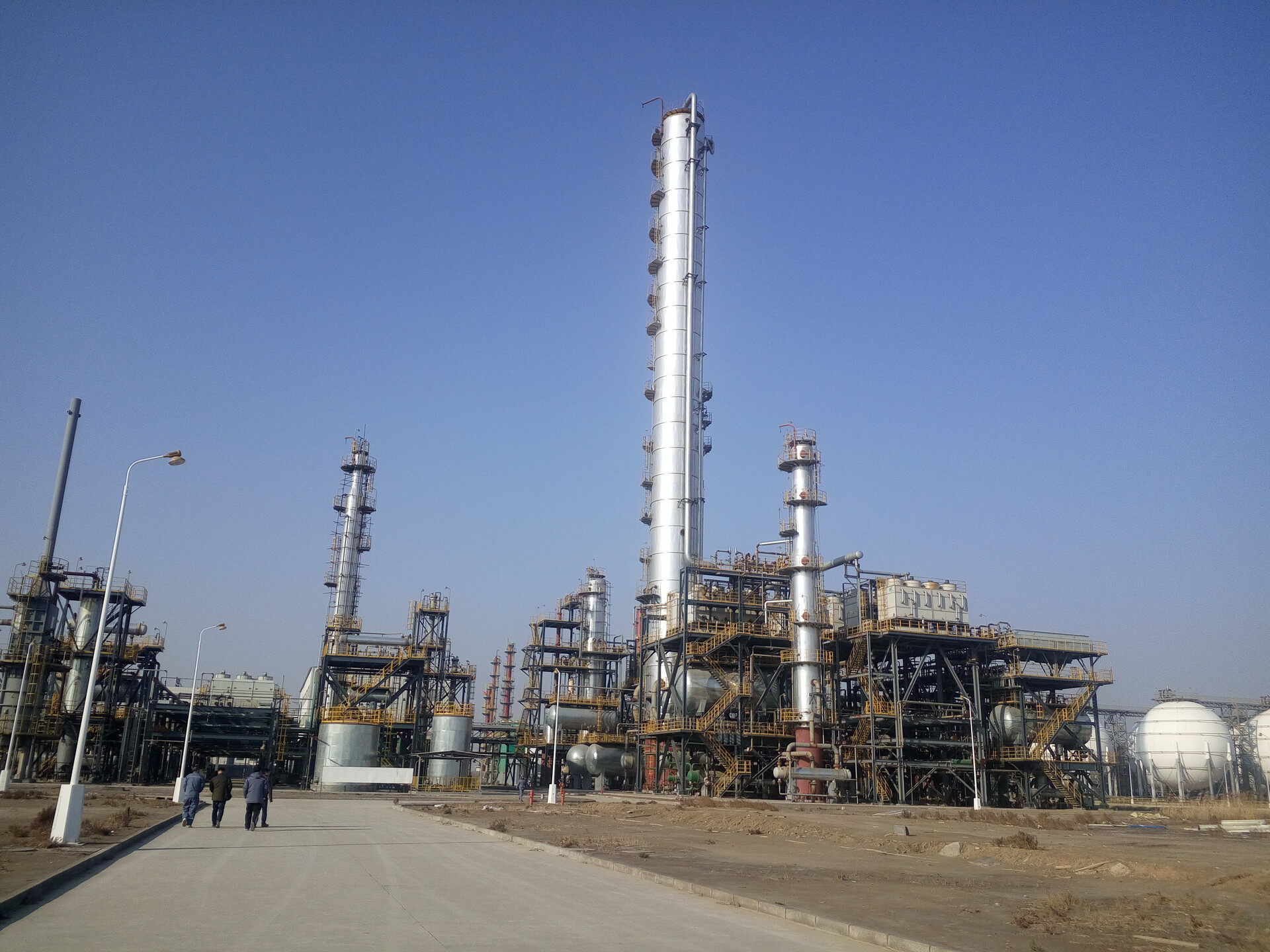
The successive setbacks have not stopped the pace of reform in Nigeria's refining industry. With the commissioning of the globally leading Dangote refinery, Nigeria's dependence on imported refined oil products is gradually decreasing, and it is expected to transform into a net exporter of refined oil products. If the two refineries, Port Harcourt and Wali, resume production and upgrade smoothly, it will accelerate this transformation process and help Nigeria grow from an importer of refined oil products to a hub for the refining industry that radiates to the country and surrounding regions.
After signing the contract, Ojuli admitted that this memorandum of cooperation is an important achievement reached after more than six months of negotiations and docking between the Nepalese side and two Chinese companies. He stated that all parties are optimistic about the development potential and long-term profitability of Nigeria's refining assets, and have a solid foundation and strength to work together and create a win-win situation. Keywords: Nigeria, Chinese companies, refineries
At present, this cooperation is only a framework memorandum, and the formal implementation still requires in-depth consultations and completion of relevant regulatory approvals. But a clear policy signal has been released: after years of high investment but poor results, Nigeria once again relies on foreign cooperation to layout the refining industry, striving to completely unleash the potential of the long idle refining industry.Editor/Gong Ziwei
Comment

 Praise
 Collect
 Comment

 Share
Share


Write something~