 Search


- Bhutan signs $515 million financing agreement with World Bank to advance the largest ever Jilin hydropower station
- The total investment of the project is 1.7 billion US dollars, with a one-third increase in power generation. 80% of the electricity is exported to India, with a 30-year return of over 4 billion US dollars
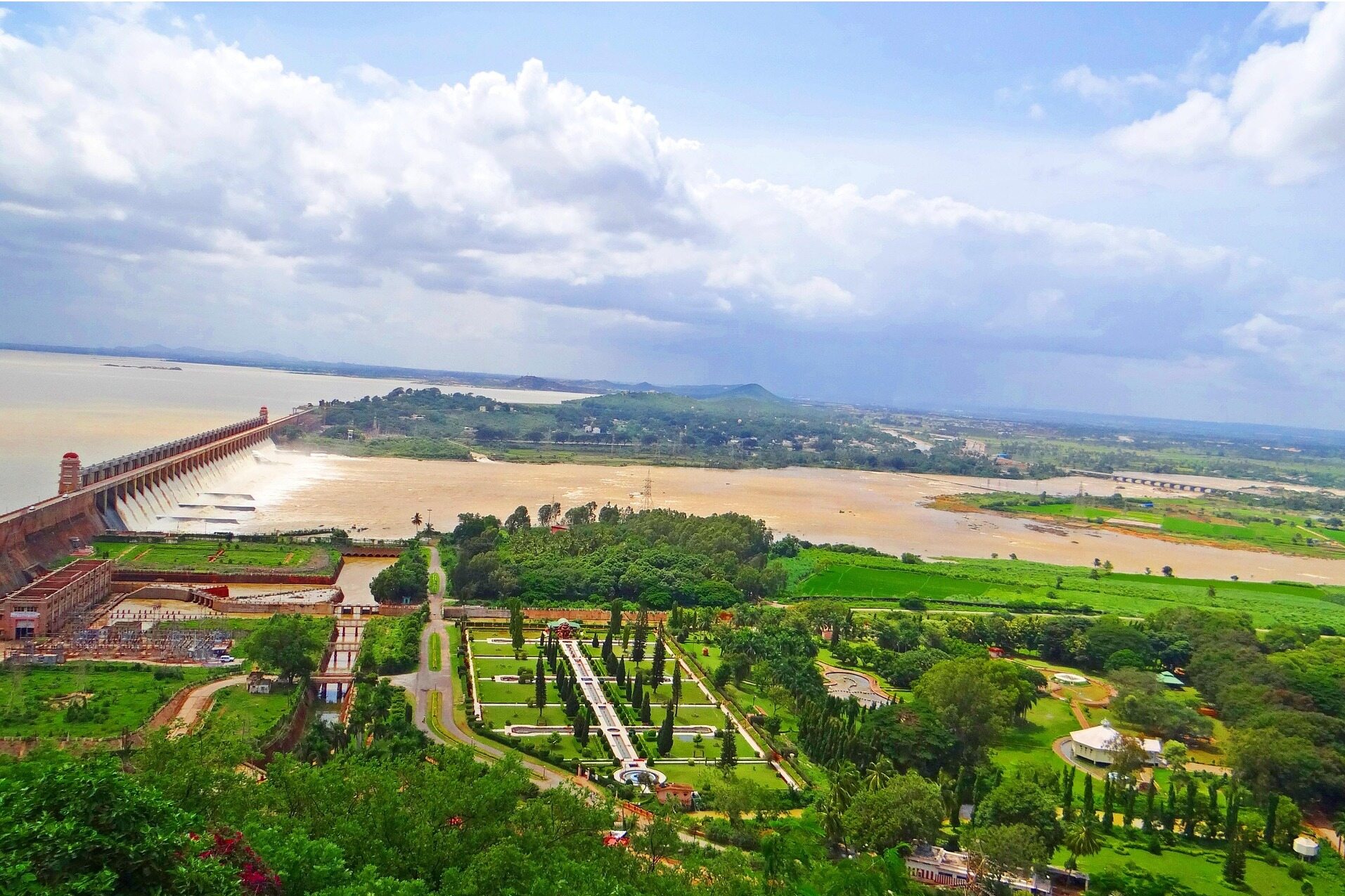
Bhutan has signed a $515 million financing agreement with the World Bank to advance the largest hydroelectric project in history, the Duojilin Power Station, with a total investment of $1.7 billion, which will increase the country's electricity generation by one-third.
Bhutan, located on the southern foothills of the Himalayas, is betting on an energy extravaganza.
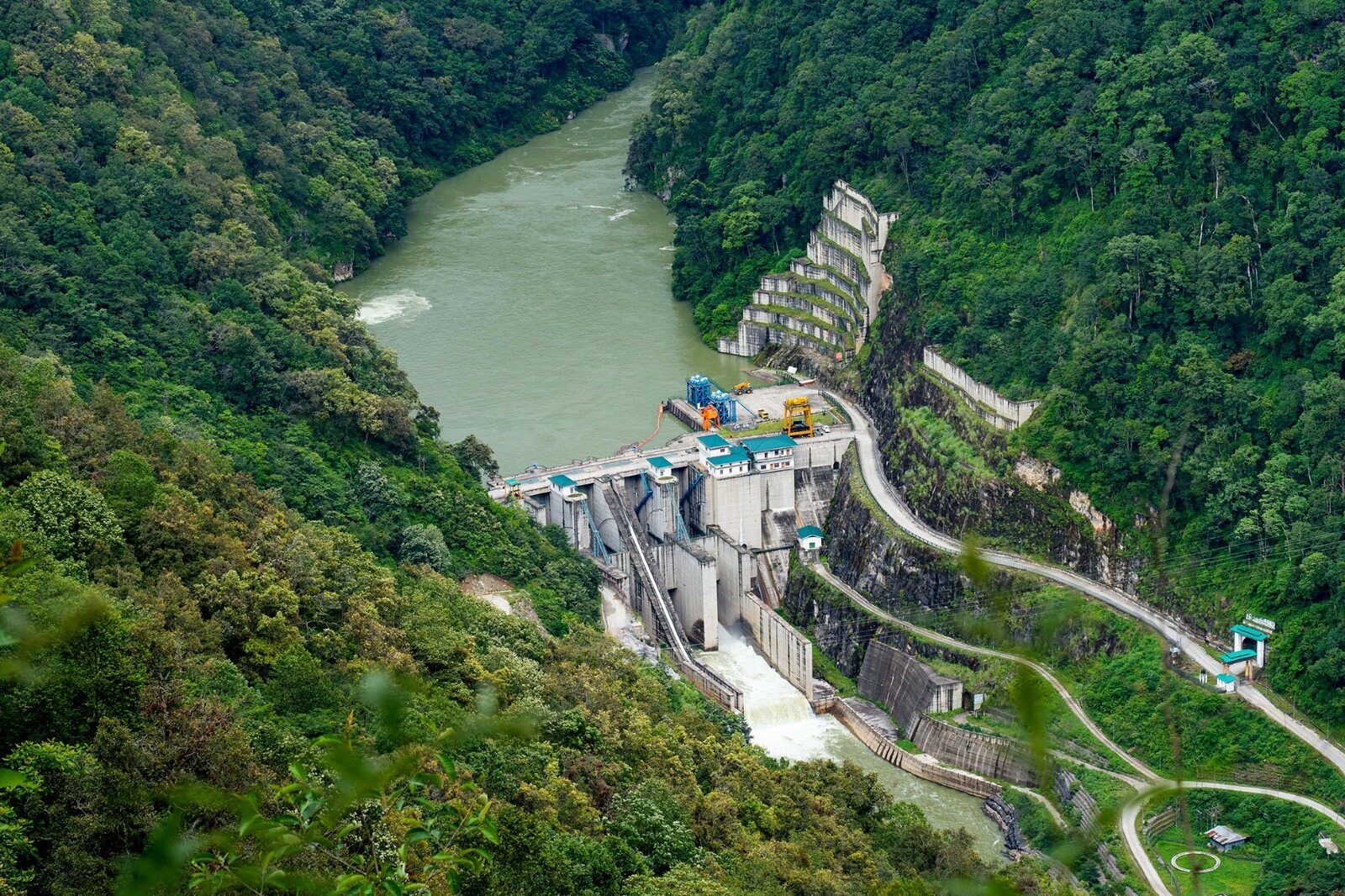
The Duojilin Hydropower Station is located in the eastern part of the Kurichu River, with a total installed capacity of 1125MW and an annual power generation of over 4500GWh. It is expected to be put into operation around 2030. This is the flagship project of Bhutan's 13th Five Year Plan and the country's first large-scale hydropower project developed through a public-private partnership model. After completion, Bhutan's national power generation will increase by nearly 33%, putting an end to the seasonal electricity shortage that has plagued the country for many years.
More importantly, the export logic. About 80% of the electricity generation will be transmitted to India, which happens to cover the peak demand gap during the summer season. Bhutan provides self use in winter and export in summer, forming a precise complementarity with India. According to the Central Electricity Authority of India, India's peak electricity demand has exceeded 240GW in 2024, and the summer gap continues to widen. The strategic value of cross-border clean electricity is soaring.
500 million US dollars leveraged 1.7 billion financing structure with hidden ingenuity
Of the total investment of 1.7 billion US dollars, the government has very little self owned funds. The International Development Association under the World Bank provides a $300 million preferential loan, and the International Bank for Reconstruction and Development provides an additional $215 million loan. Private capital is expected to inject approximately $900 million, with the International Finance Corporation providing up to $300 million in additional support.
The development entity is a joint venture between Bhutan's Drucker Green Power Company and India's Tata Power. This architecture not only diversifies risks, but also binds India's largest private power group to Bhutan's energy vehicle. According to estimates, during the 30-year operation period, the project will bring Bhutan a total revenue of approximately 4 billion US dollars - more than twice the total investment.
A power station rewrites a country's economic bill
Duojilin is not only an infrastructure project, but also an engine for Bhutan's economic transformation. It is expected to drive GDP growth by 2.4%, create a large number of construction and operation jobs, and provide stable power support for the manufacturing and tourism industries. The revenue from energy exports will also be used to support public services such as education and healthcare.
The climate account is equally impressive: reducing carbon emissions by about 3.3 million tons annually, consolidating Bhutan's position as the only carbon negative emitting country in the world. Keywords: new energy, hydropower station
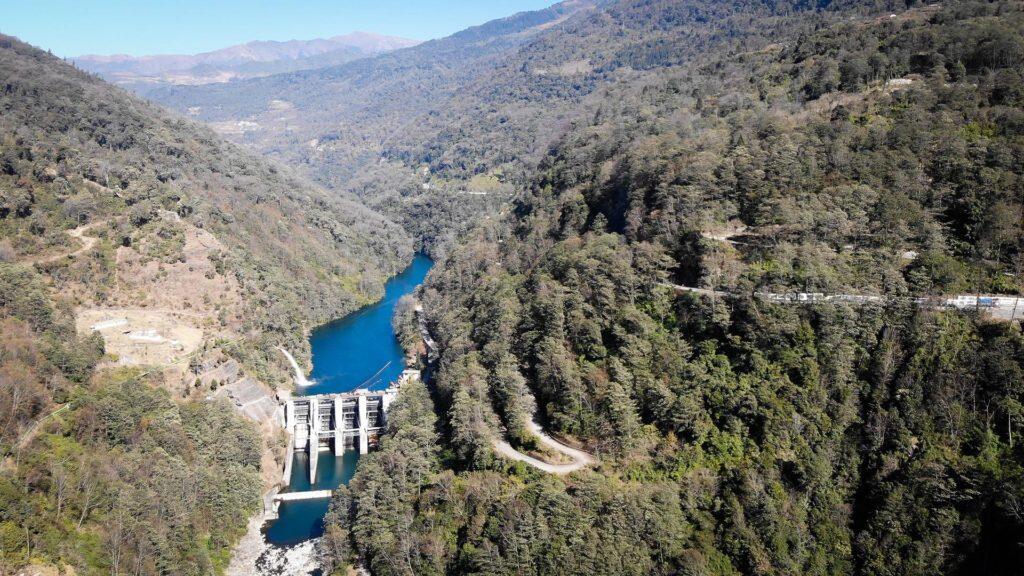
At present, the main tunnel and infrastructure projects have been awarded to contractors from India and Pakistan, and the preliminary work is steadily progressing. For a mountainous country with a GDP of only about 3 billion US dollars, this is an infrastructure investment that is betting on the country's fortunes - and it is becoming a reality.Editor/Cheng Liting
Comment

 Praise
 Collect
 Comment

 Share
Share


Write something~