 Search


- In 2022, China is expected to complete water conservancy construction investment of more than 800 billion yuan
- The Ministry of Water Resources has clarified that more than 30 new major water conservancy infrastructure projects will start in 2022
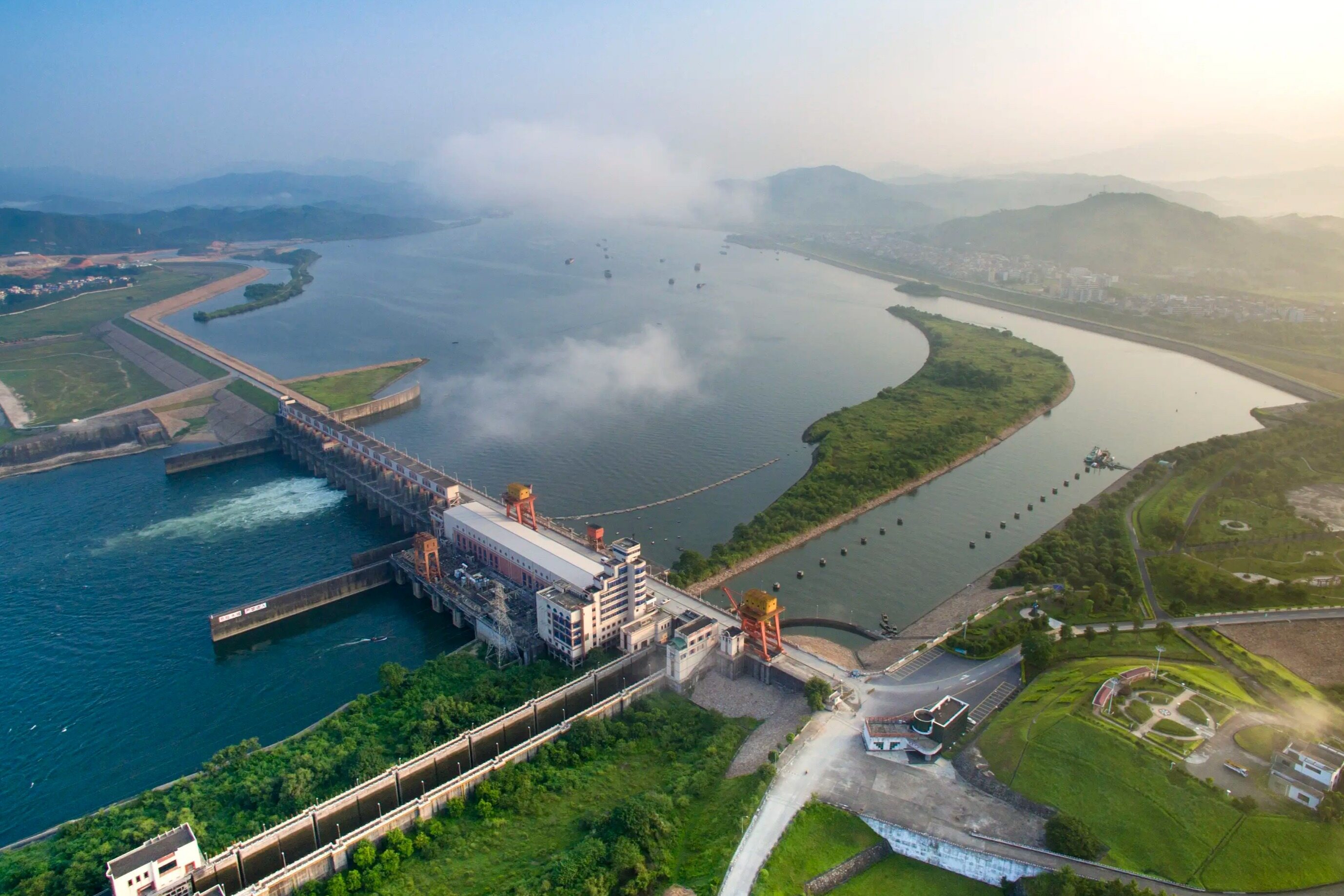
According to data released by the Ministry of Water Resources recently, in the first five months of 2022, my country's water conservancy infrastructure construction continued to accelerate, with an investment of 310.8 billion yuan, an increase of 109 billion yuan or 54% over the same period in 2021, and employment of 1.03 million people, including farmers. It employs 770,000 people and has played an important role in stabilizing water investment, growth and employment.
Water conservancy is an important area for expanding effective investment and making up for the shortcomings of infrastructure. It is understood that in 2022, China is expected to complete the investment of more than 800 billion yuan in water conservancy construction. What is the current progress in the construction of water conservancy infrastructure? What are the difficulties and problems? Is the construction fund sufficient?
Project construction progresses in an orderly manner
On May 16, the Wusong River Remediation Project (Jiangsu Section), a major water conservancy project, started. With a total investment of over 15 billion yuan, the project is one of the backbone projects of the national water network and one of the backbone projects of water network interconnection in the Yangtze River Delta integrated region.
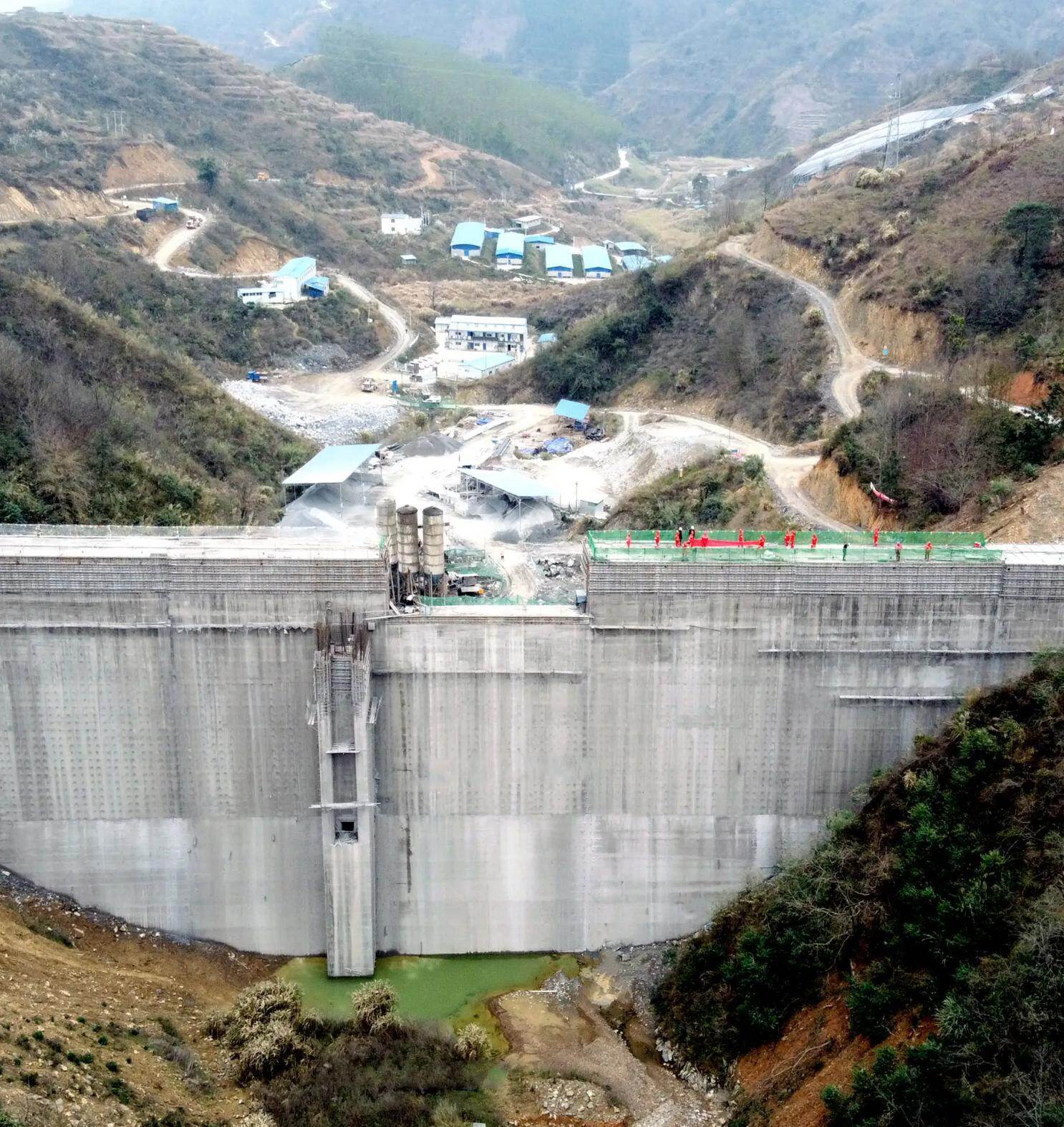
The Wusong River remediation project includes the Jiangsu section and the Shanghai section, with a total investment of 83.1 billion yuan. Among them, the Jiangsu section of the Wusong River renovation project is located in Suzhou City. The renovation project mainly includes river regulation, supporting expansion of water conservancy projects, new reconstruction of cross-river bridges, and adjustment of water system impacts. Zhang Xiangwei, director of the Planning and Planning Department of the Ministry of Water Resources, said that after the implementation of the project, the flood control engineering system in the Taihu Lake Basin will be further improved, the flood discharge channels of the Taihu Lake will be increased, the flood control and drainage capacity of the Taihu Lake Basin will be improved, the regional water resources, water ecology, and water environment conditions will be improved. The shipping capacity of the inner port from Suzhou to Shanghai provides a stronger water safety guarantee for the integrated high-quality development of the Yangtze River Delta.
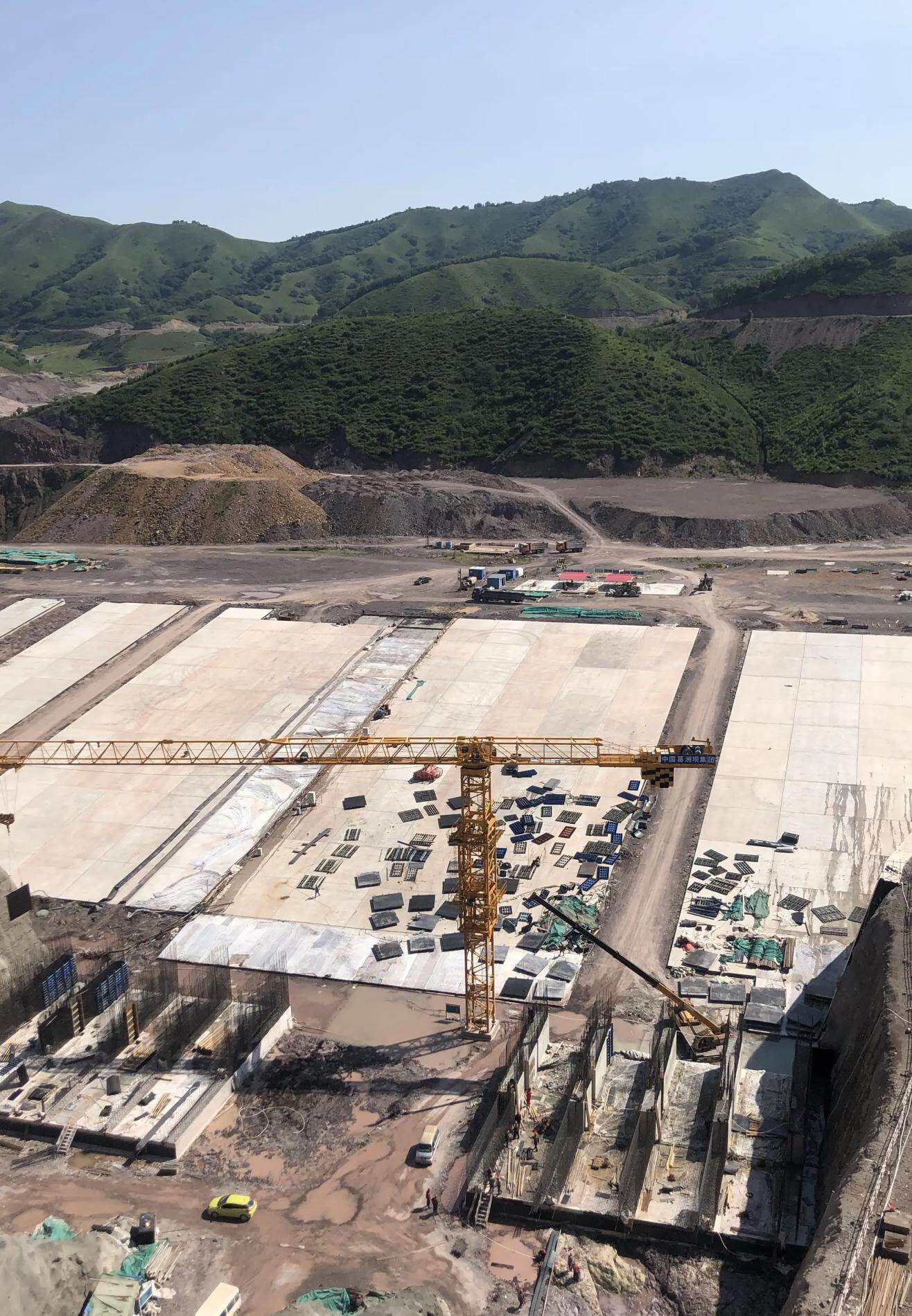
On May 30, the construction of the northwest embankment treatment project in the starting area of Xiongan New Area officially started construction, which is one of the 55 major water conservancy projects that the country will focus on promoting in 2022. The northwest embankment treatment project, with an investment of 1.76 billion yuan, is the last key control project in the construction of the flood control circle in the start-up area of Xiongan New Area.
Since 2022, China has accelerated the construction of water conservancy infrastructure, improved the river basin flood control engineering system, implemented major national water network projects, revitalized the ecological environment of rivers and lakes, and made every effort to build a modern infrastructure system.
At present, the projects are progressing smoothly. For the Guangdong water resource allocation project around the Beibu Gulf with a total investment of 61.8 billion yuan, the approval time for the EIA report was five months earlier than expected; for the South-to-North Water Diversion Project with a total investment of 59.8 billion yuan, the land pre-examination (planning and site selection) was completed, etc. The handling of the requirements lays the foundation for speeding up the project approval.
Combining force to break through the blockage point
Since 2022, the new crown pneumonia epidemic has spread in many places, which has adversely affected the construction of water conservancy infrastructure.
The construction of the ship lock project of the Shushan hub of Jiangxi to Huaihe River in Anhui has entered the final sprint period. According to the plan, the water will be tested at the end of September 2022, and the navigation will be tested at the end of December. However, since April, the supply of materials has not kept up, and the construction progress has slowed down.
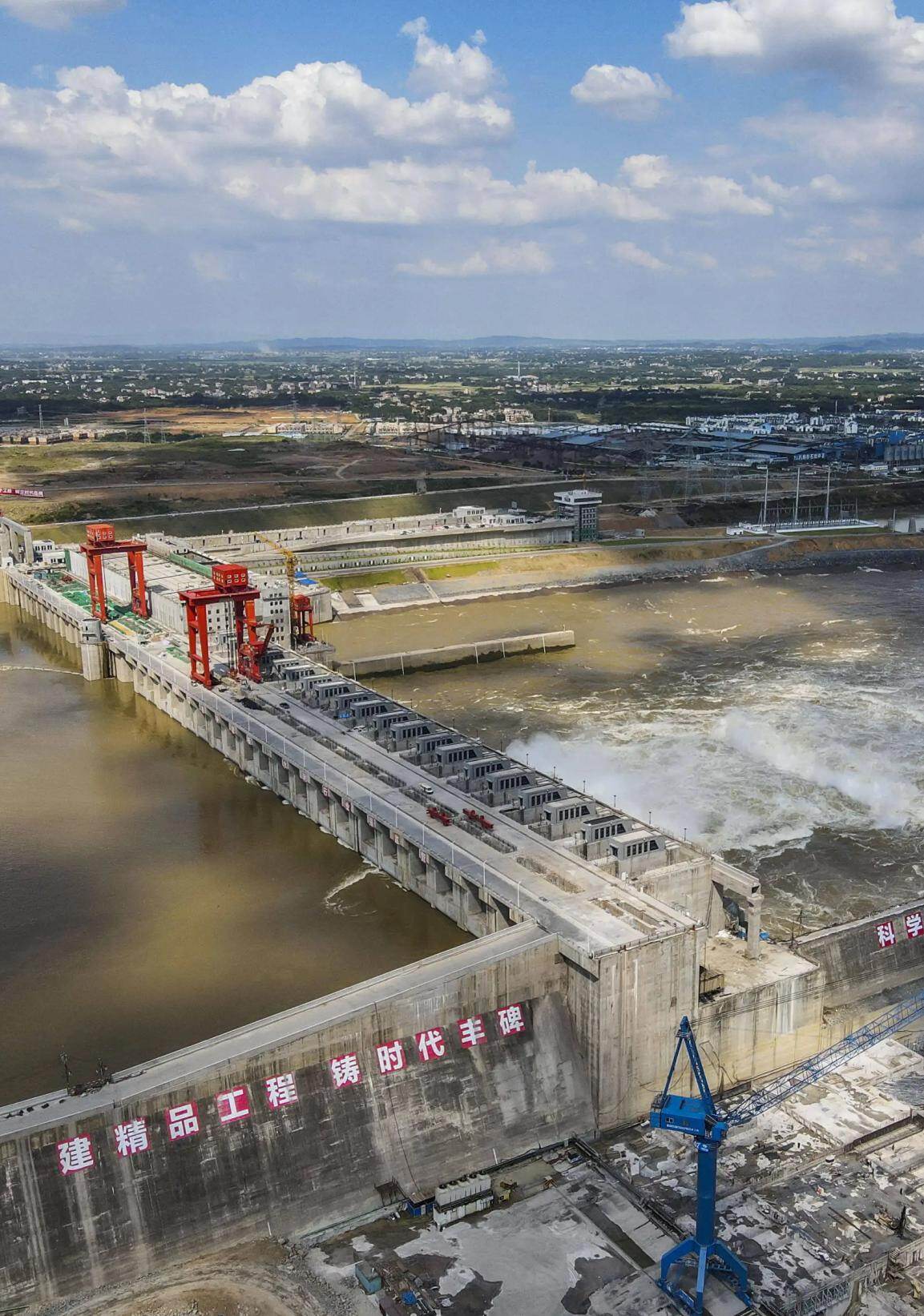
"Under normal circumstances, about 50 or 60 vehicles of supplies are brought in every day, but when the epidemic situation was tense in March and April, a few cars could not come in for a week or two." Chen Jianfeng, secretary of the Party Branch of the Shushan Ship Lock Project of Citing Jiangji Huai Shushan Hub, introduced that in order to alleviate the situation For problems such as difficulty in supplying and transporting raw and auxiliary materials, Anhui Province actively organizes the deployment and integration of existing resources to replace them to ensure the supply of raw and auxiliary materials.
Zhang Xiangwei said that it is necessary to coordinate the epidemic prevention and control and project construction, strictly implement epidemic prevention and control measures, and strengthen the management and control of construction site personnel and health monitoring. At the same time, it is necessary to increase construction scheduling, optimize construction organization, and strengthen construction resources to minimize the impact of the epidemic on engineering construction.
"Water conservancy departments at all levels should promote the approval of major water conservancy infrastructure projects across the country and start construction as soon as possible to ensure that more than 30 new projects are started throughout the year." Wei Shanzhong, deputy minister of the Ministry of Water Resources, said.
On the one hand, it is necessary to refine and realize the target task. According to the five categories of projects proposed at the executive meeting of the State Council, including "strengthening major water conservancy projects in 2022, risk elimination and reinforcement of dangerous reservoirs, construction and modernization of irrigation areas, water ecological protection and management of small and medium rivers, and construction of small and medium-sized reservoirs", the work plan was formulated. For the 55 major water conservancy projects and 6 new large-scale irrigation area projects that will be promoted in 2022, the requirements for handling, feasibility study approval, and start-up time nodes will be clarified one by one, and the responsible units and persons will be determined, and a ledger will be established.
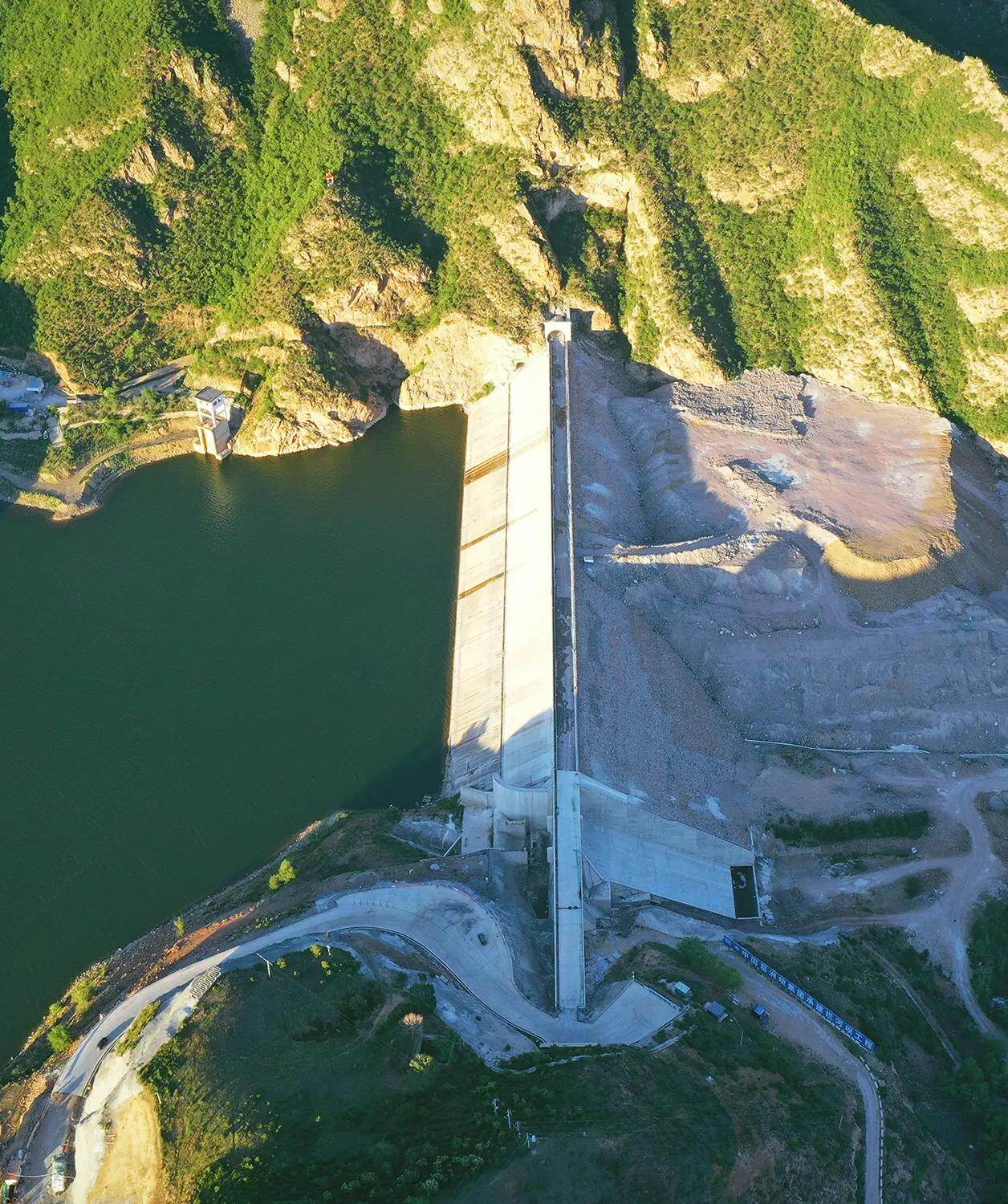
On the other hand, improve the work promotion mechanism. Establish a monthly reporting mechanism to track and report the implementation of special bonds, the completion of water conservancy construction, as well as the handling of requirements, feasibility study approval and construction start; establish a scheduling mechanism to conduct daily scheduling consultations with relevant departments horizontally and irregularly, and vertically and monthly with local governments Special scheduling, analyzing and researching item by item, and coordinating and solving key problems in a timely manner; establishing a supervision mechanism, and timely reporting, interviewing, and supervising the projects and areas whose progress is lagging, and strengthening accountability.
Expand funding channels
The construction of water conservancy infrastructure requires real money investment, and which channels to raise funds through are the focus of attention of all parties.
"The financing of water conservancy construction has always been a work that the Ministry of Water Resources attaches great importance to." Wei Shanzhong said that water conservancy projects have strong public welfare and weak market-based financing capabilities, and have long been dominated by financial investment. Since 2022, the water conservancy department, together with relevant ministries, commissions and local governments, will accelerate the construction of water conservancy infrastructure and actively expand investment channels. While striving to increase the central government's financial investment, we will find ways to increase investment from local government special bonds, financial funds, social capital, etc., to ensure the capital demand for water conservancy infrastructure construction.
In the first quarter of 2022, the China Development Bank, the Agricultural Development Bank of China, and the Agricultural Bank of China issued a total of 68.7 billion yuan in water conservancy loans, with the loan balance reaching 1,062 billion yuan. Since 2022, 830 water conservancy projects have implemented local government special bonds of 72 billion yuan, an increase of 38.6 billion yuan or 115% over the same period in 2021.
In addition, since 2022, the construction of rural water supply projects has continued to advance, with a total investment of about 20 billion yuan, which has improved the water supply security level of 6.66 million rural population; the construction of large and medium-sized irrigation areas has continued to build supporting facilities and invested nearly 19 billion yuan in modernization, which is expected to The newly increased grain production capacity was 3.6 billion kilograms, and the newly increased water-saving capacity was 3.5 billion cubic meters. Keywords: infrastructure, infrastructure construction, domestic engineering news, planning and investment
The research results of the China Academy of Macroeconomics show that every 100 billion yuan invested in major water conservancy projects can boost GDP growth by 0.15 percentage points and increase employment by 490,000 people. Wei Shanzhong said that it is necessary to comprehensively accelerate the construction of water conservancy infrastructure, make good use of various policies, and make due contributions to stabilizing the macroeconomic market and achieving the expected goals of economic and social development throughout the year. Editor / Xu Shengpeng
Comment



 Praise
 Collect
 Comment

 Share
Share


Write something~