 Search


- Turkey has reached an agreement to restore the Hejaz Railway in order to strengthen regional transportation connectivity
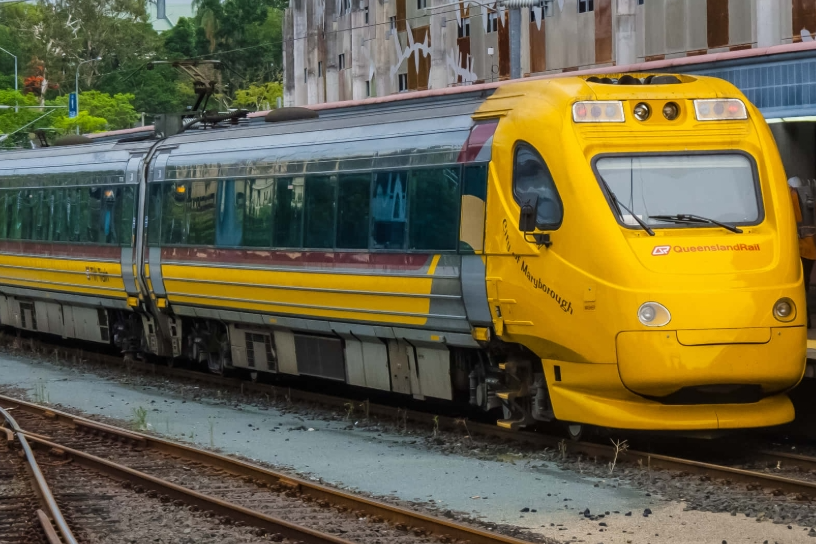
Recently, Türkiye, Syria and Jordan have taken an important step in the field of transport infrastructure cooperation. They have reached a preliminary agreement on a draft memorandum of understanding aimed at jointly promoting the development of transport infrastructure, among which the restoration of the Syrian section of the Hejaz railway has become a focus project.
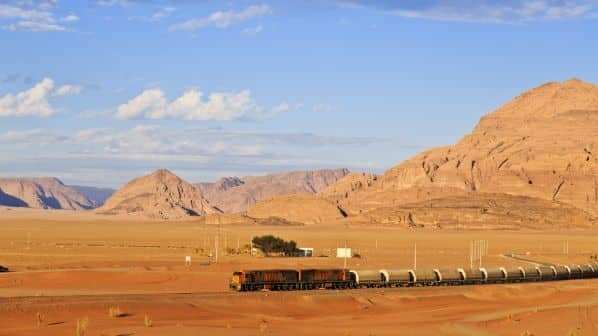
The agreement was announced by Abdulkadir Ulalov, Minister of Transport and Infrastructure of Türkiye. Previously, the three countries held a meeting in Amman, Jordan earlier this month, laying the foundation for the agreement to be reached. Uralov said, "The historic Hejaz Railway is being restored." This announcement marks that this railway, which carries a profound historical heritage, is about to usher in new vitality.
The Hejaz Railway has a unique historical context. It was built during the Ottoman Empire period with a gauge of 1050 millimeters, originally planned to connect the imperial capital Istanbul with the holy cities of Mecca and Medina. In 1908, the railway extended from Damascus in Syria to Medina, with a total length of 1300 kilometers, becoming an important transportation artery in the Middle East at that time. However, with the fall of the Ottoman Empire and the emergence of new Middle Eastern countries, the railway network was forced to close. However, the Jordan Hejaz Railway (JHR) later operated passenger and freight services on a 217 kilometer stretch between Damascus and Amman, continuing some of the railway's functions.
According to the agreement reached this time, the three countries will each showcase their strengths and work together in division of labor. Türkiye will give play to its technical advantages to help replace the 30km missing track in Syria and provide key support for the physical connection of the railway. Jordan will evaluate its own technical capabilities and fully support the maintenance, repair, and operation of locomotives in Syria to ensure technical support for railway operations.
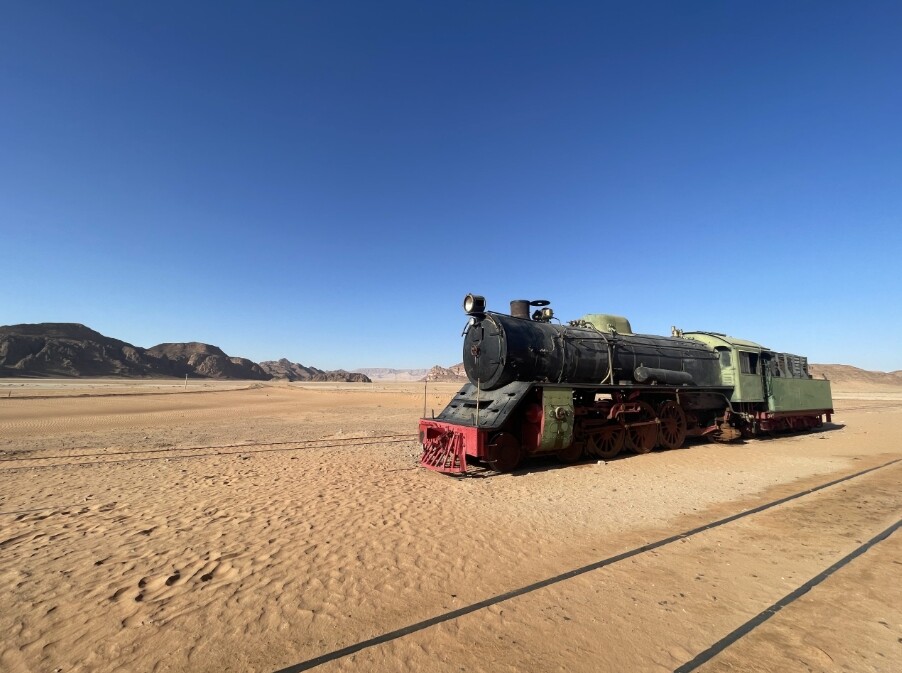
The restoration of the Syrian section of the Hejaz Railway through trilateral cooperation is not only a means of inheriting and protecting historical and cultural heritage, but also an important practice of regional transportation cooperation. The restoration of railways will strengthen transportation links between the three countries, promote the circulation of personnel and materials, and inject new vitality into regional economic development. I believe that with the joint efforts of the three countries, the Hejaz Railway will regain its vitality and become a bridge connecting history and the future, promoting regional cooperation.Editor/Cheng Liting
Comment


 Praise
 Collect
 Comment

 Share
Share


Write something~