 Search


- Chinese energy storage company Far East Energy wins a large 1GWh energy storage order in Europe
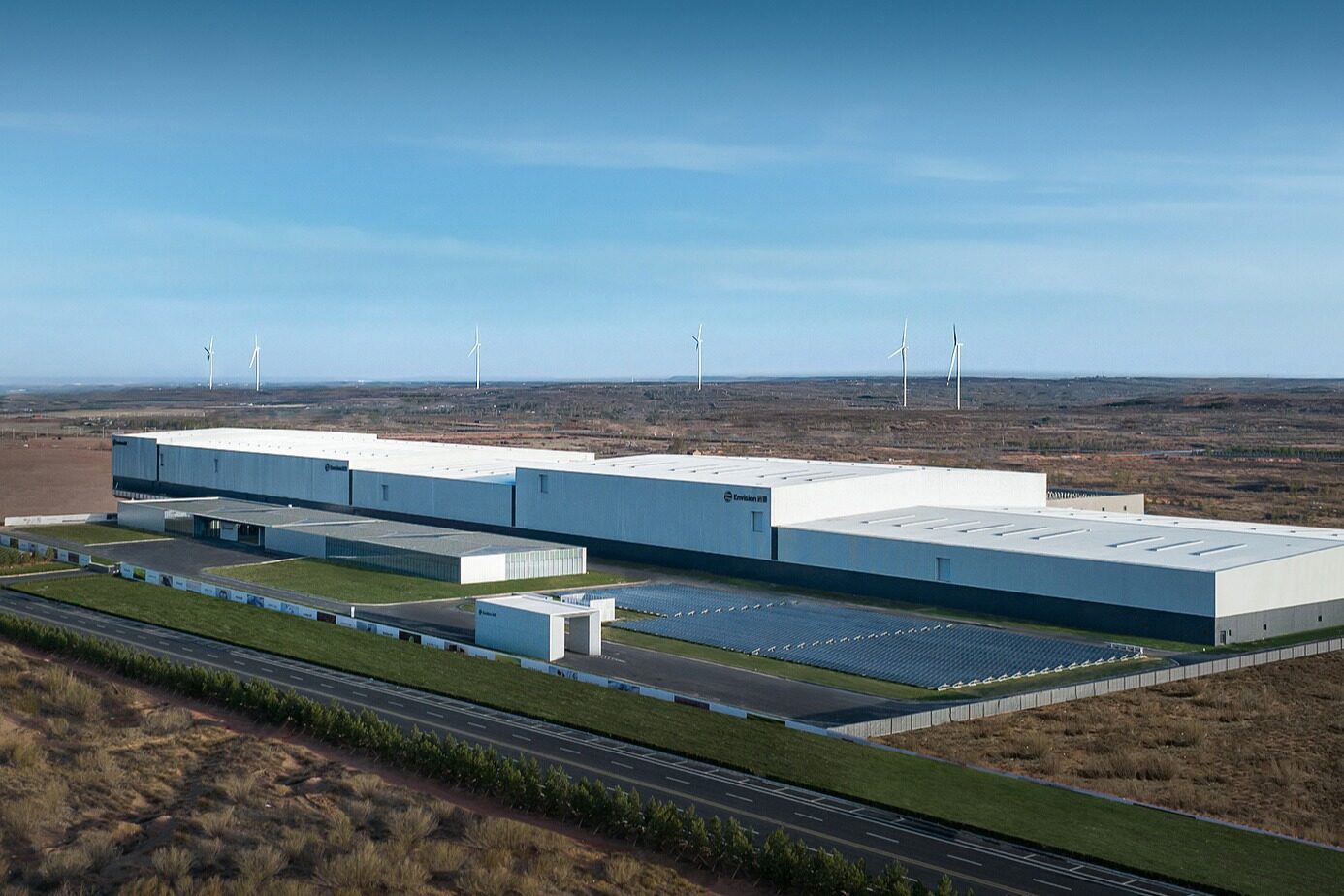
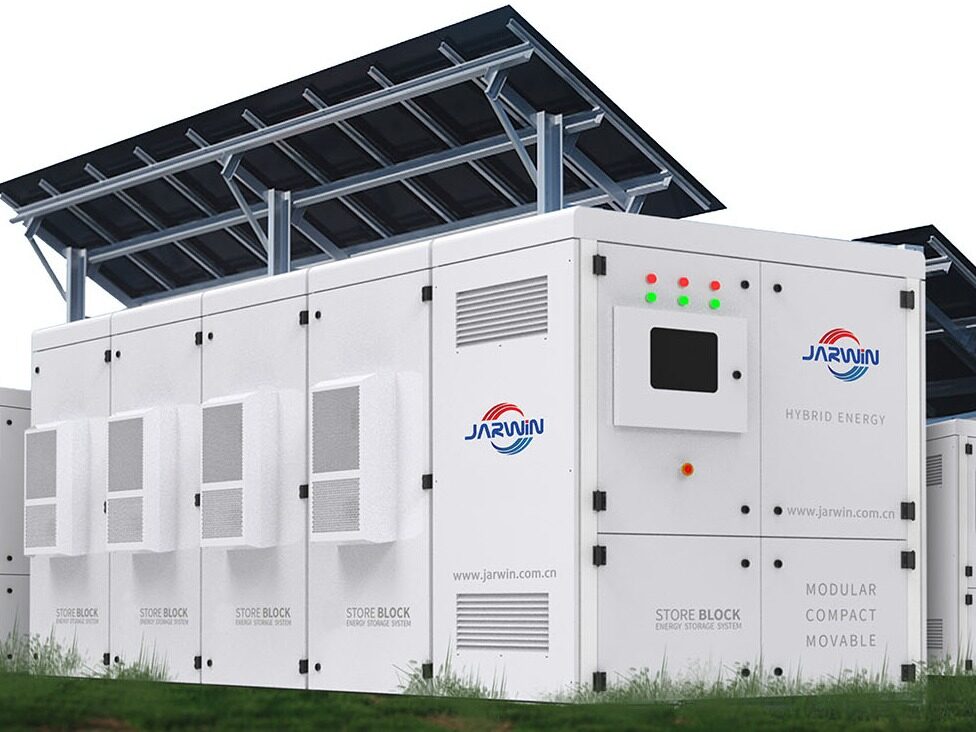
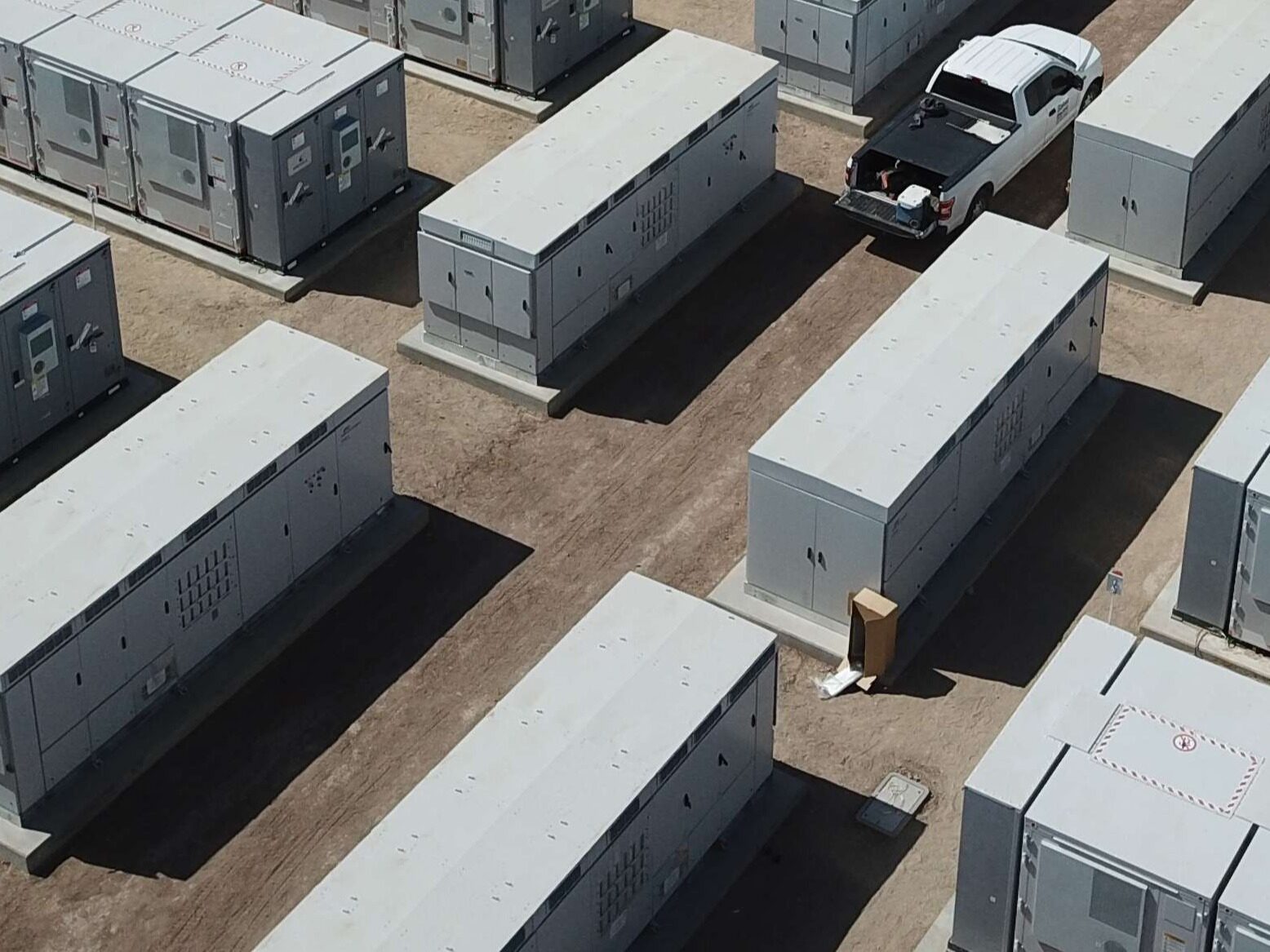
Recently, Chinese energy storage company Far East Energy signed a strategic cooperation agreement with GoldenPeaks Capital, a well-known renewable energy developer in Europe, to supply and deploy energy storage projects with a total capacity of 1GWh in the European market. According to the agreement, Far East Energy will provide its latest developed high-energy density battery energy storage system as a whole solution.
The first batch of projects in this cooperation have been successfully implemented in Poland, with an installed capacity of 344MWh, and have all obtained long-term capacity contract guarantees, providing stable support for the sustainable operation of the projects. According to the plan, the project will gradually expand to important markets such as Germany and Hungary, and further extend to southern European countries such as Italy and Greece, ultimately building a large-scale energy storage corridor spanning Central and Eastern Europe and Southern Europe with a total capacity of 1GWh, providing important infrastructure support for the stability of the European power grid and energy transformation.
It is worth noting that GoldenPeaks Capital, as one of the largest independent renewable energy developers in Central and Eastern Europe, has significant influence in the field of clean energy. On October 3rd, the company also signed a strategic cooperation memorandum with Huawei Poland, planning to cooperate in promoting the construction of a battery energy storage system project with a total scale of 500MWh in Central and Eastern Europe. This further demonstrates the technological strength and competitive advantage of Chinese energy storage enterprises in the European market.
The Polish market has shown strong development momentum since 2025 and has become the most promising emerging energy storage market in Europe. As the largest coal consuming country in the European Union and an important power hub connecting East and West Europe, Poland is accelerating the green transformation of its energy structure. In June 2025, Poland achieved a historic breakthrough in the proportion of renewable energy generation surpassing coal-fired power generation for the first time, marking a critical stage in its energy transition.
However, the rapid development of renewable energy also poses challenges to the stable operation of the power grid. The aging problem of Poland's power grid infrastructure is becoming increasingly prominent, and the phenomenon of wind and solar power curtailment continues to intensify. According to local authoritative media reports, in the first half of 2025, Poland's renewable energy waste reached a record high of 800 GWh, highlighting the urgency and necessity of energy storage system construction.
To address this challenge, the European Union and the Polish government have successively introduced a series of supportive policies. The EU has provided a special aid fund of 1.2 billion euros, and Poland has also introduced multiple subsidy policies and improved its capacity market mechanism. These measures significantly lower the investment threshold for energy storage projects and enhance the certainty and stability of project returns. Driven by policy dividends and market demand, the arbitrage space in Poland's energy storage market will continue to expand, and its investment value will become increasingly prominent.
Under the dual influence of the urgent need for energy transformation and strong policy drivers, the Polish energy storage market is rapidly rising and has become one of the most active and attractive energy storage markets in Europe. According to industry statistics, since 2025, 9 Chinese energy storage companies, including Far East Energy, have received orders in the Polish market, with a total scale exceeding 9GWh, demonstrating the strong competitiveness of Chinese energy storage companies in the international market. This series of cooperation not only promotes the overseas export of China's energy storage technology, but also contributes Chinese wisdom and solutions to the global energy transformation. Editor/Yang Beihua
Comment

 Praise
 Collect
 Comment

 Share
Share


Write something~