 Search


- The commencement of this dual project is an important practice in implementing the "globalization+localization" strategy

At the tenth anniversary of the "the Belt and Road" initiative and the key node of deepening China Uzbekistan production capacity cooperation, the construction of Obi 100MW/200MWh Energy Storage Project and Aken 100MW/200MWh Energy Storage Project, the core projects of Uzi Phase III Energy Storage Project contracted by Uzbek South Energy Company, invested by China Energy Construction Investment Corporation, and contracted by Central South Electric Power Design Institute, has been fully started.
Recently, Chinese energy storage companies have reported good news in their overseas expansion: two large-scale energy storage power stations with a total capacity of 200MW/400MWh have started construction simultaneously. This pair of projects marks the deep recognition of China's energy storage technology and engineering capabilities in the international market, injecting "Chinese power" into the global energy transformation.
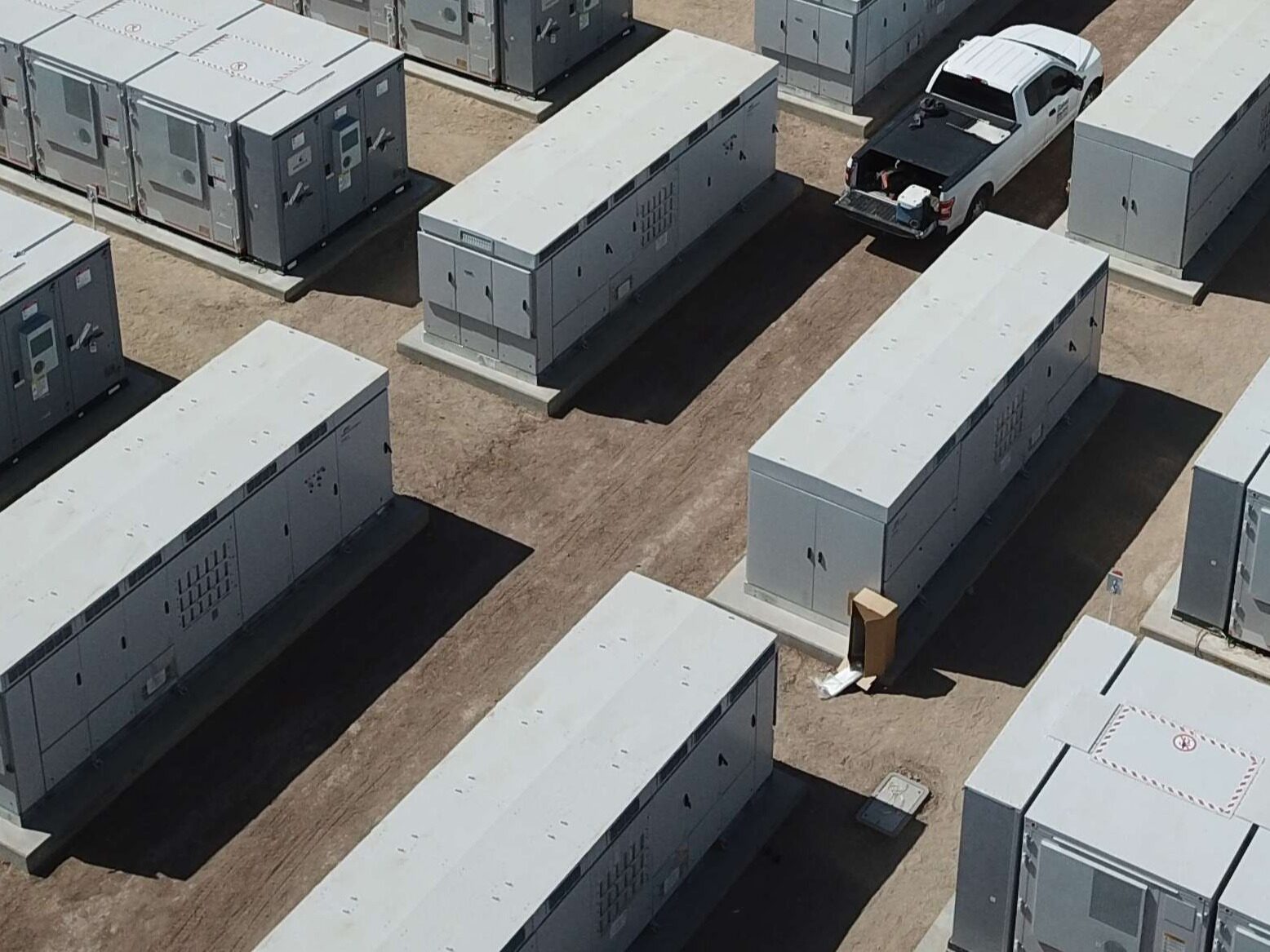
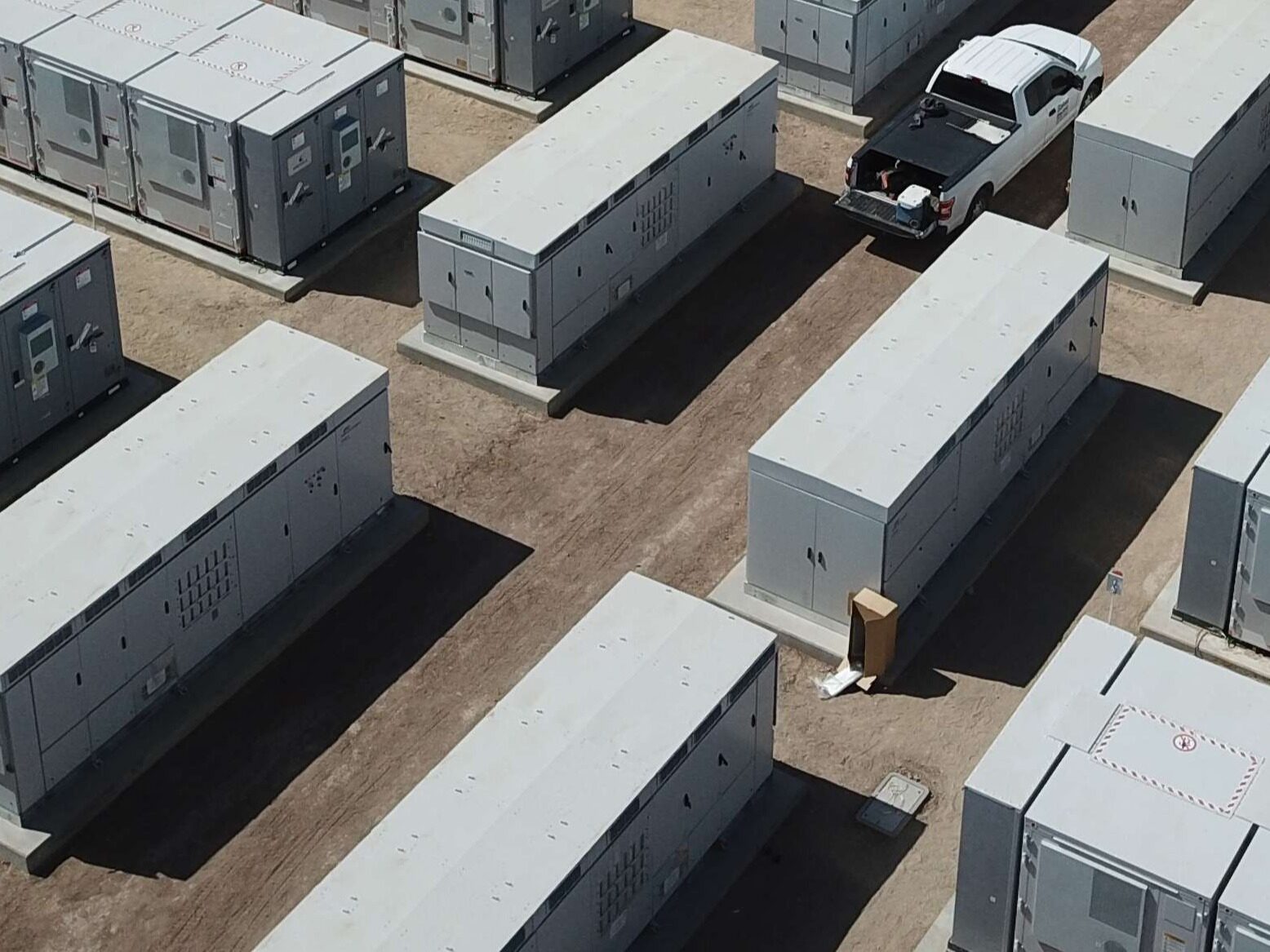
The two energy storage power stations that have started construction this time are located in the European energy hub region and emerging markets in Central Asia. They both use the current mainstream lithium iron phosphate battery energy storage system, with a core configuration of 40 5MW/10MWh standardized energy storage units, possessing the technical advantages of "high safety, high energy efficiency, and long service life". Project design deeply adapts to local electricity demand: The European project focuses on grid side peak shaving and will be equipped with an intelligent energy management (EMS) system, which can achieve millisecond level charging and discharging response according to regional electricity price fluctuations and changes in wind and solar power generation output, effectively smoothing out fluctuations in new energy generation; The Central Asia project focuses on stable power system support, reducing the impact of extreme weather on equipment operation through modular DC cabin design, while meeting the emergency power supply needs of local industrial parks.
The project team has completed the full process certification preparation for the technical standards and compliance requirements of overseas markets. The European project strictly complies with the VDE-AR-E2510-2 low-voltage grid connection new standard and IEC/EN 62477 safety standard, while the Central Asian project has been certified by local grid access regulations to ensure seamless connection to the regional power network after commissioning. The construction process will adopt a "localized collaboration+standardized construction" model, with core equipment precisely customized by domestic bases and on-site construction carried out in conjunction with local enterprises, ensuring project quality and creating over 800 job opportunities for the local area.

From the perspective of industry value, the comprehensive benefits of the two projects are significant after they are put into operation: the total annual discharge is expected to exceed 360 million kWh, which is equivalent to reducing the combustion of standard coal by 63600 tons and reducing carbon dioxide emissions by 1.15 million tons; At the same time, it can enhance the new energy consumption capacity of the region by about 15%, providing key support for the large-scale grid connection of clean energy such as wind power and photovoltaics. The relevant person in charge of the project investor stated that the commencement of the dual projects is an important practice of implementing the "globalization+localization" strategy. In the future, we will continue to deepen our cultivation of mature markets in Europe and America and emerging markets in Central Asia, and help achieve the global zero carbon goal through technology output and cooperation.
At present, both projects have completed site leveling and foundation construction preparation, and are expected to be put into operation in the second quarter of 2026.Editor/Bian Wenjun
Comment


 Praise
 Collect
 Comment

 Share
Share


Write something~