 Search


- Egypt launches 1500 megawatt hour energy storage project, opening up new market opportunities for Chinese enterprises
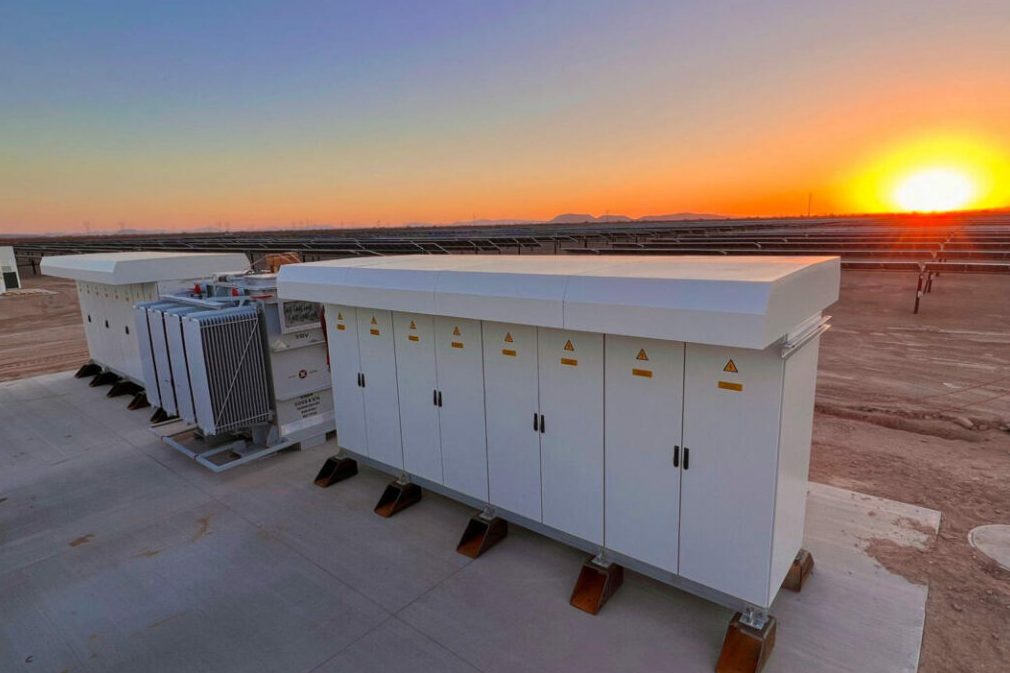
Egypt is simultaneously investing in independent energy storage stations with a total capacity of 1500 megawatt hours in the Aswan and Red Sea regions, aiming to achieve a renewable energy share of 42% by 2030 and generate 65% of its electricity from clean energy by 2040. This strategic layout marks a key acceleration of energy transformation in the Middle East and provides important opportunities for Chinese new energy enterprises to participate in the reshaping of the global energy structure.
Deep in the Aswan Desert, 800 kilometers south of Cairo, two independent energy storage power stations with a total capacity of 1500 megawatt hours are under construction. This is the largest battery energy storage project of the Egyptian government to date, led by the Ministry of Electricity and Renewable Energy and jointly promoted by international capital such as AMEA Power in the United Arab Emirates.
The project site selection has significant strategic importance. Aswan has the world's top solar radiation resources, while the Red Sea coast has a natural advantage in developing integrated offshore wind and solar storage projects. Egyptian Electricity Minister Mahmoud Ismail stated that these two energy storage stations will be directly connected to the national power grid, with a focus on solving the problem of intermittent renewable energy supply, especially to ensure stable power supply during peak summer electricity consumption periods.
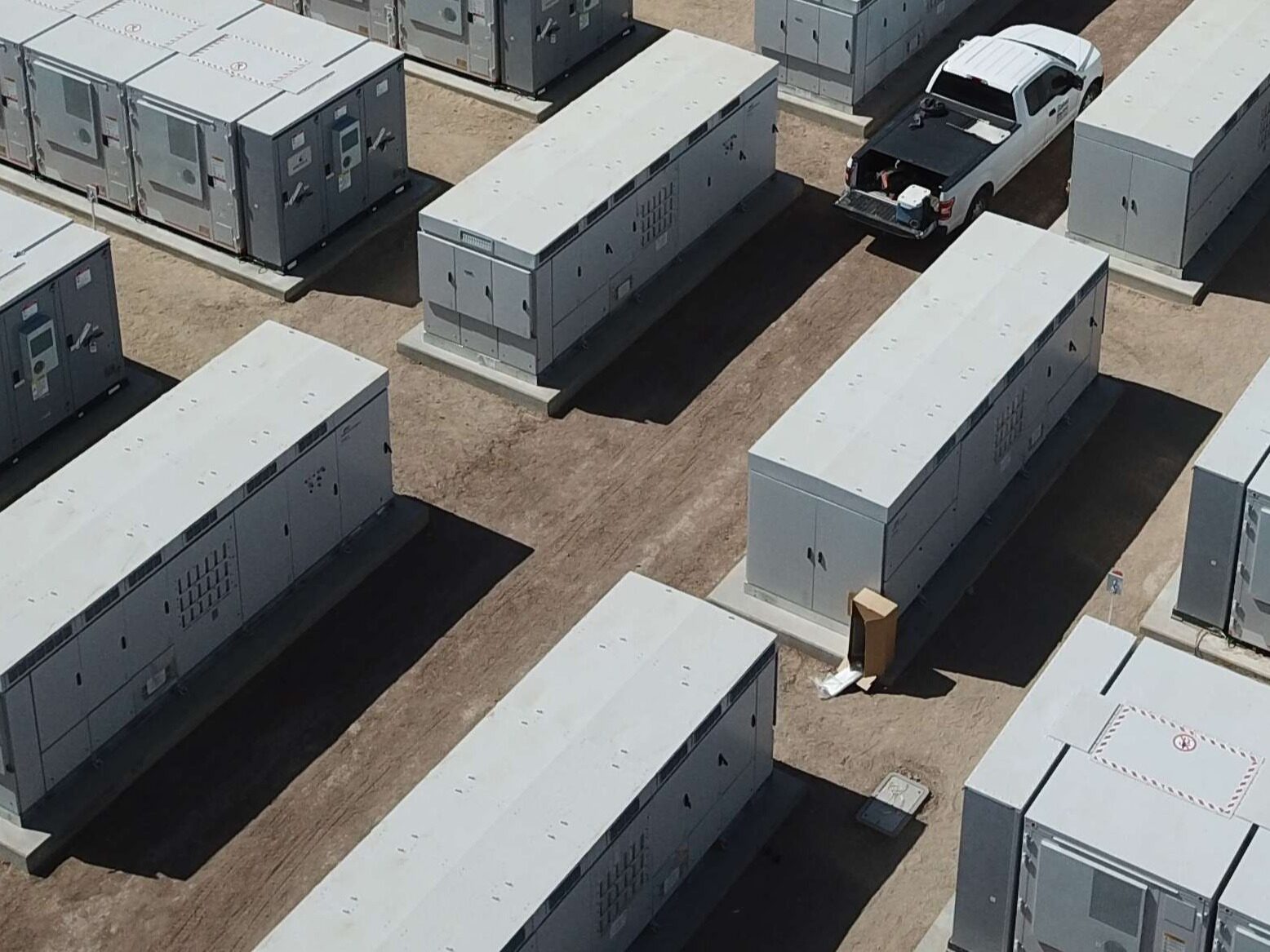
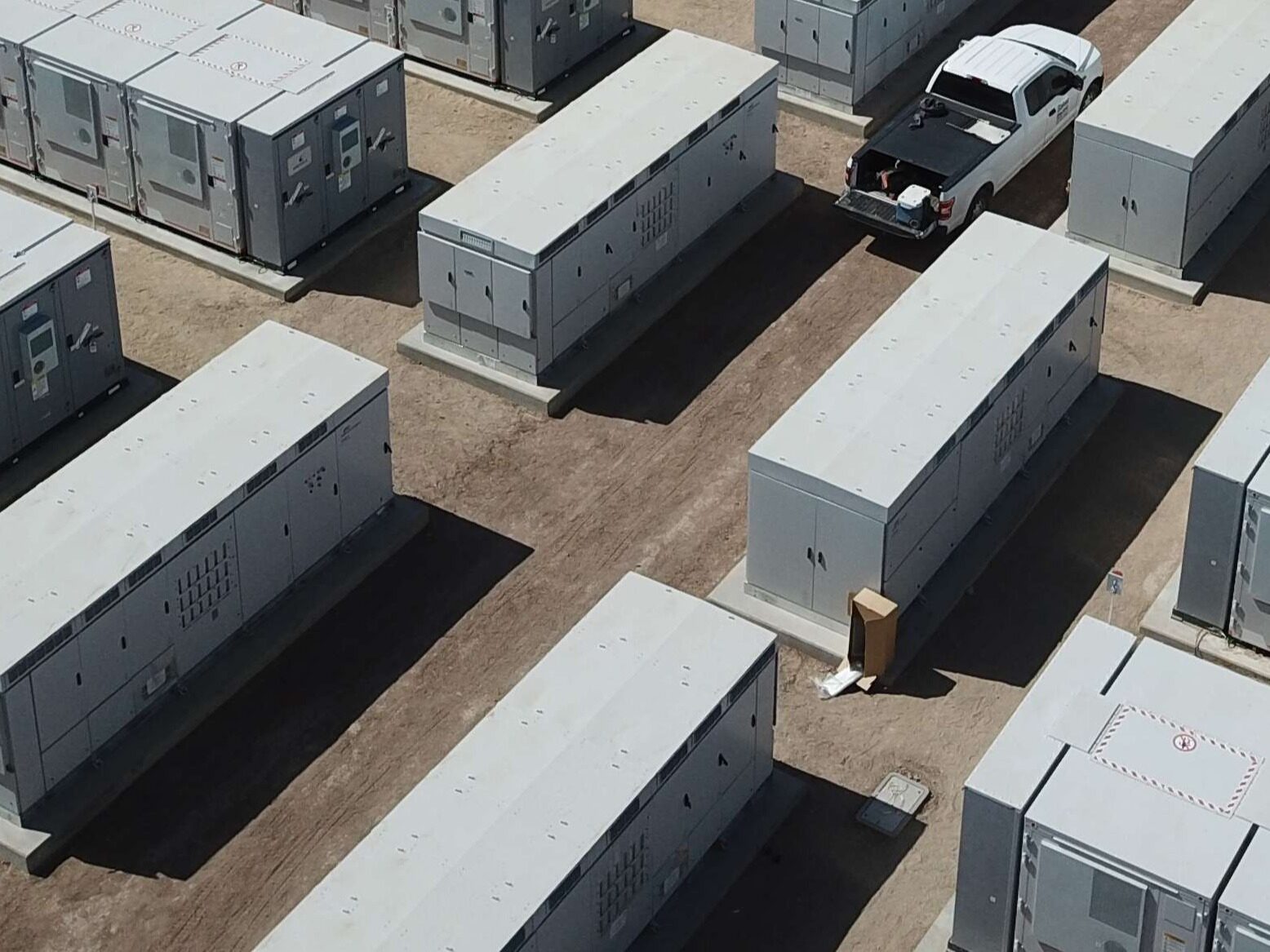
At present, one of the power stations has entered the construction sprint stage, and the supporting 600 megawatt hour battery system is constructed by AMEA Power, forming a photovoltaic storage collaborative demonstration project with the adjacent 1000 megawatt Abdos Phase II photovoltaic project. Another project located in the Red Sea region focuses on the application of long-term energy storage technology, which is seen as a key measure for Egypt to achieve its long-term clean energy goals.
Against the backdrop of accelerated restructuring of the global energy landscape, Egypt is seizing the opportunity with its dual wheel drive model of energy storage and renewable energy. According to the latest report from the International Energy Agency, the compound annual growth rate of the energy storage market in the Middle East is expected to exceed 25%. Egypt, with its abundant sunshine resources, advantageous geographical location, and strong government policy support, has become one of the most attractive investment destinations in the region.
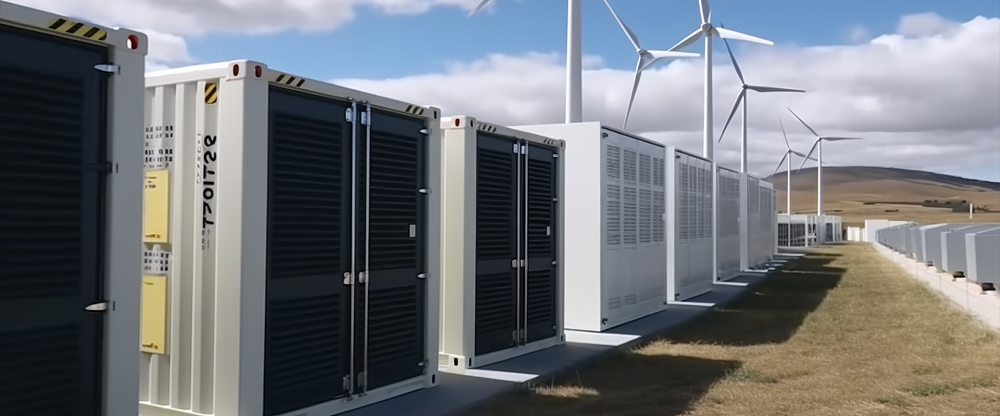
By the end of 2025, Egypt's installed capacity of renewable energy has reached 8.5 gigawatts, with photovoltaic and wind power accounting for over 70%. However, due to the bottleneck of energy storage technology, the proportion of new energy consumption has been hovering around 35% for a long time. The introduction of large-scale energy storage systems this time can not only increase the utilization rate of photovoltaic power generation to over 90%, but also help stabilize grid fluctuations and create conditions for larger scale clean energy grid integration in the future.
For Chinese companies, the rapid development of Egypt's energy storage market holds significant opportunities. BYD and other leading battery manufacturers have set up branches in North Africa, while Huawei Digital Energy collaborates with local operators to output intelligent string based energy storage solutions. However, Chinese companies still face multiple challenges in participating in the Egypt project: on the one hand, Gulf countries such as the United Arab Emirates and Saudi Arabia actively participate with their capital advantages, while local companies such as AMEA Power accelerate the process of technology localization; On the other hand, the Egyptian government has strict requirements for the localization rate of projects, requiring foreign-funded enterprises to establish joint ventures with local contractors and prioritize the procurement of components produced in Egypt.
In addition, geopolitical factors also need to be carefully addressed. With the continuous attention of the United States to the energy transition in the Middle East and the gradual implementation of the EU carbon border adjustment mechanism, Chinese companies must attach importance to adapting to international rules and standards while pursuing commercial interests. Officials from the Egyptian Ministry of Electricity have stated that all compliant investments are welcome, but projects must comply with international environmental, social, and governance standards, which are important conditions for future participation in global energy cooperation.
Egyptian President Sisi announced at the recent Africa Climate Summit that the country plans to invest over $50 billion in clean energy infrastructure over the next decade, with energy storage accounting for over 30% of the total. In addition to the Aswan and Red Sea projects, multiple integrated solar and energy storage complexes are accelerating in the Nile Delta and Sinai Peninsula, with the goal of building a nationwide smart microgrid system. Keywords: Energy Storage Latest News, Energy Storage New Energy News
For Chinese companies interested in exploring the Middle East market, Egypt is both an important market and a regional pivot. By establishing a strategic partnership with the Egyptian Electricity Company, participating in energy storage system integration, operation and maintenance services, and designing electricity market trading mechanisms, not only can we accumulate high-end market experience, but we can also use this as a basis to radiate throughout the African continent. Industry analysts point out that Egypt is driving the deepening of energy transformation in the Middle East, and companies seizing opportunities in this energy storage revolution are expected to occupy important positions in the global green value chain. editor/Yang Beihua
Comment

 Praise
 Collect
 Comment

 Share
Share


Write something~