 Search


- Sinopec's US $3.7 billion refinery project has broken the ice and deepened the Belt and Road cooperation
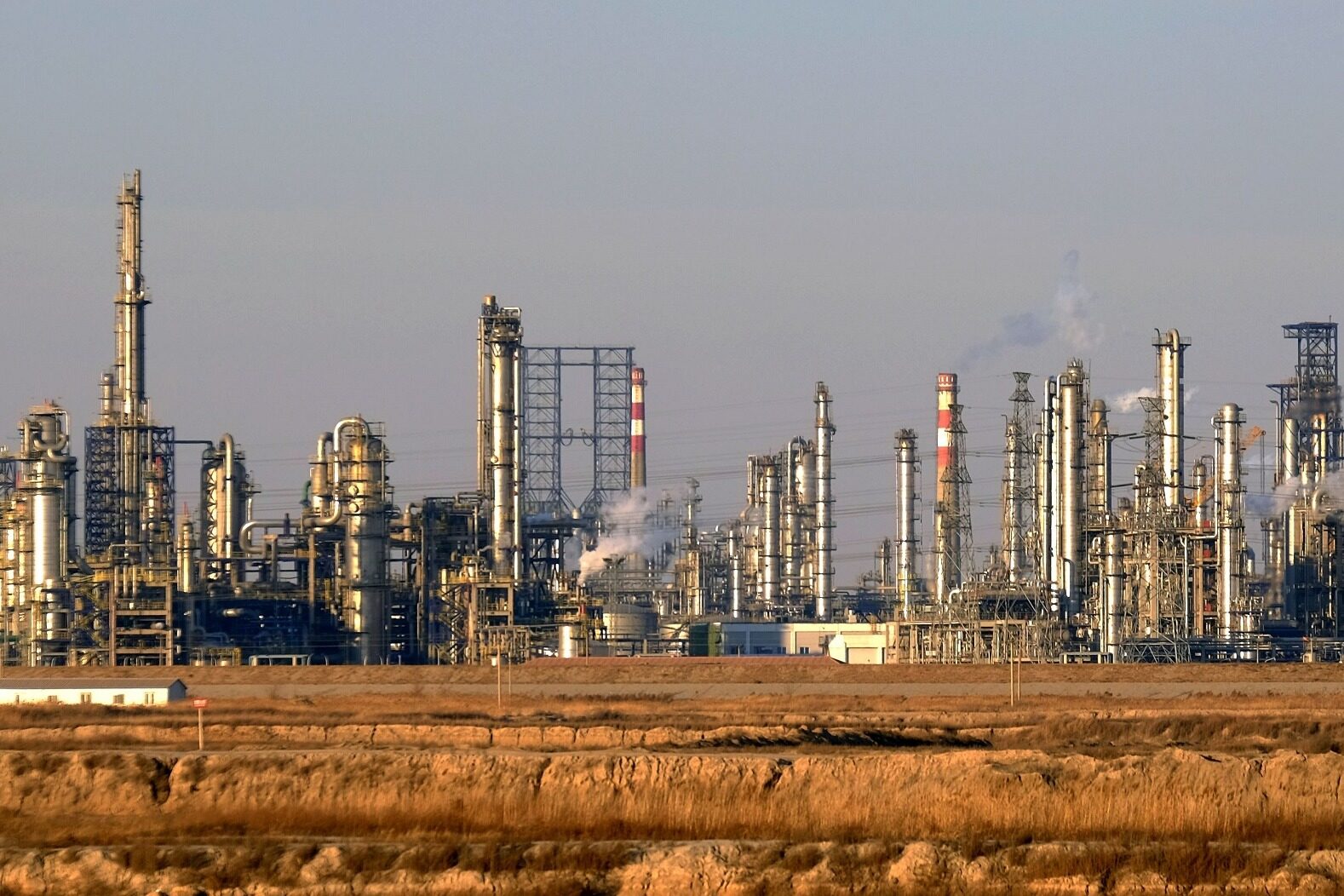
After months of negotiation deadlock, Sinopec's $3.7 billion refinery project in Hambantota, Sri Lanka has recently achieved a significant breakthrough. In mid October this year, a delegation led by Lv Liang, Senior Vice President of Sinopec, visited Sri Lanka and held intensive talks with senior government officials such as Sri Lankan Foreign Minister Vegeta Herat. The two sides ultimately reached an important consensus to "immediately launch the project". This breakthrough marks the official entry of the largest foreign direct investment project in Sri Lanka's history into the substantive promotion stage.
The project is planned to process 200000 barrels of crude oil per day, and upon completion, it will effectively alleviate Sri Lanka's energy shortage problem. It is estimated that the refinery can meet 40% of Sri Lanka's refined oil demand, with an expected annual export revenue of 6-8 billion US dollars, and will become an important pillar in driving the country's economic recovery. The Sri Lankan government has regarded this project as a core initiative to achieve energy independence strategy.

The breakthrough of this project is due to the consensus reached by both parties on key commercial terms. In July 2025, the project was stalled due to issues such as local market share allocation. After multiple rounds of difficult negotiations, the Sri Lankan side finally agreed to increase the local sales ratio to 40%, clearing the main obstacles for the project's progress. In addition, both parties have made positive progress in key provisions such as land allocation and tax incentives.
As a key project of China Sri Lanka joint construction of the the Belt and Road, the construction of Hambantota Refinery will introduce advanced environmental protection technologies such as carbon capture and cleaner production, and is expected to create tens of thousands of direct and indirect jobs. According to the Sri Lankan Minister of Energy, the project land and supporting facilities are ready and expected to be completed within three years. It is expected to be officially put into operation around 2028. Keywords: New Energy Information Network, Latest News on New Energy
The project is located at the key point of the Asia Europe Africa maritime route. After completion, it will rely on the shipping hub advantage of Hambantota Port to create an energy supply center that radiates to South Asia and the Middle East. Industry analysis believes that this will not only help Sri Lanka achieve its energy independence goal, but also profoundly affect the energy supply pattern in South Asia, becoming another model of mutually beneficial cooperation between China and Sri Lanka. Editor/Yang Beihua
Comment


 Praise
 Collect
 Comment

 Share
Share


Write something~