 Search


- Seven key petrochemical projects under construction in China in 2026, with a total investment of over 350 billion yuan
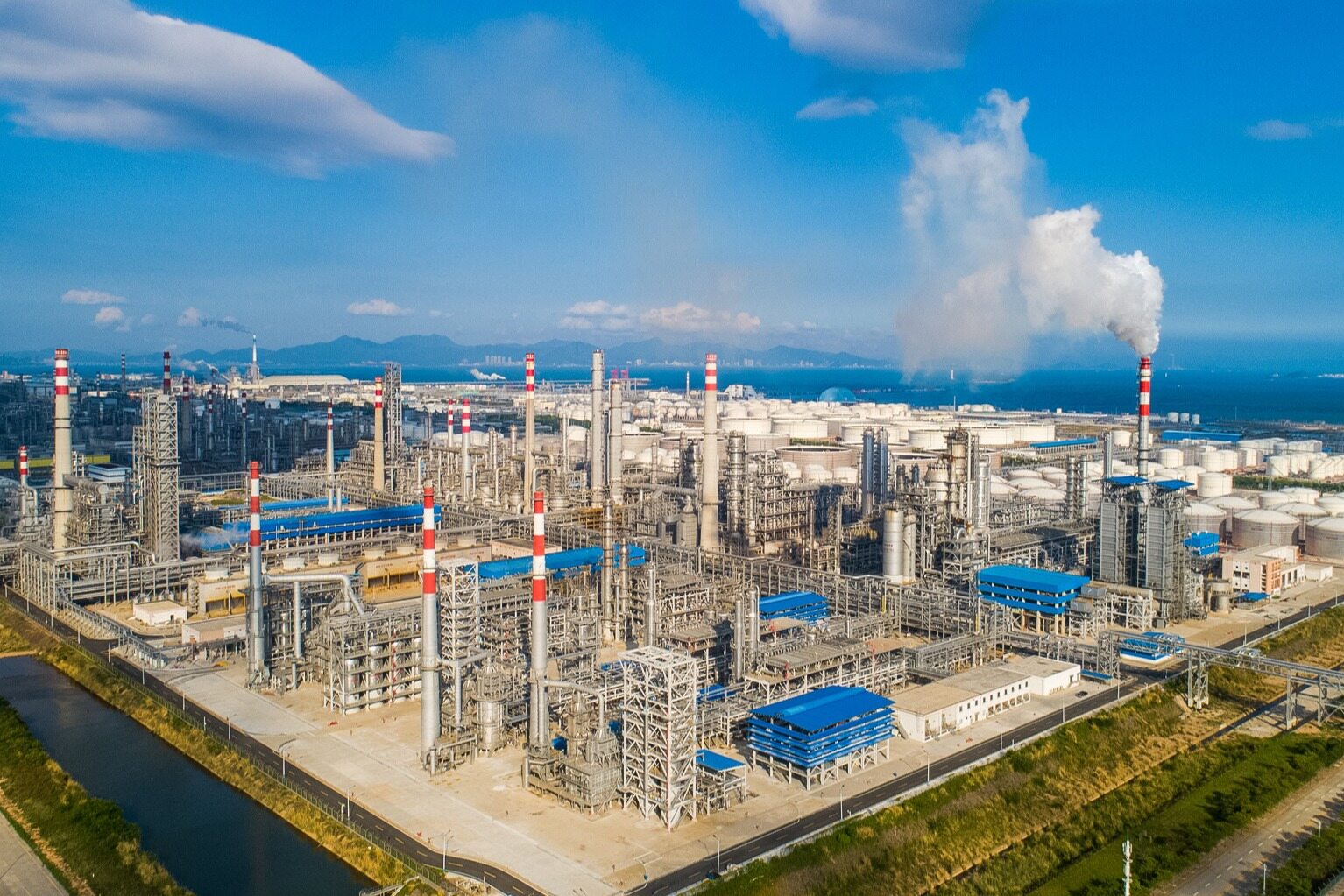
In 2026, China's petrochemical industry is ushering in a new wave of large-scale and high-end development. With the sustained recovery of the national economy and the continuous improvement of the resilience of industrial and supply chains, a batch of major integrated refining and chemical projects with a total investment of over 350 billion yuan are being orderly promoted in many parts of the country, covering a vast area from the Shandong Peninsula to the northwest border. These projects not only have a huge investment scale, but also demonstrate new characteristics in terms of technological routes, product structures, and green development, jointly drawing up China's upgrade roadmap from a petrochemical power to a petrochemical powerhouse.
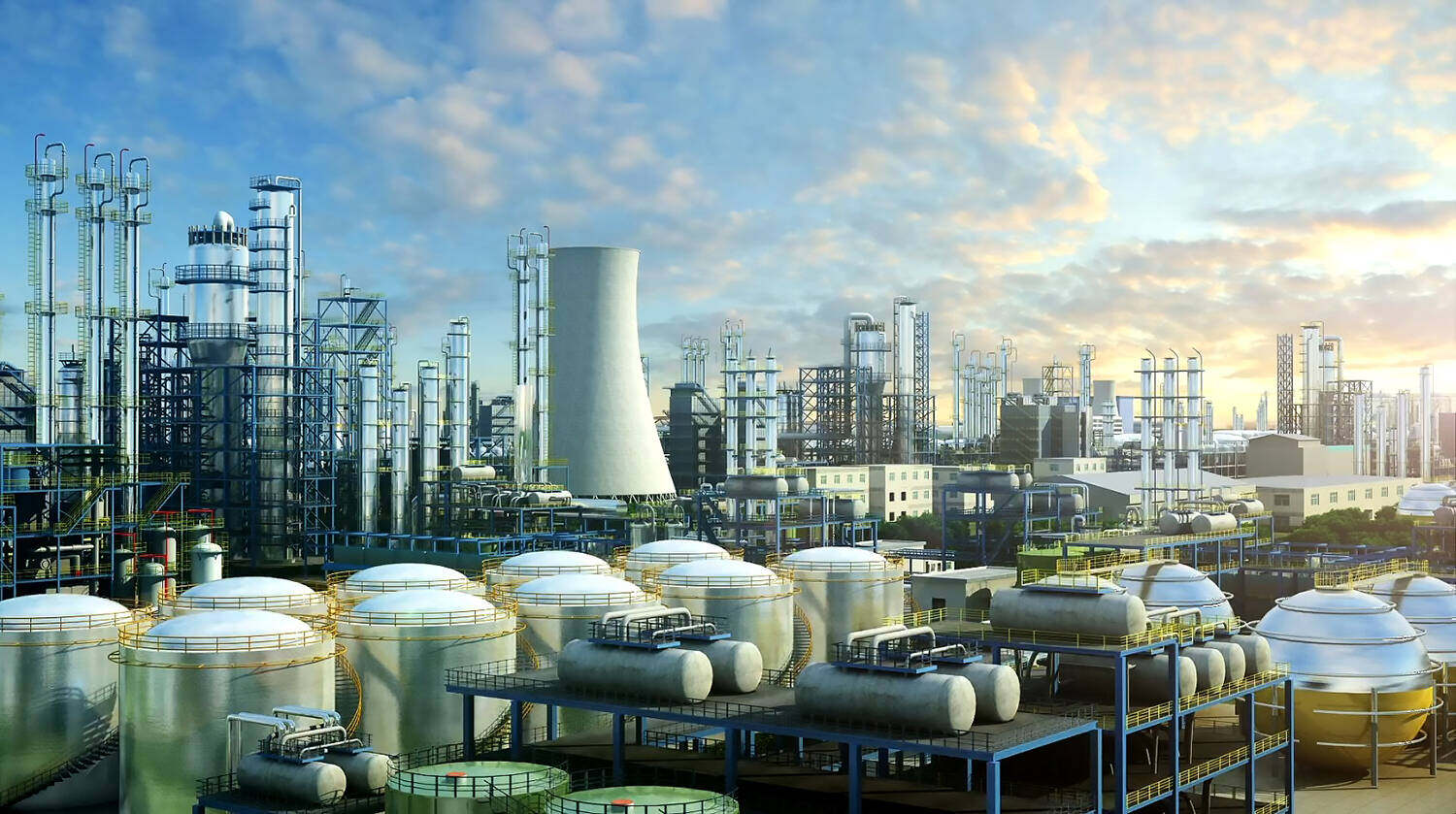
The investment scale is huge, and the layout covers the whole country
According to the latest inventory, the total investment of the seven key petrochemical projects currently under construction in China exceeds 350 billion yuan, with individual project investments exceeding 20 billion yuan. Among them, the downstream and extended industrial chain project of Shandong Yulong Petrochemical has a total investment of 117.857 billion yuan, becoming the flagship project in this round of investment. From the perspective of regional distribution, the project layout presents a trend of synergy between coastal and inland areas, with multiple points blooming: Shandong has become the province with the most intensive investment due to the three major projects of Yulong, Dongming, and Qilu; Fujian, Liaoning, Hunan, Xinjiang and other places have also implemented major projects worth billions of yuan, fully reflecting the strategic intention of the country to optimize the layout of the petrochemical industry and promote regional coordinated development. These projects are expected to be completed and put into operation between 2026 and 2030, significantly enhancing China's ability to guarantee basic chemical raw materials and high-end new materials.
Technological roadmap upgrade, products move towards high-end
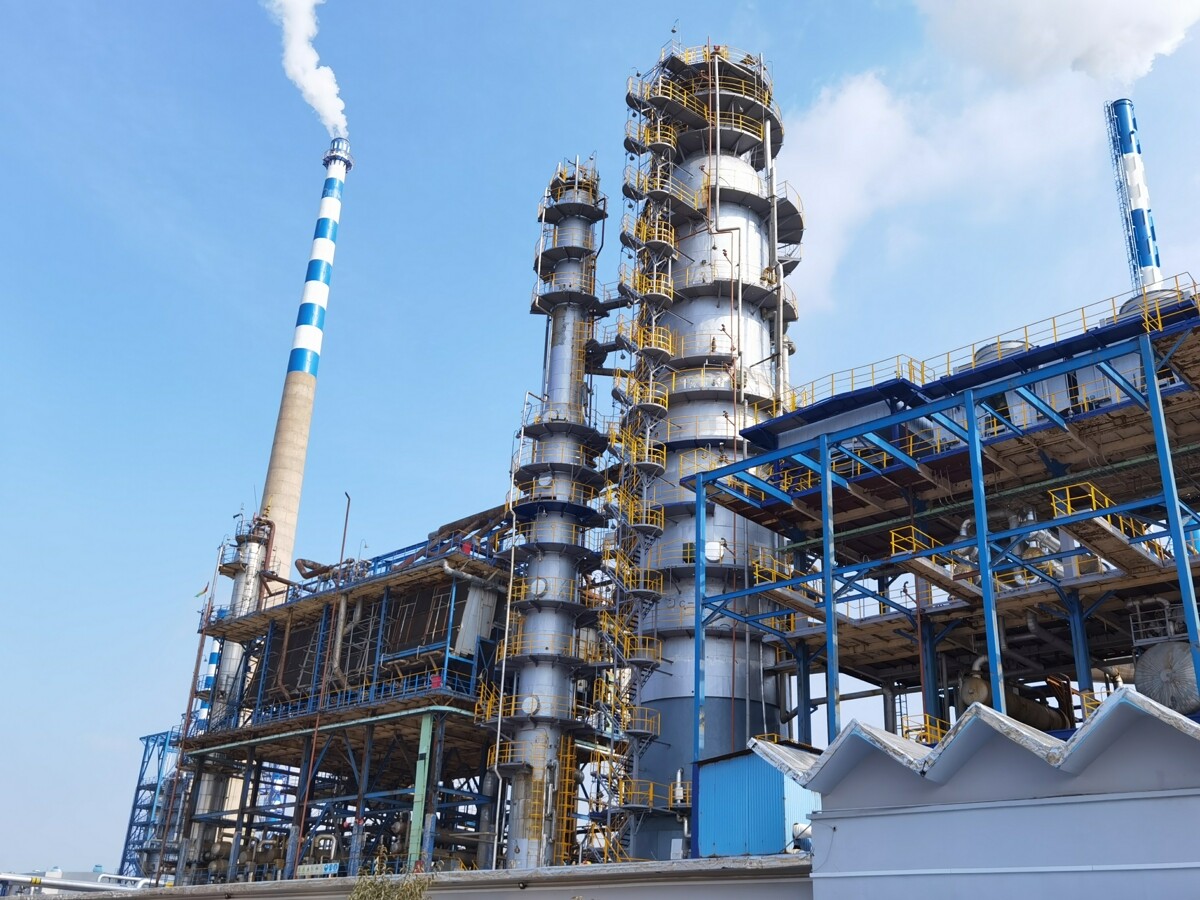
The centralized construction project generally adopts the internationally advanced integrated refining and chemical technology route, with the core feature of using larger scale ethylene plants as the leader and extending the high value-added industrial chain downstream. For example, the Fujian Zhongsha Gulei Ethylene Project is designed to produce 1.5 million tons of ethylene annually, while the Dushanzi Petrochemical Phase II Ethylene Project has a production capacity of 1.2 million tons. In terms of product structure, the project generally exceeds the traditional fuel based production mode, with a focus on laying out polyethylene, polypropylene POE、 High end chemical new materials such as carbon fiber raw materials and special rubber. In addition, intelligence and greenization are integrated into the project design, and advanced equipment such as DCS control system, SIS safety instrument system, all electric drive compressor, and low concentration carbon dioxide capture equipment are widely adopted. Among them, the domestication rate of equipment in the Dushanzi project exceeds 98%, demonstrating the technical strength of China's equipment manufacturing. Keywords: Petrochemical New Energy Network, Petrochemical Energy Network
Drive industrial transformation and ensure supply chain security
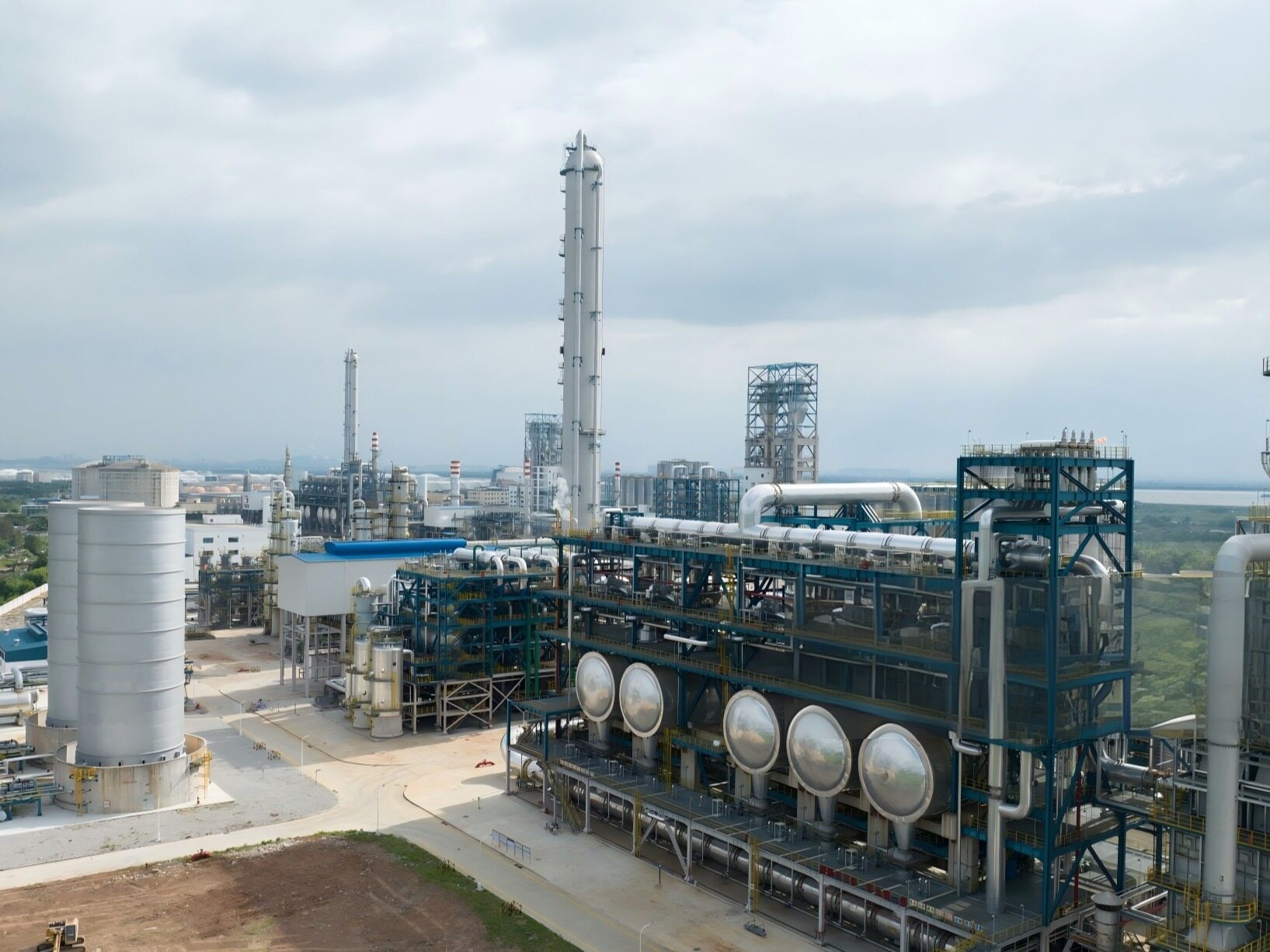
The construction of these major projects has profound strategic significance for China's petrochemical industry and even the national economy. Firstly, they will effectively promote the structural optimization of domestic refining capacity, accelerate the elimination of outdated capacity, enhance industrial concentration and overall competitiveness. Secondly, the project focuses on olefins, aromatics, and their downstream new materials, which are key basic raw materials for strategic emerging industries such as new energy vehicles, high-end equipment, and electronic information. Their large-scale localization will effectively reduce downstream manufacturing costs and enhance the independent controllability of the industrial and supply chains. Finally, by introducing innovative models such as green electricity and green hydrogen coupling (such as some projects planning to support wind solar hydrogen production), these projects are also actively exploring the low-carbon transformation path of the traditional petrochemical industry, providing practical examples for the industry to implement the "dual carbon" goal, and driving the industry towards a green and sustainable future development.Editor/Gao Xue
Comment

 Praise
 Collect
 Comment

 Share
Share


Write something~