 Search


- The EU launches the strictest new battery policy, requiring technology transfer, posing challenges for Chinese energy storage companies
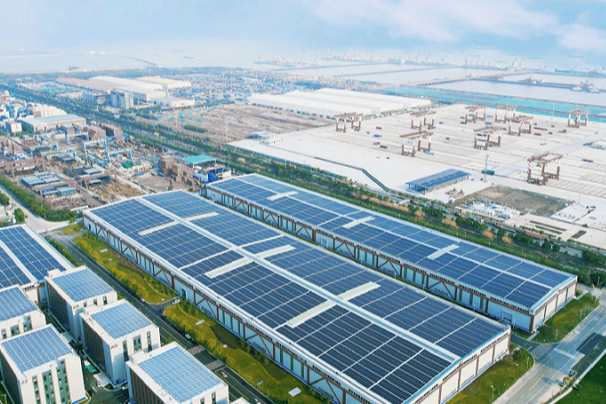
Recently, the European Union officially disclosed a draft of the Industrial Accelerator Act, known as the "strictest market access regulation in the past decade," which requires non EU companies to comply with a 40% localization requirement and faces a binary choice between mandatory technology transfer or establishing joint ventures. Faced with this policy storm that directly impacts their core overseas markets, Chinese energy storage companies are actively seeking countermeasures.
Analysis of New Policies: Industry Anxiety Behind Radical Policies
The core of the EU IDAA Act is to directly link market access with technological autonomy. The draft stipulates that for enterprises that refuse technology transfer, it will be mandatory to form joint ventures with local enterprises, and the EU side will hold no less than 35% of the shares. This move is nominally applicable to all non EU companies, but its goal is aimed at Chinese companies that have a competitive advantage in the field of new energy.
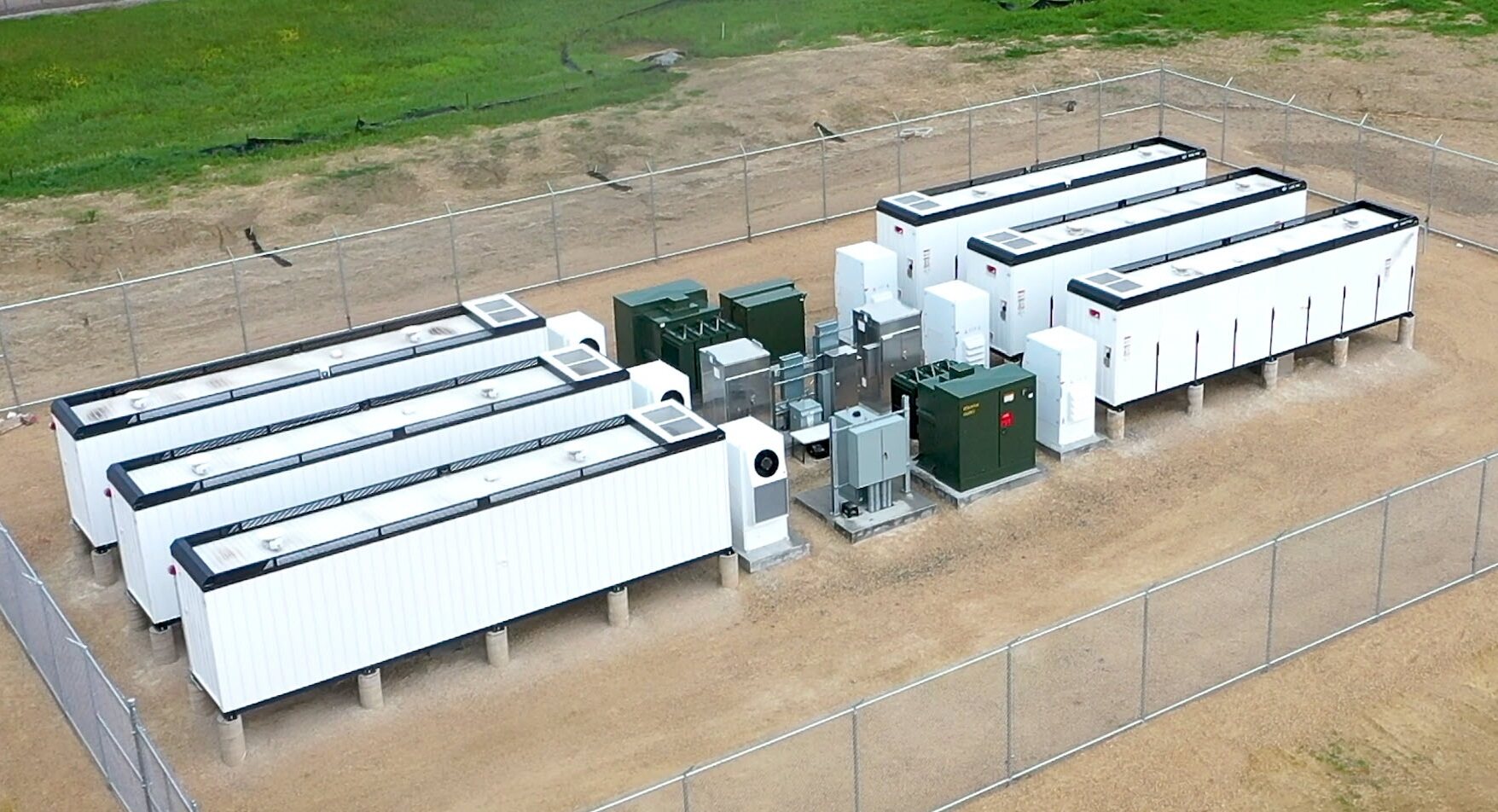
The root cause of the EU's aggressive policies lies in the multiple challenges facing its battery industry: high dependence on imported key raw materials in the supply chain, lack of experience in mass production technology, and high energy costs. Although the EU has provided huge funding for power battery projects, the difficulties faced by local companies such as Northvolt indicate that it is difficult to establish an independent industrial chain solely through funding, which has prompted the EU to include mandatory technology transfer in its legislative framework for the first time.
Market pattern: Europe has become the core of China's energy storage going global
The European market is crucial for Chinese energy storage companies. Data shows that from January to September 2025, among China's overseas energy storage orders, Europe ranked first with 48.08 GWh, accounting for 22.4%, with Poland, the United Kingdom, and Germany as the main destinations. The proportion of European business of top enterprises is mostly in the range of 30% -70%, and the gross profit margin is significantly higher than that of domestic enterprises. The European market is not only the core of revenue but also the pillar of profit.
In terms of production capacity layout, Chinese companies have planned overseas production capacity exceeding 800 GWh, with Europe accounting for over 50%, mainly distributed in countries such as Hungary, Spain, and Germany. It is expected that from 2026 to 2028, there will be a period of concentrated overseas production capacity. By 2030, the battery cell production capacity of Chinese enterprises operating overseas will exceed 300GWh.
Response strategy: Balancing technology protection and market diversification
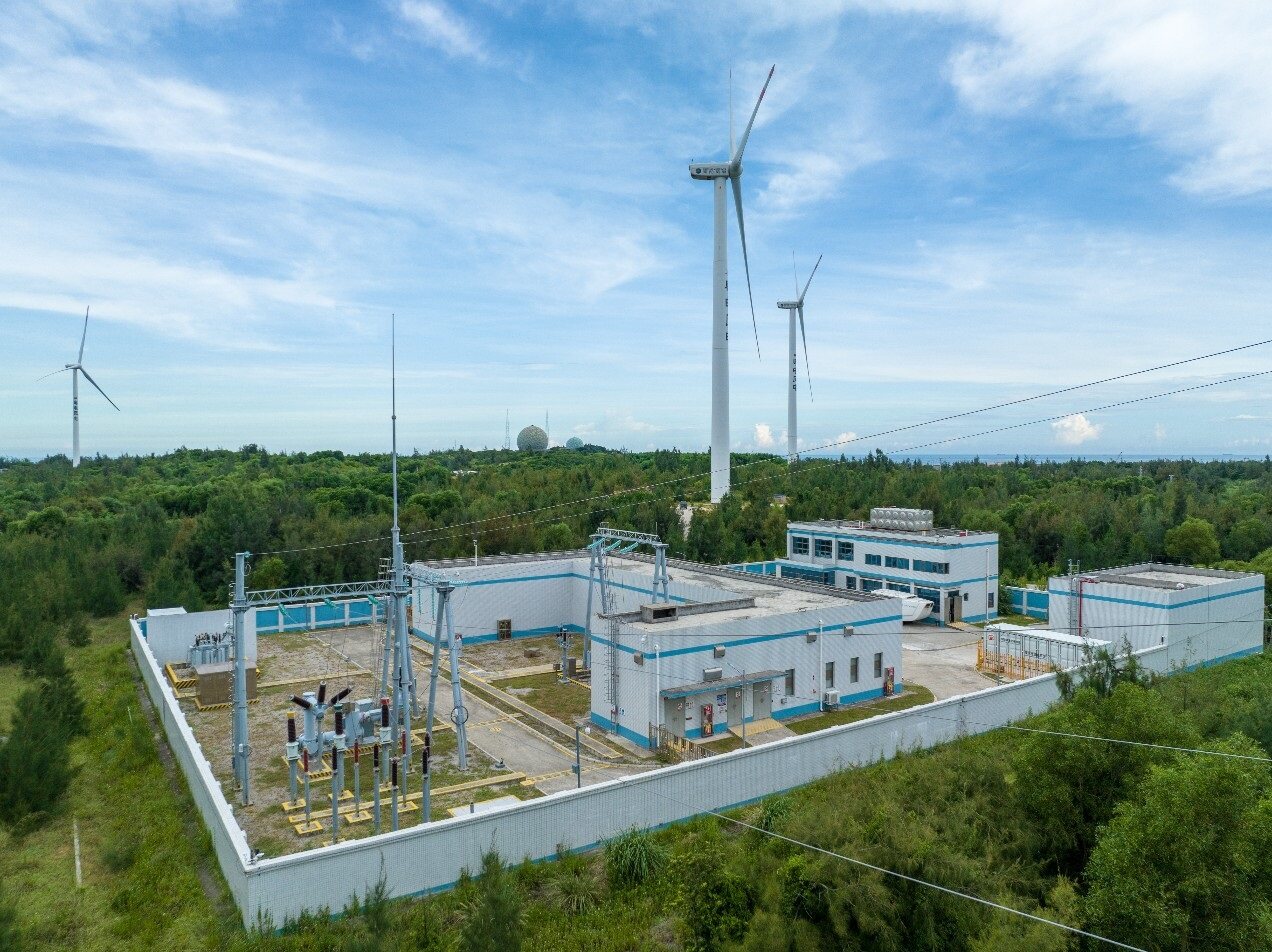
Faced with the new regulations, the Chinese government and enterprises have begun to respond from multiple dimensions. In July 2025, China will include the preparation technology of battery positive electrode materials in the list of prohibited and restricted export technologies; In October, it was announced that export licensing controls would be implemented on some lithium batteries and key materials. At the enterprise level, response strategies vary depending on technological attributes and corporate strength: integrated enterprises such as Sunac are accelerating the landing of European production capacity, aiming to increase localization content to 40% while reducing technological risks through patent cross licensing. Vertical enterprises such as CATL rely on their existing overseas production capacity expansion advantages and establish joint ventures with Stellantis and other groups to avoid policy risks and export technical standards. Small and medium-sized energy storage enterprises are turning to emerging markets such as the Middle East and Latin America, where energy storage demand is expected to grow at a rate of 60% -80% by 2025, with less policy resistance. Keywords: Energy Storage Latest News, Energy Storage New Energy News
In the short term, under the influence of patent protection and government negotiations, the probability of core technology leakage is relatively low, but partial openness of application layer technology may become a necessary cost for entering the European market. In the long run, as the head of BYD Europe said, only by accelerating the research and development of cutting-edge technologies such as next-generation solid-state batteries can we take the initiative in future games. (This article is from the official website of Jian Dao www.seetao.com. Reproduction without permission is prohibited, otherwise it will be prosecuted. Please indicate Jian Dao website+original link when reprinting.) Jian Dao website new energy column editor/Yang Beihua
Comment




 Praise
 Collect
 Comment

 Share
Share


Write something~