 Search


- This project marks a substantial breakthrough in the integration of transportation in the Iberian Peninsula
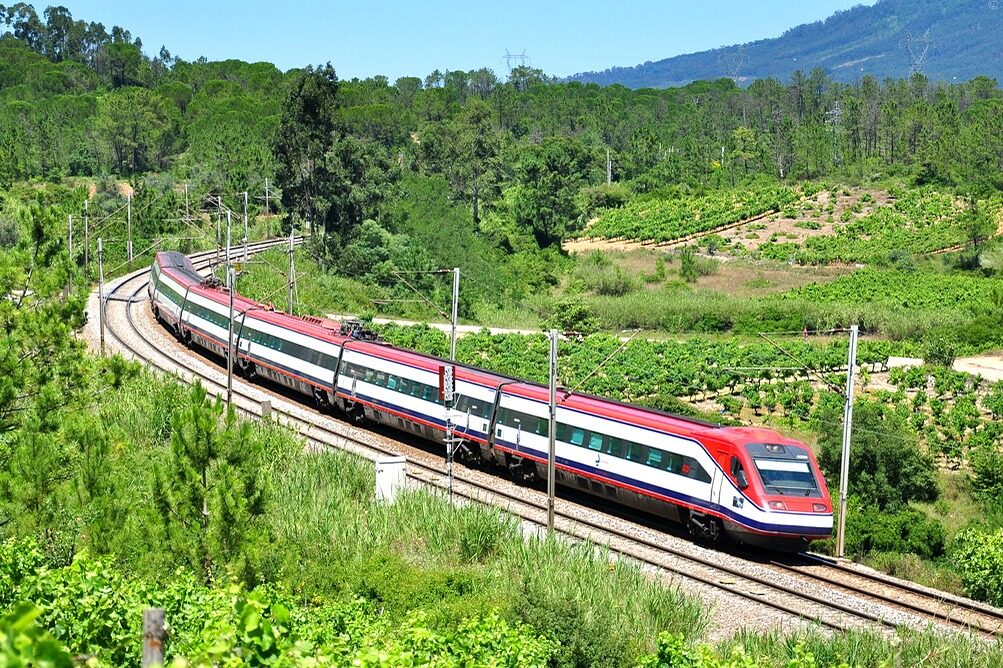
Under the active promotion of the European Commission, Portugal, Spain, and the European Commission have recently jointly finalized the construction plan for a high-speed railway line connecting Lisbon and Madrid, marking the substantive stage of this strategic transportation project spanning the Iberian Peninsula. According to the implementation decision released by the European Commission on October 30th, this high-speed corridor that runs through the two countries will be constructed in stages, with the ambitious goal of achieving a 3-hour direct connection between the two capitals by the end of 2034.

According to the plan, the Evora Kaya section project in Portugal will be completed by the end of this year and officially put into operation in 2026. The dual track project of the conventional line from Posirao to Bambel will be launched in 2025 and put into use by the end of 2029. On the Spanish side, the Pransecia Tarayula highway section will be put into operation by the end of 2028. Combined with the electrification renovation of the conventional line from Tarayula to Unimanes, the travel time from the Portuguese border to Madrid will be reduced to less than 3 hours by the end of 2030.
To achieve the ultimate goal of a 3-hour access to the entire line by 2034, the research work on the Lisbon Evora high-speed line, including the construction of a new Tagus River crossing project, will be completed by the end of 2027. The project is planned to be completed and opened to traffic in 2034, which will also be the target year for the completion of the dual track transformation of the Evora Kaya section. Meanwhile, research on the Kaya Badajoz highway section in Spain will begin this year and is expected to be completed by 2027. If the two countries decide to advance construction, including building new stations in border areas, this section will also be put into use before 2034.
The implementation decision also specifies the deployment schedule for the European Railway Traffic Management System (ERTMS). By the end of 2027, Portugal and Spain will each develop coordinated plans to unify the use of the 1435mm European standard gauge on this high-speed line, achieving comprehensive alignment of technical standards.
Miguel Pinto Luz, the Minister of Infrastructure and Housing of Portugal, emphasized that "through specific investments, clear timelines, and coordination between the two countries, we have correctly ensured that high-speed railways become a reality that serves the people, economy, and territorial cohesion." The Lisbon Madrid line, which is slightly over 600 kilometers long, has achieved a 3-hour direct service, fully demonstrating the EU's ability to build a high-speed railway network throughout Europe. European Commissioner for Sustainable Transport and Tourism, Apostolos Tsikostas, pointed out that "such connections make railway travel a truly attractive and sustainable choice for intercity travel
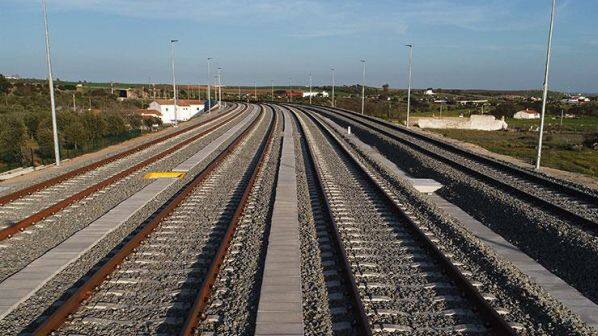
The construction of this high-speed corridor will not only reshape the transportation pattern of the Iberian Peninsula, but also strengthen the connectivity of Southwest Europe, injecting strong impetus into the construction of a European integrated high-speed rail network. As the project progresses, the time and space distance between Lisbon and Madrid will be significantly shortened, opening up new possibilities for economic and trade exchanges, cultural exchanges, and tourism development between the two places.Editor/Cheng Liting
Comment

 Praise
 Collect
 Comment

 Share
Share


Write something~