 Search


- The largest solar energy storage project in Central Asia has received142 million in financing, and will build 1 gigawatt of photovoltaic
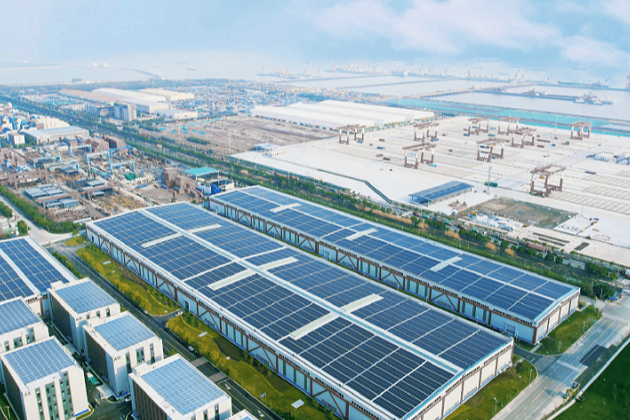
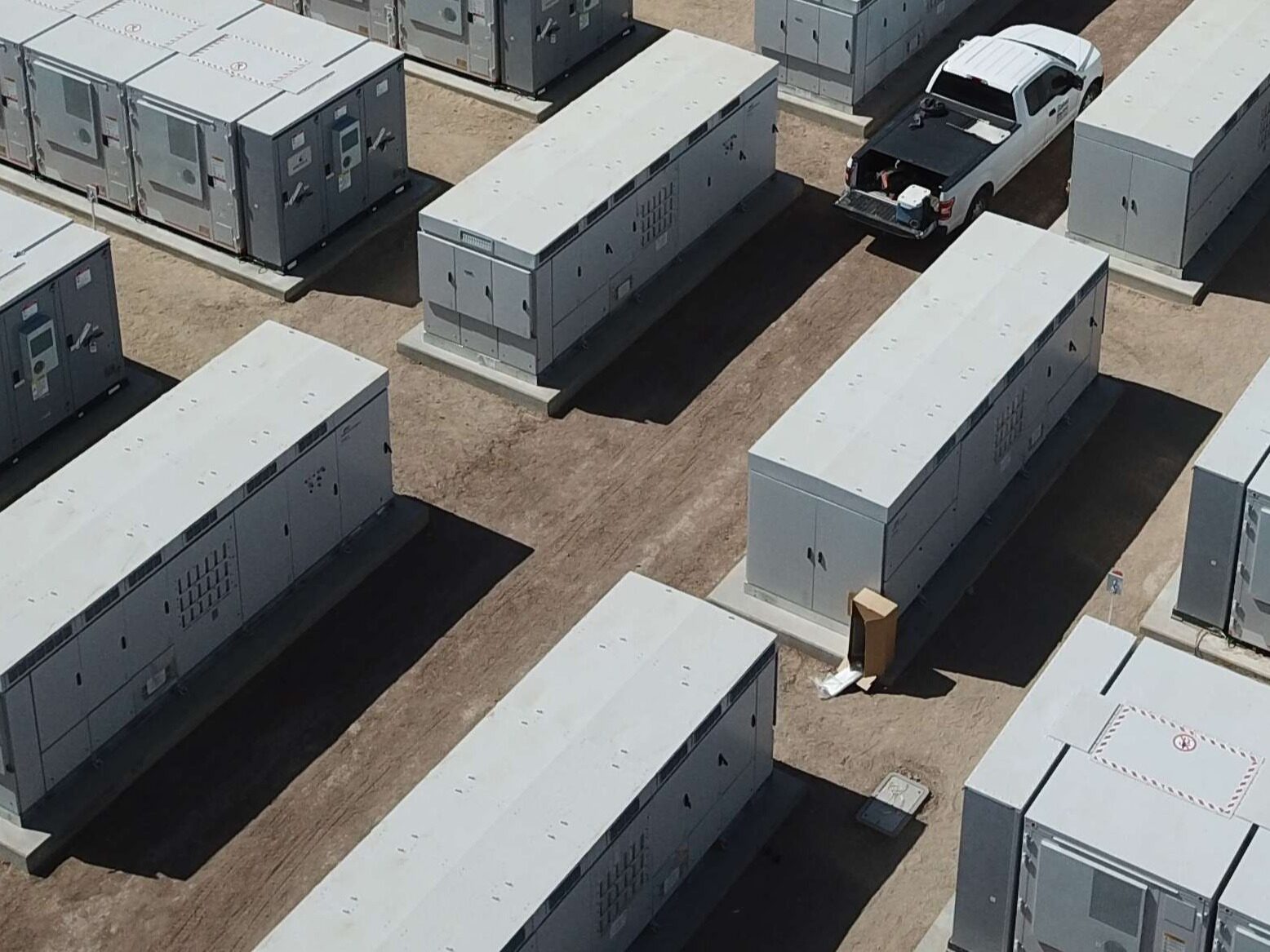
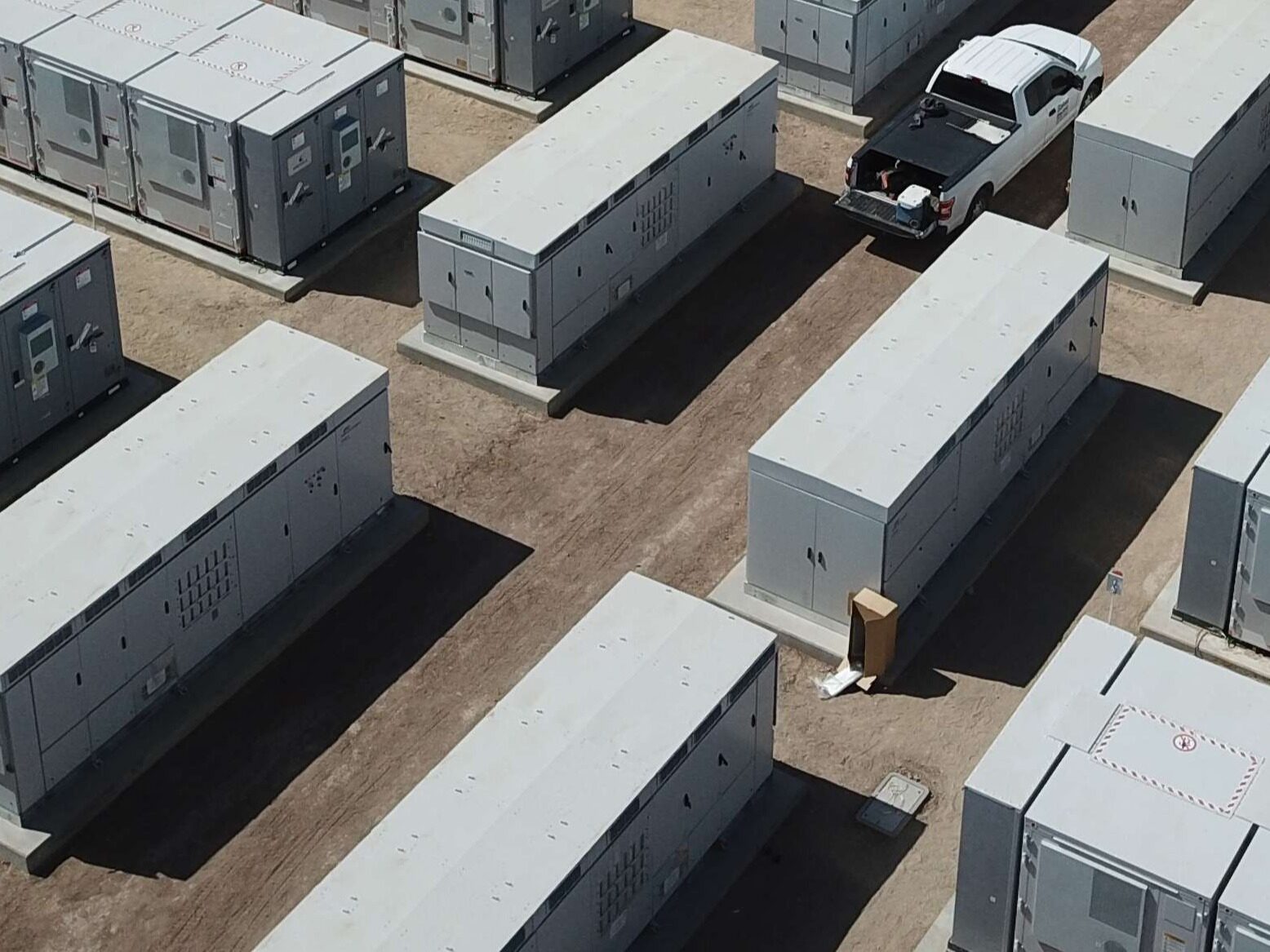
The European Bank for Reconstruction and Development recently announced a total of $142 million in financing for two large-scale integrated solar energy storage projects in Uzbekistan. These two projects, led by Saudi Arabia's ACWA Power, will construct a total of 1 gigawatt of photovoltaic power generation and 1.34 gigawatt hours of energy storage system, which will become the largest photovoltaic storage joint facility in Central Asia after completion.
The project adopts a symmetrical layout model, constructing 500 MW photovoltaic and 668 MW energy storage systems in Samarkand and Bukhara regions respectively. The Samarkand project received a loan of 61 million US dollars, and the Bukhara project received a loan of 81 million US dollars, forming a regional complementary power supply pattern.
This financing reflects the characteristics of multilateral cooperation, with the participation of institutions such as the Asian Development Bank, the Islamic Development Bank, and the Japan Bank for International Cooperation, in addition to the European Bank for Reconstruction and Development. The equity structure of the project also exhibits international characteristics. In addition to ACWA Power, Japanese companies such as Sumitomo Corporation, Shikoku Electric Power, and Chubu Electric Power have entered the Uzbekistan solar energy storage market for the first time.
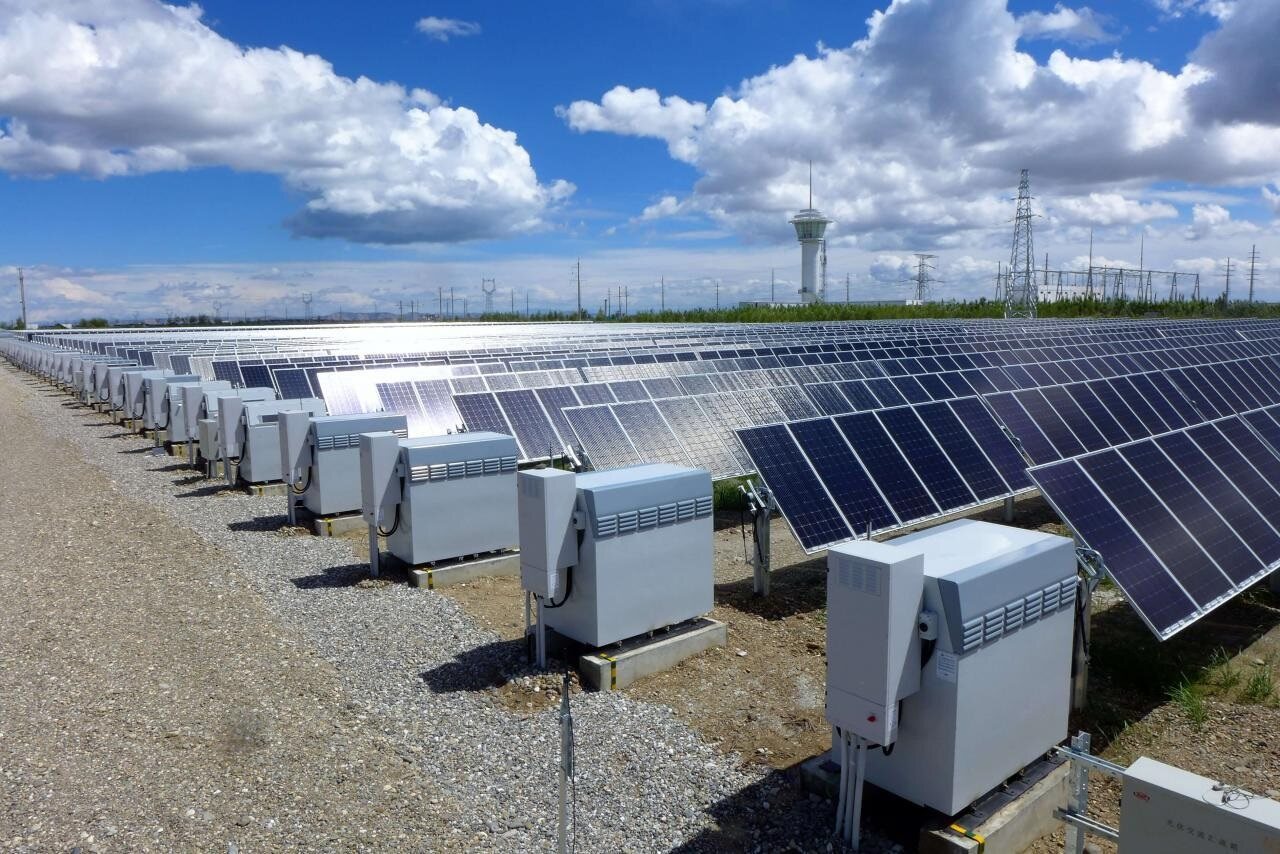
According to data from the International Renewable Energy Agency, by the end of 2025, the total installed capacity of photovoltaics in Uzbekistan has reached 2.28 gigawatts, a significant increase from 475 megawatts in 2023. The country plans to increase the total installed capacity of photovoltaic and wind power to 25 gigawatts by 2030. Keywords: Energy Storage Latest News, Energy Storage New Energy News
The implementation of this landmark project indicates that the photovoltaic energy storage integration model is moving from pilot to large-scale application in the Central Asian energy market. Energy storage systems have become a key link for emerging markets to achieve a high proportion of renewable energy access, and cooperation between multilateral financial institutions and international developers is reshaping the regional energy investment landscape. Editor/Yang Beihua
Comment


 Praise
 Collect
 Comment

 Share
Share


Write something~