 Search


- With Malaysia vigorously promoting industrial upgrading, Chinese enterprises are facing significant investment opportunities
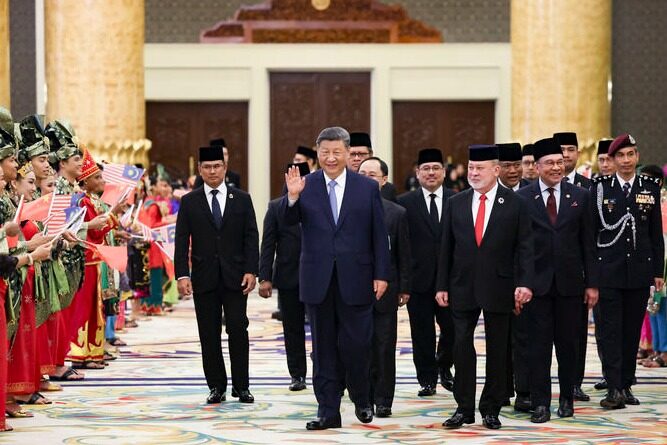
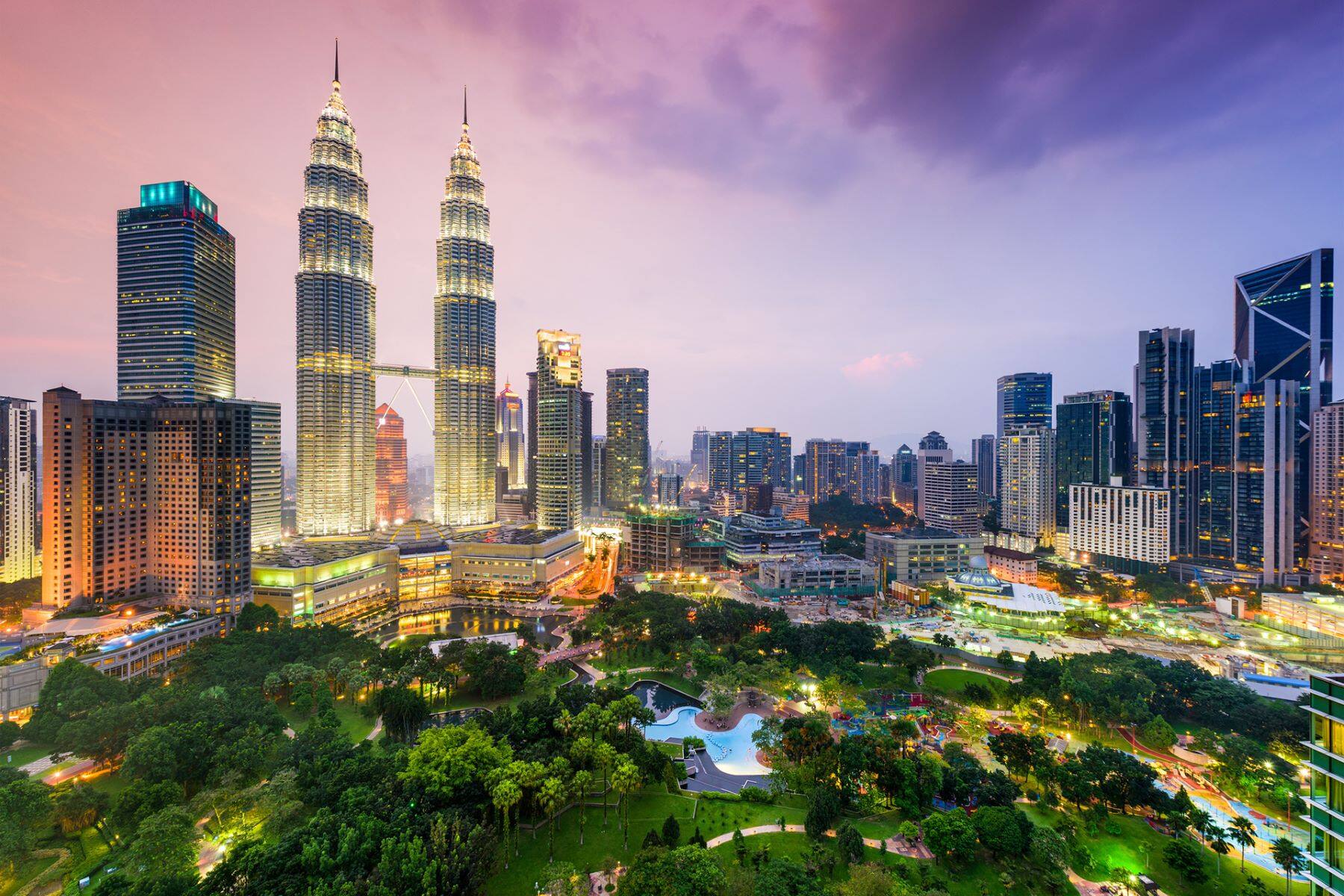
Malaysia has become the preferred destination for Chinese companies to expand their presence in Southeast Asia due to its unique cultural proximity and strategic location advantages. This country, known as' China in a foreign land ', has the highest proportion of Chinese people outside of China and Singapore, and is also the only country in the world to establish a complete Chinese education system overseas. Walking on the streets of Kuala Lumpur, MINISO、 Chinese brands such as Ba Wang Cha Ji and Mi Xue Bing Cheng can be seen everywhere, and Chinese logos and communication are commonplace.
Building a unique investment environment through cultural kinship and location advantages
On the economic front, Malaysia has shown strong development momentum. Its GDP has grown by 40% in the past decade, with a per capita GDP of $11867.3 by 2025, ranking among the top three in Southeast Asia. The manufacturing industry accounts for 23.4% of GDP, highlighting its manufacturing strength as the "Eastern Silicon Valley". The strategic location at the crossroads of Southeast Asia makes it a natural gateway that radiates to the ten ASEAN countries and covers a market of 600 million people. As the tenth largest port in the world, Port Klang, with its efficient logistics system, ensures that goods can reach Singapore and Indonesia within 24 hours.
Highly complementary industries have given rise to five key investment areas
The industrial upgrading strategy being promoted in Malaysia is highly aligned with the advantageous areas of Chinese enterprises. At present, Malaysia focuses on developing five major industries including semiconductors, new energy, pharmaceuticals, digital economy, and medical devices, providing vast investment opportunities for Chinese enterprises.
In the semiconductor field, Malaysia has implemented the National Semiconductor Strategy, with semiconductor exports accounting for 40% of the country's total exports, making it the sixth largest semiconductor exporting country in the world and holding a 13% share of the global packaging and testing market. In terms of the new energy vehicle industry, the government has set clear goals: electric vehicle sales will account for 20% of the industry's total by 2030, 50% by 2040, and 80% by 2050. By 2025, the number of electric vehicles in Malaysia will reach 44423, with a growth rate of 45% for pure electric vehicles. Chinese brands have shown impressive performance, with BYD ranking first in the market with 8570 registered vehicles.
The digital economy sector is also growing rapidly, with Malaysia's digital trade volume increasing by 101.51% year-on-year in 2025. Alibaba has established an eWTP digital trade hub, and Tencent Cloud has set up a data center in Kuala Lumpur to jointly promote the development of the local digital economy.
Localized operations and policy dividends ensure sustainable development
The key to success in Malaysia lies in the deep implementation of localization strategies. The characteristic of multicultural coexistence in Malaysia requires businesses to understand and respect the customs of different ethnic groups. About 60% of the population believes in Islam, and companies need to provide prayer places for Muslim employees and respect religious traditions such as Ramadan in their operations. Meanwhile, Malaysia's work culture emphasizes negotiation and harmony, and overtime culture is not prevalent, which requires Chinese companies to adapt.
Localization of talent is the foundation for long-term development. Malaysia has highly qualified multilingual talents, with a working age population of 70.4% and a median age of about 30 years old, which is highly similar to the structure during the outbreak of China's demographic dividend. However, Malaysia is not suitable for labor-intensive industries, and the government explicitly encourages the introduction of high value-added and automation projects.

At the policy level, 2025 is the year when Malaysia's investment policy dividends are concentrated and released. A sound legal environment, the principle of national treatment for foreign-funded enterprises, and specialized commercial courts for handling commercial disputes all provide a stable investment environment for Chinese enterprises. According to the "Dahua Bank Corporate Outlook Survey Report 2025", Malaysia is the country where ASEAN and Chinese companies are most eager to invest in the next three years.
Conclusion
Malaysia provides unique investment value for Chinese enterprises with its cultural closeness, steady economic growth, advantageous geographical location, complete industrial supporting facilities, and continuously released policy dividends. In today's profoundly changing global landscape, Malaysia is becoming a rare hotspot for Chinese enterprises to go global in Southeast Asia with its unique "certainty". Editor/Yang Beihua
Comment





 Praise
 Collect
 Comment

 Share
Share


Write something~