 Search


- From soil sensors to drone patrols, Uzbekistan's cotton industry is undergoing profound changes
- Uzbekistan collaborates with Chinese technology companies to initiate a smart transformation of Central Asian agriculture from relying on weather to relying on data production
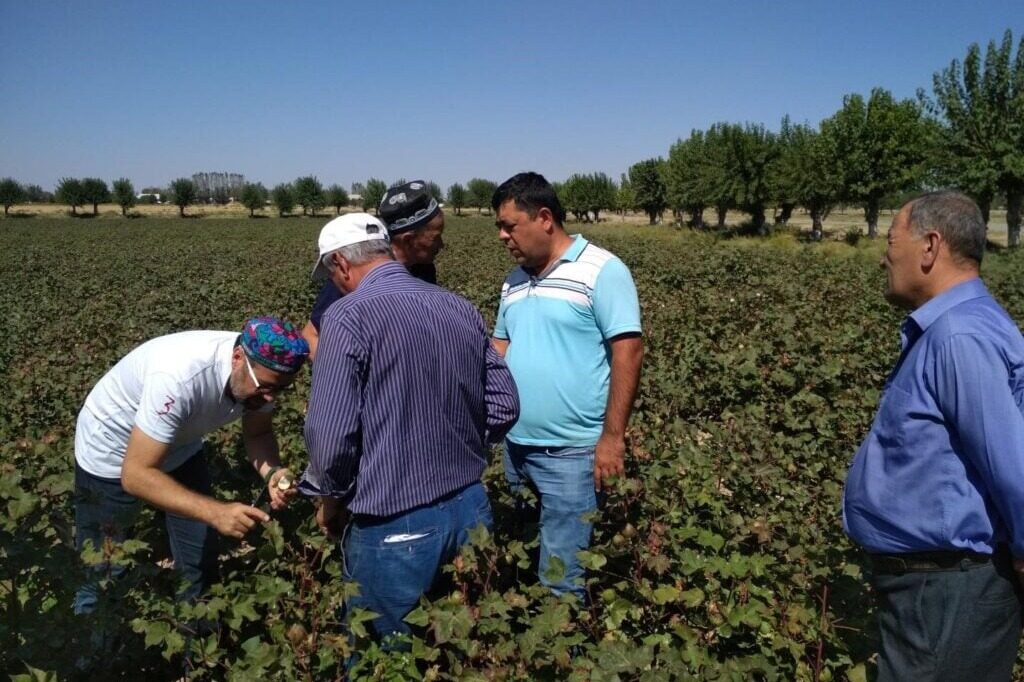
At six o'clock in the morning, the cotton fields outside Samarkand were still shrouded in thin mist. Old cotton farmer Rashimov squatted down and grabbed a handful of soil, just like in the past forty years. But this morning is somewhat different. There are several engineers from China next to him, and their tablets are displaying the temperature, humidity, and nitrogen, phosphorus, and potassium content of this land in real time. This land needs an intelligent irrigation system to replenish water by 12 millimeters tonight, "the engineer pointed to the jumping data on the screen and said," Early warning of wilt risk has appeared on the No. 3 plot on the east side
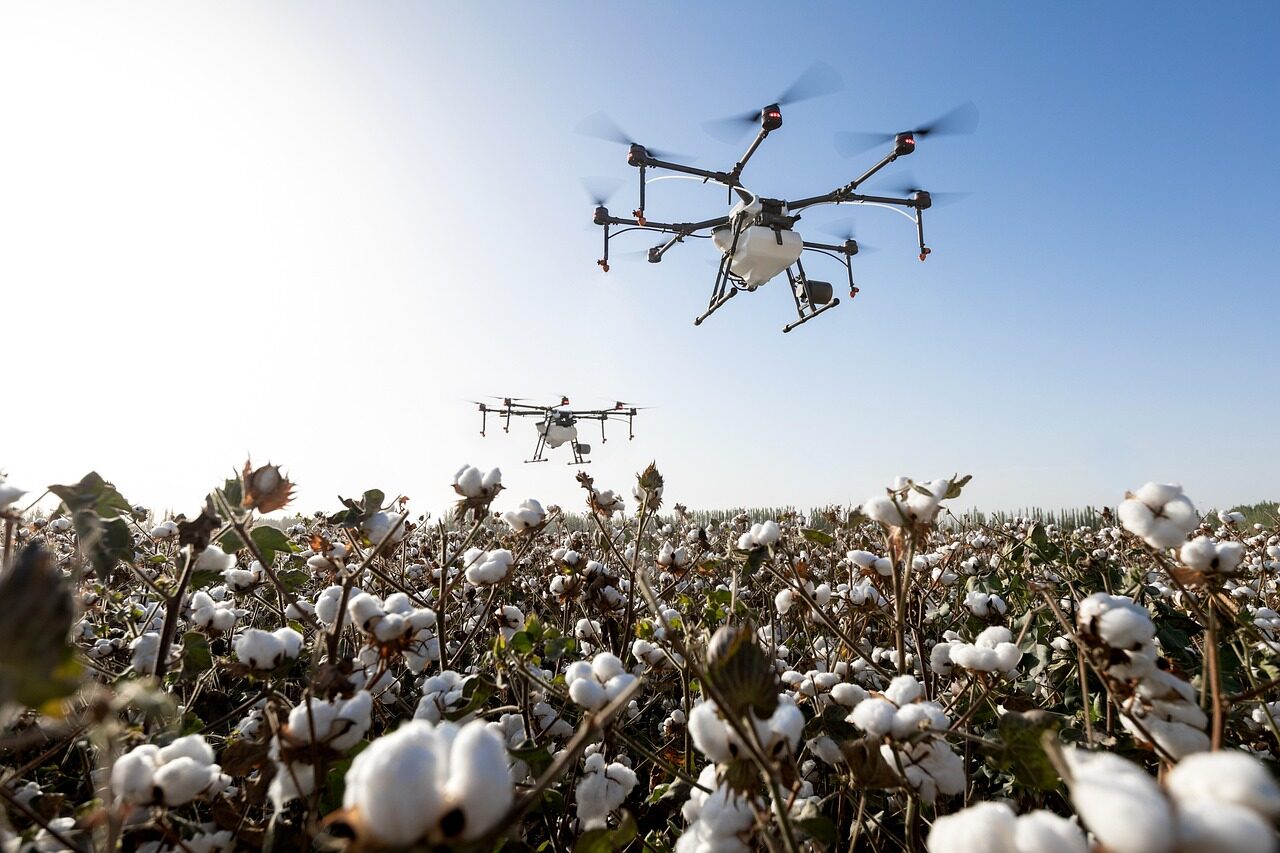
This scene occurred in the experimental field after the working talks between the Uzbekistan Ministry of Agriculture and Chinese agricultural technology enterprises, marking a profound agricultural revolution that this Central Asian cotton producing country is ushering in. When the ancient cotton planting tradition meets the cutting-edge artificial intelligence technology, a comprehensive digital transformation from soil to textile factories is unfolding.
From single point introduction to full chain reshaping
The recent work meeting between Deputy Minister of Agriculture of Uzbekistan, Kahlamon Yurdashev, and leading agricultural technology enterprises in China revealed a fundamental shift in the cooperation model. The discussion between the two sides is no longer just about purchasing a few drones or installing a few sets of sensors, but covers the entire system cooperation including the construction of intelligent agricultural experimental zones, investment in production facilities, and the integration of digital platforms with national information systems. This means that Uzbekistan is shifting from fragmented technology imports to building a complete digital agricultural ecosystem.
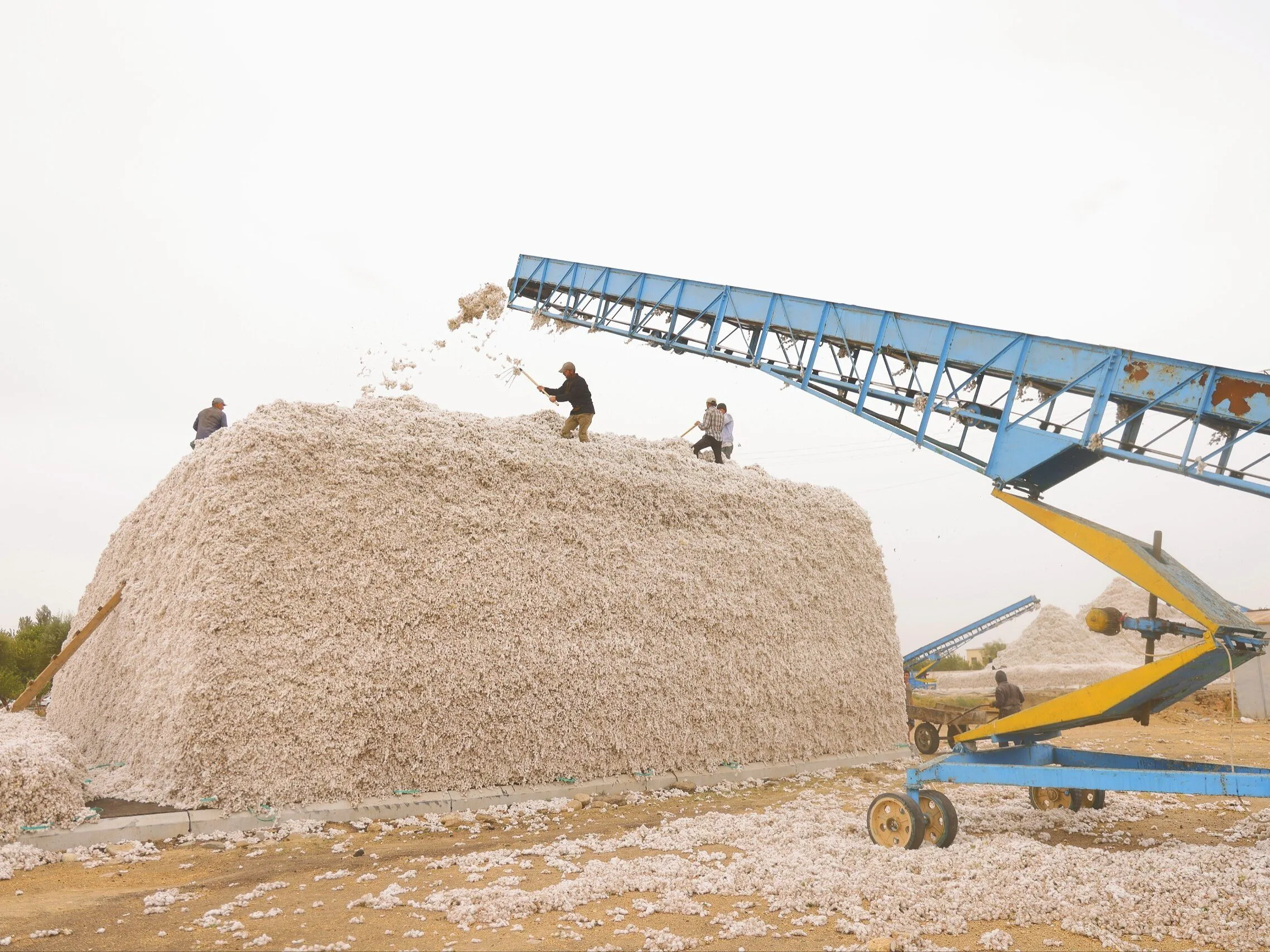
This systematic transformation is particularly evident in the cotton industry. As a major cotton producing country in the world, Ukraine has introduced Chinese technology in areas such as resource-saving irrigation, agricultural drones, and automated operation processes, resulting in a 15-20% increase in unit yield. The new cooperation will drive the transformation to develop in depth: through the AI agricultural monitoring system, the entire growth cycle of cotton will be digitally tracked; Intelligent processing equipment can increase embossing efficiency by 30%; Building a smart device production line locally will deeply embed technological dividends into the local economic fabric.
Strategic considerations behind technological empowerment
Behind this wave of agricultural digitization is the deep logic of Uzbekistan's economic transformation. The traditional labor-intensive agricultural model is facing dual pressures of water scarcity and rising labor costs. The cooperation with Chinese enterprises provides them with a technological lever for leapfrog development - China's smart agriculture solutions have been widely validated in the field and can quickly adapt to the agricultural ecology in Central Asia.
Of particular note is the planning for the integration of digital platforms with national information systems. This is not only a technological grafting, but also a modernization transformation of the agricultural governance system. By establishing a unified agricultural data platform, the government can achieve precise regulation throughout the entire process from planting planning, resource allocation to market sales, upgrading the traditional advantage industry of cotton to a data-driven modern economic sector.
Demonstration effect beyond cotton fields
Although the current cooperation focuses on cotton, its demonstration effect may radiate to the entire Central Asian agricultural belt. As a regional agricultural powerhouse, Uzbekistan's successful experience in digital transformation will provide replicable models for industries such as wheat in Kazakhstan and livestock in Kyrgyzstan. This path of technology introduction - localization adaptation - regional promotion is just in line with the concept of productivity cooperation and knowledge sharing under the the Belt and Road framework. Keywords: the Belt and Road news, the Belt and Road latest information
In the experimental field of Samarkand, Mr. Rashimov looked at the agricultural app on his phone and said, "My father predicts rainfall by observing clouds, I judge fertility by touching the soil, and my grandchildren may only need to read data in the future." The changes happening in this ancient cotton field may be a microcosm of the modernization of agriculture in Central Asia - where thousands of years of farming wisdom and cutting-edge digital technology are intertwined to create new growth trajectories.Editor/Cheng Liting
Comment







 Praise
 Collect
 Comment

 Share
Share


Write something~