 Search


- Egypt has invested 15 billion yuan to build a photovoltaic base with a planned total installed capacity of 2.5 gigawatts
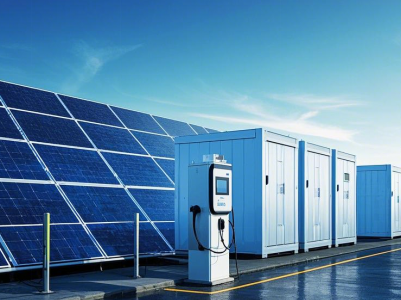
- Adopting an integrated design of "photovoltaic+energy storage+intelligent transmission", equipped with large capacity energy storage battery packs and cross-border transmission channels
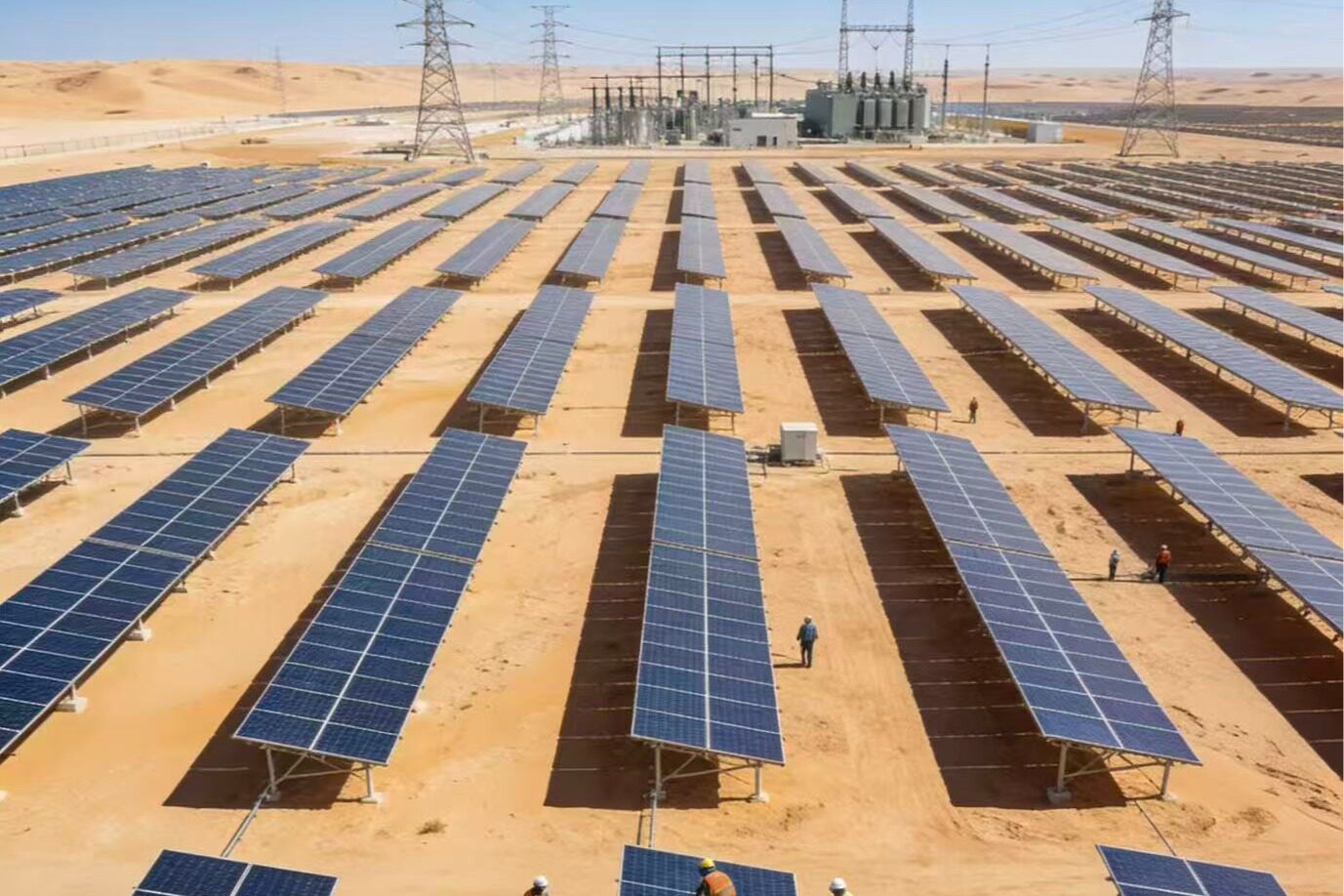
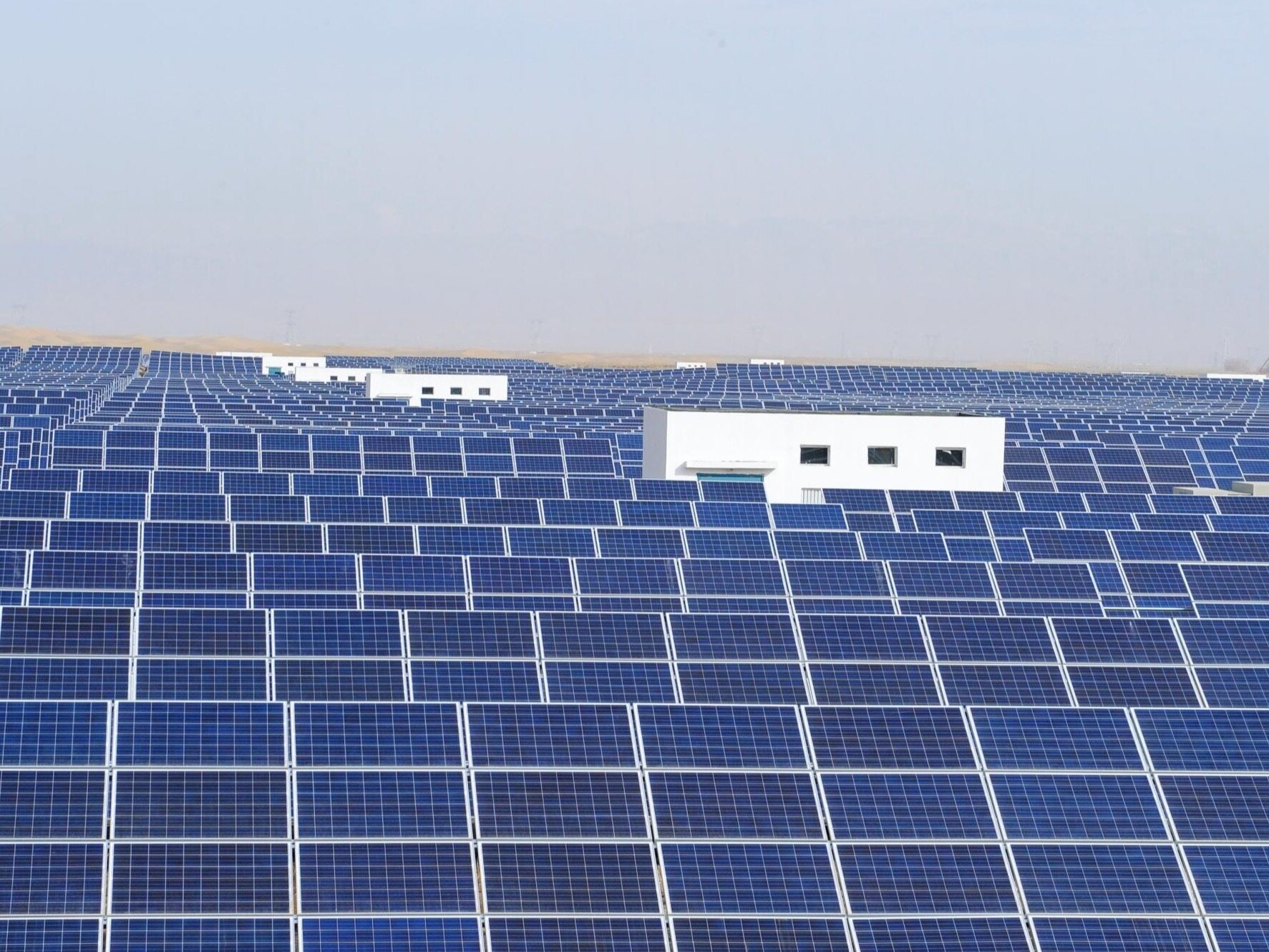
When the morning light of the Sahara Desert shines on the desert surrounding the new administrative capital of Egypt, a rising "photovoltaic forest" is brewing a huge transformation of energy in North Africa. On December 4, 2025, the Egyptian government officially finalized a photovoltaic power plant project with a total investment of 15 billion yuan, planning to build the largest and most technologically advanced photovoltaic base in North Africa in the northern desert region. This clean energy hub that integrates power generation, energy storage, and transmission will not only rewrite Egypt's energy supply pattern, but also inject strong impetus into the green transformation of the Central and Northeast Africa region.
Desert to Energy Oasis
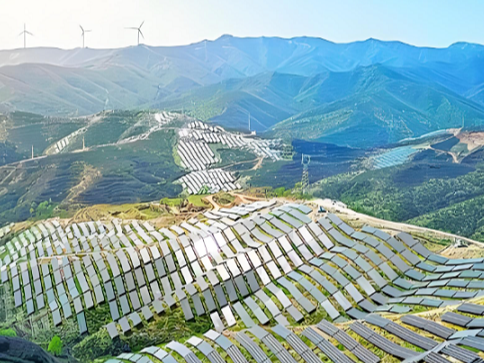
The photovoltaic base that Egypt has invested 15 billion yuan to build this time is located in a solar energy resource rich area in the northern desert, with a planned total installed capacity of 2.5 gigawatts, equivalent to the power supply capacity of 25 million kilowatt thermal power stations. The project breaks the traditional single generation mode of photovoltaic power stations and innovatively adopts an integrated design of "photovoltaic+energy storage+intelligent transmission", equipped with large capacity energy storage battery packs and cross-border transmission channels, which can achieve stable power output and cross regional allocation.
According to the project leader, the base will adopt globally leading high-efficiency photovoltaic modules and tracking systems, adjust the angle of photovoltaic panels in real time through AI algorithms, and maximize the capture of solar energy. The power generation efficiency will be increased by more than 30% compared to traditional photovoltaic power plants. At the same time, the project will simultaneously construct desert ecological restoration supporting projects, planting drought resistant crops and sand fixing plants under the photovoltaic panels to achieve a win-win situation of "power generation and sand control". The entire project is expected to be fully completed and put into operation by 2026, which can reduce carbon dioxide emissions by about 3 million tons per year, equivalent to planting 150 million adult trees.

Energy Transition Accelerator
As a region rich in oil resources but with a low proportion of renewable energy, the Middle East and North Africa have been accelerating their transition to clean energy in recent years, and Egypt's 15 billion yuan photovoltaic project has undoubtedly become an accelerator for regional transformation. Data shows that the current proportion of renewable energy in Egypt's total electricity generation is only 20%. After the completion of the project, this proportion will increase to 35%, significantly reducing dependence on imported oil and saving the country billions of dollars in energy import expenses every year.
From the perspective of regional impact, the photovoltaic base will export clean energy to neighboring countries such as Libya and Sudan through cross-border transmission lines, promoting the formation of the North African Clean Energy Community. In addition, the project will also attract global photovoltaic industry chain enterprises to settle in, driving the development of related industries such as battery module manufacturing and energy storage technology research and development, and is expected to create more than 12000 direct job opportunities, injecting new growth momentum into the Egyptian economy. For the world, this photovoltaic base built in the desert also provides a replicable and scalable 'Egyptian solution' for large-scale development of clean energy in arid areas.
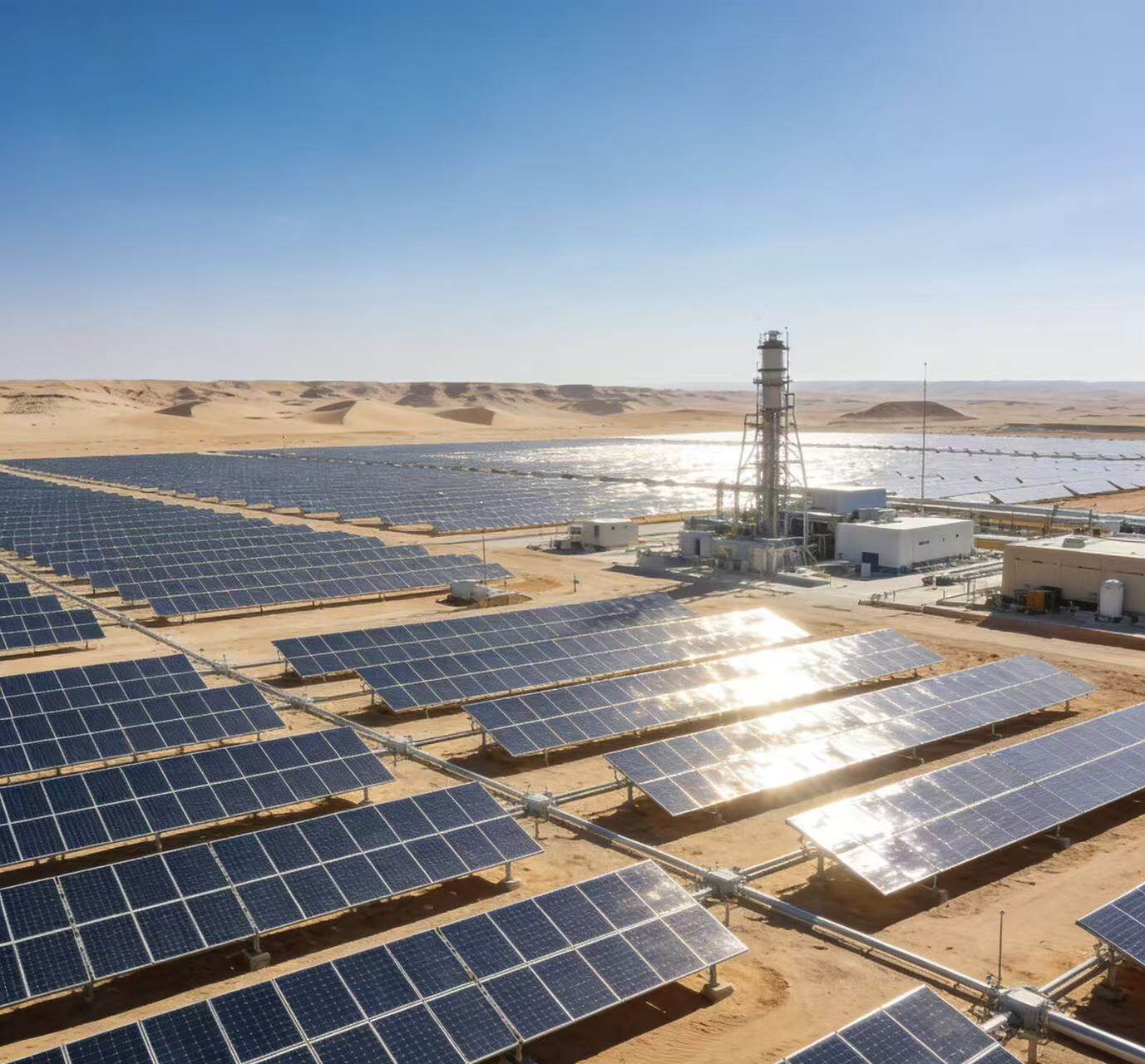
In the future, Egypt will focus on this photovoltaic base and continue to expand its investment in renewable energy, with plans to increase the proportion of clean energy to 42% by 2030. As the project progresses, the Sahara Desert will no longer be synonymous with barrenness, but will become the "energy heart" driving green development in North Africa, writing a significant chapter in the global energy transition.Editor/Bian Wenjun
Comment

 Praise
 Collect
 Comment

 Share
Share


Write something~