 Search


- In 2026, the newly installed photovoltaic capacity in China is steadily transitioning towards high-quality development
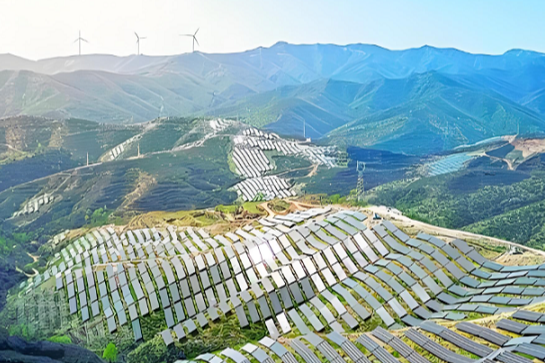
In February 2026, the China Photovoltaic Industry Association released the "Roadmap for the Development of China's Photovoltaic Industry (2025-2026)", which was interpreted by authoritative experts and clearly stated that the newly installed photovoltaic capacity in China will fall back to the range of 180-240GW by 2026. This means that after years of rapid growth, the domestic photovoltaic industry will experience its first annual downturn since 2019. The industry generally believes that this pullback is not a signal of industry recession, but rather a market adaptation and self optimization to new policies. With the deepening of the "15th Five Year Plan", the new installed capacity of photovoltaics will return to the upward trend after 2027. During the "15th Five Year Plan" period (2026-2030), the average annual new installed capacity in China is expected to reach 238-287GW.
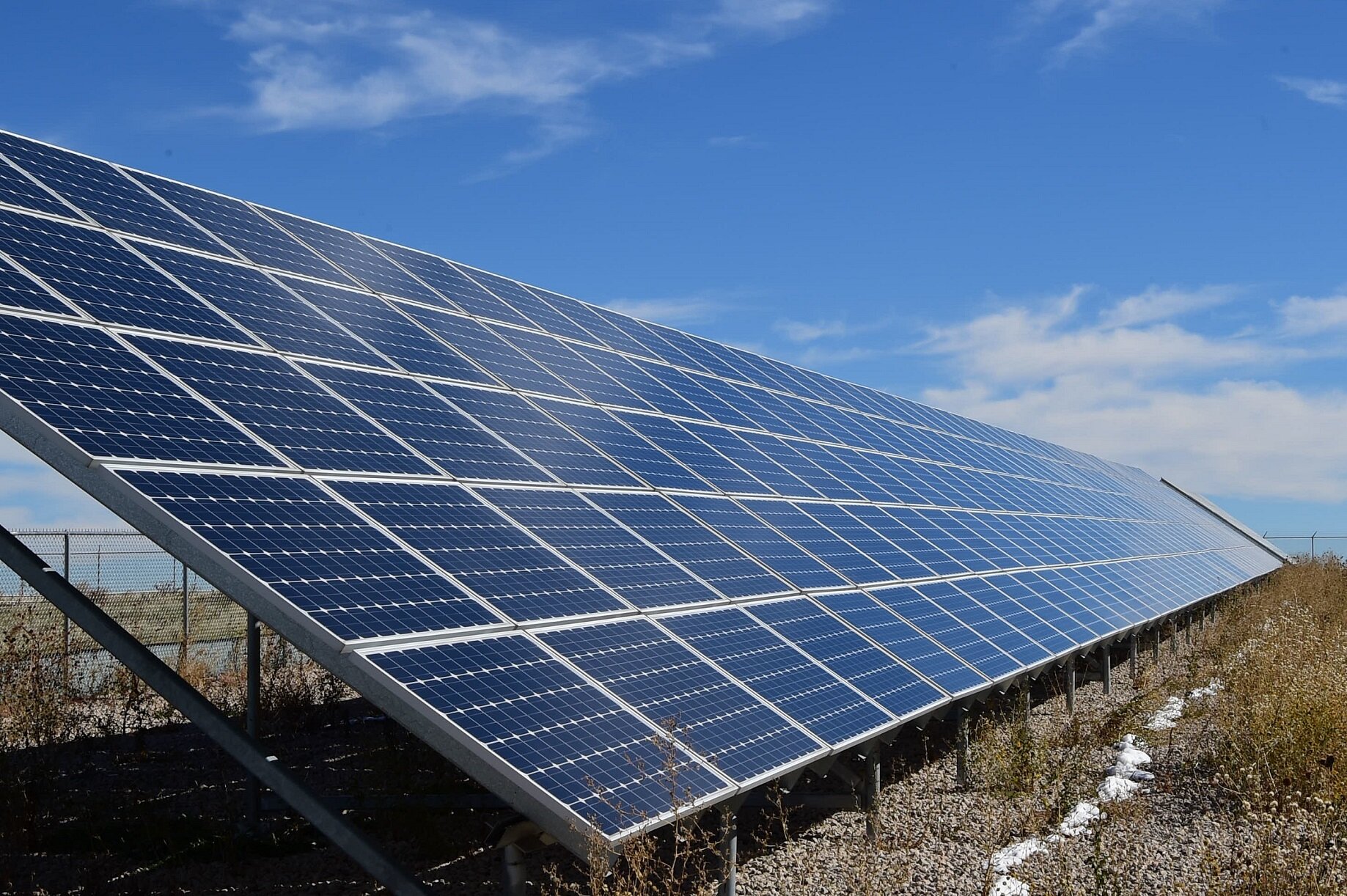
The rational return after high-speed growth
Looking back at the development in recent years, the domestic photovoltaic installed capacity has continued to soar: 120GW will be added in 2023, a year-on-year increase of 37%; Add 180GW in 2024, a year-on-year increase of 50%; In 2025, the actual increase reached 315.07GW, setting a new historical high. On the other hand, the forecast range of 180-240GW in 2026 means that the maximum year-on-year correction may reach 42.9%, and the baseline scenario is expected to be 210GW, a decrease of about 20%.
Despite the pullback, the industry fundamentals remain strong. In 2026, the newly installed photovoltaic capacity in China will still account for more than 50% of the global total, with an absolute scale 3.7 times that of 2020, maintaining a huge scale globally. Wang Bohua, consultant of China Photovoltaic Industry Association, said that this callback is a normal adjustment in the rapid development of the industry, and the core is to accumulate energy for the next round of high-quality growth, and promote the transformation of the industry from "speed first" to "quality first".
Dual drive of policy and market
The installed capacity correction in 2026 is the result of the combined effect of policy orientation and market rules. At the policy level, multiple new policies will be introduced intensively from the end of 2025 to the beginning of 2026. The management of distributed photovoltaic grid connection will be tightened, market-oriented transaction electricity prices in some areas will decline, and land use regulations will become stricter. In addition, from April 2026, the export tax rebate for photovoltaic products will be completely cancelled. The market has shown a clear wait-and-see attitude, and the investment pace of enterprises will be adjusted accordingly.
At the market level, after the high-speed growth in the early stage, the supply and demand need to enter a digestion period, and the downward trend in component prices affects investment enthusiasm. The yield of some projects has dropped to a critical point; At the same time, the local power grid's consumption capacity is approaching its upper limit, non-technical costs are rising, the transition period of N-type technology replacing PERC is affecting, and the uncertainty of the international trade environment is exacerbating the downward trend. Wang Shijiang, Deputy Director of the Electronic Information Department of the Ministry of Industry and Information Technology, pointed out that the deep-seated supply-demand mismatch in the photovoltaic industry has not yet been resolved, and this adjustment is also an inevitable process of industry governance and achieving dynamic balance between supply and demand.
Return to the upward trend after 2027
Looking ahead to the future, the long-term positive fundamentals of the photovoltaic industry have not changed. On the policy side, the "dual carbon" target remains unchanged, and the "15th Five Year Plan" clearly states that the development of new energy is still a key focus. The expansion of green electricity trading scale and the improvement of green finance policies will continue to provide support; On the technical side, the mass production efficiency of N-type technology has advanced to 26%, and the component cost will continue to decline at a rate of 3-5% per year. Cutting edge technologies such as perovskite have begun commercial demonstrations, BIPV、 New applications such as offshore photovoltaics continue to mature.
During the 15th Five Year Plan period, the global average annual increase in photovoltaic installed capacity is expected to reach 725-870GW, of which the domestic average is 238-287GW. The cumulative installed capacity will reach 2400-2800GW by the end of 2030, and the proportion of photovoltaic power generation will increase to 15%. From the perspective of annual distribution, 2026 is the adjustment period for energy storage, and it will recover to 250-300GW in 2027, steadily increasing year by year. It is expected to reach a new high of 320-380GW in 2030. In the international market, Europe remains stable, India is growing rapidly, and the deployment in emerging markets such as the Middle East and North Africa is accelerating, providing new growth space for the domestic photovoltaic industry.
The callback period nurtures new opportunities for high-quality development
The callback period is also a critical period for industrial upgrading, and the photovoltaic industry is undergoing profound structural changes. On the technical roadmap, the proportion of N-type batteries will increase from 60% in 2025 to 70-75% in 2026. TOPCon will dominate the market, HJT will grow rapidly, and 182/210 large-sized components will account for over 95%. The 1500V system will become standard, and new technologies such as silver free and recycling will gradually enter mass production.
In terms of market structure, the concentration of various links continues to increase, and the CR5 of components, silicon wafers and other links will further increase. The profit of the industrial chain will be redistributed, and the proportion of profits from midstream battery components will rise to 40%. The value of the technical service link will be highlighted. The differentiation of enterprises is intensifying, with top enterprises continuing to expand based on their technological and cost advantages, specialized enterprises focusing on segmented fields, and some cross-border enterprises exiting or transforming. Technological innovation oriented new forces are facing development opportunities.
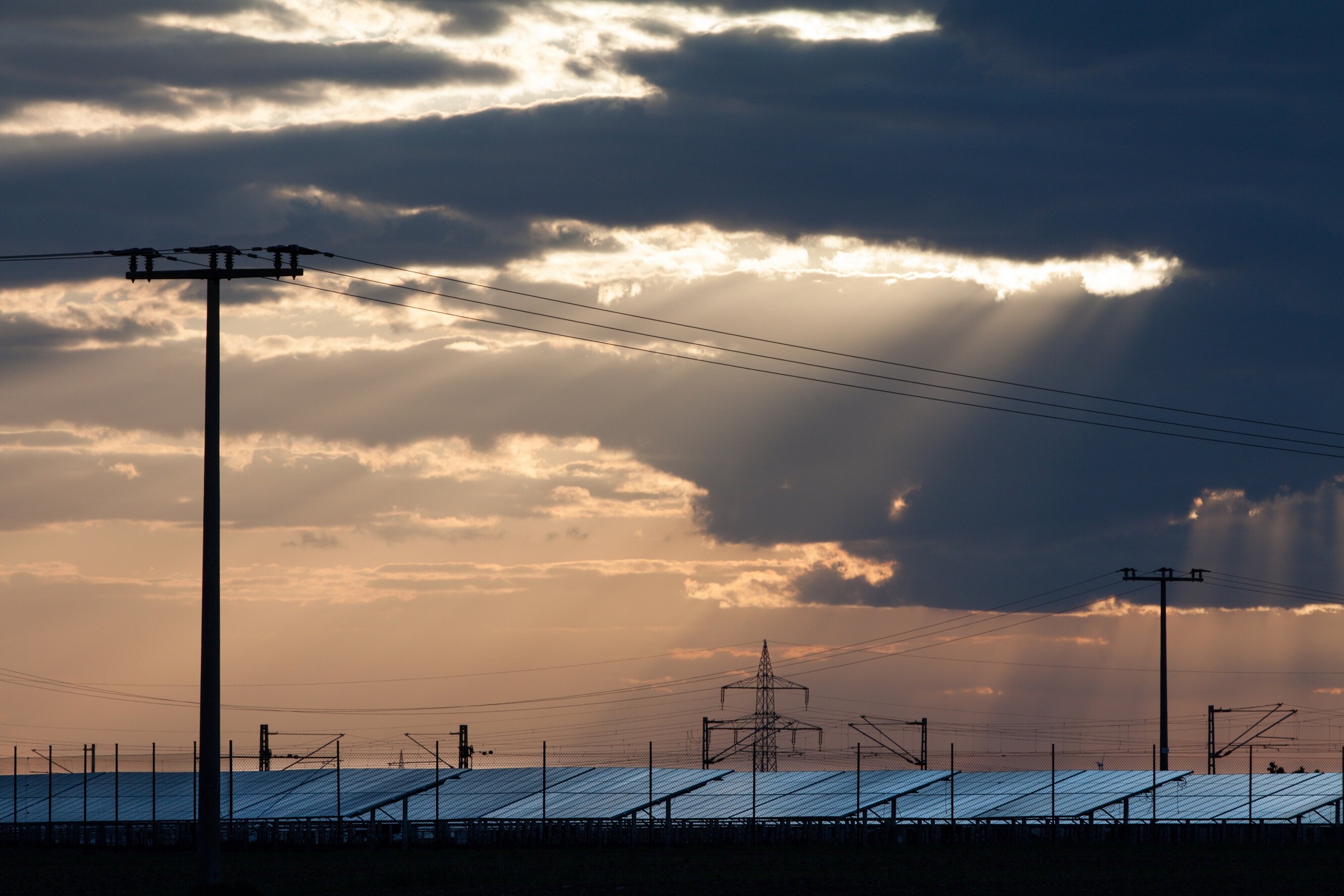
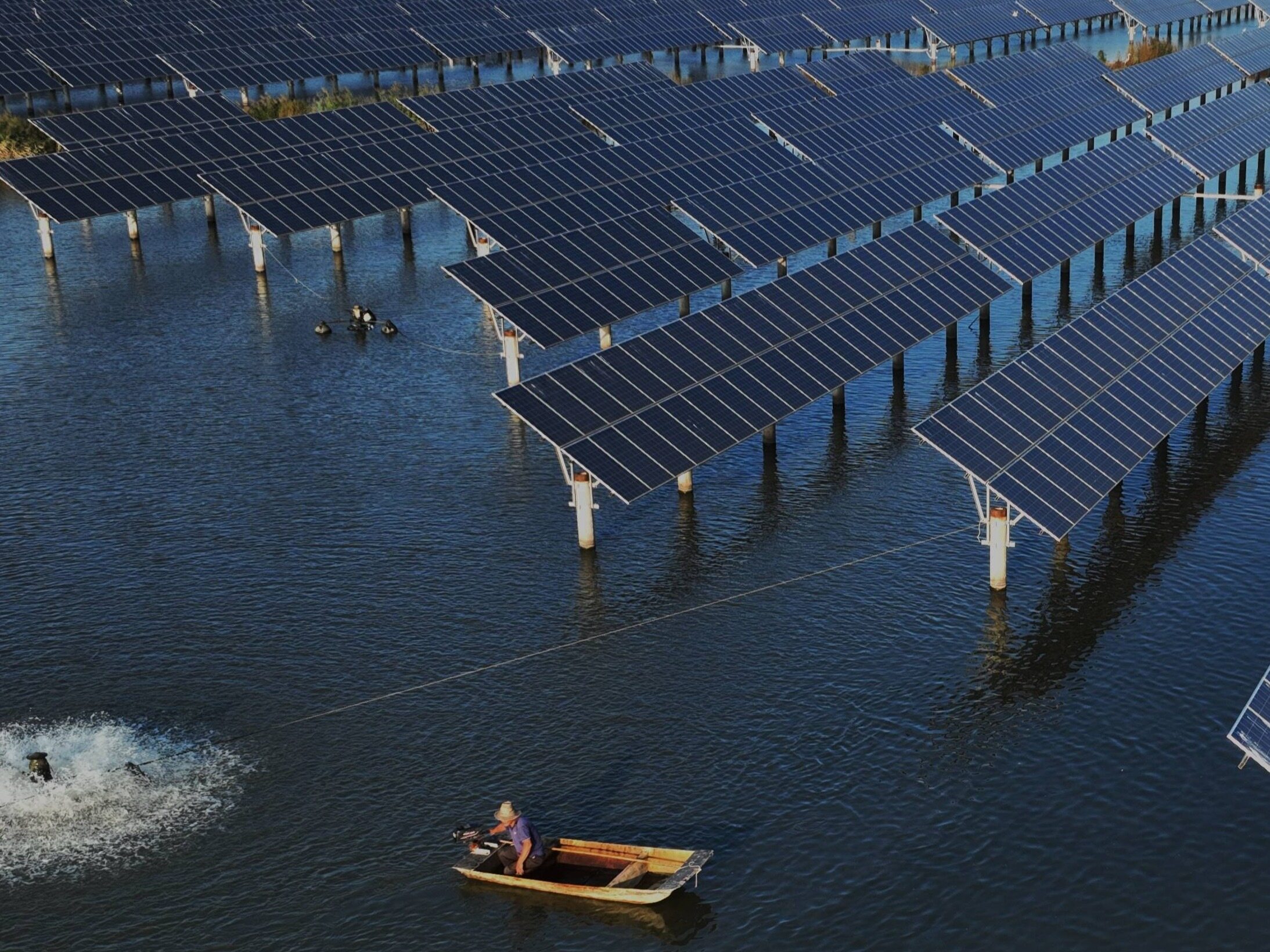
The application scenarios are constantly expanding, and distributed photovoltaics are shifting from scale expansion to high-quality operation, BIPV、 Continuous upgrading of household photovoltaics; Centralized photovoltaics focus on ecological friendliness and composite utilization, with deepening complementarity between agricultural and fishery photovoltaics; Emerging applications such as offshore photovoltaics, photovoltaic hydrogen production, and vehicle mounted photovoltaics are gradually emerging, enriching the industrial ecosystem. Wang Bohua suggested that enterprises should expand the second growth curve, build a technological moat, and promote the coordinated development of photovoltaics, energy storage, and hydrogen energy.
The photovoltaic installed capacity correction in 2026 is a "coming of age ceremony" for the industry to move from adolescence to maturity, rather than a turning point in development. Appropriate adjustments are beneficial for digesting the accumulated problems in the early stage, optimizing the industrial structure, and promoting the industry to break away from low price disorderly competition and shift towards value competition. For investors, the adjustment period nurtures new opportunities, and high-quality targets and technology leading enterprises that have been wrongly killed deserve special attention.
In the tide of energy transformation, the mission of photovoltaics as the main force remains unchanged, only the development mode and quality have changed. After the adjustment and accumulation of energy in 2026, China's photovoltaic industry will promote global energy transformation with a more stable pace and mature posture, guided by the "dual carbon" goal, and contribute Chinese wisdom and strength. (This article is from www.seetao.com, the official website of Daodao, and cannot be reproduced without permission. Otherwise, it will be prosecuted. Please note that if reproduced, please refer to Daodao+the original link) See the editor of the Belt and Road PV column of Daodao/Yin Jiahui
Comment


 Praise
 Collect
 Comment

 Share
Share


Write something~