 Search


- Two solar power stations are located in Soght Oblast and Khatlon Oblast of Tajikistan, respectively
- The project prioritizes the use of photovoltaic modules and intelligent operation and maintenance systems that are resistant to extreme weather conditions
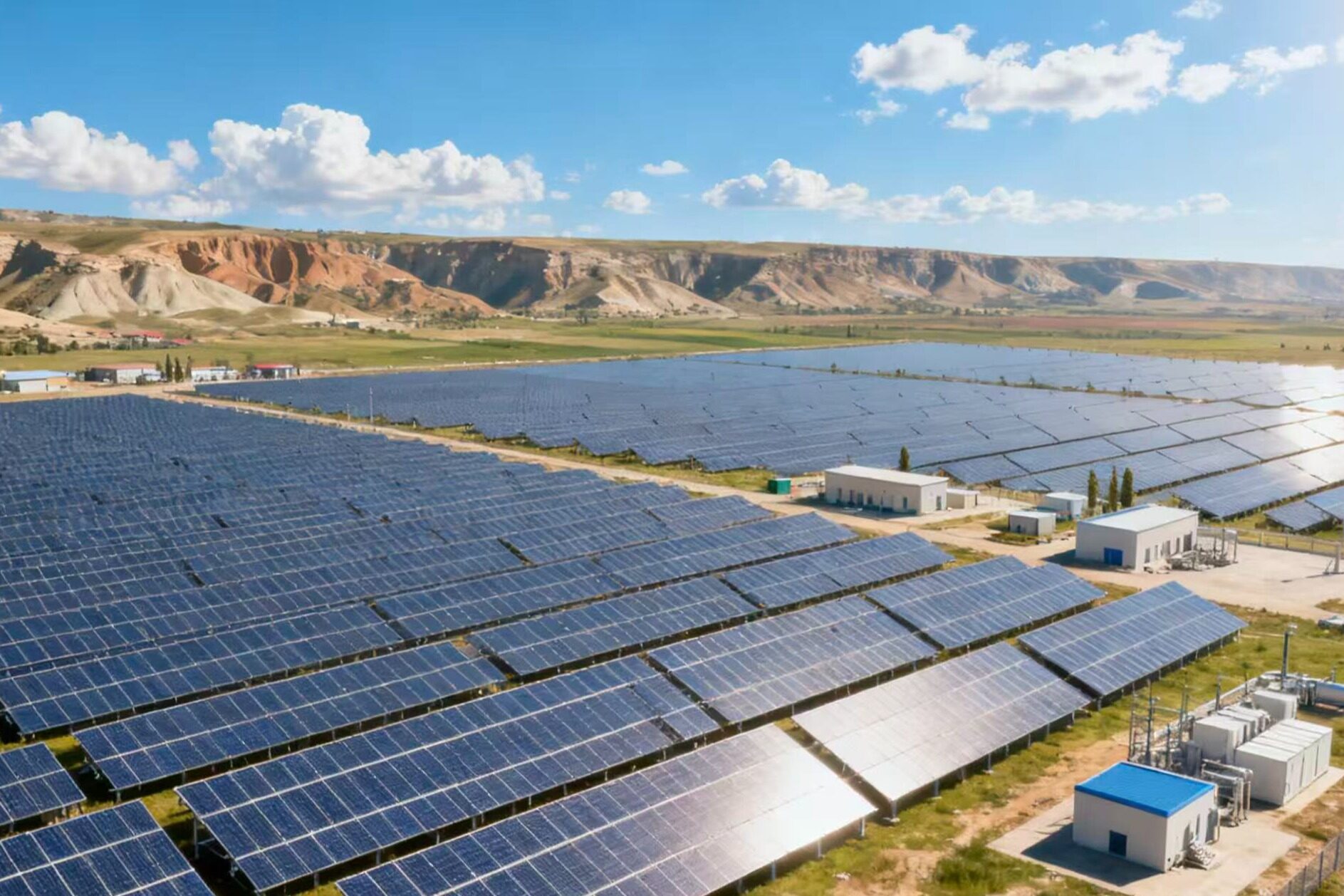
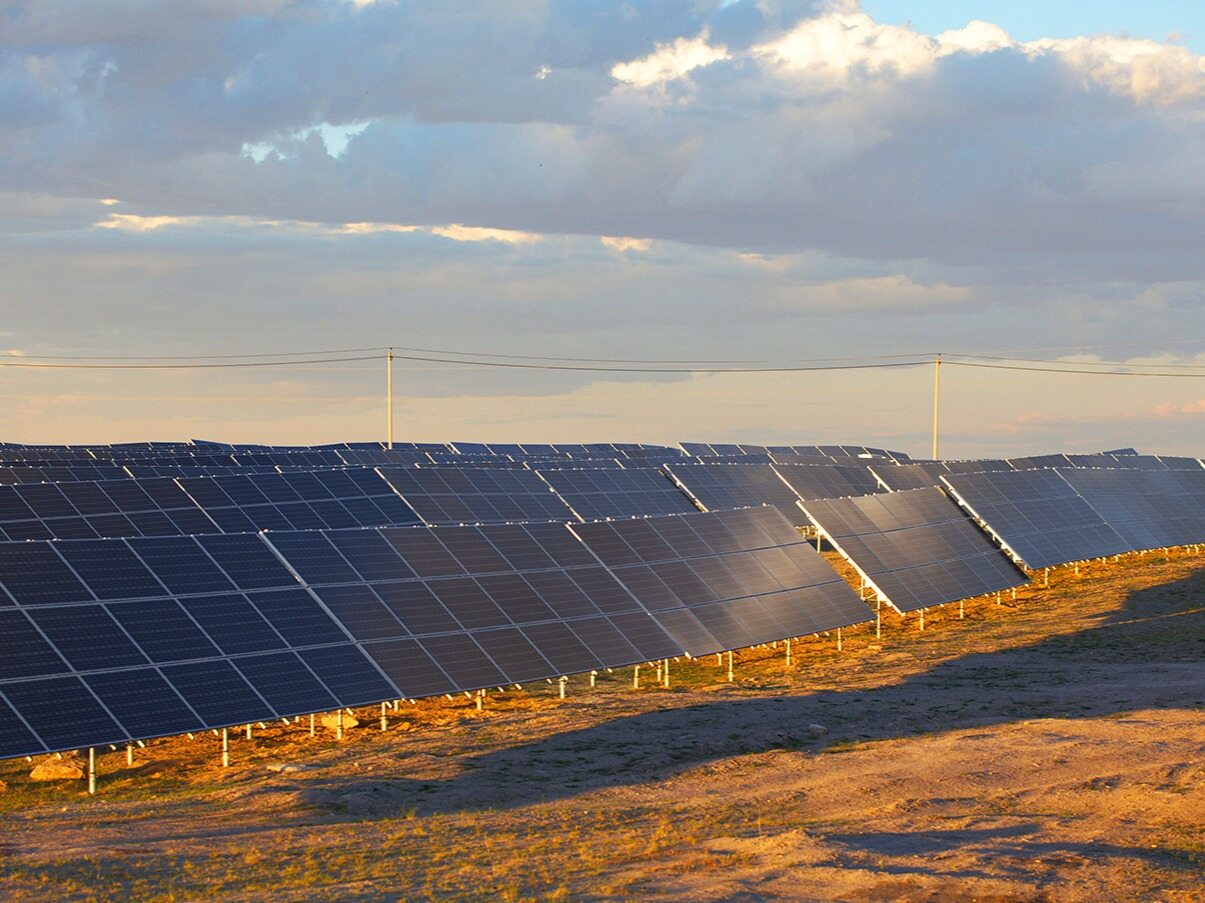
Under the sunshine of the Pamir Plateau, blue photovoltaic panels are about to spread out into a "sunshine matrix" of clean energy. Recently, Tajikistan officially announced plans for the construction of two large-scale solar power plants, with a total investment of over 300 million US dollars. The projects are expected to be fully completed and put into operation by the end of 2026. This massive layout of focused renewable energy will not only increase the installed photovoltaic capacity of Tajikistan by 1.2 GW, alleviate the power supply gap of the country, but also promote the transformation of the energy structure in Central Asia to low-carbon, become another benchmark project of the "the Belt and Road" green energy cooperation, and inject "sunshine power" into the hinterland of Eurasia for sustainable development.

Building a benchmark for photovoltaics in Central Asia
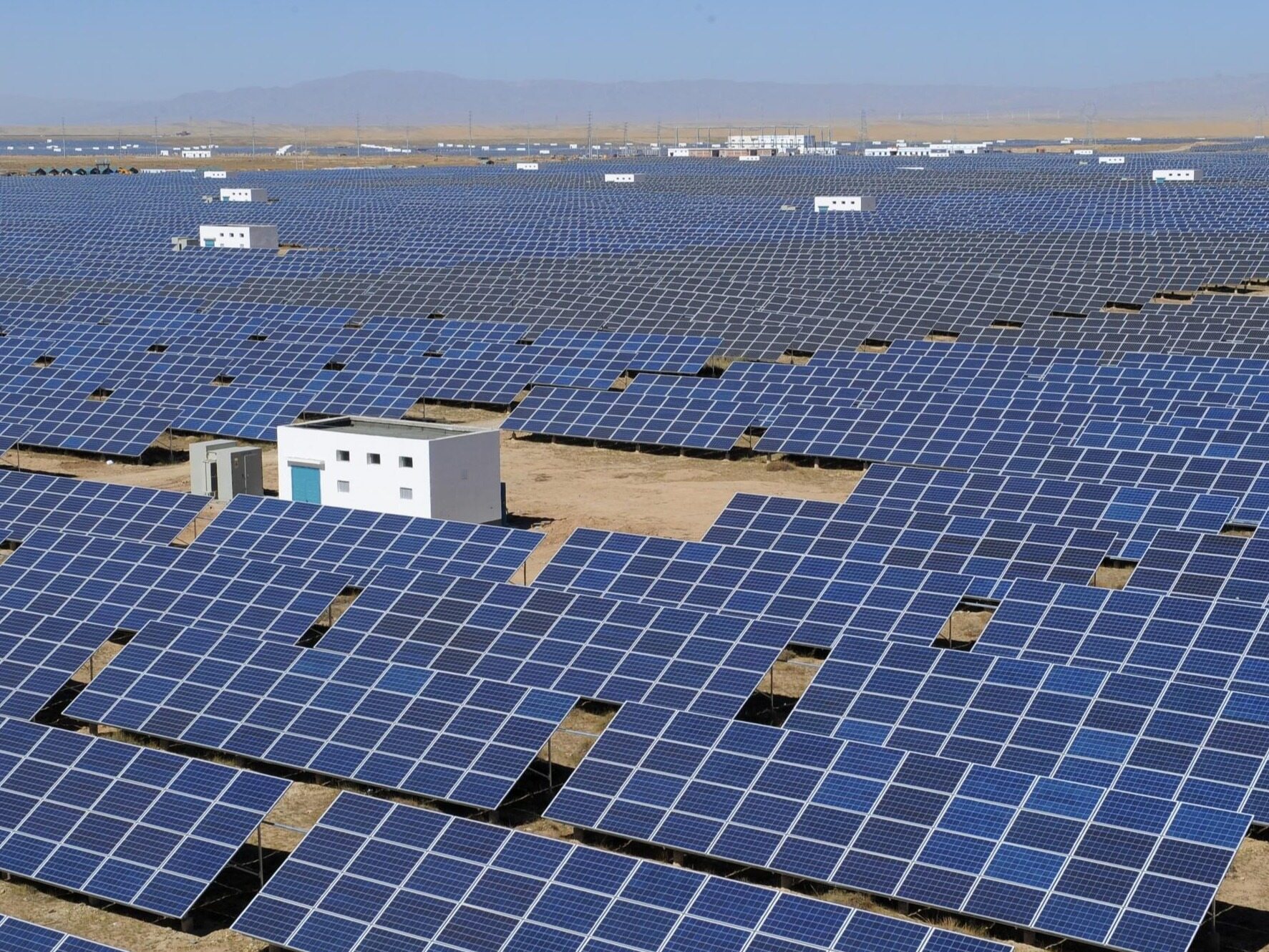
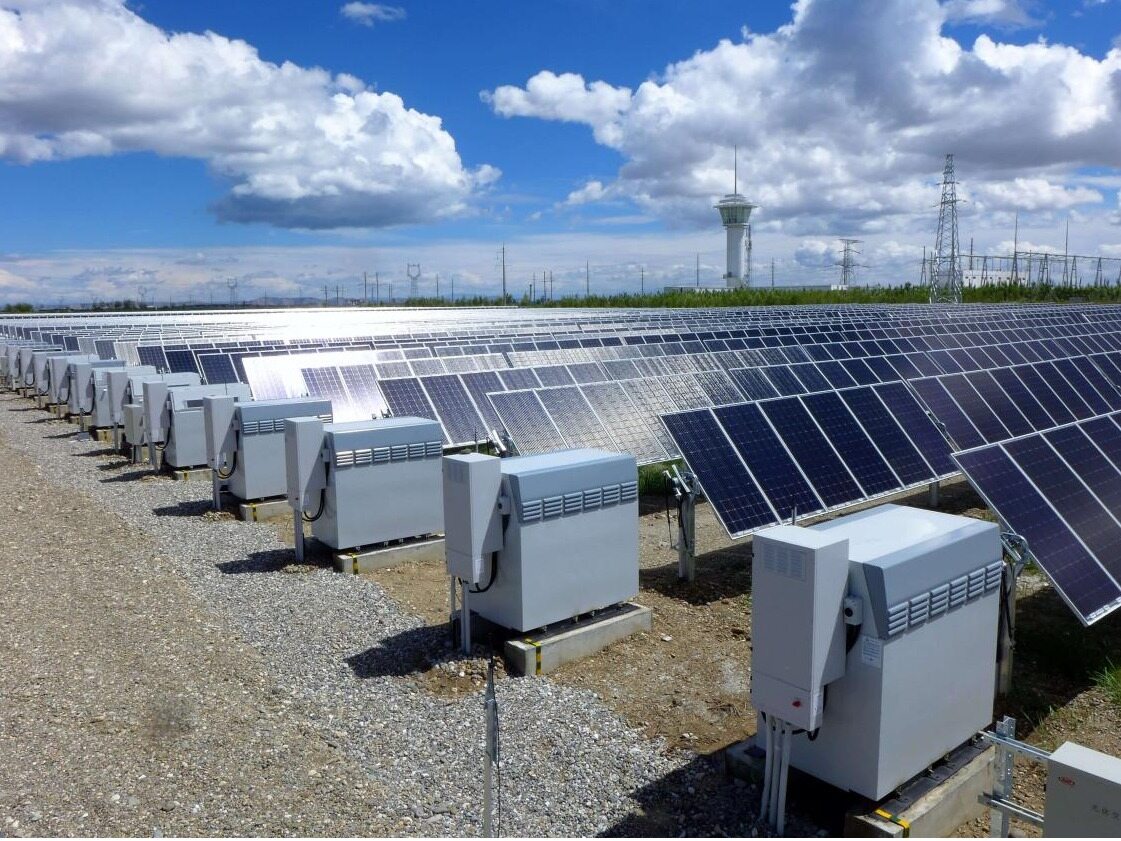
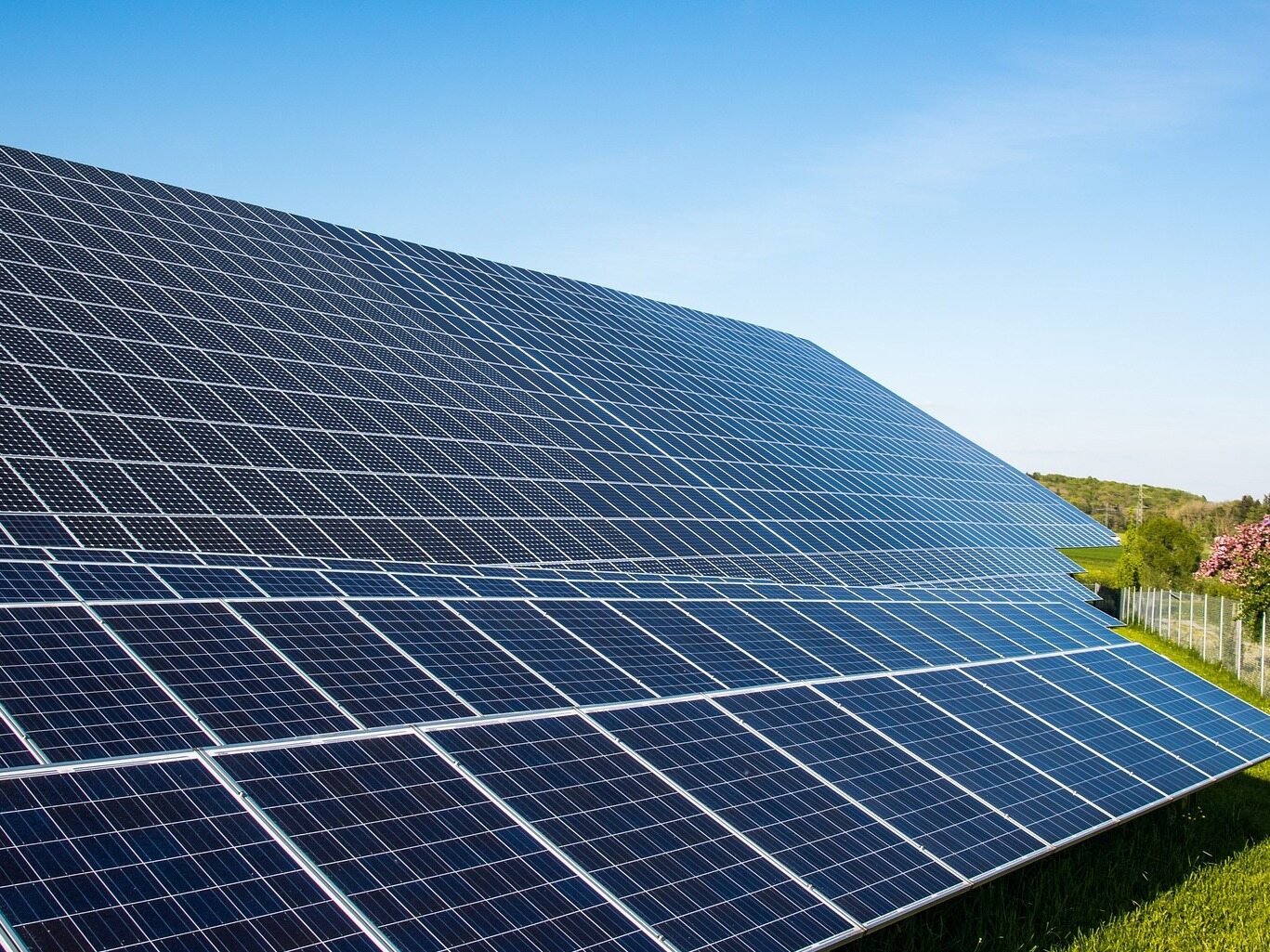
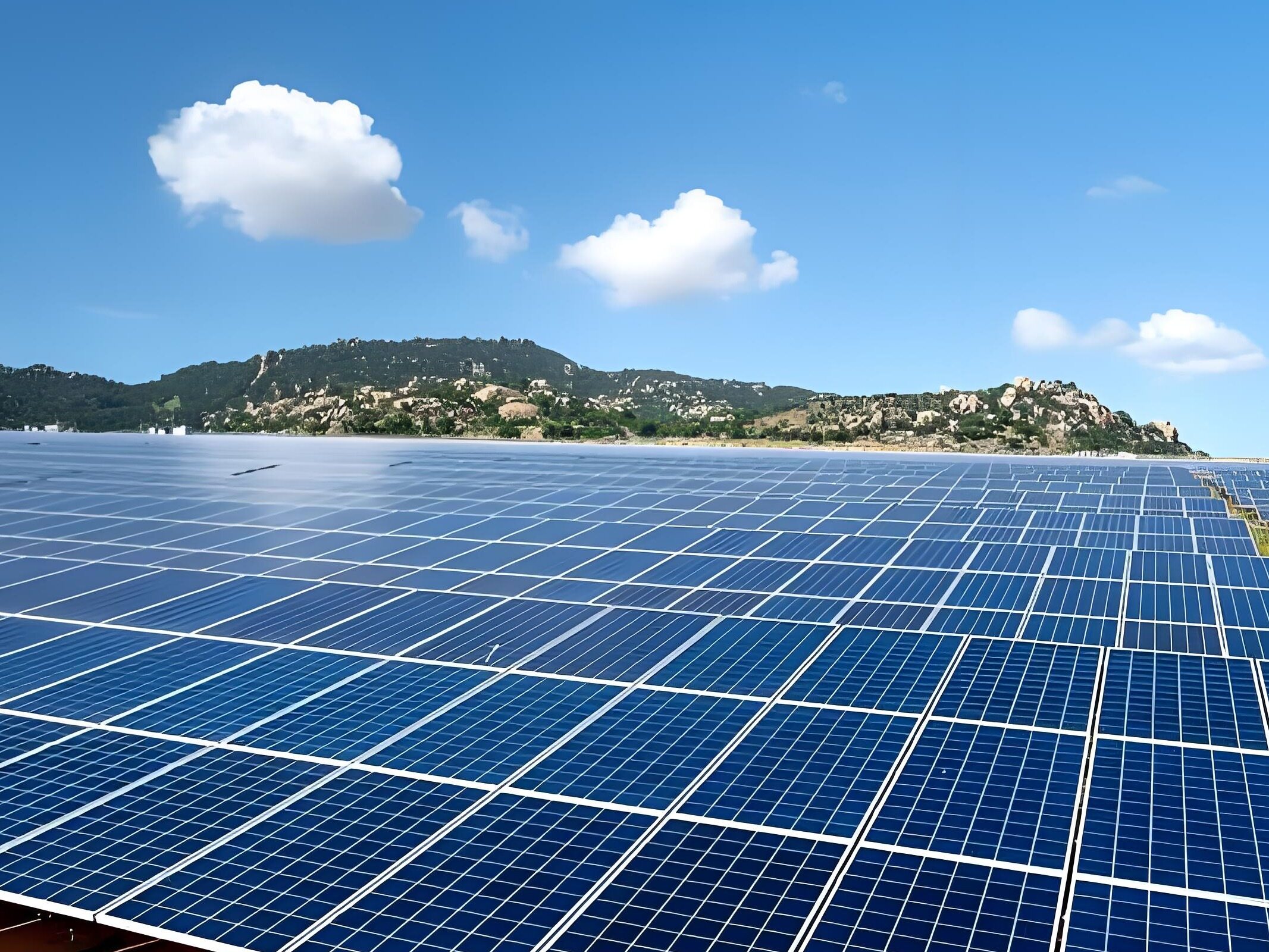
Two solar power stations are located in Soght Oblast and Khatlon Oblast of Tajikistan, both using internationally leading photovoltaic technology and construction standards. Among them, the planned installed capacity of the Sogert State Power Station is 800 megawatts, and the Hatron State Power Station is planned to be 400 megawatts. The total project area is about 3000 hectares, and more than 2.5 million high-efficiency monocrystalline silicon photovoltaic modules will be installed. Combined with intelligent tracking systems and energy storage supporting facilities, it can achieve a daily power generation of over 40 million kilowatt hours. In terms of technology selection, the project prioritizes the use of photovoltaic modules and intelligent operation and maintenance systems that are resistant to extreme weather conditions, adapted to the geographical environment of strong sunlight and large temperature differences between day and night on the plateau of Tajikistan. The power generation efficiency is increased by more than 15% compared to traditional photovoltaic power plants, and carbon emissions can be reduced by over 30 million tons throughout the entire lifecycle.
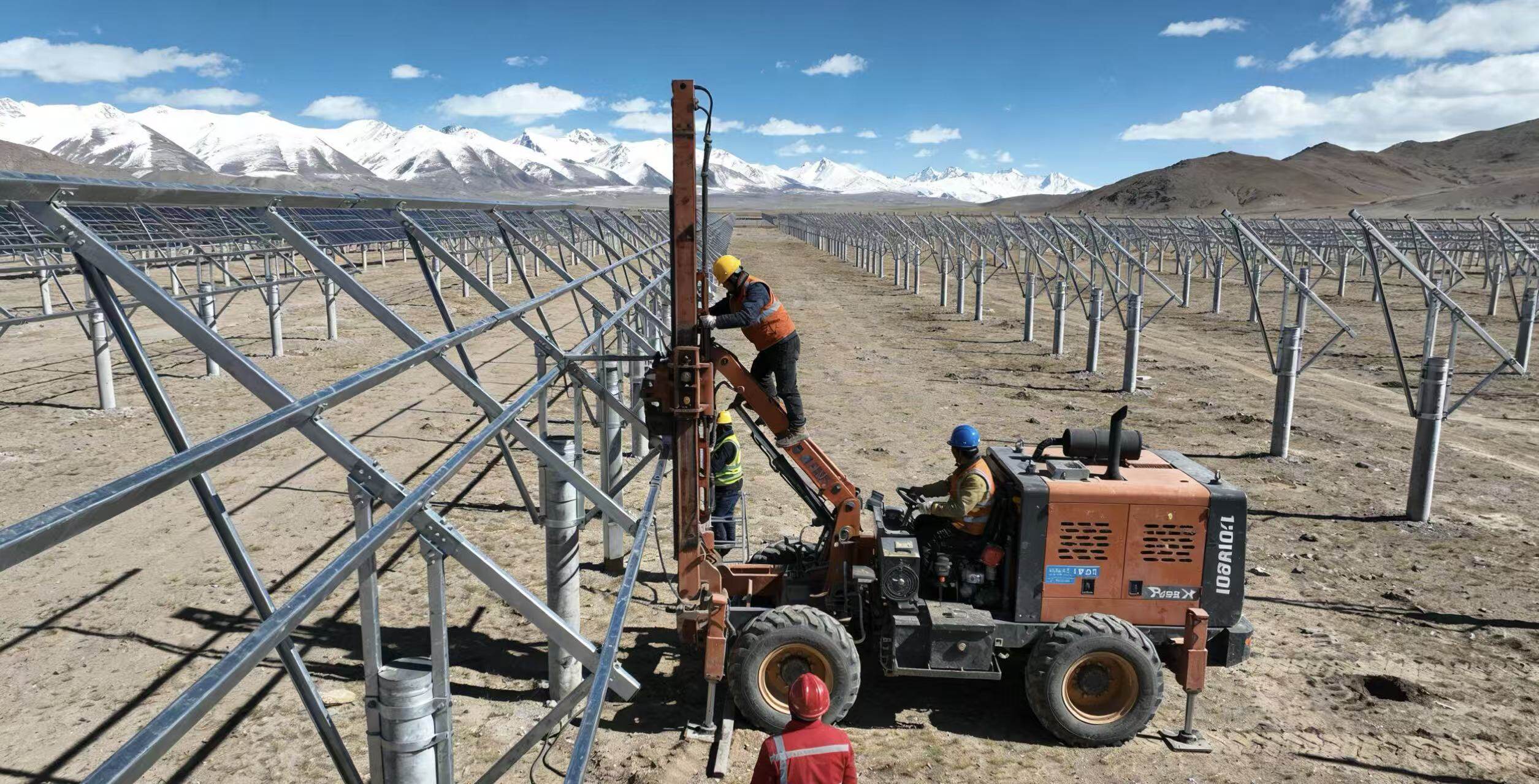
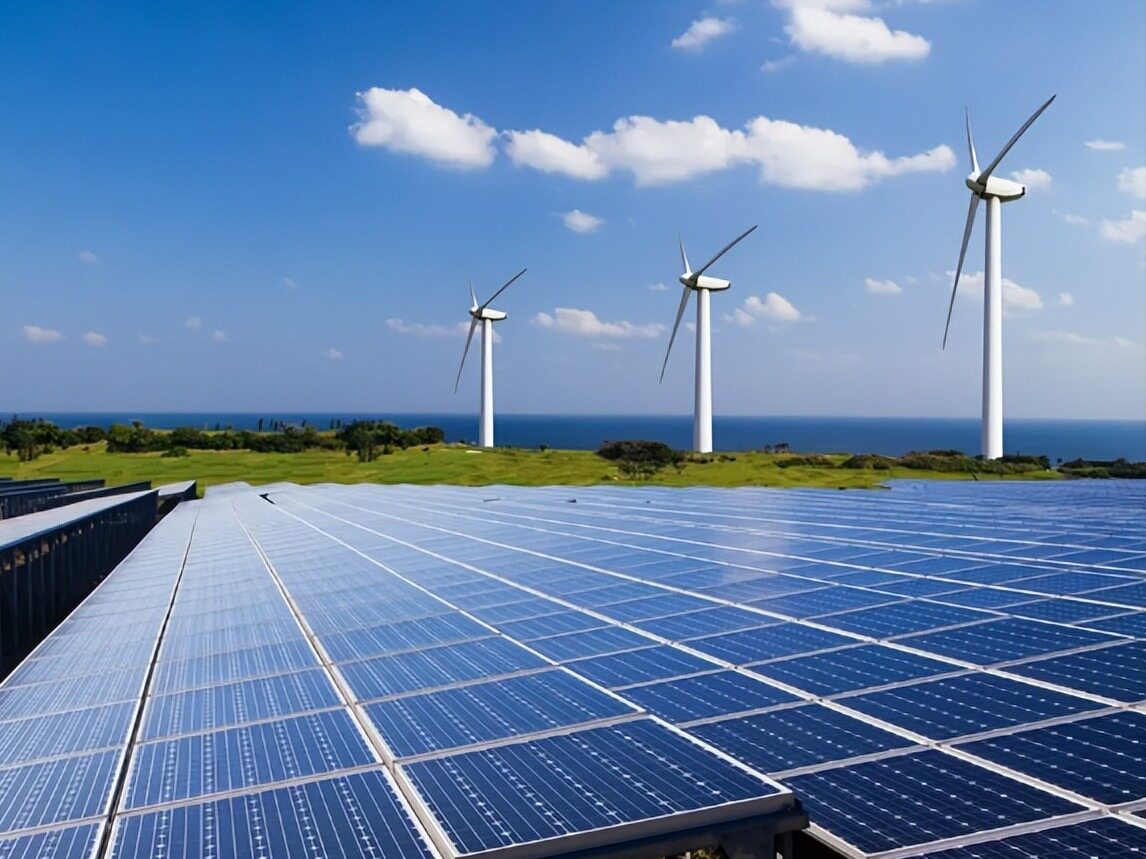
As a country rich in water resources but lacking in fossil fuels in Central Asia, Tajikistan has long faced the problem of insufficient electricity supply, especially during the dry season in winter, where the decline in hydropower output has led to frequent power outages in some areas. The landing of two photovoltaic power stations will effectively fill the power gap. It is expected that the annual power generation after operation will reach 14.6 billion kilowatt hours, meeting the electricity needs of about 3 million people and accounting for 18% of Tajikistan's total electricity consumption. At the same time, the large-scale application of photovoltaic energy will reduce the country's dependence on hydropower, forming a complementary energy pattern of "hydropower+photovoltaic", not only improving the stability of energy supply, but also promoting Tajikistan's national strategic goal of "renewable energy accounting for 30% by 2030".Editor/Bian Wenjun
Comment

 Praise
 Collect
 Comment

 Share
Share


Write something~