 Search


- Kyrgyzstan is embarking on a diversified path of energy transformation
- From small hydropower stations deep in the canyon to vast photovoltaic arrays by Lake Issyk Kul, Kyrgyzstan is simultaneously making efforts in the fields of traditional hydropower and emerging wind and solar energy
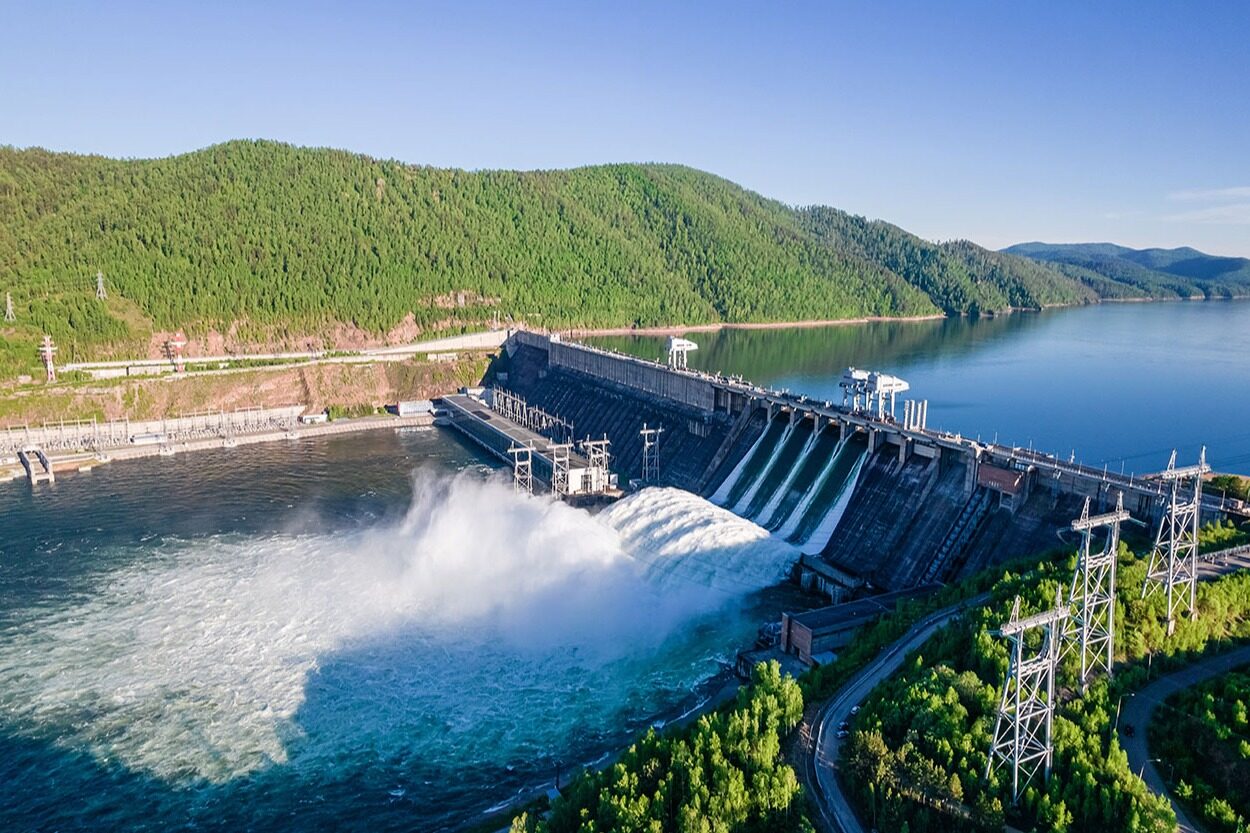
Faced with the dual challenges of enhancing energy security and achieving sustainable development, Kyrgyzstan, located in Central Asia, is implementing an ambitious energy system transformation and expansion in multiple dimensions such as traditional hydropower, new energy, and long-term strategies. The recent release of a series of data and plans by the country's Minister of Energy has clearly outlined a three-dimensional energy development blueprint that combines multiple lines and international cooperation.
Intensive implementation of small hydropower projects
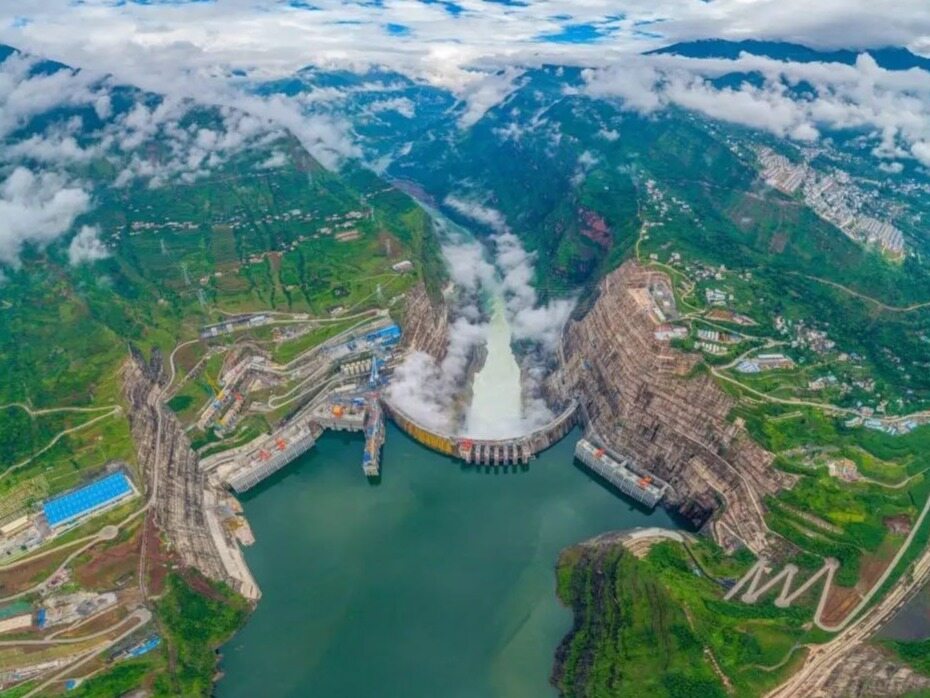
Hydroelectric power is the traditional energy pillar of Kyrgyzstan. At present, there are about 27-28 small hydropower stations in operation nationwide, providing nearly 1 billion to 600 million kilowatt hours of electricity annually. The government plans to continue investing in about 40 small hydropower stations to further tap into its abundant water resources.
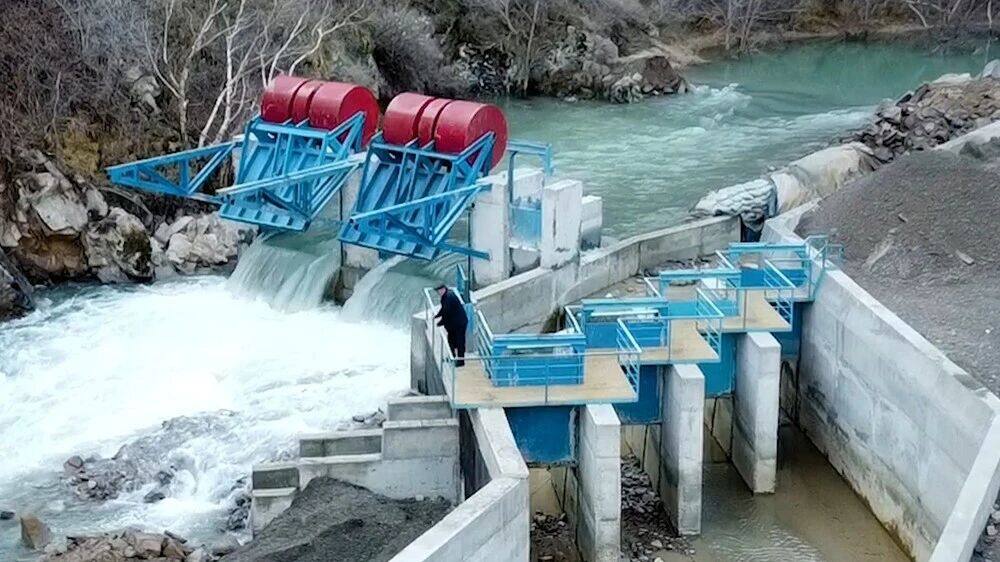
The core of this layout is to enhance the localization and stability of energy supply. Officials from the Ministry of Energy of Kyrgyzstan have clearly stated that small hydropower stations can not only provide direct power to local residents, but also alleviate the operational pressure of large power stations, which is a key step towards achieving energy independence. Recently, a new hydroelectric power station located in the Shamsin Canyon is expected to be put into operation before the end of the year, while the more anticipated Olto Tokoi small hydroelectric power station project with an installed capacity of 21 megawatts is being jointly implemented with China Water Resources and Hydropower Construction Group (CHMC) and is scheduled to be put into operation in 2026.
Issyk Kul becomes a core hub in Huzhou
While consolidating hydropower, Kyrgyzstan is vigorously exploring new energy tracks such as solar and wind energy, with Issyk Kul becoming the center of its green energy development.
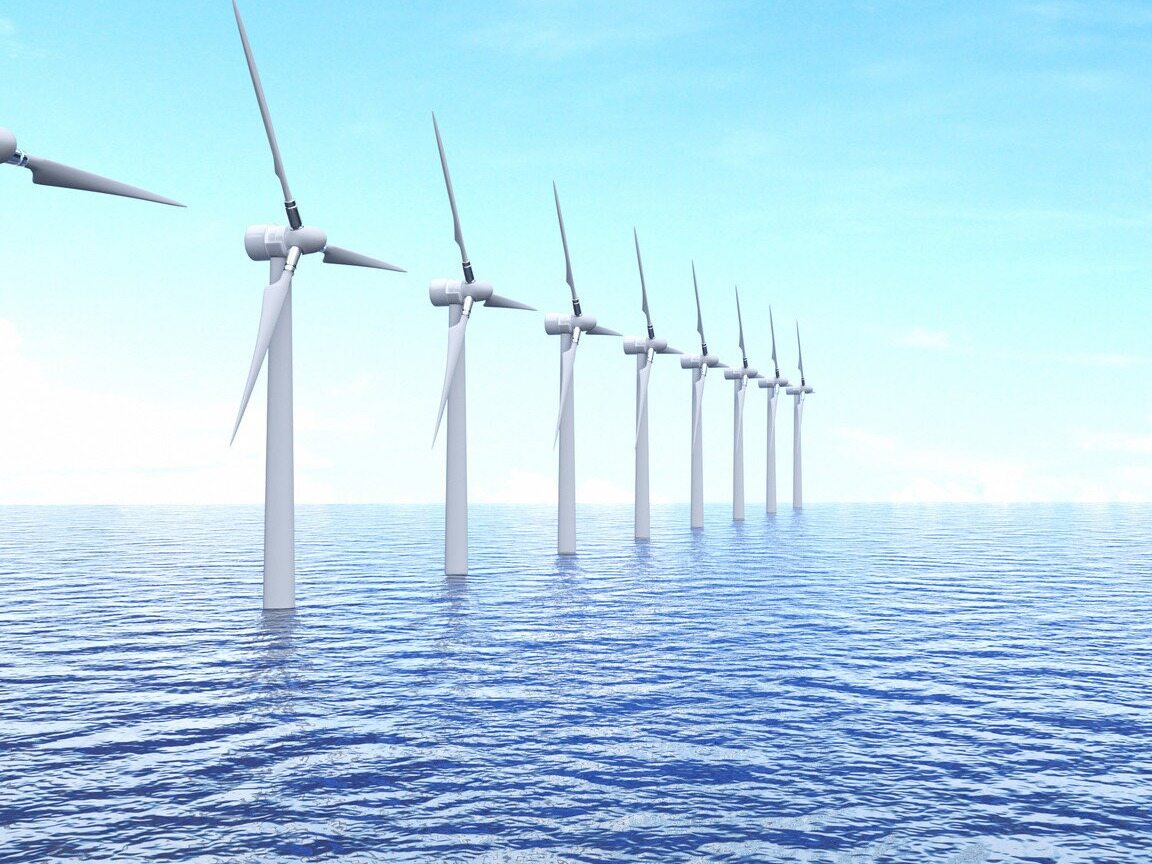
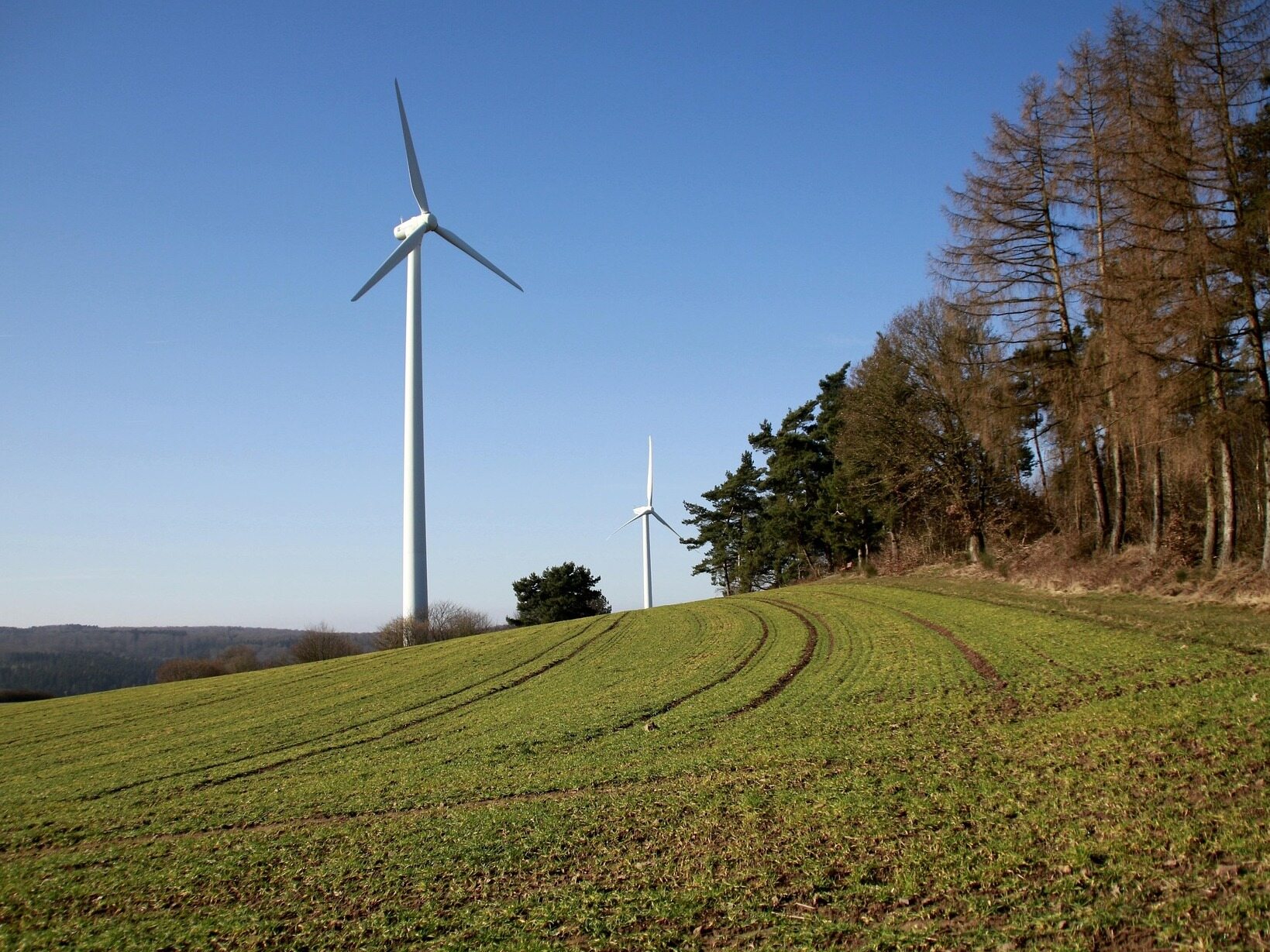
In the field of solar energy, the Toru Aigel 300 MW solar power station, constructed by Bishkek Solar Energy Company with a total investment of 270 million US dollars, is currently under construction and has received financing support from the Eurasian Development Bank. The development of wind energy has achieved a zero breakthrough: in June 2025, the country's first wind farm, invested and built by Metrum KG, laid its foundation in the city of Barecki in Issyk Kul. At the same time, Kyrgyzstan has signed an agreement with NovaWind, a subsidiary of the Russian State Atomic Energy Corporation, to build a 100 MW wind farm in the same region. These projects will not only enhance national energy security, but also be designated as landmark strategic projects.
Kyrgyzstan has shown a strong interest in developing nuclear energy with a focus on a longer-term energy structure, but its attitude is extremely cautious. The country has signed a memorandum of understanding with the Russian Atomic Energy Corporation on energy cooperation, which includes studying the possibility of jointly building small capacity nuclear power plants. However, nuclear energy projects face multiple challenges such as ecological environment, public consent, and professional talent reserves. The Minister of Energy has made it clear that construction will not begin until public consent is obtained, and estimates that the entire project cycle will take at least 10 years.
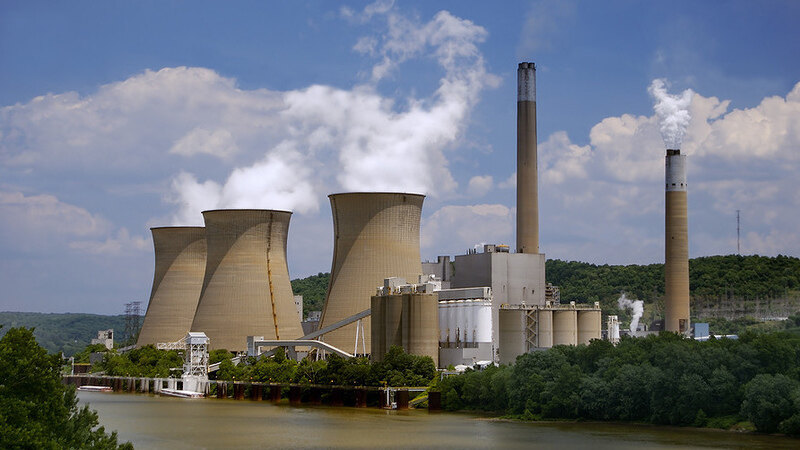
In addition, the progress of some planned large-scale energy projects has not been smooth sailing. For example, the highly anticipated Karaoke, also known as Karaoke, 1200 MW thermal power project has experienced delays due to the failure of the engineering general contracting bidding process. This highlights the practical challenges faced by project management and international bidding in promoting large-scale energy infrastructure. Keywords: international news, energy news
Overall, Kyrgyzstan is actively introducing capital and technology from multiple countries such as China and Russia, and pursuing a pragmatic and diverse path to build a safer, cleaner, and more resilient modern energy system. The success or failure of its energy transformation not only concerns the economic and social development of the country, but also has a profound impact on the energy landscape of Central Asia.Editor/Cheng Liting
Comment

 Praise
 Collect
 Comment

 Share
Share


Write something~