 Search


- To achieve this grand goal, the Gulei Plan has a total investment of over 30 billion yuan and laid out 34 supporting projects
- Gu Lei's "zero carbon revolution" is not a grandiose statement that can be achieved overnight, but a detailed and pragmatic blueprint for action
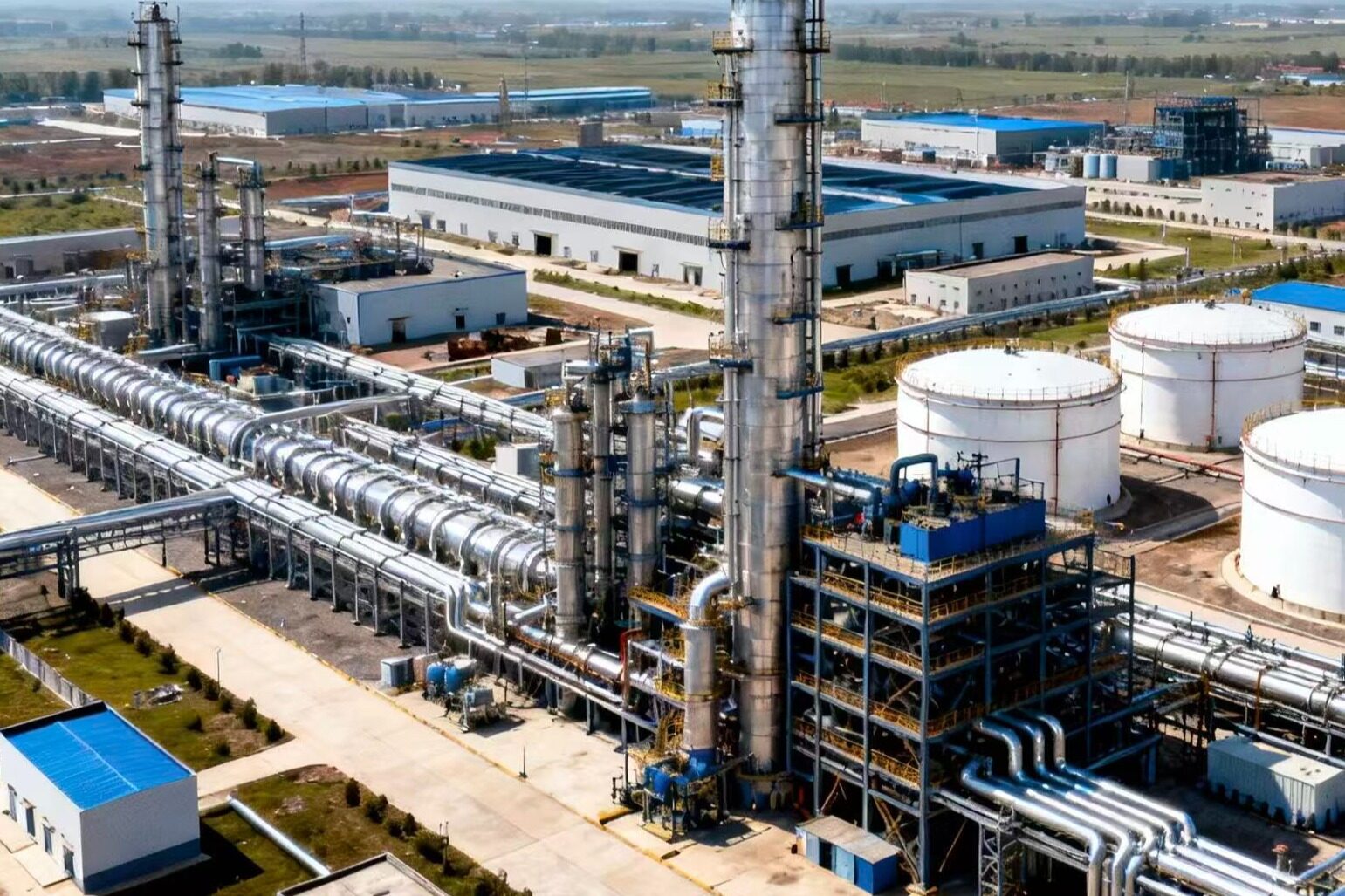
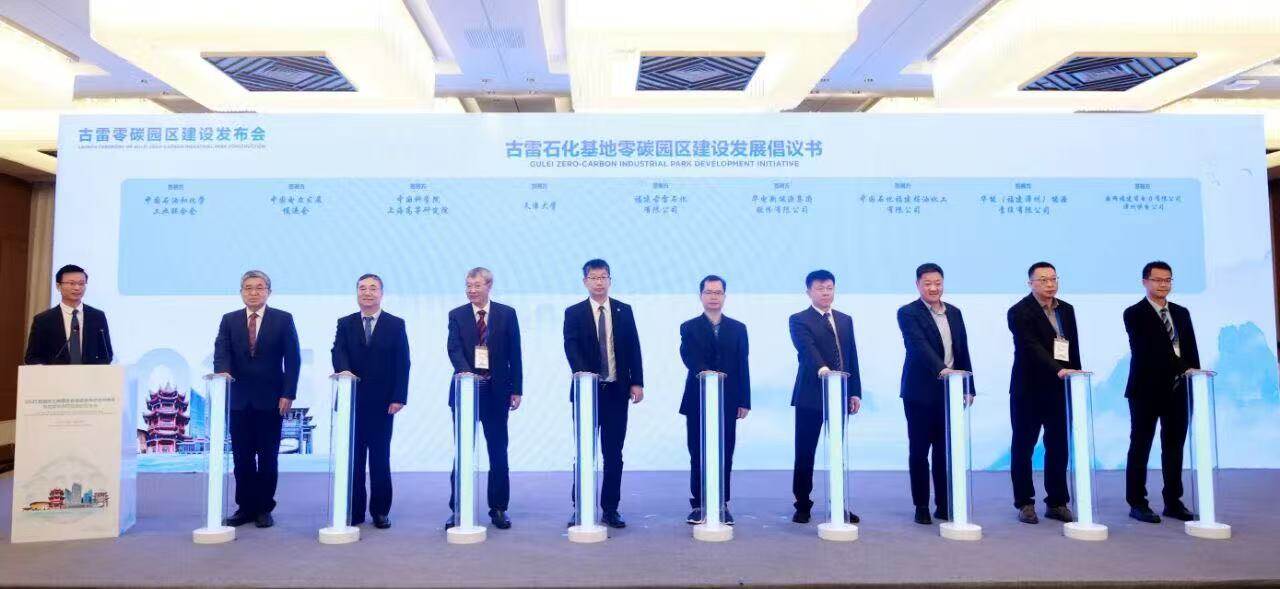
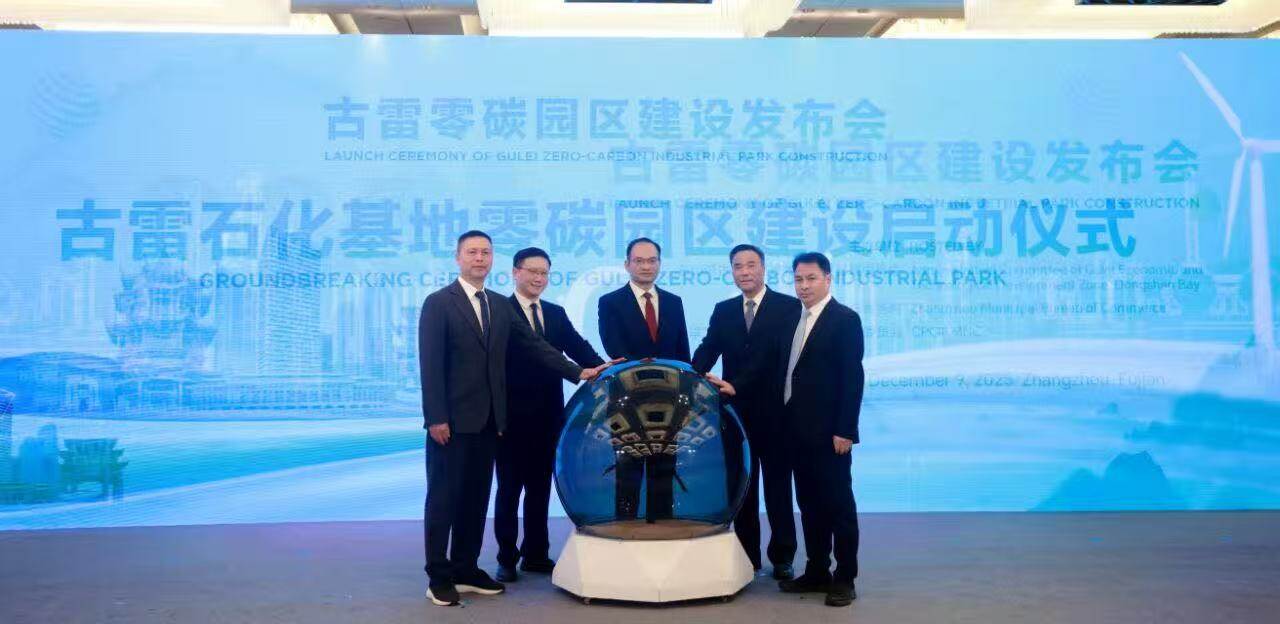
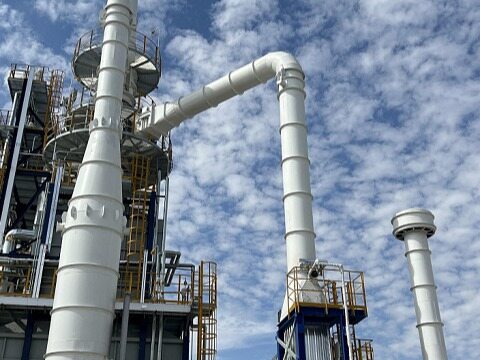
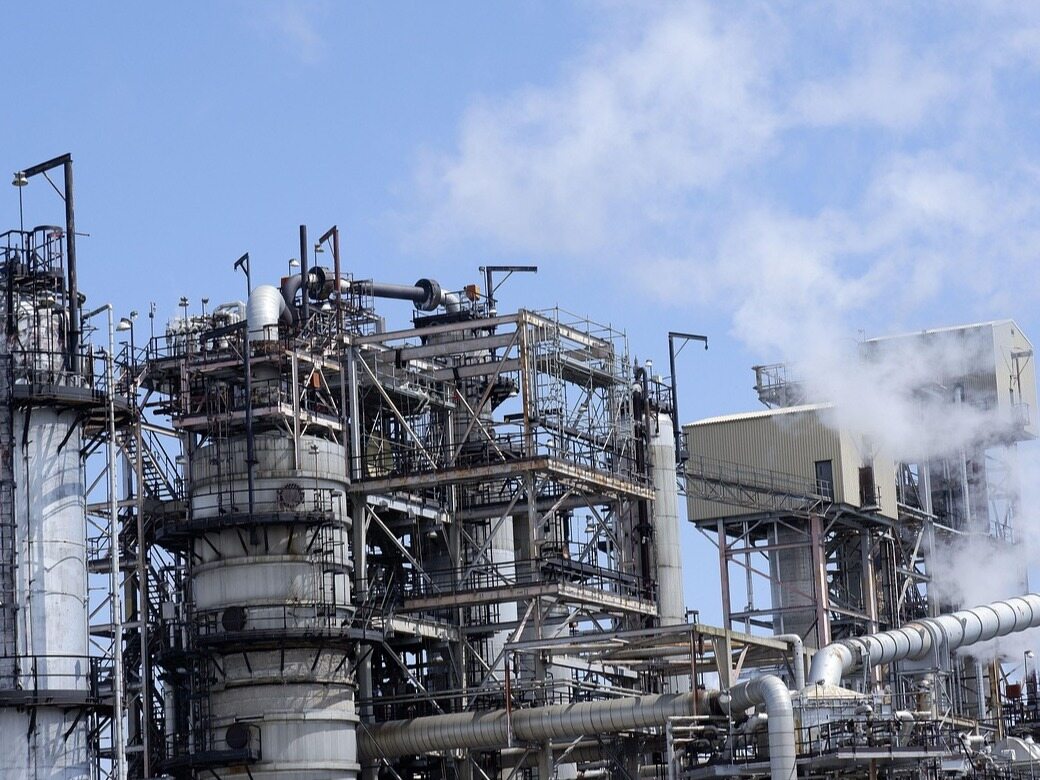
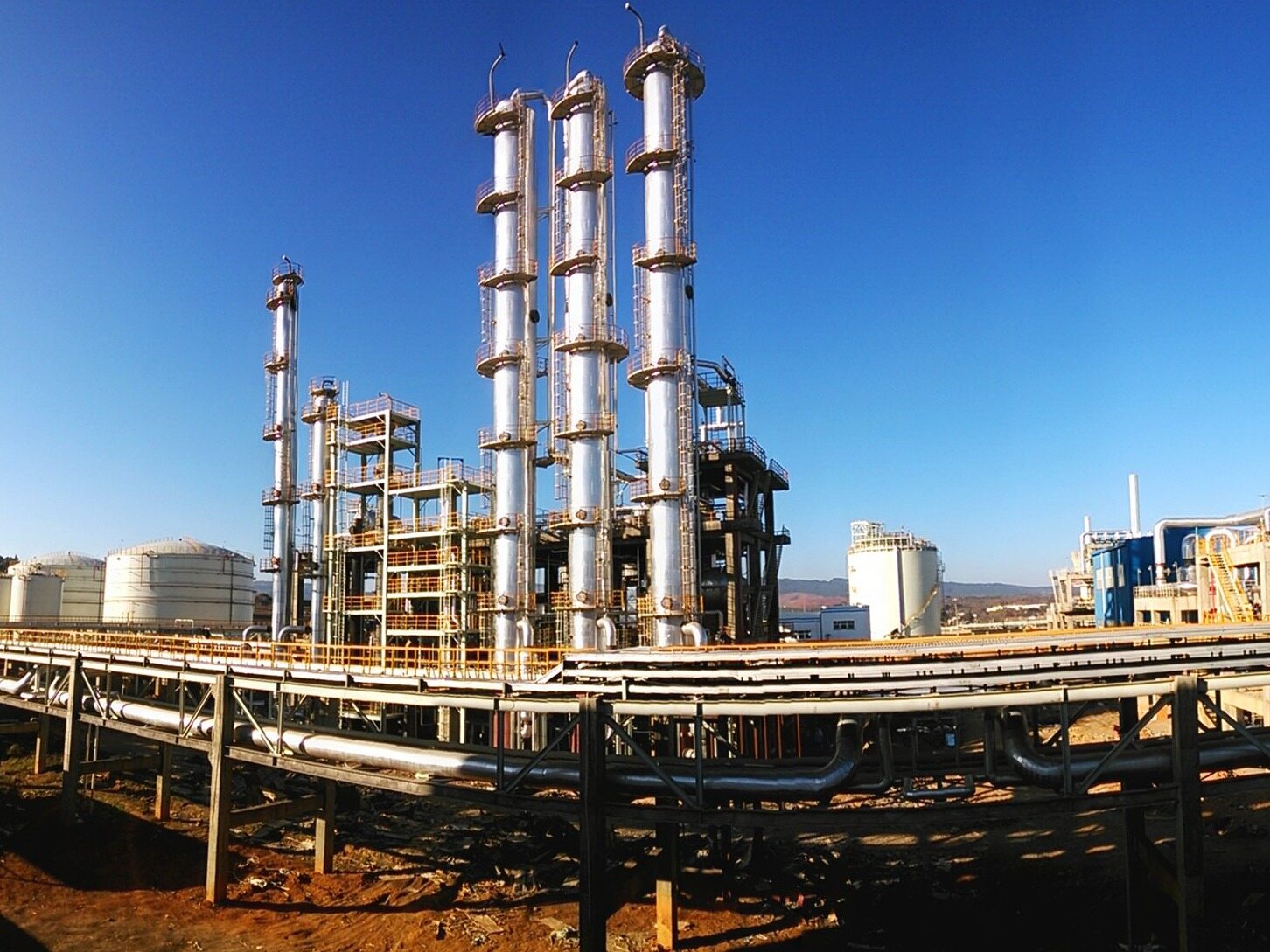
In today's world where green barriers to global trade are increasingly high, one of China's largest petrochemical industry bases, Gulei in Fujian, is standing at a crossroads of fate. It is no longer just satisfied with becoming an "industrial giant", but has chosen to target its own "high carbon" genes. On December 9th, a press conference was held in Zhangzhou, which brought together nearly a hundred multinational corporations, top scholars, and government officials. It was not so much a project launch ceremony as a declaration of the future: Gulei, this industrial new city that carries China's energy strategy, officially fired the first shot of the "revolution" of China's large-scale petrochemical base's comprehensive transformation towards "zero carbon". This is not only a grand project with an investment of over 30 billion yuan, but also a profound transformation that concerns survival and the future.
When 'carbon footprint' becomes a new trade barrier
The wave of global climate governance is profoundly rewriting business rules. Carbon footprint, once a distant environmental term, is rapidly becoming the "passport" that determines whether a product can enter the international market after price and quality. Faced with increasingly stringent international green trade barriers, China's petrochemical industry - the backbone of the national economy and a major consumer of energy and carbon emissions - is facing unprecedented challenges.
Ling Yiqun, Vice President of the China Petroleum and Chemical Industry Federation, pointed out the urgency of this transformation: "Carbon footprint is rapidly becoming a core competitive factor in the market." As the "forefront" of China's petrochemical industry's opening up to the outside world and green transformation, Gu Lei's choice is no longer "whether to transform", but "how to lead the transformation. The launch of the zero carbon park this time is Gulei's resounding answer to the question of this era, and it aspires to become a "practice area" for Chinese and foreign enterprises to jointly address industry challenges.
The 'two-step' zero carbon blueprint under a 30 billion investment
Gu Lei's "zero carbon revolution" is not a grandiose statement that can be achieved overnight, but a detailed and pragmatic blueprint for action. According to the released "Zero Carbon Park Construction Plan for Gulei Petrochemical Base", this transformation will follow the "two-step" strategy and be steadily promoted:
Phase 1 (until 2029): Creating an "experimental field". Take the lead in building a zero carbon industrial park for fine chemicals, reducing carbon emissions per unit energy consumption to 0.25 tons/ton of standard coal, and exploring replicable and promotable experiences for comprehensive transformation.
Phase 2 (until 2035): Achieving "full coverage". Promote the successful model to the entire base, introduce more cutting-edge technologies, and ultimately achieve the national zero carbon target of 0.3 tons of carbon emissions per ton of standard coal per unit energy consumption.
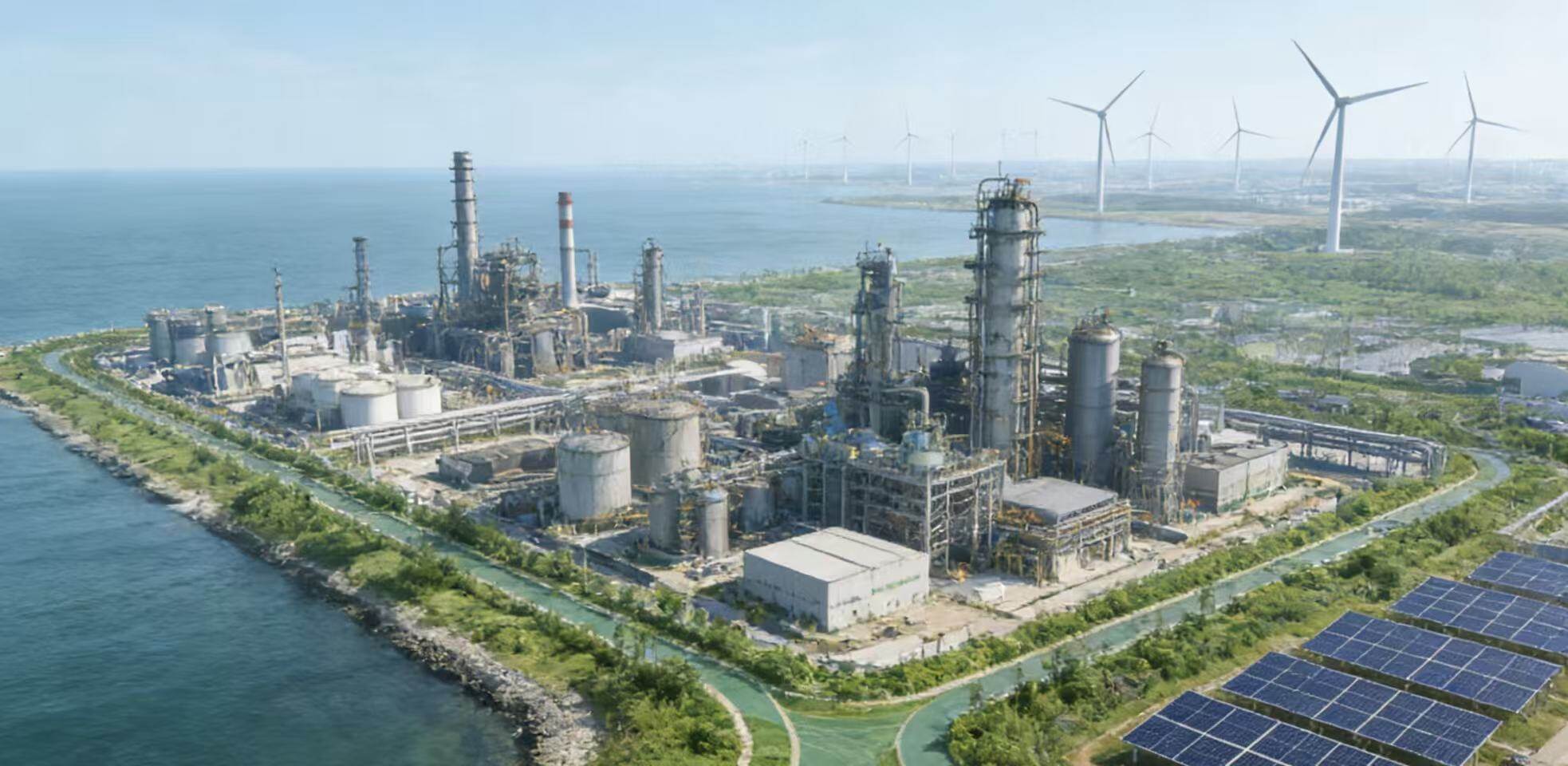
To achieve this grand goal, the Gulei Plan has a total investment of over 30 billion yuan, deployed 34 supporting projects, and focused on five core tasks: green power substitution, thermal clean substitution, energy conservation and carbon reduction, zero carbon transportation, and smart energy carbon management. These five tasks are interrelated and aim to comprehensively and systematically reduce the carbon footprint of the entire industry chain, from energy supply, production processes to logistics transportation.
The Deepwater Zone from Energy Substitution to Technological Breakthrough
If energy substitution is the "first half" of Gulei's green transformation, then technological innovation is the "second half" that determines success or failure. Gu Lei's ambition is not just to replace coal-fired power with green electricity, but to delve into the "capillaries" of the industry and reconstruct production methods with disruptive technologies.
Gulei's goal is to become the first large-scale petrochemical base zero carbon park in China, contributing valuable "Gulei experience" to the entire industry. From today on, this once industrial hotspot will demonstrate to the world through a profound "zero carbon revolution" that heavy industry and green mountains can coexist harmoniously, and a more competitive and sustainable future is moving from concept to reality.Editor/Bian Wenjun
Comment

 Praise
 Collect
 Comment

 Share
Share


Write something~