 Search


- The current Chinese data center industry has entered a new cycle defined by both technological and policy paradigms
- Driven by the huge computing power demand brought by artificial intelligence and the national strategy of "East West Computing", the Chinese data center market is undergoing profound changes
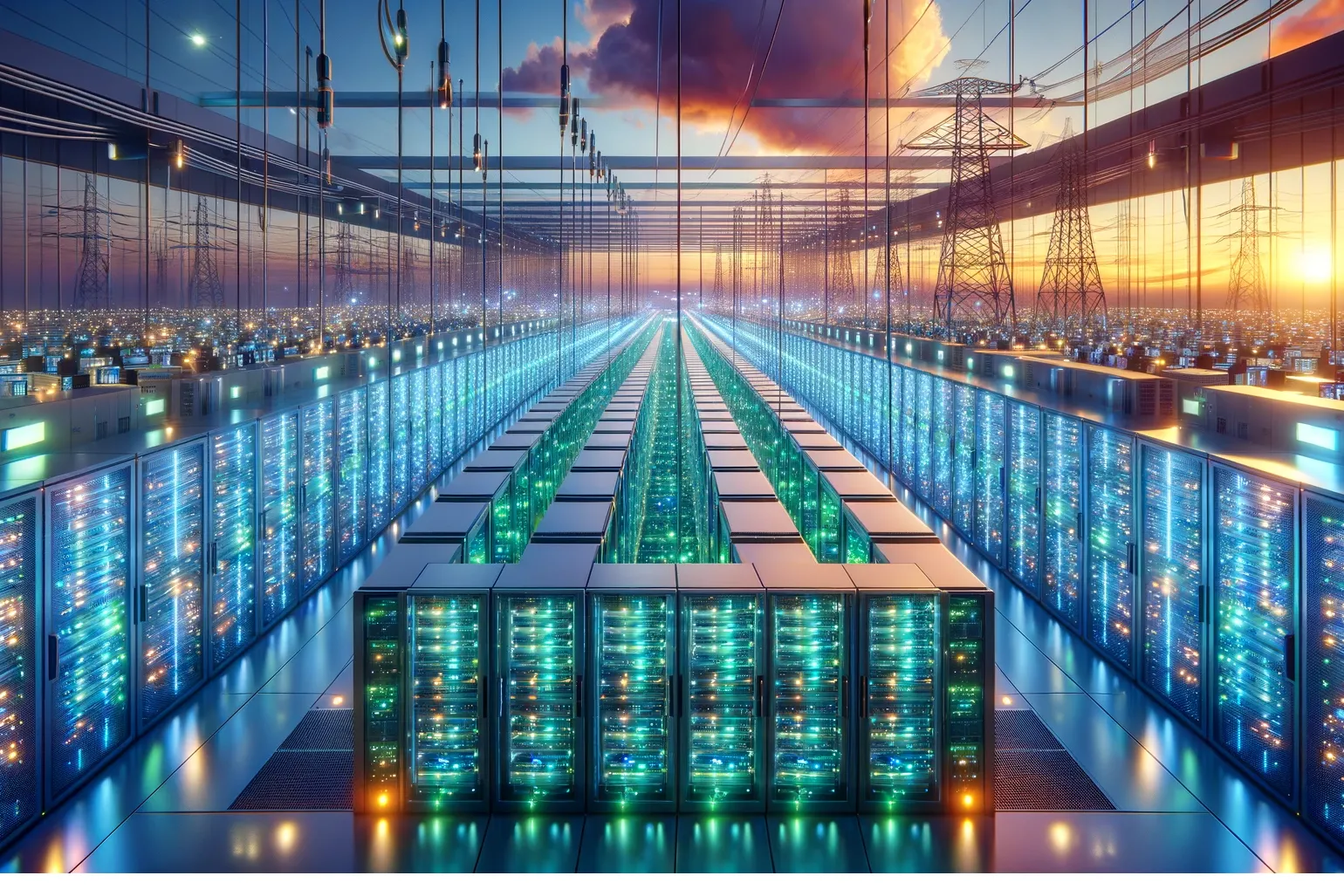
In the tide of global digital transformation, data has become a new factor of production, and computing power, as the core driving force for processing and mining the value of data, is evolving into a fundamental resource comparable to water and electricity. In the past two years, generative artificial intelligence (AIGC) represented by ChatGPT and DeepSeek has swept the world like a tsunami. Its greedy demand for computing resources has fundamentally ignited an unprecedented computing power competition and completely reshaped the industrial logic, competitive landscape, and development direction of China's data centers.
China is accelerating the construction of a nationwide integrated, green and intensive computing power network with unprecedented determination and strength, in order to welcome the comprehensive arrival of the intelligent+era.
The industrial upheaval from cloud first to AI first
The prosperity of the data center market today is far from the simple expansion driven by Internet traffic in the past, but a profound change driven by the combination of artificial intelligence, massive data, cloud service mode and national strategy.
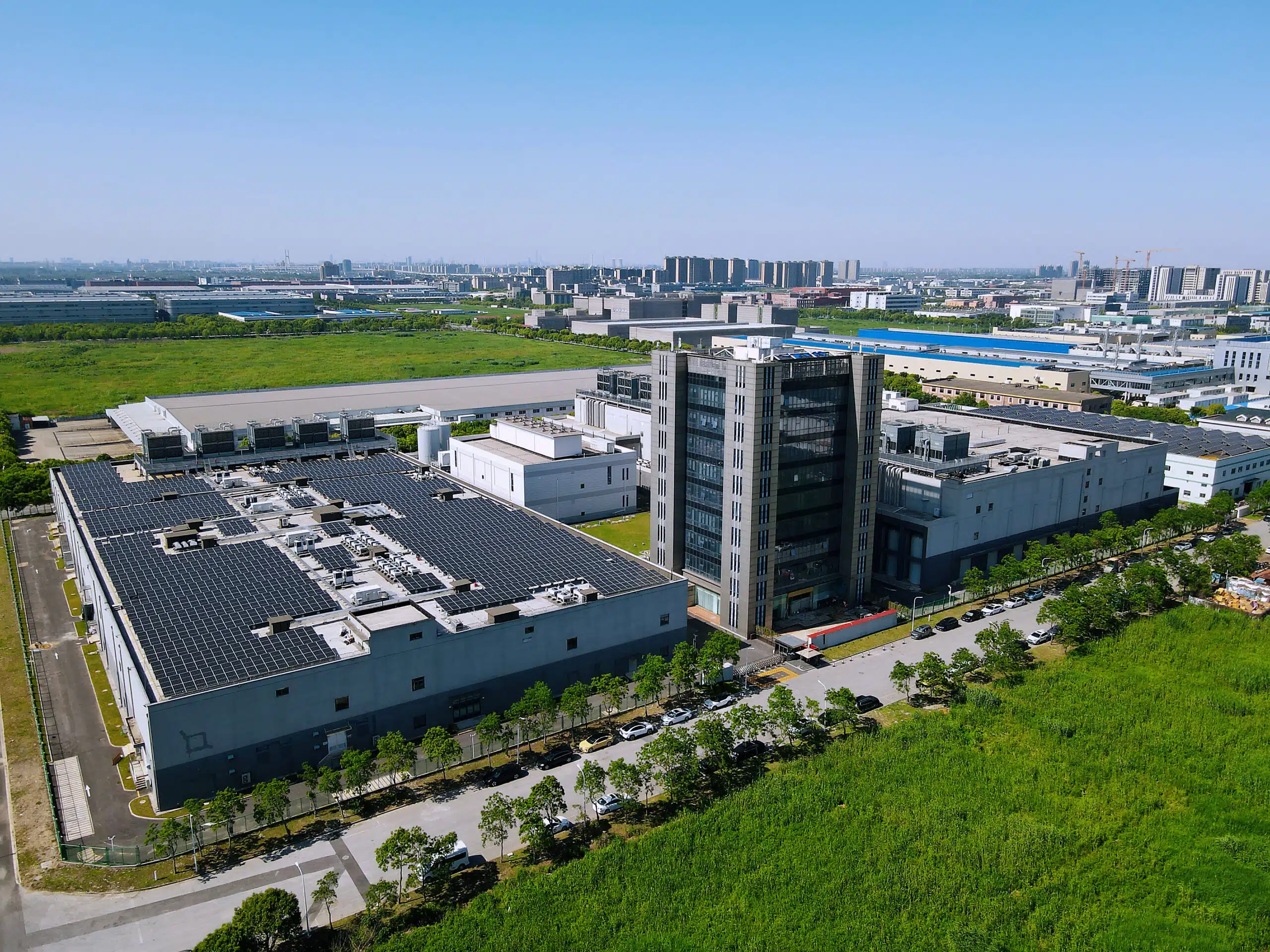
Artificial intelligence has become an undisputed core engine. The training and inference of AI large-scale models require a huge amount of computing resources, which directly leads to a massive demand for high-performance GPU clusters and ultra-high power density data centers. An intuitive reference is that by 2027, the energy consumption of global AI workloads is expected to exceed the annual electricity consumption of just one country, Argentina. In China, this demand is particularly strong. Relevant analysis predicts that in the next three years alone, the capital expenditure of China's leading Internet manufacturers may bring at least 7 GW of new IT power demand.
This AI first wave is driving a comprehensive overhaul of data center infrastructure. The power of a single cabinet in traditional data centers is generally between 5-10 kilowatts, while in order to support hundreds or thousands of GPUs, the power of a single cabinet in intelligent computing centers has generally risen to over 30 kilowatts, and even moved towards 200 kilowatts. This has also promoted the rapid popularization of new heat dissipation technologies such as liquid cooling to cope with the transition of chip thermal design power consumption to the kilowatt level. At the same time, the complexity and iteration speed of AI models require computing power centers to have unprecedented flexibility and fast response capabilities.
The national strategy of East West Calculation has set clear tracks and rules for this computing power competition. This mega project aims to orderly guide the intensive computing power demand in the east to the renewable energy rich west for solution, in order to build a nationwide integrated computing power network. This is not only a re layout of geographical space, but also a comprehensive upgrade of industrial quality. The policy clearly requires that the energy utilization efficiency of data centers at national hub nodes should be reduced to below 1.2, and the proportion of green energy use should be greatly increased. Under policy guidance, data center construction is accelerating its intensive deployment to western hub nodes such as Inner Mongolia, Guizhou, Gansu, and Ningxia. As of the third quarter of 2025, 10 national level hub nodes have been built nationwide, and the computing power scale of western nodes has significantly increased compared to 2023, effectively alleviating the supply-demand contradiction in the east.
The new competitive ecology under the tripartite confrontation and head aggregation
Driven by strong demand and top-level design, the competitive landscape of China's data center market has shifted from early dispersion to concentration, forming a tripartite competition of national teams, professional teams, and cloud giants, while the market share is accelerating towards the concentration of top enterprises.
Telecom operators represented by China Telecom, China Mobile, and China Unicom are the main players in the national team in the market. They rely on nationwide network resources, a huge customer base, and policy advantages to become the core builders of the East West Computing Project. For example, China Mobile is fully committed to building a new information service system that combines connectivity, computing power, and capability, while China Unicom has been deeply involved in the construction of large-scale data centers in western hubs such as Gui'an and Hohhot.
Third party professional service providers represented by GDS of Wanguo Data, VNET of Century Internet, CHINDATA of Qinhuai Data, Data Port, etc., constitute the backbone professional team of the market. They are good at flexible, efficient and customized services, and are deeply bound to the head Internet and cloud service providers. In the era of AI, these enterprises have demonstrated a keen sense of transformation. For example, Century Internet proposed the ALL in AI strategy in 2023 and is building gigawatt level super intelligent computing bases in cities such as Huailai and Ulanqab in Hebei. With innovative liquid cooling technology and low PUE value, Qinhuai Data has become the main supplier of leading enterprises such as ByteDance.
Cloud computing giants led by Alibaba Cloud, Tencent Cloud, and Huawei Cloud have built large-scale data center clusters worldwide based on their own massive public cloud businesses. To support AI competition, cloud vendors have entered a new phase of expansion in their capital expenditures. Take ByteDance as an example, the market expects its capital expenditure on AI to be huge. This has led to K-type differentiation within the cloud computing market: vendors represented by Alibaba Cloud and Volcano Engine have adopted aggressive expansion and pricing strategies to compete for market share; Tencent Cloud, Huawei Cloud, and others place greater emphasis on profit and healthy financial models, with relatively robust strategies.
At the same time, a key trend is that the value of the industrial chain is accelerating towards the top enterprises. Giants with full chain service capabilities, strong financial strength, and abundant land and energy resource reserves have become increasingly advantageous when undertaking intelligent computing center projects that often invest billions or even tens of billions. The market has evolved from simple resource competition to comprehensive strength competition covering technology, energy, capital, and ecology. Keywords: news and information, new infrastructure
Currently, China's computing power industry is entering a new stage of high-quality development. Despite facing challenges in key technologies and the coordination of computing power supply and demand, a nationwide, flexible, and green intensive computing power network is accelerating its formation under the strong guidance of national strategies and the surging market demand.Editor/Cheng Liting
Comment




 Praise
 Collect
 Comment

 Share
Share


Write something~