 Search


- China's railway is a new trajectory towards comprehensive upgrading of quality, structure, and efficiency
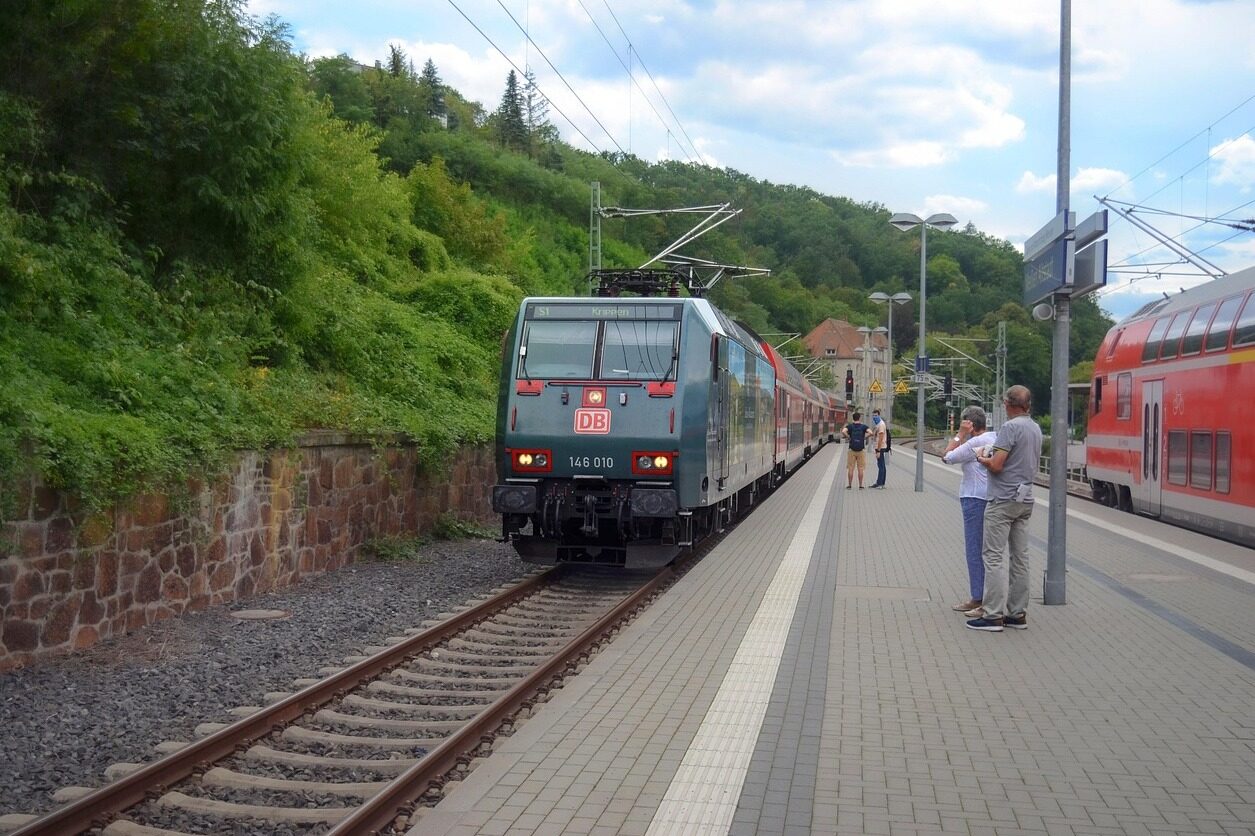
A group of figures stirred up the waves at the end of the year: in 2025, the national railway fixed assets investment is expected to exceed the 900 billion yuan mark. This will not only break the historical record of 850.6 billion yuan just set last year, but also mean that the cumulative investment scale of China's railways during the 14th Five Year Plan period will be close to 4 trillion yuan, which is on par with the grand scale of the previous five-year plan. The steel dragon is moving forward with an unexpected force. However, this is not just an arithmetic accumulation of a huge investment, but the underlying logic, fluctuating trajectory, and future direction outline a more grand picture of national development.
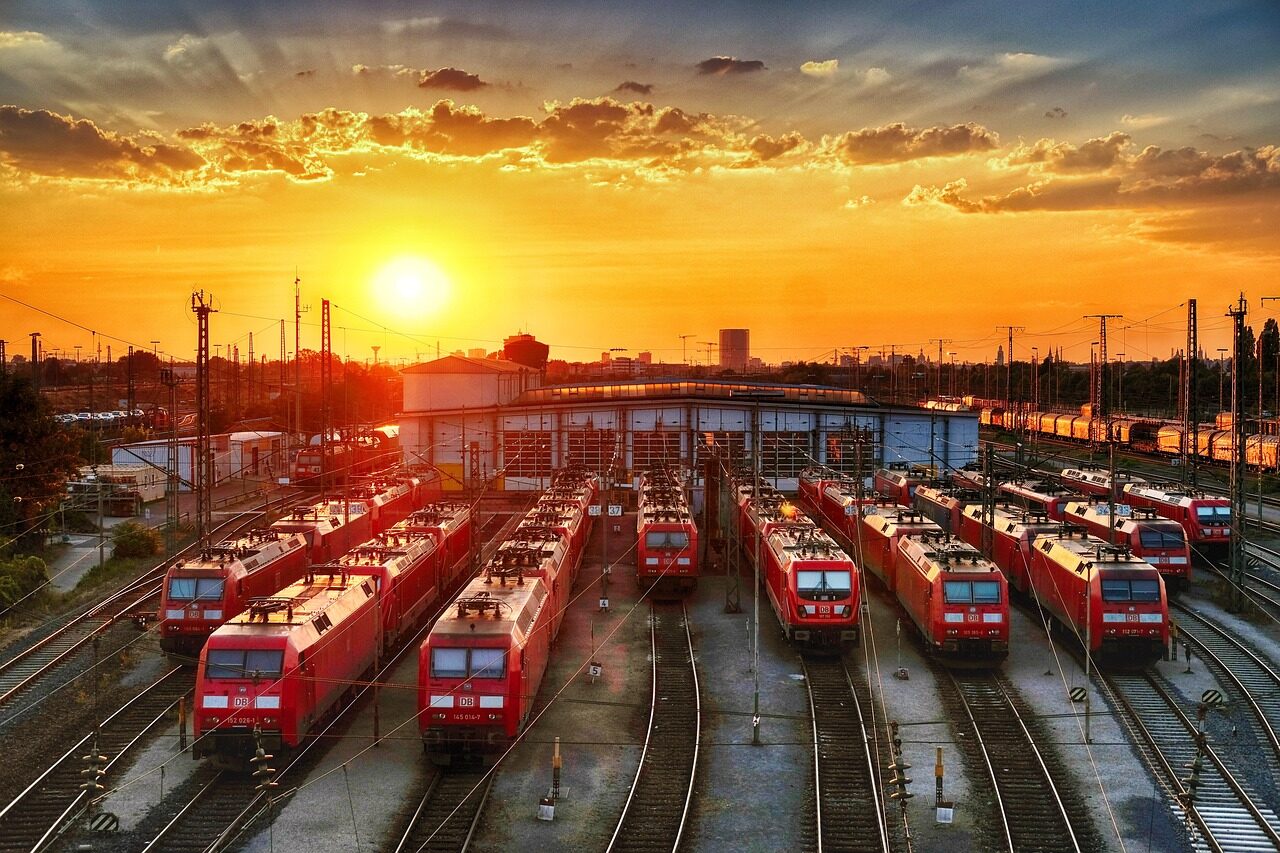
Examining the railway investment curve of the 14th Five Year Plan, a distinct V-shaped trajectory is presented. In the first year, the amount of 748.9 billion yuan continued the downward trend towards the end of the 13th Five Year Plan; In 2022, it even reached a low point of 710.9 billion yuan. But a turning point will emerge in 2023, with investment rebounding to 764.5 billion yuan and surging to a new peak of 850.6 billion yuan with a high-speed growth rate of 11.3% in 2024. This kind of first suppression and then rebound is not simply a result of economic cycles, but a manifestation of precise macroeconomic regulation and strategic determination. It effectively counteracts the pressure of economic fluctuations during specific periods and decisively releases the key role of railway construction as ballast and propeller when strong momentum is needed for economic recovery. By the end of the year, the steady growth rate of 5.9% was maintained in the first 11 months, ultimately leading to an expected 900 billion yuan, ensuring the successful achievement of the five-year plan goals and reflecting the continuity and feasibility of the national infrastructure investment plan.
As we shift our focus from the medium-term cycle of five years to the comparison between the complete eras of the 13th and 14th Five Year Plans, a more profound phenomenon emerges: in both five-year periods, the total investment has been steadily anchored at the level of 4 trillion yuan. This is not a coincidence or repetition of history, but a consistent internal logic of China's development model. It eloquently proves that large-scale, long-term strategic infrastructure investment has always been one of China's core toolboxes for dealing with complex environments, smoothing economic cycles, and optimizing spatial patterns. The railway network, as the backbone of the national economy, has sustained high-intensity investment, which is a firm expression of the national will for the blueprint of a "strong transportation country", and an indispensable physical cornerstone for building a new development pattern with domestic circulation as the mainstay and domestic and international dual circulation promoting each other.
However, compared to the stable high level of 800 billion yuan per year during the 13th Five Year Plan period, the V-shaped reversal curve of the 14th Five Year Plan clearly contains a strong pulse of the new era. The current annual investment of nearly 900 billion yuan has already gone beyond simply pursuing the expansion of road network density and mileage, and clearly points towards a qualitative leap and structural optimization. This massive amount of funds is being precisely poured into several key dimensions:
One is the deepening and encryption of geographic space. The recent breakthroughs in the Panzhou Xingyi high-speed railway, the upcoming Xi'an Yan'an high-speed railway, and the Guangzhou Zhanjiang high-speed railway clearly indicate that the high-speed railway network is rapidly extending from the eastern trunk line to the western, southwestern, and central regions, strengthening its radiation to underdeveloped areas and fulfilling the promise of coordinated development.
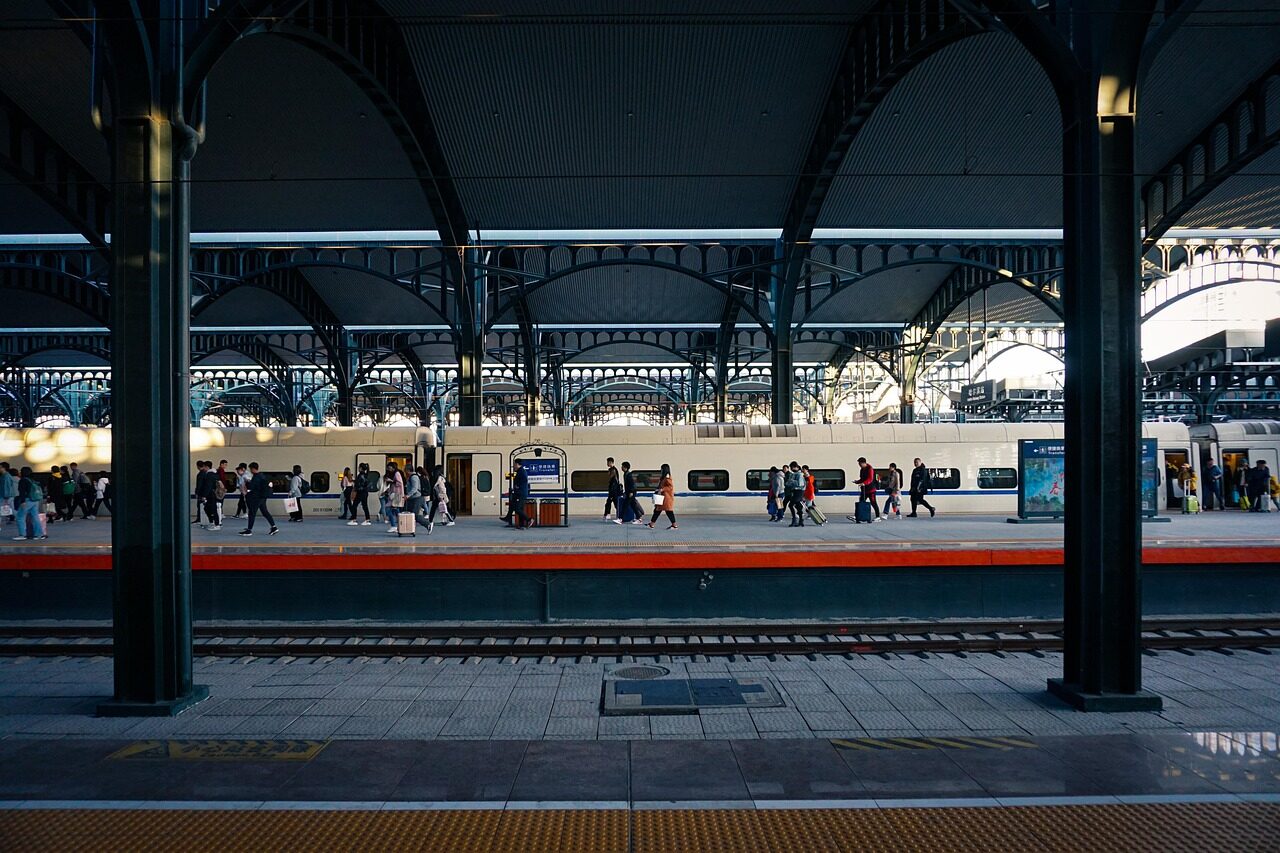
Secondly, it is the rise and challenge of technical standards. The progress made in key control projects such as the Jingu Haihe River Tunnel in the Tianjin Weifang high-speed railway represents China's railway construction constantly challenging complex geological conditions, breaking through major engineering difficulties, and climbing the world's engineering technology peak.
Thirdly, it is the stimulation and expansion of fusion efficiency. Railway investment is increasingly focusing on deep integration with regional economy, tourism development, and industrial upgrading. The promotion of tourism resources along the Panxing high-speed railway is a vivid footnote to the new model of railway construction+industrial empowerment. Fourthly, it is to ensure the consolidation and safety of the chain. Investment will inevitably include maintenance and upgrading of existing road networks, equipment iteration, and reinforcement of supply chain security systems to ensure the long-term health and resilience of major arteries.
Looking ahead, railway investment exceeding 900 billion yuan is not only a brilliant milestone, but also a brand new starting point. It indicates that China's railway construction is moving towards a new stage that places greater emphasis on quality, efficiency, integration, and sustainability. Future investments will resonate more closely with major national and regional strategies, cutting-edge technological innovation, green and low-carbon transformation, and improvement of people's livelihoods. The extension of every inch of steel rail, the connection of every bridge and tunnel, is no longer just a physical space connection, but also a sharing of development opportunities, an experimental field for technological innovation, and a strong support for national competitiveness. Keywords: infrastructure construction, engineering strategy news
The galloping steel dragon, with its steady and firm rhythm, continues to reshape China's economic geography. The nearly 4 trillion yuan investment during the 14th Five Year Plan period, together with the potential new high of 900 billion yuan, plays a powerful symphony of deep integration between infrastructure modernization and national development strategy. It tells us that China's modernization process has always been built on such a solid and broad foundation, and every step forward has strength.Editor/Cheng Liting
Comment




 Praise
 Collect
 Comment

 Share
Share


Write something~