 Search


- In the board of directors of mega projects such as high-speed trains and nuclear power plants, the voice of private capital is weak
- Now, this once insurmountable barrier has been torn open, leaving a historic gap
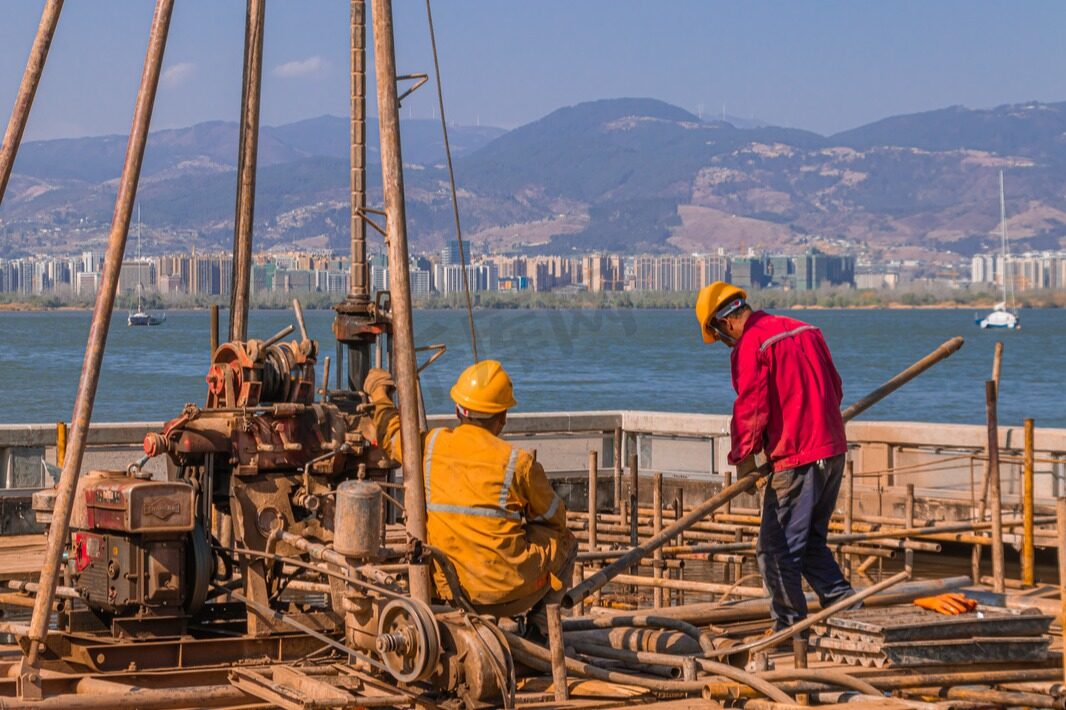
As the blueprint for the key engineering project worth 57.5 trillion yuan unfolds before our eyes, a silent yet profound transformation has quietly begun. For a long time, private capital has been constrained by "glass doors" and "spring doors" in key infrastructure fields such as railways, nuclear power, and hydropower. With the issuance of a document, this pattern is being redefined. The General Office of the State Council recently released the "Several Measures to Further Promote the Development of Private Investment", which not only clarifies that the shareholding ratio of private capital can exceed 10%, but also sends a strong signal to promote effective investment and reconstruct market entities - infrastructure investment is no longer just a stage for state-owned capital, and private forces are facing unprecedented opportunities for participation.

Currently, the infrastructure market is in a critical period of transformation. On the one hand, by 2025, the investment scale of national key engineering projects will reach 57.5 trillion yuan, covering 19000 projects; On the other hand, the traditional infrastructure model is unsustainable, and the weak growth of private investment has become a prominent bottleneck. In this context, the "Several Measures" have emerged, with 13 measures launched around expanding access, breaking through bottlenecks, and strengthening guarantees. It explicitly proposes to carry out special feasibility studies on private investment in fields such as railways, nuclear power, and hydropower, and promote private capital to move from "participation" to "deep participation".
The core breakthrough of this policy lies in the clear numerical representation of shareholding ratios. In the past, private capital only played an auxiliary role in some fields, and its holding space of over 10% made it a truly important subject for project decision-making and profit sharing. For example, the Guangdong nuclear power project has already received a 20% stake from private capital, indicating that private capital is gradually entering the core field of infrastructure.
The policy coverage has also been further expanded, extending from traditional infrastructure to emerging fields such as commercial aerospace and productive services. The Measures emphasize equal treatment of private investment in frequency licensing, launch approval, and other aspects, while encouraging private capital to invest in service industries such as industrial design and inspection and testing. In the first 10 months of this year, private investment in industries such as railways, ships, and aerospace equipment manufacturing achieved double-digit growth, demonstrating a positive trend of capital moving towards reality and innovation.
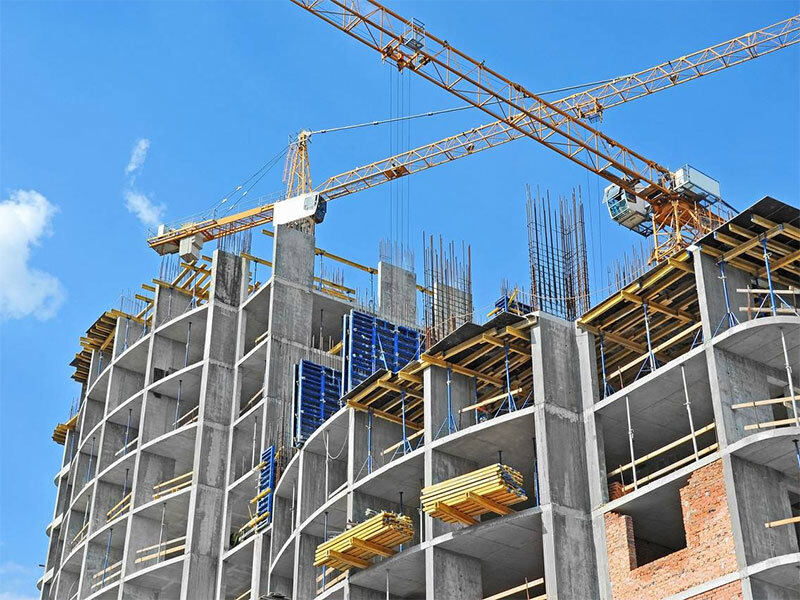
The funding problem has also encountered a solution path. Clear policies can alleviate the financial pressure on private enterprises by increasing the proportion of contract advance payments to over 30%, increasing investment support from the central budget, and expanding the scope of infrastructure REITs issuance. The recently released list of REITs projects includes categories such as commercial office facilities and urban renewal facilities for the first time, providing more diverse exit channels for private capital.
With the implementation of policies, the pattern of the infrastructure market is gradually being restructured. In the first 10 months of this year, private investment in infrastructure increased by 4.5% year-on-year, accounting for 22.6% of all infrastructure investment. As of now, the country has attracted more than 2000 private capital to participate in projects, with a total investment of over 2.6 trillion yuan. The investment direction has further focused on areas with profit mechanisms, high technological barriers, or urgent needs for people's livelihoods, promoting infrastructure towards "effective investment" and "precise policy implementation".
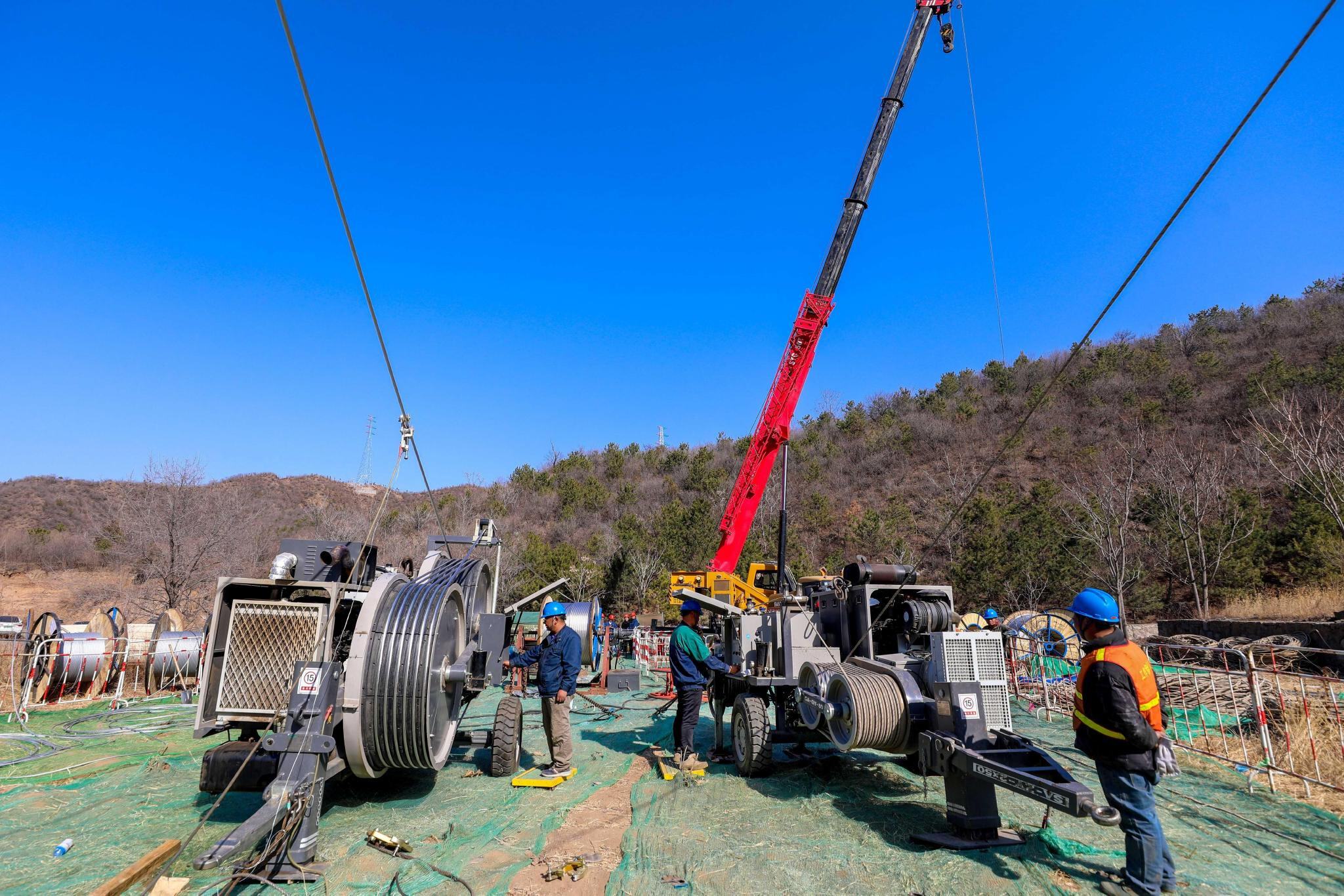
The issuance of the 'Several Measures' is not only a breakthrough at the policy level, but also a profound market-oriented enlightenment. When the shareholding ratio of private capital exceeds 10%, it is no longer just a number in the text, but a real share in the equity structure of the project company, and the logic of infrastructure investment is being rewritten. Under the investment blueprint of 57.5 trillion yuan, a new infrastructure ecosystem that is more open, diverse, and dependent on market vitality is gradually taking shape. For private capital, this is not only a moment to test their strategic vision, but also a historic window to embrace national strategies and participate in the reconstruction of infrastructure patterns. Editor/Xu Shengpeng
Comment






 Praise
 Collect
 Comment

 Share
Share


Write something~