 Search


- This plan is a gamble for Oman to break free from its dependence on oil in the future
- Whether Oman's chip dream can come true depends not only on the sustained attractiveness of its policies, but also on the deep interweaving with the response of world industrial forces
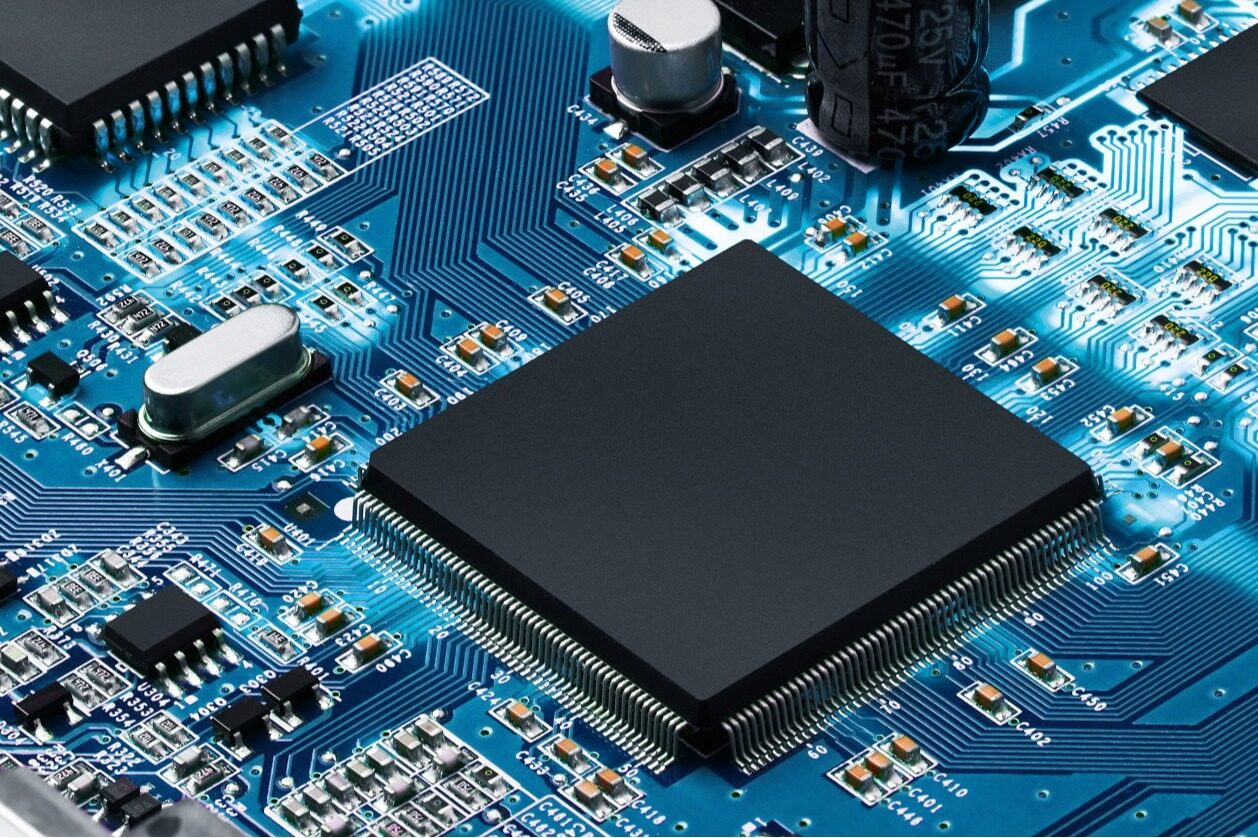
On the shores of the Gulf of Muscat, an unprecedented international semiconductor executive summit has just concluded, and an ambitious plan has emerged - Oman has officially announced three major investment opportunities in the semiconductor industry with a total investment of approximately 5.16 billion US dollars, aiming to turn this oil famous land into a new node in the global semiconductor industry chain.
These three investment opportunities cover key links in the entire industry chain from chip design, packaging and testing OSAT to semiconductor grade silicon material manufacturing, marking a substantial step in Oman's strategic transformation towards high-tech industries.

Three major opportunities to build the embryonic form of the entire industry chain
The three investment opportunities announced by Oman this time have clear goals and positioning, aiming to systematically fill the semiconductor industry gap in the country and the Middle East region.
The first opportunity is to invest approximately $30 million to establish an integrated circuit IC design company in Muscat with the ability to serve the international market. This project is aimed at private investors and aims to ignite the smart engine of Oman's semiconductor industry.
The second opportunity is even more significant, with plans to invest $130 million to $140 million to build the first semiconductor packaging and testing OSAT factory in the Middle East region. The project is expected to create 300 job opportunities, with investors receiving up to 100000 square meters of free land and strong incentives and financing support under the government private cooperation framework.
The third opportunity is the largest in scale: investing up to $5 billion to jointly build a semiconductor grade silicon material manufacturing plant in Muscat. The factory aims to establish a key raw material production base, directly connect with global chip manufacturing demand, and is expected to create 30 to 100 high-value job opportunities.
Oman has provided a highly competitive policy package to attract investment, including free land allocation, tariff exemptions, 100% foreign ownership within the free zone, and long-term tax incentives to minimize investment entry barriers.
Existing layout and technical talent reserve
Oman's semiconductor ambitions did not come out of thin air, but were based on sustained investment and initial achievements in recent years. Oman's semiconductor industry has attracted over 130 million US dollars in foreign direct investment and is committed to enhancing its technological and industrial capabilities.
At present, more than 250 Omani talents have received relevant professional training, which has reserved local strength for industrial development. What is even more remarkable is that Oman's first chip design company has been officially established, and its independently designed Oman 1 and Oman 2 chips have been completed and sent to wafer foundries for chip casting, marking Oman's milestone first step in the field of semiconductor design.
These preliminary efforts have laid the technological foundation and talent soil for this large-scale investment promotion, demonstrating that Oman's determination to develop the semiconductor industry is not a momentary impulse, but a planned and step-by-step national strategy.

A new strategic pivot for going global to the Middle East
From the perspective of Chinese semiconductor and key material companies going global to the Middle East, the signal released by Oman's concentration undoubtedly provides a clear and realistic window for cooperation. Compared with markets such as Israel and the United Arab Emirates that have formed relatively mature ecosystems, Oman is in the stage of industrial start-up and rapid capacity building.
Oman has a high dependence on international technology, engineering experience, and industrial capital in key areas such as chip design, packaging testing, and semiconductor grade silicon materials. This provides a strategic opportunity for Chinese enterprises that have already formed mature technological systems and strong engineering implementation capabilities in related fields to enter first.
Especially in the field of semiconductor materials and packaging testing, Chinese enterprises have formed significant cost and engineering advantages in silicon material preparation, wafer processing matching, packaging and testing equipment integration, and overall solutions. Chinese companies can deeply participate in the construction and operation of local projects in Oman through joint ventures, technology investments, or PPP models.
Once successfully implemented, the project will not only serve the markets of Oman and the Middle East, but also leverage Oman's port and free zone system to effectively radiate to the European, African, and South Asian markets, becoming an important pivot for the globalization layout of China's semiconductor industry chain. Keywords: Middle East news and information, Middle East international news
The incentive policies provided by Oman, such as free land, long-term tax incentives, and full foreign ownership in free zones, are highly in line with the current needs of Chinese enterprises for domestic capacity spillover, international expansion, and optimizing global asset layout. For Chinese companies seeking to avoid geopolitical risks and expand their international customer base, Oman is gradually becoming an emerging strategic node in the Middle East that combines policy certainty and industrial growth.Editor/Cheng Liting
Comment






 Praise
 Collect
 Comment

 Share
Share


Write something~