 Search


- The $26 billion investment will mainly be used for equipment procurement, engineering construction, and technology research developmen
- The expanded transmission grid will have higher flexibility and compatibility, and can meet the needs of large-scale wind power
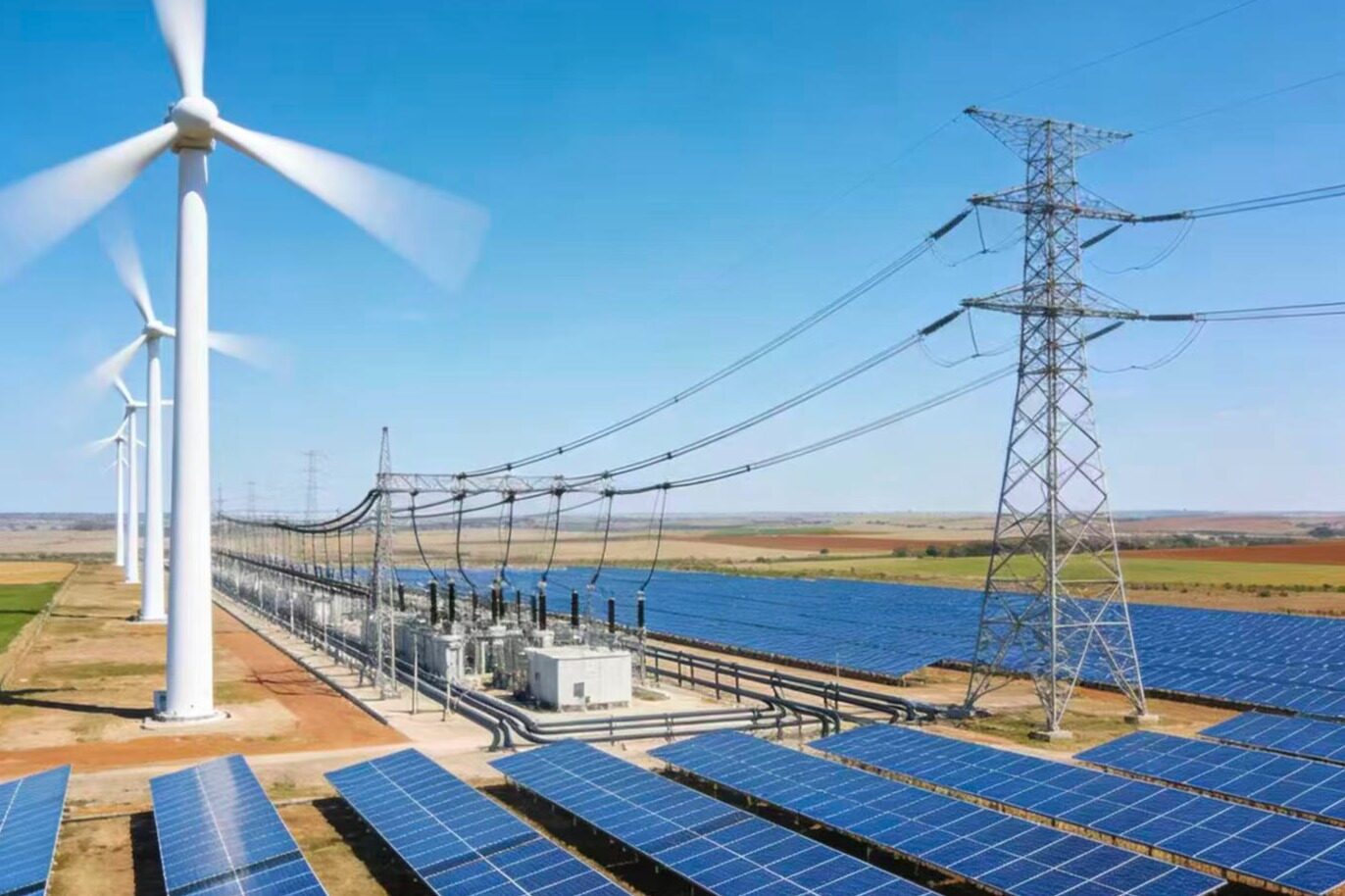
The recent power rationing warnings and industrial production shutdowns are becoming a "roadblock" to South Africa's economic development. In this context, the South African Department of Energy has officially announced the launch of a national transmission network expansion and upgrading plan with a total investment of 26 billion US dollars. The plan aims to reconstruct the national power backbone network, solve the long-standing problem of power shortage, and pave the way for large-scale integration of renewable energy, pressing the "acceleration key" for energy transformation.
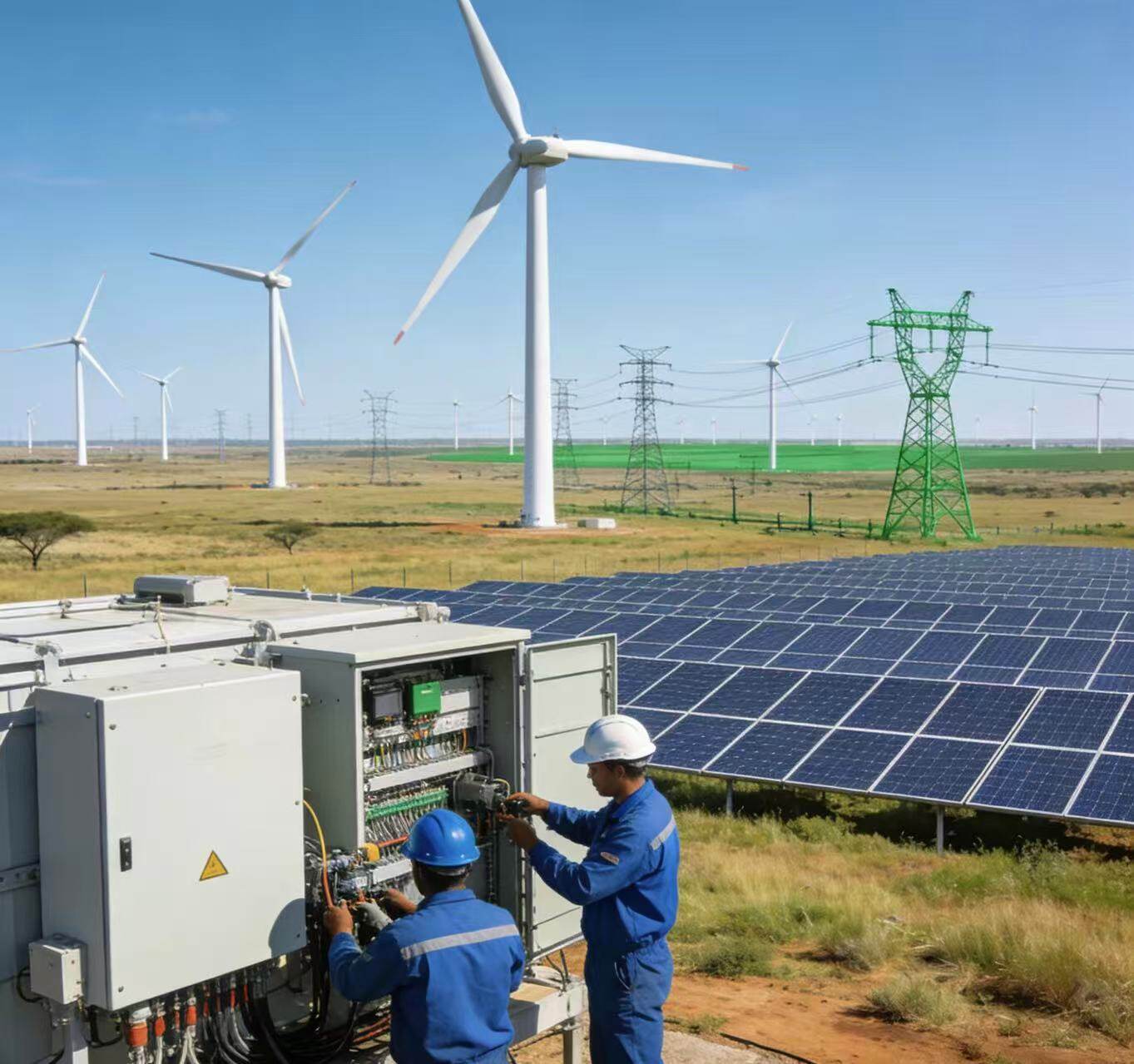
Targeted solution to the power supply dilemma
As an important engine of the African economy, South Africa has been deeply mired in an electricity crisis in recent years. The failure rate of old coal-fired power facilities remains high, and the ability to connect renewable energy to the grid is insufficient, resulting in frequent planned power rationing throughout the country. This not only affects people's electricity consumption, but also causes heavy damage to pillar industries such as mining and manufacturing.
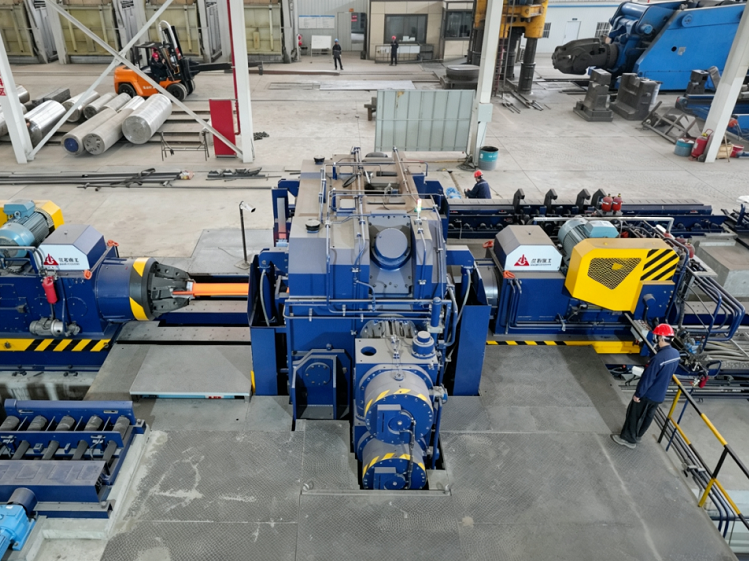
The transmission grid expansion plan launched this time covers three core areas: the upgrading of the main power grid, the construction of cross regional transmission channels, and the establishment of a smart grid dispatch system. According to the plan, South Africa will build over 5000 kilometers of high-voltage transmission lines in the next 10 years, upgrade existing 275 kV and 400 kV lines, and construct a number of new energy gathering stations in the North Cape and West Cape provinces where wind and solar energy resources are abundant. Officials from the South African Department of Energy stated that the $26 billion investment will mainly be used for equipment procurement, engineering construction, and technology research and development, with funding sources including government financial appropriations, loans from international financial institutions, and social capital participation.
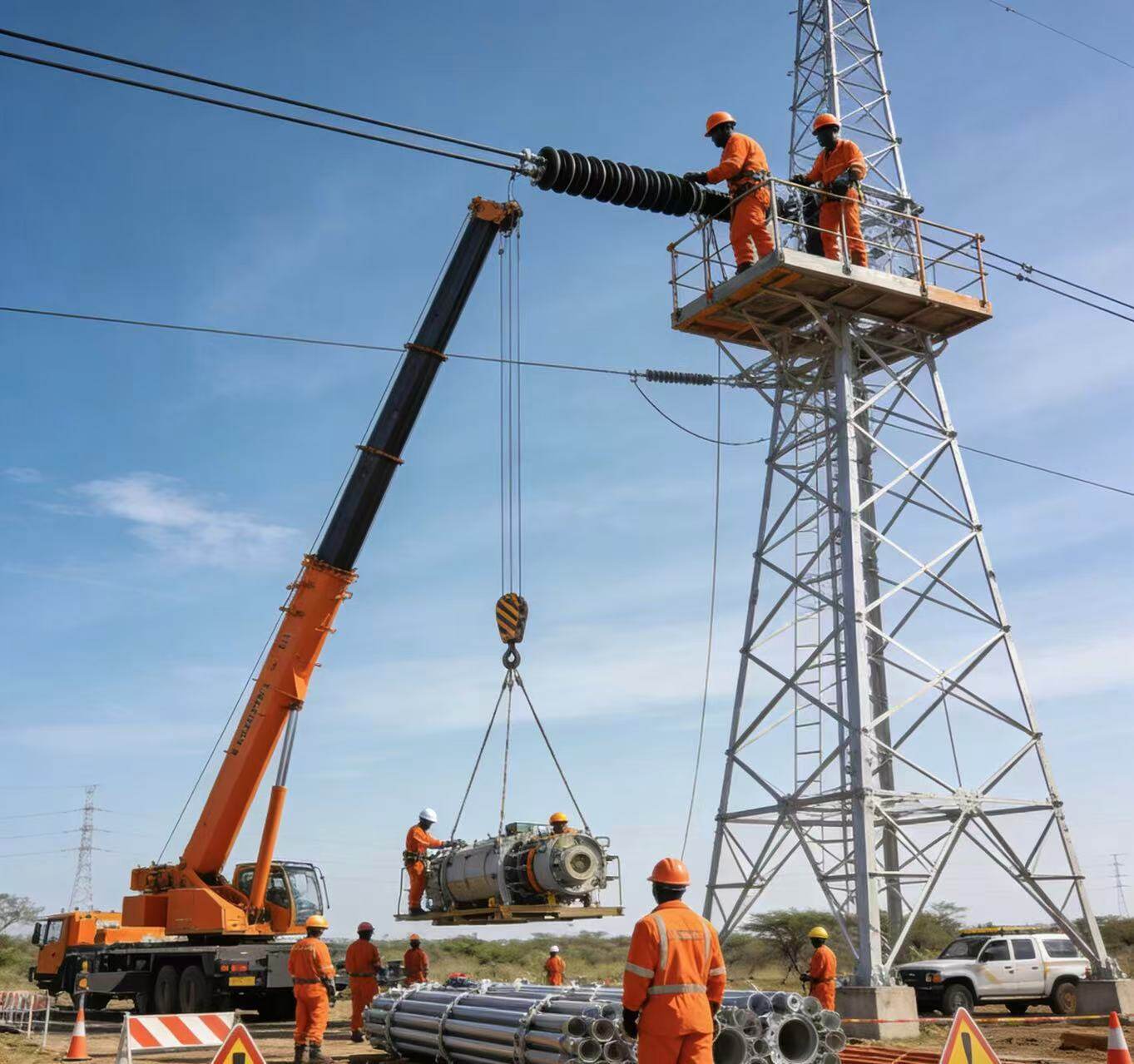
Building a new type of power system
Another major core goal of this power grid expansion plan is to solve the bottleneck problem of renewable energy grid integration in South Africa. Data shows that the potential installed capacity of renewable energy in South Africa exceeds 100GW, but the current grid connection scale is less than one tenth of it, and the key bottleneck is the limited power grid consumption capacity.
The expanded transmission grid will have higher flexibility and compatibility, and can meet the grid connection needs of large-scale wind and photovoltaic power plants. It is expected that by 2035, the proportion of renewable energy generation in South Africa will increase to over 50%. In addition, the project will also promote the coordinated construction of energy storage facilities and the power grid, and stabilize the operation of the power grid by supporting the construction of pumped storage power stations and electrochemical energy storage power stations to stabilize the fluctuation of new energy generation. According to experts from the International Energy Agency, this plan will promote South Africa's transition from "coal-fired power dependence" to "clean and low-carbon", providing a model for energy structure adjustment in African countries.
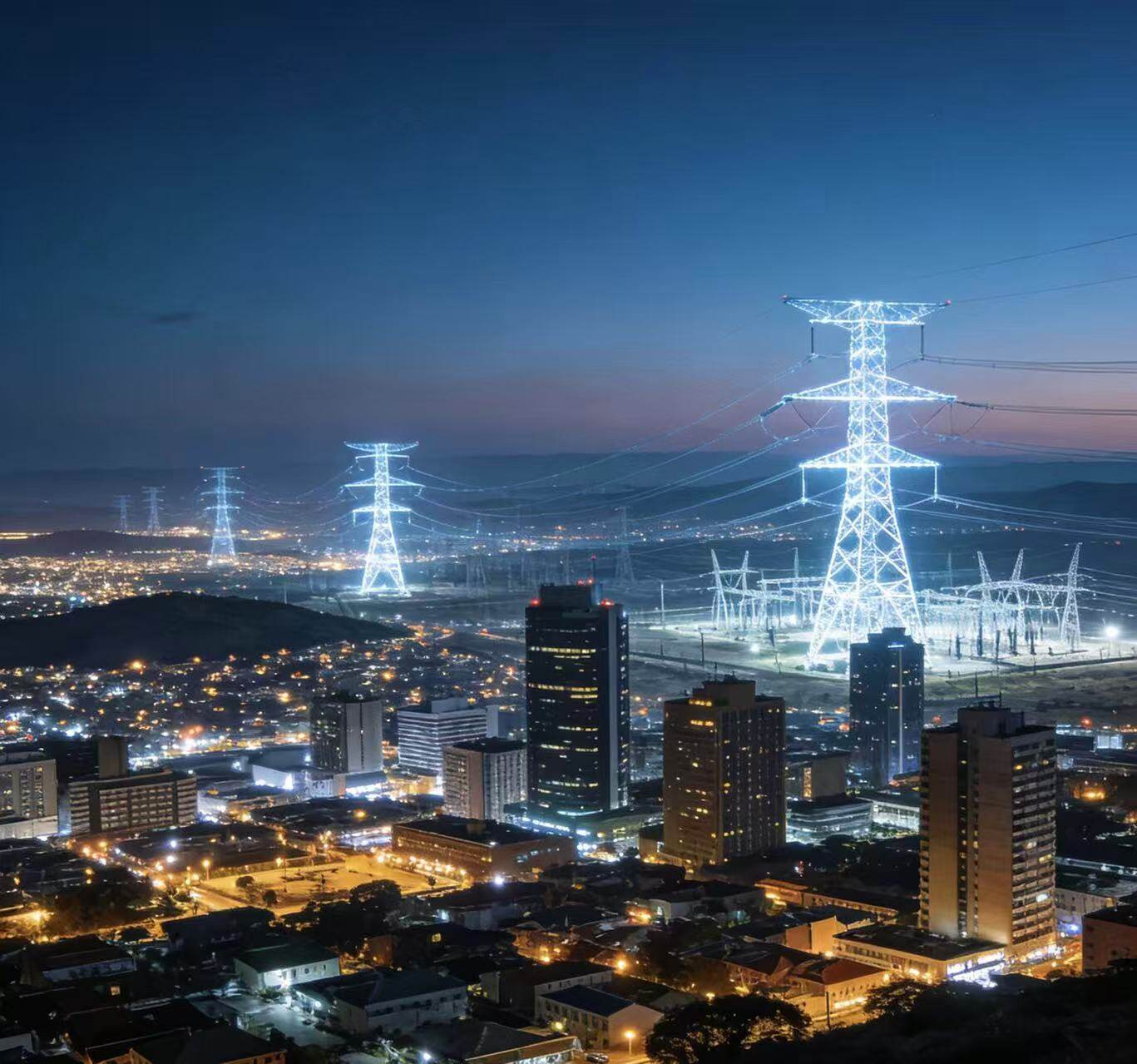
Infrastructure giants share the billion dollar cake
The billion dollar market space for the expansion of South Africa's transmission grid has quickly attracted the attention of global power capital and infrastructure giants. According to Eskom, the South African national power company, several companies from China, Europe, and the United States have submitted letters of intent for cooperation, covering various fields such as transmission line design, ultra-high voltage equipment manufacturing, and smart grid operation and maintenance.
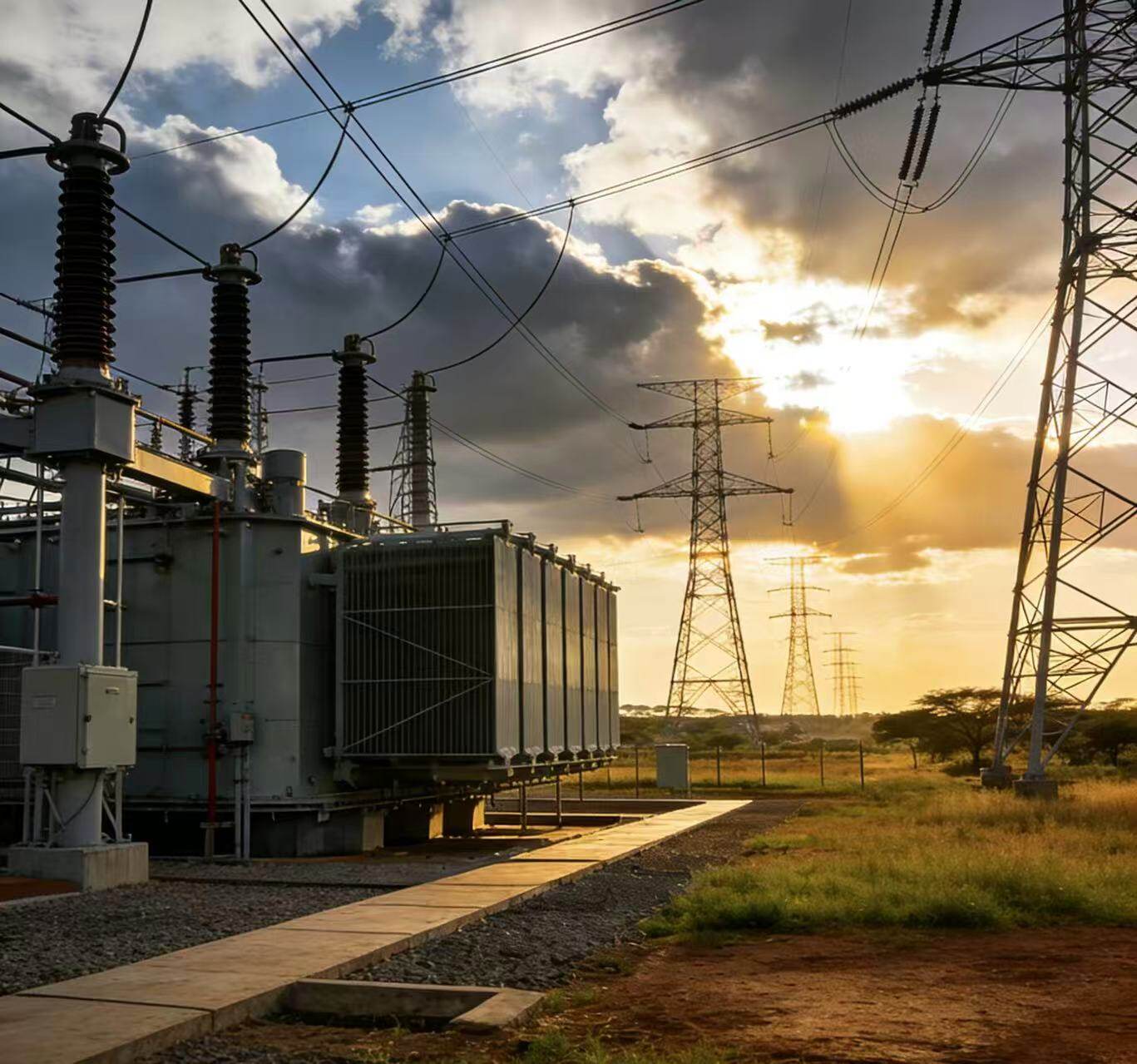
The relevant person in charge of China Electric Power Construction Group stated that the company has rich experience in the field of power infrastructure in Africa and has participated in the construction of multiple cross-border transmission projects. It is expected to participate in the upgrading of the South African power grid with technological and financial advantages. European energy companies are more concerned about the cooperation between smart grids and energy storage technology, hoping to expand the African new energy market through this. Industry analysis points out that the expansion plan of South Africa's power grid will create a huge industrial chain covering equipment manufacturing, engineering construction, and operation services, providing new growth points for global power companies.Editor/Bian Wenjun
Comment


 Praise
 Collect
 Comment

 Share
Share


Write something~