 Search


- The new generation lithium battery project with a total investment scale of 60GWh has officially settled Economic Development
- Zhejiang Shengxi Technology's 60GWh new generation lithium battery production base has officially settled in Ningxiang Economic
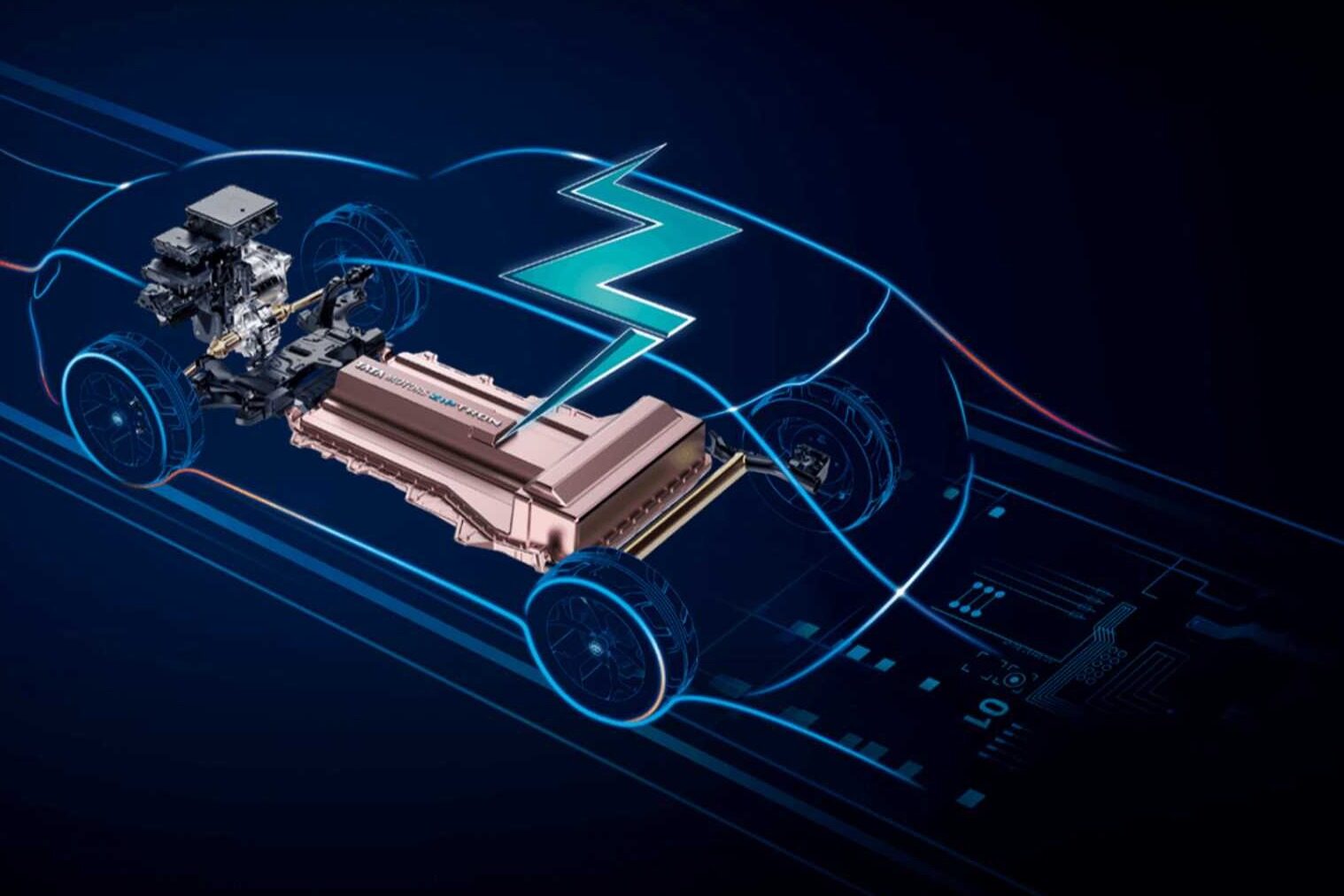
On the map of continuous expansion of China's new energy vehicle industry, Hunan has ushered in an important puzzle. On December 18, 2025, Zhejiang Shengxi Technology Co., Ltd. officially signed a cooperation agreement with the national level Ningxiang Economic and Technological Development Zone, marking the settlement of a new generation lithium battery project with a total scale of 60GWh in Hunan. This project with a huge total investment is expected to meet the battery demand of about 1 million new energy vehicles (including construction machinery) or more than 50 large commercial energy storage power stations after reaching production, which will effectively make up for the "key link" in the battery chain of Hunan's new energy industry.
The global expansion wave from the beginning of the year to the end of the year
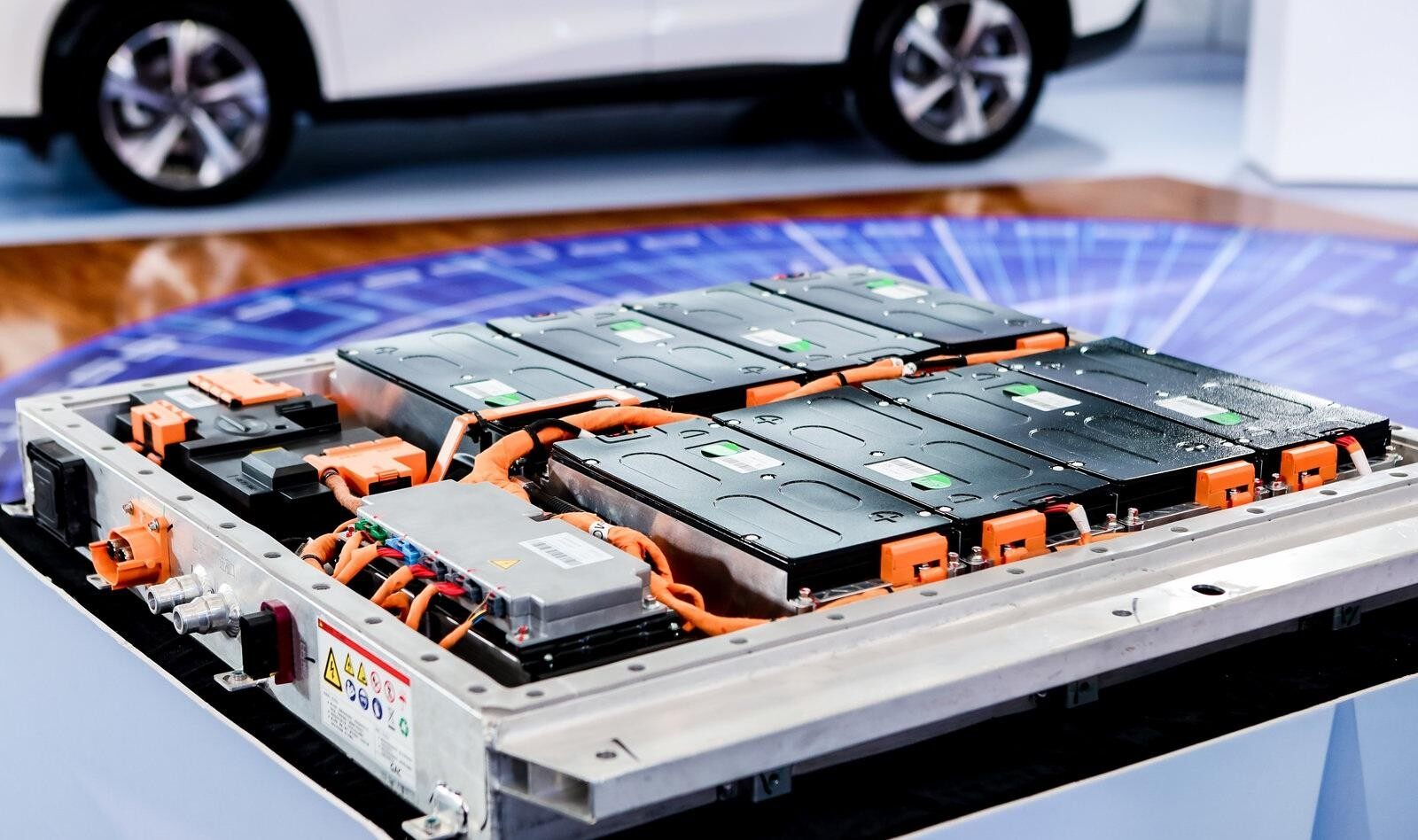
Since the beginning of 2025, the global lithium battery industry has ushered in a new wave of capacity expansion. On January 1st, Ruipu Lanjun announced that its Lanjun New Energy 10GWh energy storage system integration project had started construction in Huai'an City, Jiangsu Province; A week later, the company announced that it would establish a battery factory in Indonesia. On March 13th, the Thai Investment Promotion Commission approved Xinwangda's investment of approximately 10.7 billion yuan to build a battery factory in Thailand; Shortly thereafter, Samsung SDI announced the sale of new stocks to raise approximately 9.96 billion yuan to invest in factories in the United States and Europe.
Entering the second half of the year, although the density of project implementation has slowed down compared to the beginning of the year, the pace of expansion has not stopped. On October 14th, the People's Government of Zaozhuang City and China Innovation Aviation Technology Group held a signing ceremony for the China Innovation Aviation New Energy Zaozhuang Base project; The Yichun Guoxuan Battery Phase II project has also been officially unveiled, with a total investment of 5.15 billion yuan. On December 11th, Fenyi County and Jiangxi Ganfeng Lithium Battery Technology held a signing ceremony for the Ganfeng 10GWh photovoltaic storage direct flexible zero carbon industrial base project.
According to statistics, the total production capacity of expansion projects disclosed by battery companies in 2025 has exceeded 500 GWh, with a total investment amount of over 150 billion yuan. Industry insiders pointed out that although the newly added production capacity this year is far from the 2000GWh in 2022, it can almost meet the installed capacity of power batteries for the whole year last year. "
High capacity utilization and technological iteration
Why are battery companies still expanding on a large scale during the industry downturn cycle? At present, the company's production capacity is saturated and is accelerating its expansion. "Ningde Times' statement reflects the general situation of the industry. Driven by the positive demand and market sentiment in 2026, the capacity utilization rate of the lithium battery industry chain continues to rise. Among the top battery companies, CATL's capacity utilization rate is close to 90%, while EVE Energy's capacity utilization rate exceeds 87%. Guoxuan High Tech also stated that "capacity utilization rates remain high".
In addition to market demand, another key variable is the capacity structure adjustment triggered by the upgrading of power battery technology. With the acceleration of industrialization of new technologies such as solid-state batteries, enterprises with technological advantages have gained opportunities for expansion. Semi solid state batteries have achieved mass production and installation, while all solid state batteries are expected to achieve small-scale production by 2026-2027. This technological iteration provides expansion conditions for enterprises that master new technologies.
Driven by strong market demand and accelerated technological iteration, the market is optimistic that lithium battery shipments will reach 900GWh to 1000GWh by 2026, with a growth rate of over 50%. This further stimulates the enthusiasm of enterprises to expand production.
From savage growth to rational layout
Looking back to 2022, the sales of new energy vehicles in the market continued to grow rapidly, and downstream car companies' large and long-term orders combined with optimistic market expectations led to crazy expansion of battery companies. In that year, a total of 107 new projects were added in the field of lithium batteries, of which 89 projects announced investment amounts, with a total investment of about 905.457 billion yuan. The inventory of power batteries in the entire industry chain reached a record high of 164.8 GWh.
But as production capacity gradually builds and goes into operation, the industry's capacity utilization rate begins to decline significantly. By 2023, the capacity utilization rate of related enterprises has dropped from 80% and 90% the previous year to the range of 40% to 60%. Changan Automobile Chairman Zhu Ronghua has publicly stated that the new energy vehicle industry has long bid farewell to the past situation of "low electricity, power shortage, and expensive electricity", and the domestic battery industry has experienced overcapacity. Liu Jincheng, Chairman of EVE Energy, also clearly stated that it is expected that there will be overcapacity in the entire industry chain by 2024 at the latest. Keywords
Faced with potential risks, the expansion strategy of enterprises is undergoing changes. Compared to the wild growth in 2022, the expansion plan for 2025 is more pragmatic, with stronger order fulfillment and a greater emphasis on high quality, high stability, and scene adaptability. Part of the newly added production capacity is shifting towards high-performance batteries and solid-state batteries, while another part is targeting overseas markets. The current lithium battery industry is in a period of capacity clearing and transformation adjustment. In the future, the industry's direction still needs to pay attention to changes in the terminal market, technological development trends, and policy dynamics, and flexibly adjust production capacity layout. Editor/Yang Beihua
Comment

 Praise
 Collect
 Comment

 Share
Share


Write something~