 Search


- On this land full of hope, the story of domestic cotton picking machines continues to be written
- This is not only a counterattack path for the equipment manufacturing industry, but also a resolute step for an agricultural power to move towards an agricultural powerhouse
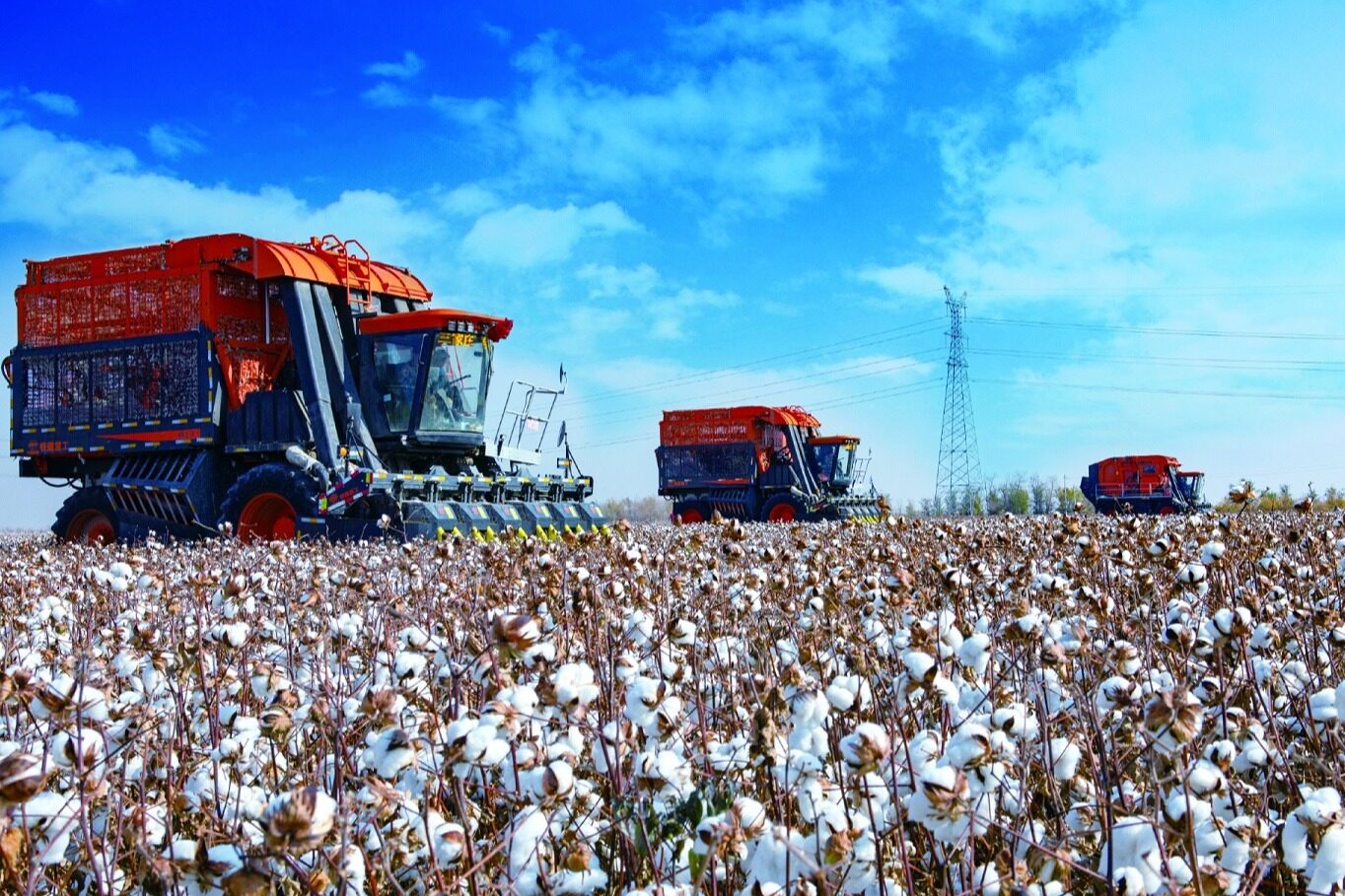
In September in Xinjiang, cotton fields are as snowy as snow. On this vast land that accounts for 80% of the country's cotton production, a decade long agricultural equipment revolution is quietly changing the farming methods that have lasted for thousands of years. Once upon a time, this white ocean was filled with the "exotic tones" of imported cotton picking machines such as John Deere and Case; Nowadays, a touch of "Chinese red" is becoming the new protagonist of this land - domestic cotton picking machine brands such as Boshiran and Wode have not only successfully broken the decades long technological monopoly of foreign brands, but also written a counterattack legend for China's agricultural equipment manufacturing industry with a market share of 93.3%.
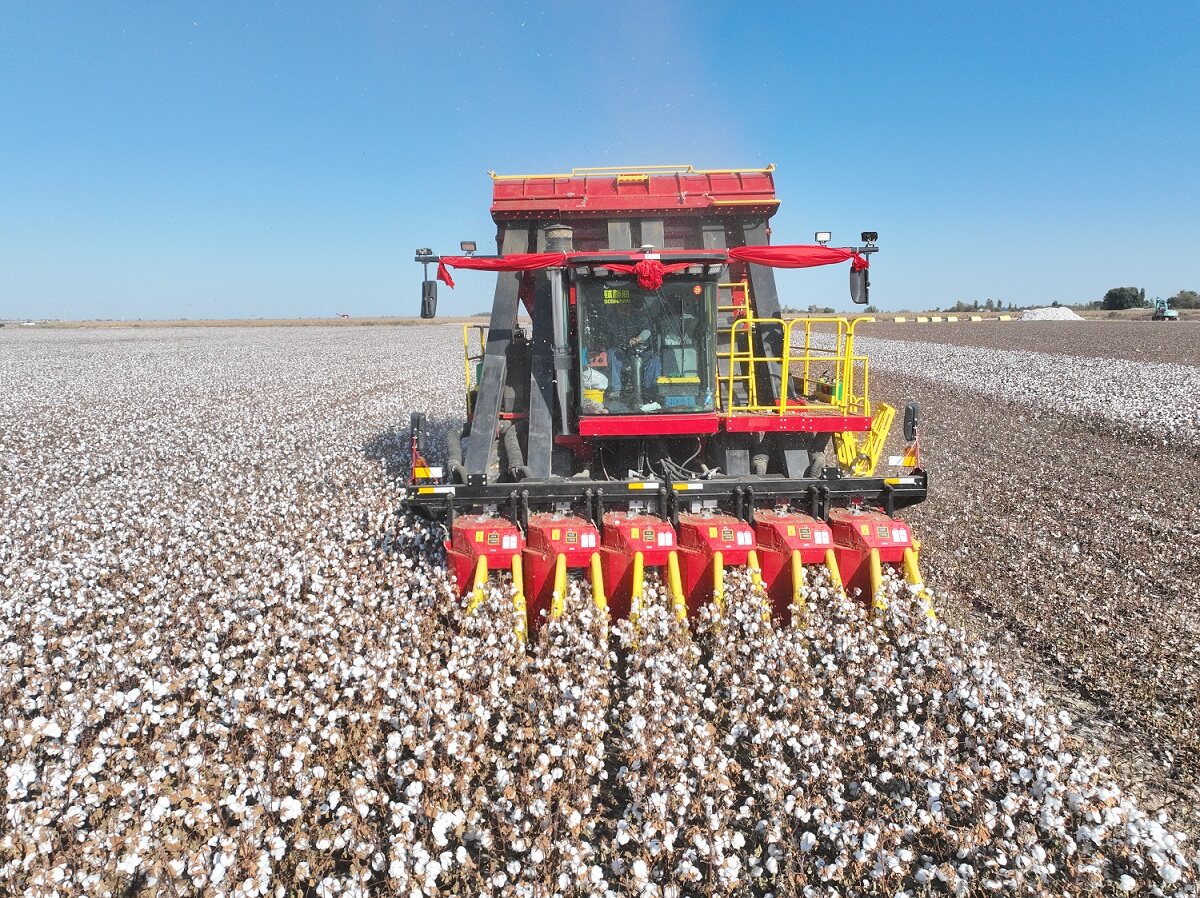
This road of counterattack is full of hardships. From being questioned to being trusted, from imitation to innovation, domestic cotton picking machine enterprises have spent more than ten years refining technology in the desert and verifying products in the ridges and valleys of cotton fields, ultimately achieving a magnificent transformation from "bottleneck" to independent and controllable. This transformation not only reshaped the market competition pattern, but also profoundly changed the production mode of Xinjiang cotton areas, bringing tangible gains to tens of thousands of cotton farmers.
Breaking the monopoly ice from scratch
Going back in time to 2009, the cotton growing region in Xinjiang was facing the harvest dilemma of "white gold". At that time, the price of imported six row cotton picking machines was as high as 6-8 million yuan, which was twice as expensive as similar domestic products and could not enjoy subsidies. What is even more troublesome for cotton farmers is that the equipment maintenance cycle can last for several weeks, and the cost of a single repair can easily reach hundreds of thousands of yuan. At the same time, the cost of manual cotton harvesting has accounted for 50% of cotton farmers' income, and the shortage of flower pickers has been increasing year by year. At that time, it was like we were choked, "recalled a senior cotton farmer." We couldn't afford imported equipment, couldn't use it, couldn't repair it, but it couldn't be used either. This dilemma is even more severe at the technical level: among the thousands of precision components of the cotton picking machine, key components such as the picking head drive system are all blocked by foreign countries, and there is a complete lack of independent production capacity domestically. The important link of agricultural modernization has become a "bottleneck" field that is subject to human control.

It was against this backdrop that in 2009, Boshiran, as a Zhejiang aid enterprise to Xinjiang, resolutely rooted in Wusu, Xinjiang, with the determination to solve the "bottleneck" problem of cotton picking machines. In the early stage of enterprise establishment, facing the severe environment of "three highs and three difficulties" in the market (high import equipment prices, high maintenance costs, high manual cotton picking costs; difficult technological breakthroughs, difficult parts supply, and difficult market promotion), the team started from the most basic component research and development, and began arduous technical breakthroughs in rudimentary factories. We are well aware that this path is not easy to take, but someone must walk it, "said the founder of Boshiran. Without existing technical data, purchase imported equipment for disassembly and research; Without professional processing equipment, we collaborate with domestic manufacturing companies for research and development; If there is no testing site, move the testing site to the cotton field.
Breakthroughs occur at multiple technological levels. In the field of picking heads, the R&D team has conducted hundreds of material tests and finally developed picking ingot materials suitable for the special working conditions in Xinjiang cotton areas, with a service life that reaches the international advanced level. In terms of transmission system, the innovatively designed planetary gear mechanism solves the reliability problem under high torque conditions. The most critical picking head drive system, the team spent three years and achieved complete independent research and development through 217 independent patents. In 2015, the first three row cotton picker produced by Boshiran was taken offline, marking a breakthrough for domestic cotton pickers.
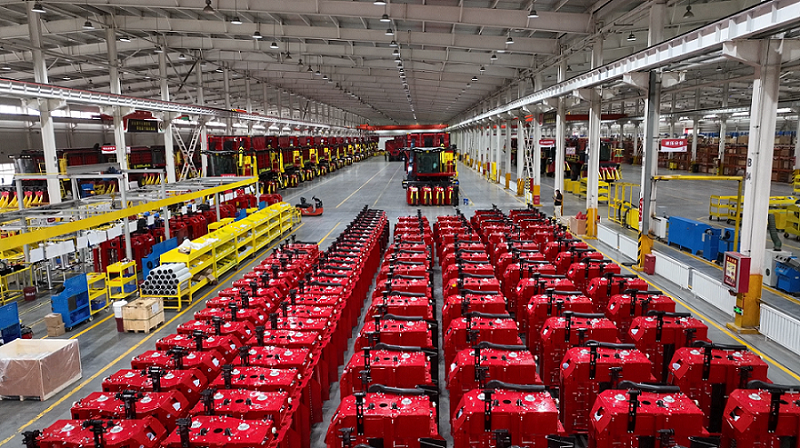
However, the real turning point came from the research and development project of the six row packaging cotton picking machine launched in 2018. Faced with the strict confidentiality of core parameters of packaging institutions by imported brands, the R&D team spent 18 months conducting field experiments in 12 different cotton regions in northern and southern Xinjiang, with a cumulative testing mileage sufficient to circle the earth three times. I remember during a test in Aksu, the equipment had a continuous problem of uneven packaging, "the project leader recalled." The team stayed in the cotton field for 23 consecutive days and eventually found that it was caused by a 3mm tolerance in the compression chamber. "It was this spirit of excellence that enabled Boshiran to successfully launch the six row packaging cotton picking machine in 2022, with a net collection rate of over 93% and an operating efficiency improvement of 25% -30% compared to box machines, winning the first prize of the Autonomous Region Science and Technology Progress Award.
Technological breakthroughs reshape the industrial landscape
Behind the seemingly simple equation of 'one six row machine harvesting 400 acres per day=1200 flower pickers' is a fundamental change in agricultural production methods. In the Shihezi Reclamation Area, "a 3500 acre cotton field used to require the employment of over 200 flower pickers, with a picking cycle of up to 20 days and a labor cost of 2.5 yuan per kilogram. Now, with the use of bowl shaped six row machines, harvesting can be completed in half a month, reducing the overall cost to 1 yuan per kilogram. Last year, the harvesting process alone saved more than 700000 yuan." Cotton farmer Wang Dajun calculated a detailed account for his cotton field. The improvement of cotton harvesting efficiency is strongly supported by technological innovation. The intelligent control system developed by Boshiran has achieved functions such as automatic fault alarm and parameter adaptive adjustment. The operator can monitor the status of key systems such as hydraulic and electrical systems in real time through the display screen. In Shawan County, a six row baler is operating, and the intelligent terminal in the cab displays more than ten parameters in real-time, including picking speed, cotton impurity rate, and packaging progress.

The technological innovation of domestic cotton picking machines is not simply imitation, but the construction of a complete technical system: in the field of core components, through breakthroughs in material science, the independently developed picking spindle has a service life of over 2000 hours, reaching the international advanced level; In terms of control system, the auto drive system based on Beidou navigation enables the cotton picker to work with an accuracy of ± 2.5 cm; In terms of energy consumption, the new hydraulic system saves 30% of energy, and each equipment can save nearly 10000 yuan in fuel costs per season.
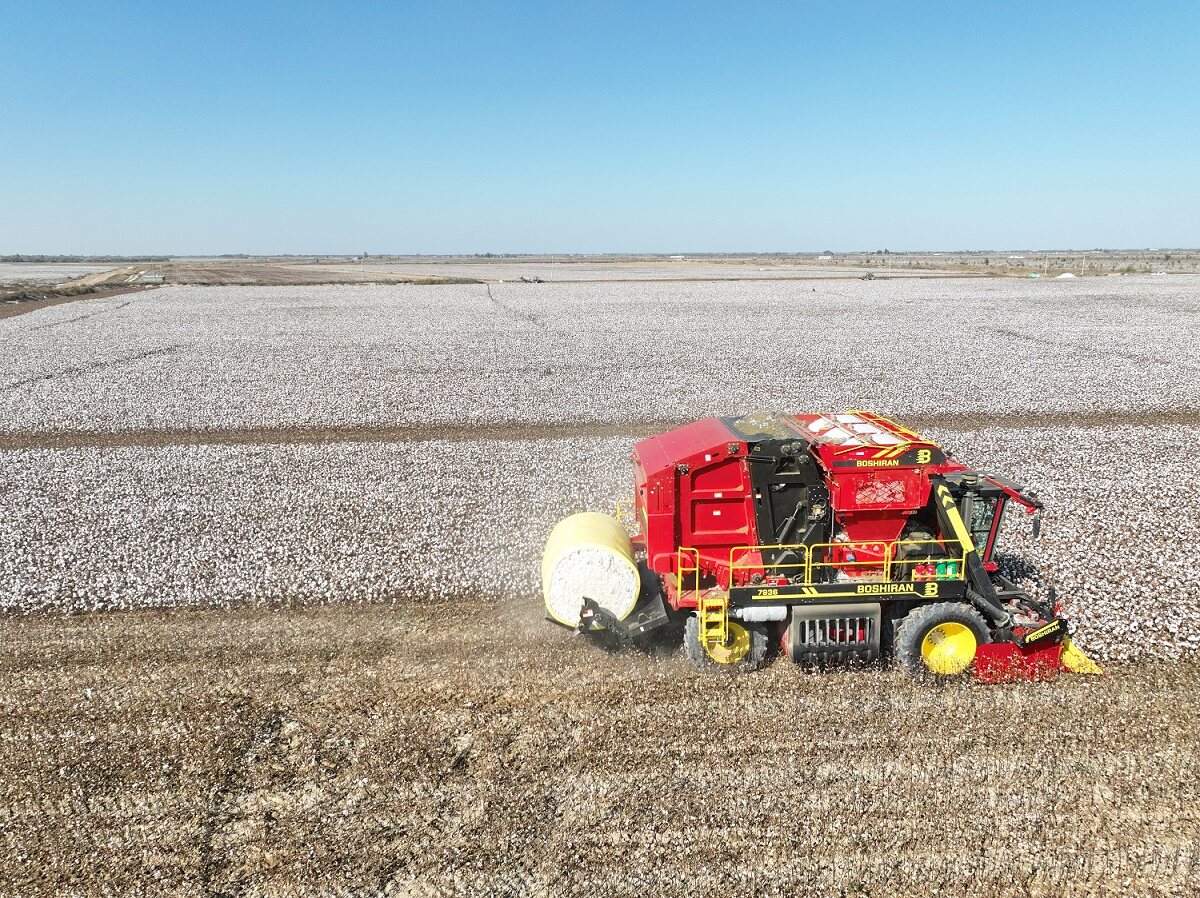
Of particular note is the breakthrough in packaging technology. The round bundle packaging system developed by Boshiran adopts a unique pre compression and secondary compression process, which increases the packaging density by 15% and effectively reduces transportation costs. At the same time, the innovative encapsulation system ensures that cotton bales are effectively protected from rain and moisture during storage and transportation, solving the storage problem caused by the rainy autumn weather in Xinjiang.
The new generation of domestically produced cotton picking machines is rapidly developing towards intelligence and networking. Through the Internet of Vehicles technology, enterprises can monitor the working status of thousands of cotton picking machines scattered throughout Xinjiang in real time, predict maintenance needs in advance, and achieve precise services. This device shows abnormal pressure in the hydraulic system and needs to be scheduled for maintenance, "the technician pointed to the data on a large screen and said. Based on big data analysis, the enterprise has established a fault prediction model that can warn potential faults 48 hours in advance, reducing equipment downtime from an average of 3 days to less than 4 hours. In Aksu region, cotton farmer Aili Maimaiti has deep feelings: "Last year during the cotton picking season, the system warned me in advance of the malfunction of my cotton picking machine fan. The maintenance team completed the inspection before dark, avoiding a full day shutdown the next day. If we had to put it on hold and wait for the machine to completely break down before repairing, it would delay the harvesting progress for at least three days." Accurate warning and rapid response enabled cotton farmers to avoid huge losses caused by equipment failures during the busy cotton picking season.
From Self Strengthening Equipment to Agricultural Transformation
The agricultural machinery purchase subsidy policy has played a key role in the popularization of domestic cotton picking machines. Data shows that the subsidy ratio for imported cotton picking machines is only about 20%, while the subsidy ratio for domestic equipment can reach up to 35%, which directly drives market demand. According to statistics, the market share of domestically produced cotton picking machines soared from less than 20% in 2017 to 84% in 2020, achieving a historic leap. Policy guidance is crucial, but ultimately what impresses users is product strength, "said the person in charge of Xinjiang Agricultural Machinery Promotion Station." Domestic equipment not only has an advantage in price, but also gradually surpasses imported brands in adaptability and reliability. "Especially for Xinjiang's special planting modes, such as subsurface drip irrigation and wide narrow row planting, domestic equipment has been specially optimized to demonstrate better adaptability.
The cotton picking season lasts only a little over a month, with a delay of one day resulting in losses of tens of thousands of yuan. This is the biggest concern for all cotton farmers. Domestic cotton picking machine enterprises deeply understand this pain point and have established a comprehensive service system. Boshiran has established 8 parts center warehouses and over 50 mobile service teams in Xinjiang, promising to respond within 2 hours and solve problems within 8 hours. In Changji City, the reporter followed a service team to experience their daily work. Captain Li Ming said, "During the cotton picking season, we are on standby 24 hours a day and can run up to 800 kilometers in a day. Last year in Hotan, a device malfunctioned late at night. We drove 6 hours overnight to the scene and repaired it with lights on in the cotton field to ensure that we started work on time the next day
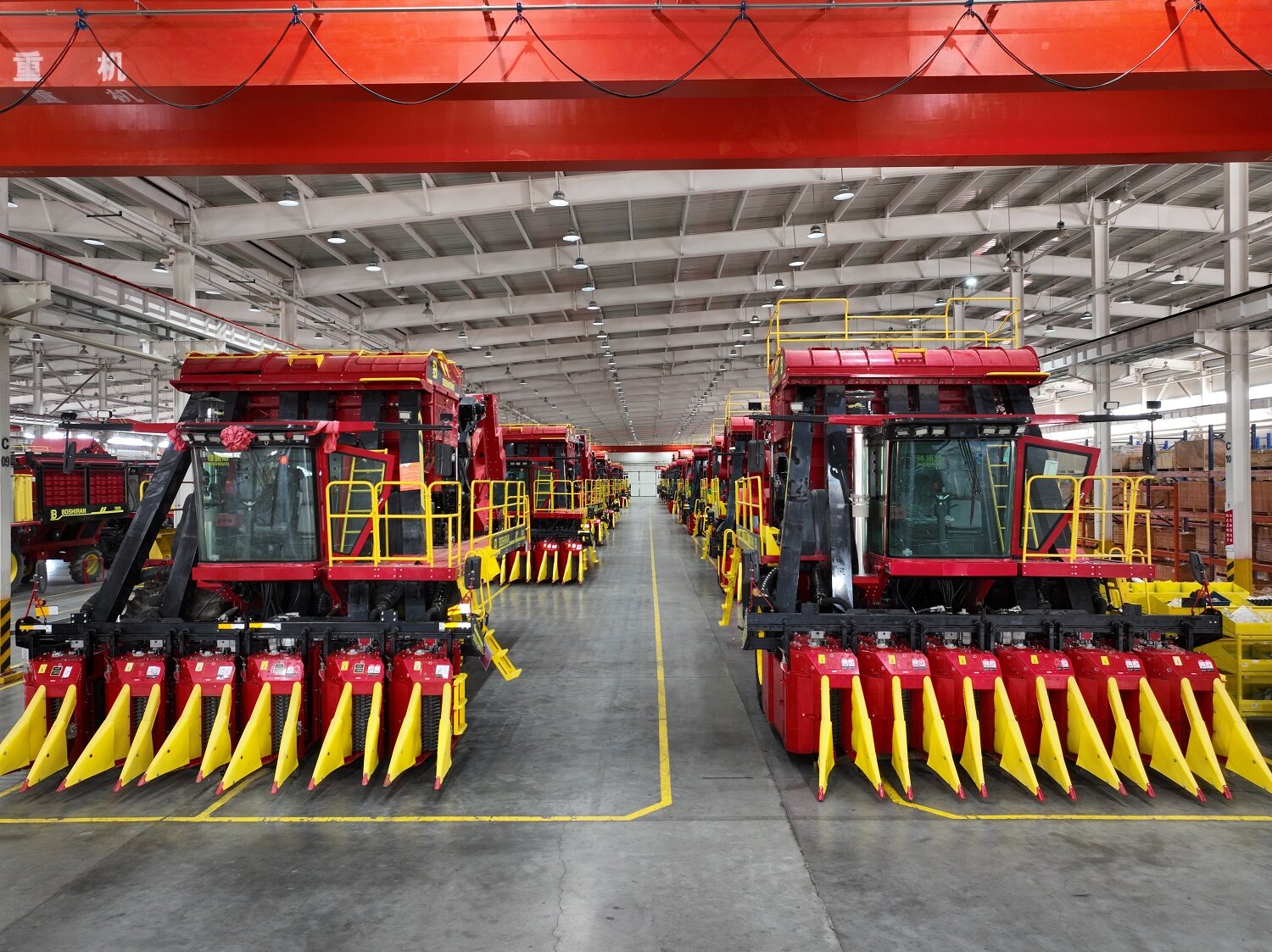
The rise of domestic cotton picking machines has driven the development of the entire industry chain. In Urumqi Economic and Technological Development Zone, a group of professional component manufacturing enterprises have grown rapidly, and their products not only meet domestic demand, but also export to the Central Asian market. According to statistics, the scale of the local cotton picking machine supporting industry in Xinjiang has exceeded 5 billion yuan, creating over 10000 job opportunities. The more profound impact is reflected in the transformation of agricultural production methods. With the popularization of cotton picking machines, the proportion of large-scale planting in Xinjiang cotton areas has increased from 35% in 2010 to 68% in 2023, and the cotton planting area has remained stable at over 37 million mu, with a yield increase of 28%. The mechanized recovery rate has exceeded 80%, which means that millions of flower pickers have been liberated from heavy physical labor and turned to the secondary and tertiary industries.
Standing at a new historical starting point, the journey of domestic cotton picking machines is still continuing. Boshran and other enterprises have set their sights on a broader international market, establishing a production base in Uzbekistan and an after-sales service center in Kazakhstan, so that "Chinese intelligent manufacturing" shines in the vast fields of the "the Belt and Road".
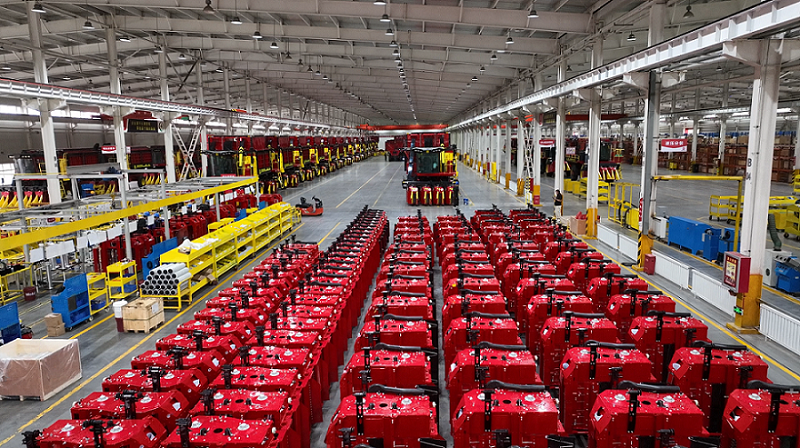
This industrial comeback that has lasted for more than ten years is not only a vivid footnote to the transformation and upgrading of China's manufacturing industry, but also a microcosm of the process of agricultural modernization. From relying on manual labor to controlling intelligent equipment, from being controlled by others to independent innovation, the strength of domestic cotton picking machines proves that Chinese people are fully capable of breaking through technological barriers and achieving industrial self-improvement. The cotton sea is still alive, and the machinery is ringing again. The story of harvest on this land is being rewritten by the Chinese people's own machines.Editor/Cheng Liting
Comment






 Praise
 Collect
 Comment

 Share
Share


Write something~