 Search


- Creating a new highland for the textile industry that radiates across Europe and Asia
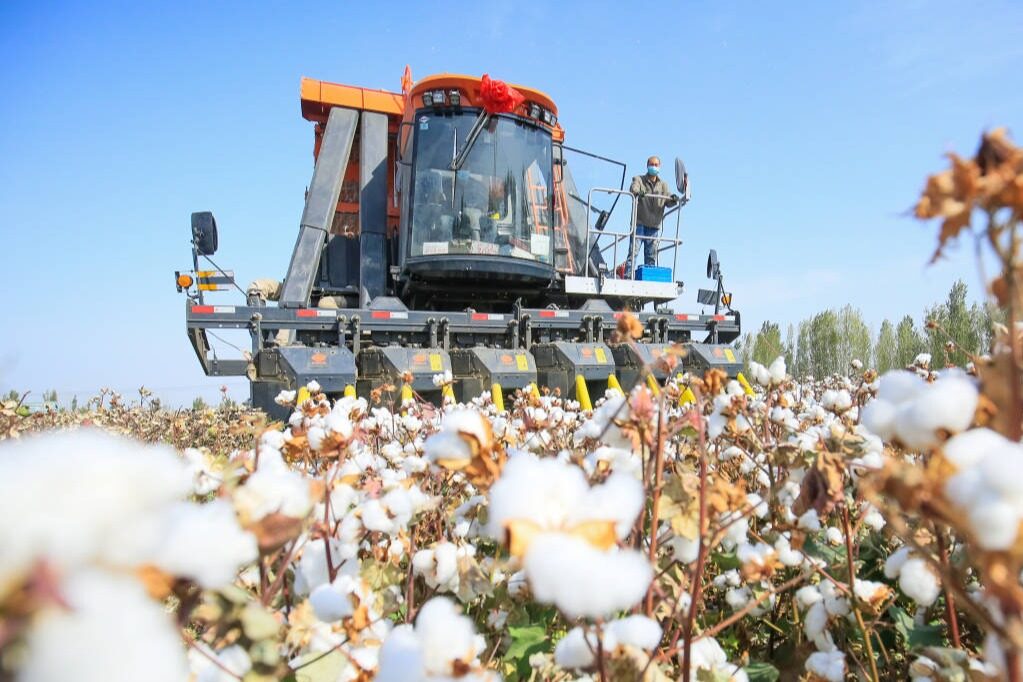
From the fields to the world: the upgrading path of Xinjiang's cotton industry chain
As an important cotton producing area in China and even the world, Xinjiang is entering a critical window period of transformation from a "world cotton warehouse" to a global textile industry hub. Under the dual drive of policy and market, the cotton industry in Xinjiang is accelerating the upgrading of the entire chain with billion dollar projects as the starting point, promoting the higher value-added transformation of cotton resources in Xinjiang.
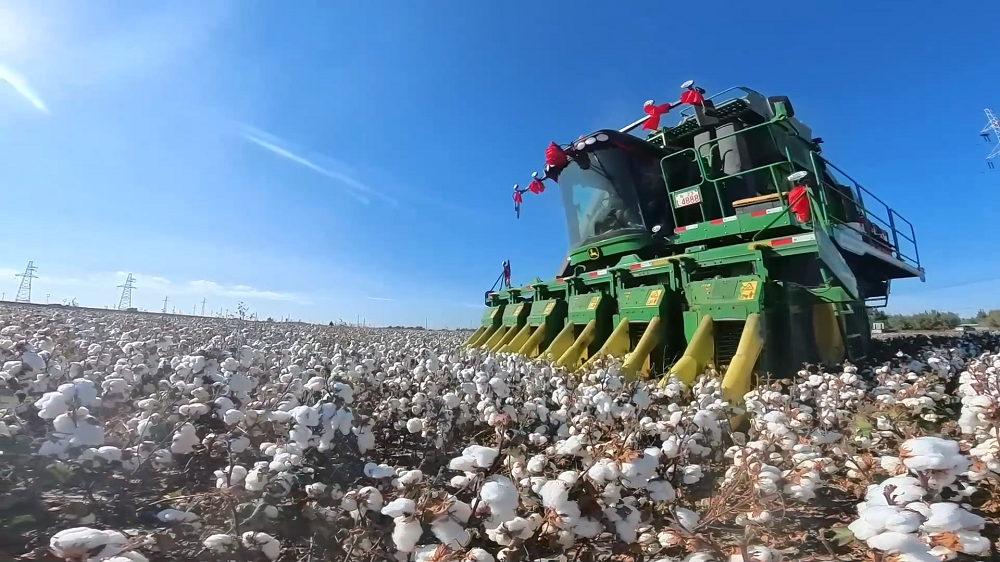
Full chain transition: scale, mechanization, and intelligence advancing simultaneously
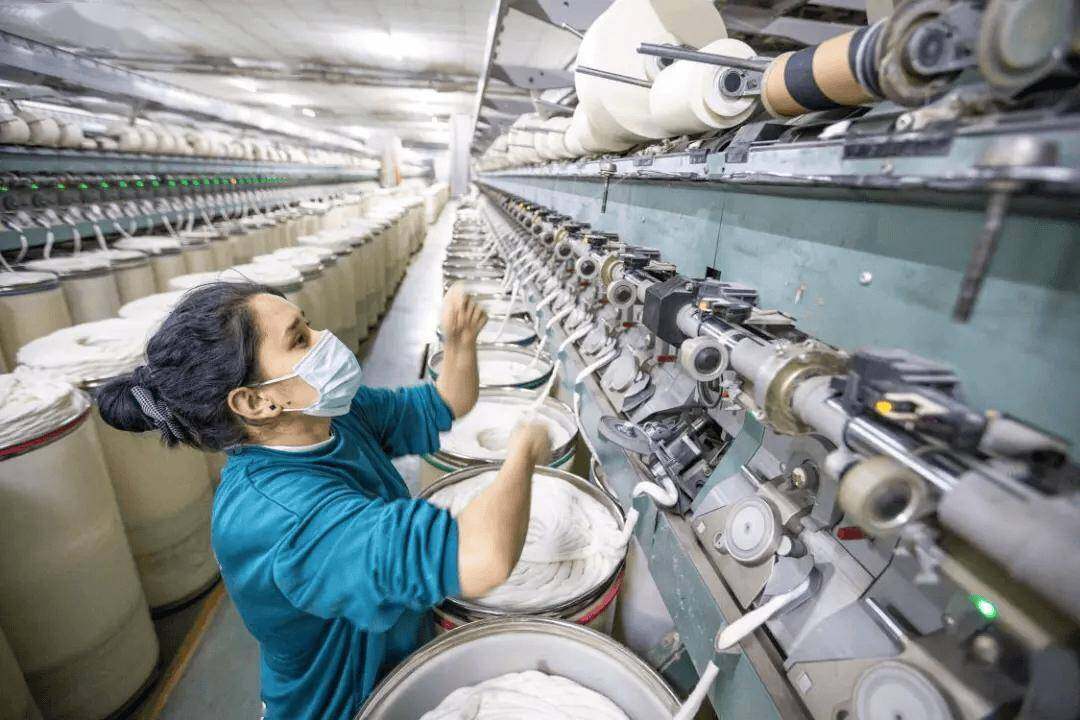
The upgrading of Xinjiang's cotton industry began with a production revolution at the planting end. In 2024, the cotton planting area in Xinjiang will reach 36.72 million mu, with a yield of 5.686 million tons. The yield level will increase by 26.2% compared to 2015, which is 2.3 times that of the United States. Large scale operations cover 80% of cotton fields, with a comprehensive mechanization rate of over 97% for cultivation and harvesting. The farmer cooperative model significantly improves management efficiency and revenue. The empowerment of technology is equally crucial. Intelligent sowing and precision agriculture technology promote cotton quality to approach the international advanced level, and long staple cotton production accounts for 100% of the country's total, becoming a core raw material for high-end textiles. The processing process achieves both quality and efficiency through automation and standardization. The efficiency of intelligent ginning equipment has increased fivefold compared to ten years ago, and the pass rate of cotton processing inspection has exceeded 98% for five consecutive years. The full process quality traceability system provides each pack of cotton with an "ID card" to enhance international recognition. Textile manufacturing has gathered into a chain, attracting investment of over 300 billion yuan in ten years, and the scale of spinning spindles has increased from 7 million spindles to 29.1 million spindles, accounting for 37% of the country's total. Aksu, Korla and other textile industry belts have formed a complete production capacity cluster, and leading enterprises have integrated "spinning+printing and dyeing+clothing" layout to drive employment and regional economic coordinated development.
Opportunities and Support: Coordinated Efforts of Policies, Location, and Industrial Transfer
The combination of national strategies and local policies empowers enterprises, and multiple preferential policies such as taxation, land use, and electricity prices attract them to land. Special support from policies and industry funds in pilot free trade zones to promote chain extension and supplementation. As the core area of the "the Belt and Road", relying on its port advantages, Xinjiang's textile and clothing exports will reach US $15.3 billion in 2024, with significant growth in exports to Central Asia. The cross-border industrial park model will help build a cotton economic belt radiating to Europe and Asia. At the same time, the transfer of industries from the eastern and central regions injects production capacity and technology into Xinjiang. The advantage of electricity prices and the guarantee of raw materials have attracted more than a thousand enterprises to move westward, promoting the extension of industries from spinning to high value-added links such as printing and dyeing, clothing, etc., and achieving the reconstruction and upgrading of the industrial chain.
Bottlenecks and Breakthroughs: Towards High Quality Conversion
The current cotton industry in Xinjiang still faces the problem of a "spindle shaped" structure: strong spinning, weak weaving, printing and dyeing, and terminal manufacturing. In 2024, clothing production will only account for less than 0.5% of the national total, and 80% of cotton yarn will need to be transported for processing. Shortcomings in the supply chain, such as high logistics costs, insufficient supporting facilities, environmental restrictions, as well as weak links in the innovation chain, such as low investment in technology research and development and a lack of high-end talents, are constraining the improvement of the on-site conversion rate of cotton from 42% to 60%. To this end, Xinjiang is promoting the development of "three chain integration": extending the industrial chain, breaking through printing and dyeing and clothing manufacturing; Optimize the supply chain, build logistics hubs and professional trading platforms; Strengthen the innovation chain, increase R&D investment and talent cultivation. By constructing high-end printing and dyeing parks, opening cotton special trains, establishing industry funds, and deepening school enterprise cooperation, we aim to build an internationally competitive cotton textile industry ecosystem.
Conclusion
The cotton industry in Xinjiang is at a critical stage of transitioning from scale expansion to quality and efficiency. With the continuous improvement of the industrial chain, the enhancement of channel capabilities, and the deepening of international layout, Xinjiang is expected to become an important textile hub connecting domestic and international markets, realizing the industrial vision of "one cotton, one prosperous side", and reshaping the global cotton industry pattern. Editor/Yang Meiling
Comment

 Praise
 Collect
 Comment

 Share
Share


Write something~