 Search


- Nowadays, the 'report card' of Xinjiang cotton has already refreshed the world's understanding. The world's cotton looks at China

In the golden autumn of October in the Tacheng Basin, white cotton fluff covers the oasis on the edge of the Gobi Desert like snow. The intelligent cotton picker drives through the fields, and the picking spindle rotates rapidly to roll the cotton buds into the machine body, then completes compression and packaging, and the whole process flows smoothly. In the past, cotton picking relied on manual digging, and one acre of land had to be busy for a whole day. Now, this machine can pick more than 30 acres in an hour, with a higher harvesting rate than manual labor! "The cotton farmer standing on the field ridge looked at the distant agricultural machinery, his dark face full of laughter. This old master who has been planting cotton for half a life would not have thought that the "report card" of Xinjiang cotton has already refreshed the world's cognition. The confidence of 'the world's cotton looks at China, and China's cotton looks at Xinjiang' is becoming increasingly solid on this hot soil.

The Harvest Code by the Snowline: From Gobi Cotton Fields to the World Stage
At the southern foot of Tianshan Mountain in early December, the busy scene of harvesting is no longer seen in the cotton fields, only the mechanical arms of the large intelligent storage center are still accurately palletizing. The quality inspector of Xinya Cotton Industry is repeatedly testing with a fiber length meter, and the 38.2mm data that pops up on the screen makes him smile: "This is the last batch of long staple cotton this year, and the quality is two grades higher than last year." In the nearby research and experimental station, researcher Tian Liwen rubbed the just received US patent certificate and traced the words "Xinjiang Long staple Cotton Planting and Seed Cotton Processing Method" with his fingertips: "The problem that has plagued the industry for ten years has finally come to an end
From the oases in the Tarim Basin to the Gobi in the the Junggar Basin, the official script of Xinjiang cotton fields wrote the footnotes of the times, "the world cotton sees China, and the Chinese cotton sees Xinjiang". In 2024, this land, which accounts for one sixth of the country's total area, produced 5.686 million tons of cotton. Not only has it remained stable at over 5 million tons for several consecutive years, but it has also set a new historical high in the national proportion with a 92.2% share. This means that one out of every four cotton plants in the world comes from Xinjiang. As Qu Dongyu, an agricultural expert from the Food and Agriculture Organization of the United Nations, said, "The development trajectory of Xinjiang's cotton industry has redefined the scale and efficiency standards of modern agriculture

Scale is king: the industrial agglomeration effect behind 92.2%
The scale advantage of Xinjiang cotton is not accidental, but stems from decades of deep industry cultivation and scientific layout. According to the data from the Xinjiang Survey Team of the National Bureau of Statistics, the cotton planting area in Xinjiang will reach 36.719 million mu in 2024, an increase of 3.3% over the previous year. Among them, the output of 34 advantageous local main producing counties and 73 regimental farms of the Xinjiang Production and Construction Corps accounts for more than 95% of the entire region. This development model that focuses on advantageous production areas has laid a solid foundation for large-scale production.
The advantage of scale has brought more discourse power in the global market. By 2024, Xinjiang's cotton exports will account for over 70% of the country's total, with long staple cotton becoming a sought after commodity in the high-end textile market due to its scarcity. Liang Pengcheng, Vice President of the China National Textile and Apparel Council, pointed out that "the scale effect of Xinjiang cotton not only ensures the raw material safety of the domestic textile industry, but also gives China the bargaining power in global cotton trade, which is an advantage that no other cotton producing region can match
Behind this scale is the tangible effect of increasing cotton farmers' income. In Shaya County, a 500000 acre high-efficiency water-saving cotton field has achieved a breakthrough of producing over 500 kilograms of seed cotton per mu through the combination of the "Yuanmian 8" variety and water and fertilizer regulation technology, driving an average income increase of 1200 yuan per mu for local cotton farmers. Planting 10 acres of land before was not as good as planting 5 acres now, and technology has turned scale into profit.

The cultivation of the "top-quality cotton" in the world on par with others
In a high-end textile workshop in Kunshan, Jiangsu, a batch of yarn labeled "Xinjiang long staple cotton" is undergoing a 400 count high count yarn spinning process. Workshop director Li Jianguo, holding the testing report, introduced: "The fiber length is over 35 millimeters, and the fracture specific strength is 34cN/tex, which are completely at the same level as American horse cotton and Egyptian long staple cotton. ”Behind this is the continuous improvement of cotton quality in Xinjiang.
The combination of natural endowment and technological innovation has created the unique quality of Xinjiang cotton. The average annual sunshine of over 2800 hours and the temperature difference between day and night of over 15 ℃ in Xinjiang have allowed cotton to accumulate more cellulose; The "subsurface drip irrigation" technology avoids the problem of uneven fiber development by precisely controlling water and nutrients. Wang Yingping, Associate Researcher at the Economic Research Institute of the Development and Reform Commission of the Autonomous Region, pointed out that "in recent years, the overall quality of cotton in Xinjiang has been stable, and indicators such as length and fracture strength in some years have reached international high-quality cotton standards, completely changing the old impression that 'Xinjiang cotton only focuses on yield'
The quality breakthrough of long staple cotton is more iconic. As the only high-quality long staple cotton production area in China, Xinjiang's long staple cotton once fell into the dilemma of "good planting, poor processing" due to fiber damage during processing. In 2024, with the application of dual patented technologies between China and the United States, this situation will be completely changed. In the processing workshop of Awati County, a production line using new patented technology is running at high speed. This breakthrough will enable Xinjiang's long staple cotton production to reach 60000 tons by 2024. Although the proportion is not high, it has become a "Chinese business card" for high-end textile raw materials.

Technology Breaks the Game: Cracking the Industry Pain Point of 'Processing Becomes Poor'
The processing of long staple cotton is like walking a steel wire, it needs to be cleaned of impurities without damaging the fibers. "An experienced engineer who has been engaged in cotton processing for 30 years was helpless in dealing with the processing difficulties of machine picked long staple cotton. This is also the core pain point that has long constrained the development of long staple cotton in Xinjiang - the unique "low density early film+drip irrigation" planting mode makes the cotton field density twice that of American cotton fields, with many leaves and impurities, and fibers that are prone to breakage during processing, leading to a decline in quality.
The key to solving pain points lies in establishing a technological system that is adapted to the environment of Xinjiang. The Cotton Research Institute of Xinjiang Academy of Agricultural Sciences has formed a joint research team with enterprises to optimize the entire chain from planting to processing. At the planting end, they adjusted the plant spacing ratio and developed specialized defoliant ripening agents, reducing the impurity rate of machine harvesting from 15% to below 5%; At the processing end, innovate the cleaning and rolling process parameters, modify the equipment tooth profile, and reduce the friction damage between fibers and machinery. We conducted 127 comparative experiments and finally found the best process combination
In March 2025, this complete set of technology including planting management, harvesting preparation, and processing technology was granted an invention patent in the United States, becoming China's first US patent in this field. After the patent conversion application, the effect was immediate: the premium first grade rate of long staple cotton in Avati Xinya Cotton Industry increased from 65% to 92%, and the selling price per ton increased by 3000 yuan. This patent has given Xinjiang long staple cotton a second life, "sighed the company leader. Now their products have entered the high-end home textile supply chain in Italy.
The breakthrough of processing technology cannot be separated from the support of mechanization and intelligence. At the "unmanned farm" in Shawan City, the Beidou navigation seeder accurately controls the plant spacing, the drone sprays defoliant as needed, and the intelligent cotton picker automatically distinguishes between good and bad, with only 4 people monitoring the entire process. Mechanization not only reduces costs, but also makes the quality of processed raw materials stable and controllable, "said the person in charge of the cooperative. Their cotton is still in short supply due to its good quality uniformity, which is 5% higher than the market price.
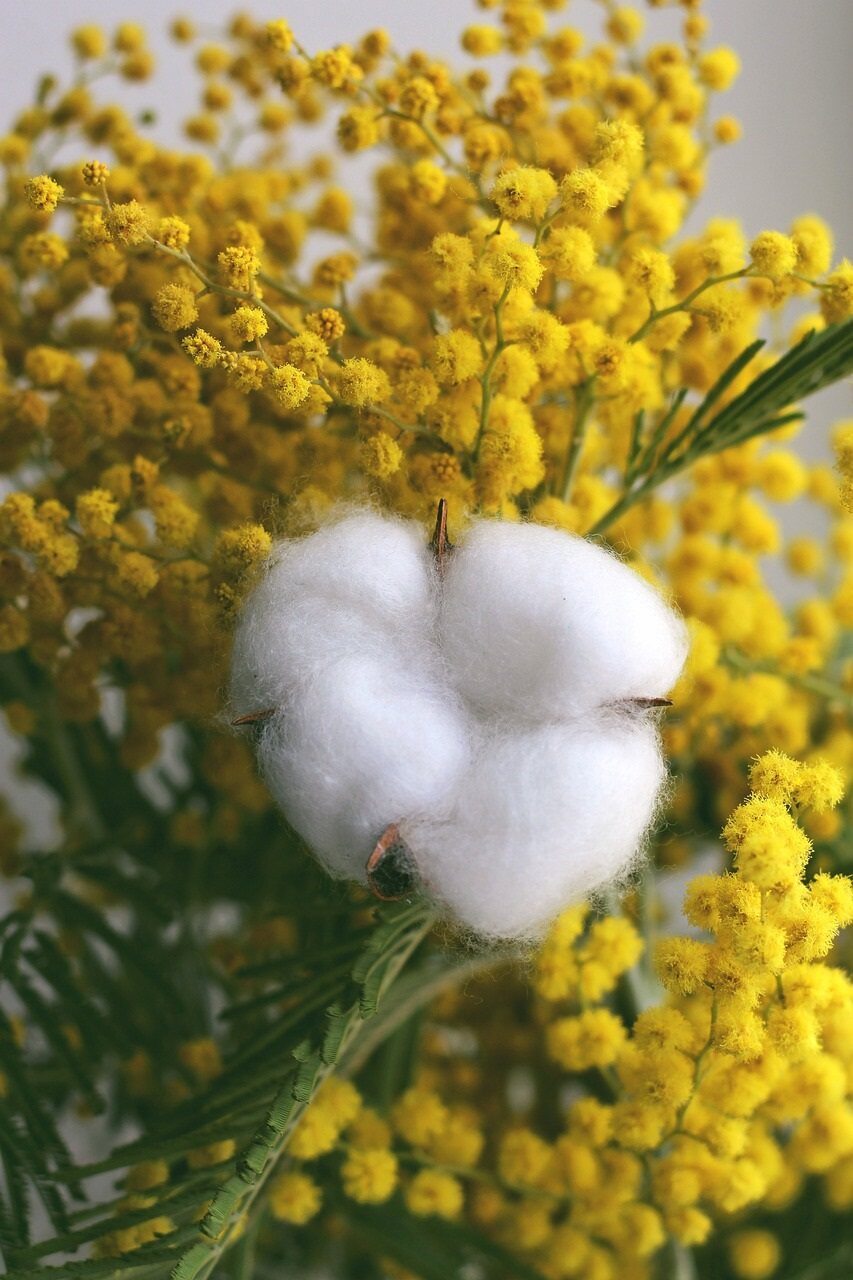
Whole chain innovation: value leap from seeds to by-products
The technological genes of Xinjiang cotton have already permeated every corner of the entire industry chain. From gene editing breeding to cotton meal replacing soybean meal, technological innovation is constantly extending the industrial chain and enhancing the value chain. In the field of seed industry innovation, biological breeding is accelerating breakthroughs. Xinjiang has launched the "Cotton Biological Breeding Innovation Project", which uses gene editing and big data breeding technology to shorten the breeding cycle of new varieties from 10 years to 5 years.
In the production process, the "Shaya mode" has become a model for water-saving and efficiency improvement. In response to the characteristics of drought, salinity, and alkalinity in southern Xinjiang, researchers have constructed an efficient agricultural water-saving system for cotton fields, breaking through the precise regulation technology of water, fertilizer, and salt, resulting in a water saving of 200 cubic meters per mu for 500000 mu of cotton fields and a 40% reduction in the incidence of secondary soil salinization. This combination of "water fertilizer integration+subsurface drip irrigation" technology has been promoted in over 30 million acres throughout Xinjiang, saving 6 billion cubic meters of water resources annually.
The high-value utilization of cotton by-products further turns waste into gold. The whole cotton meal diet formula technology developed by Xinjiang Academy of Agricultural Sciences for broiler chickens has achieved a complete replacement of soybean meal with cotton meal, breaking the situation of China's dependence on imported protein feed. In the processing plant in Shihezi City, cottonseed is decomposed into edible oil, concentrated protein, and gossypol extract, and the added value per ton of cottonseed has increased from 200 yuan to 1500 yuan. Previously, cotton stalks were used as firewood, but now they can be used as biomass fuel; cotton short fibers can be used to make special paper, and even cotton shells can be used to grow edible fungi. "The company's technical director introduced that the development of the entire industry chain has tripled the comprehensive benefits of cotton.
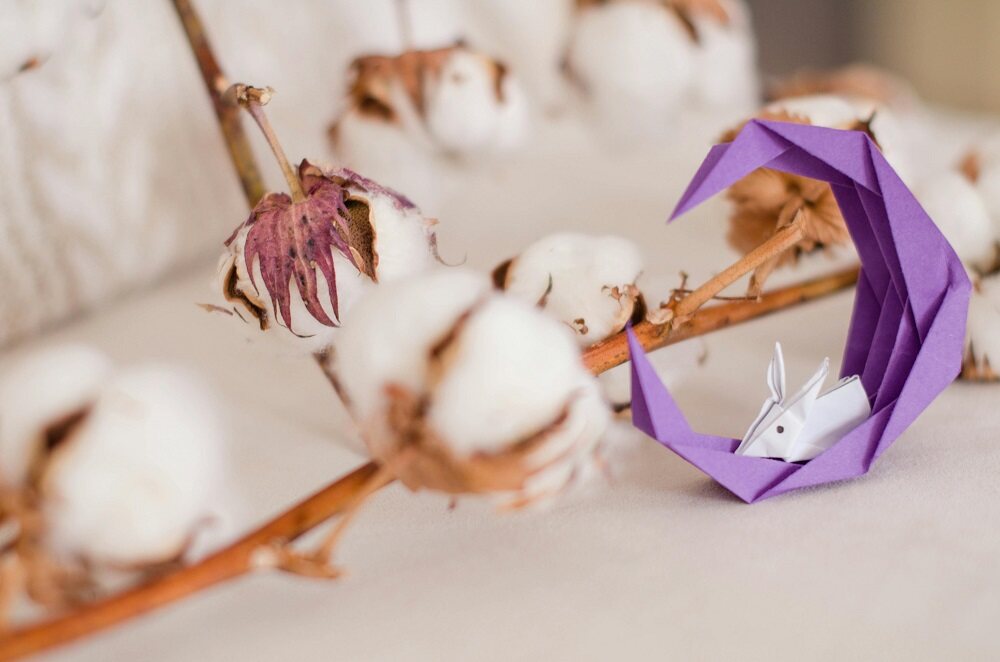
The New Landscape of Cotton Industry Empowered by Technology
Looking back at the harvest milestone of 2024, Xinjiang cotton has completed the transformation from "quantity catching up" to "quality leading". But in the eyes of researchers, even greater breakthroughs are still ahead. Researcher Zhang Pengzhong pointed out, "Currently, we still face challenges such as germplasm resource mining and intelligent agricultural machinery equipment. The integration of digitalization and the cotton industry will be the focus of the next stage
In the Smart Agriculture Laboratory of Xinjiang Academy of Agricultural Sciences, researchers are debugging a digital model of cotton growth. By integrating meteorological, soil, and seedling data, the system can predict fiber development status 15 days in advance and provide suggestions for water and fertilizer regulation. The future cotton fields will be 'thoughtful', where every cotton plant can receive precise care. The project leader introduced that this technology has been piloted in 100000 acres of cotton fields, increasing the rate of high-quality products by 8%.
For cotton farmers, the changes brought by technology will be more direct. The development path of Xinjiang cotton, from the first improved cotton seedling at the foot of the Tianshan Mountains to the "Chinese good cotton" in the global high-end market, is a vivid epitome of China's agricultural technological innovation. The production of 5.686 million tons is the confidence, the quality comparable to the world is the strength, and the technology gene deeply rooted in the entire industry chain is the core password for the continuous rise of the "Chinese cotton warehouse". The story of Xinjiang cotton is always a symphony of technology and land, and this symphony continues.

Secondary contradiction:
Planting and yield: In 2024, the cotton planting area in Xinjiang was 36.719 million mu (an increase of 3.3% compared to the previous year), with a yield of 5.686 million tons (accounting for 92.2% of the national total). One out of every four cotton plants in the world comes from Xinjiang
Quality and Processing: The length of long staple cotton fibers reaches 38.2 millimeters, and the rate of first-class products has increased from 65% to 92%. Exports account for more than 70% of the country's total, and high count yarn indicators are comparable to high-quality cotton from the United States and Egypt
Technology and benefits: The promotion of subsurface drip irrigation technology has exceeded 30 million mu (saving 6 billion cubic meters of water annually), increasing the average income of cotton fields by 1200 yuan per mu and increasing the added value of cottonseeds from 200 yuan/ton to 1500 yuan/ton.Editor/Bian Wenjun
Comment






 Praise
 Collect
 Comment

 Share
Share


Write something~