 Search


- Kuwait is closely linked with China in the fields of energy and infrastructure
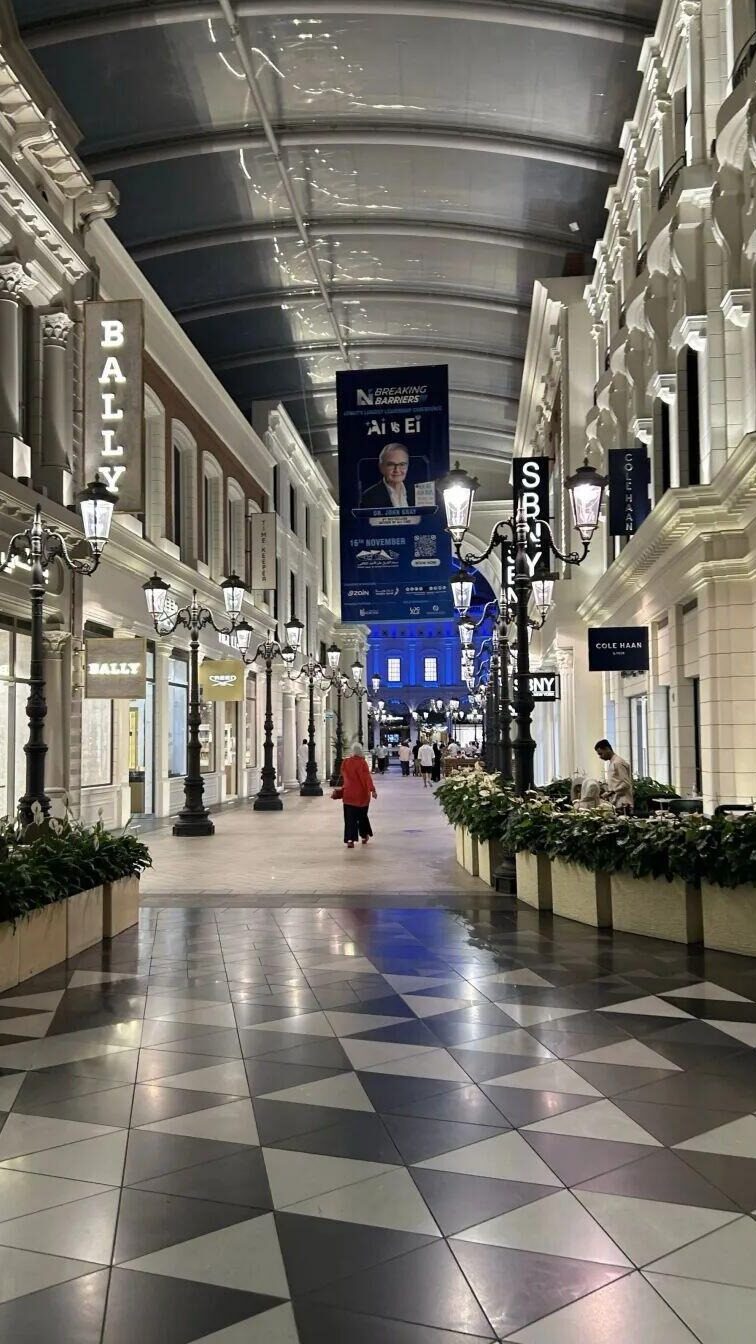
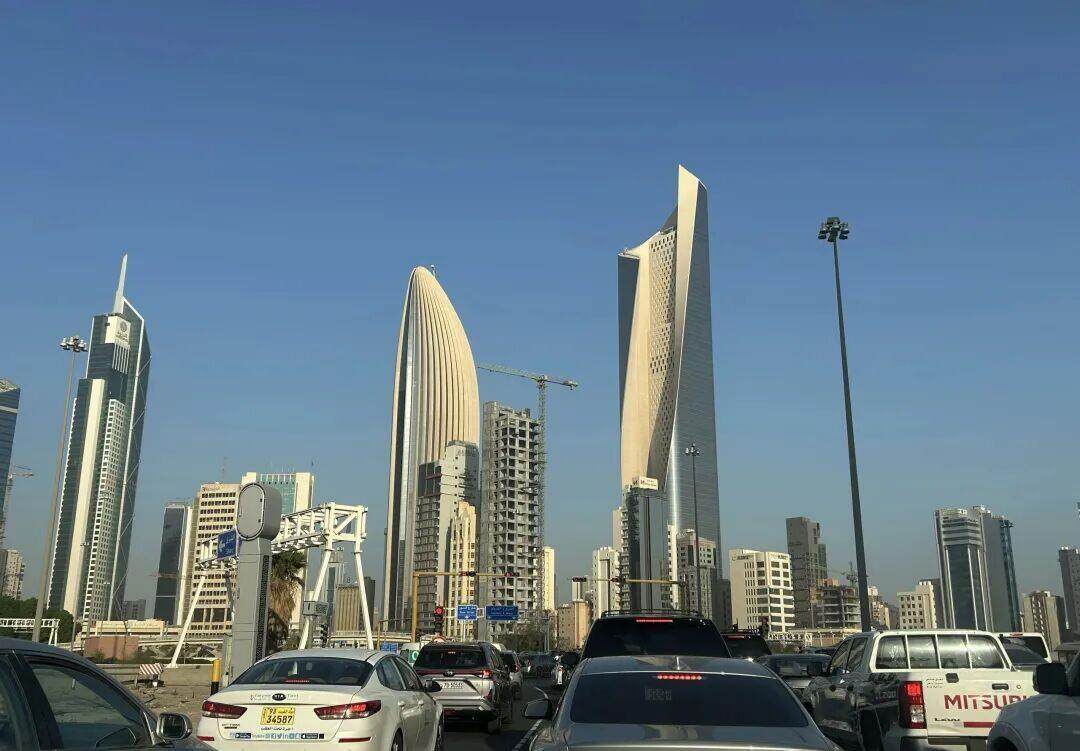
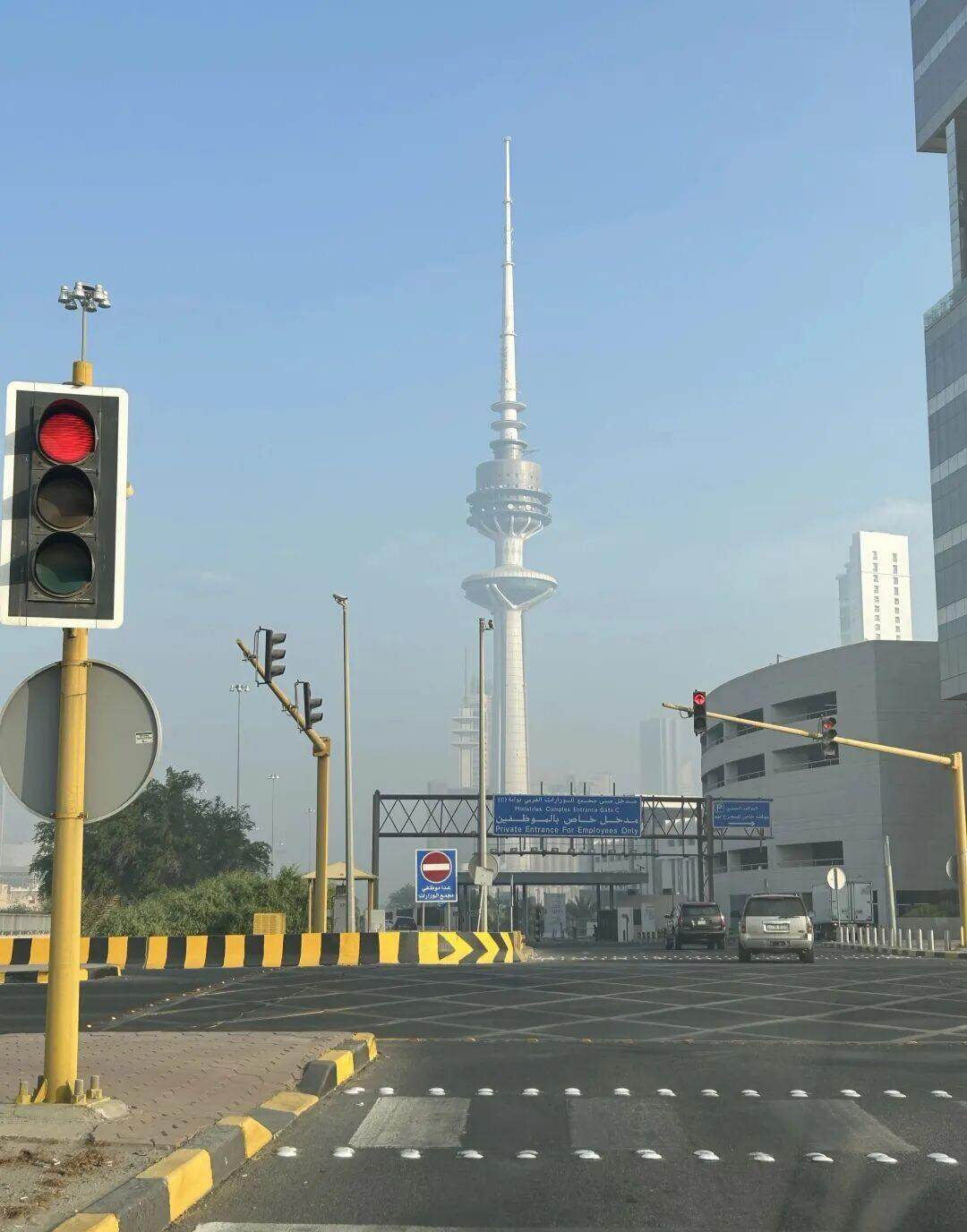
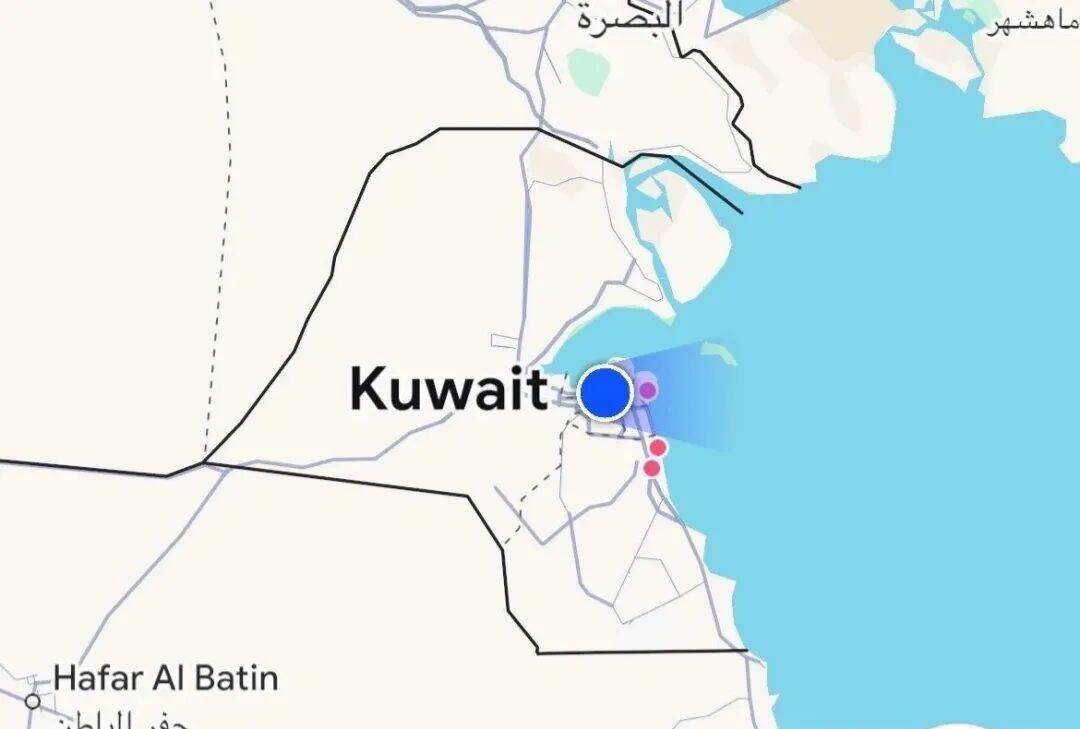
On the north coast of the Persian Gulf, Kuwait, with an area equivalent to only 1/100 of Beijing, has become a model of "wealth among the people" in the Gulf with the world's strongest currency, the dinar, and top-notch welfare of 1.3 million citizens per capita. Seven out of every ten people here are foreigners, but with a gentle and open attitude, they have become the "invisible engine" of the Middle East economy.
The myth of the dinar forged by oil
Kuwait, with a land area of less than 18000 square kilometers, relies on oil revenue to support 90% of its finances. The Kuwaiti dinar, which is exchanged for nearly 1:23 RMB, circulates here, and citizens enjoy free education and medical care from birth. Although foreign nationals make up as much as 70% of the population, 30% of Kuwaitis control the global capital game of sovereign wealth funds, and the capital city of Kuwait City is a "hidden command post" for Gulf capital flows.
Desert socialization in shopping centers
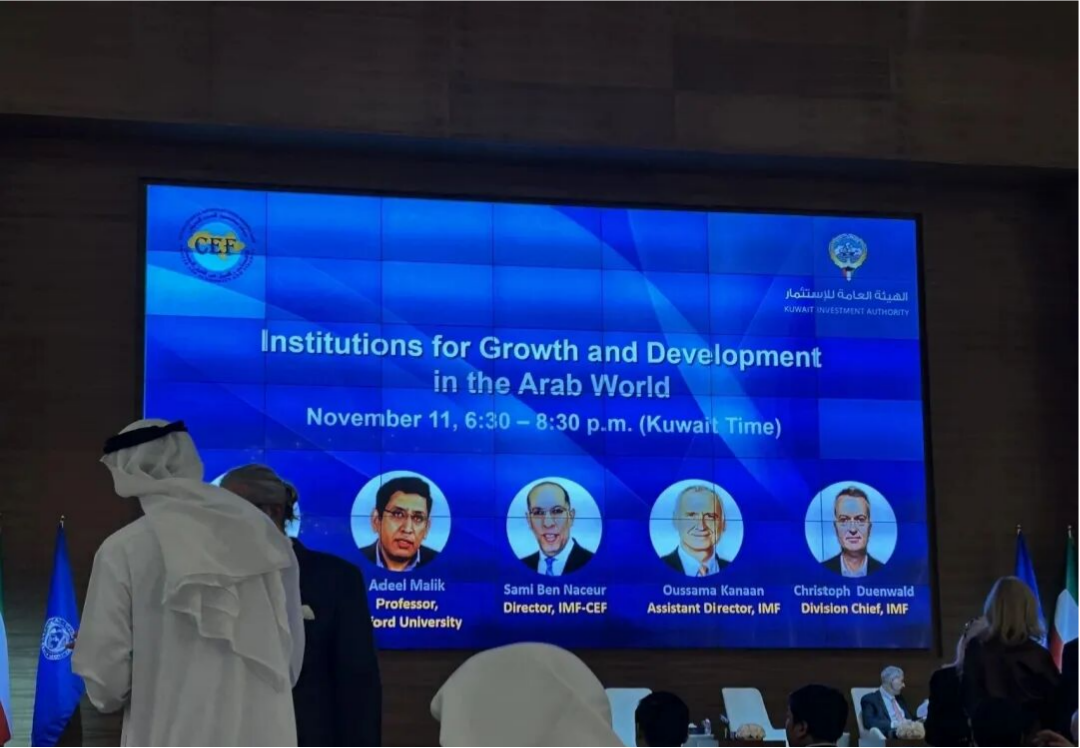
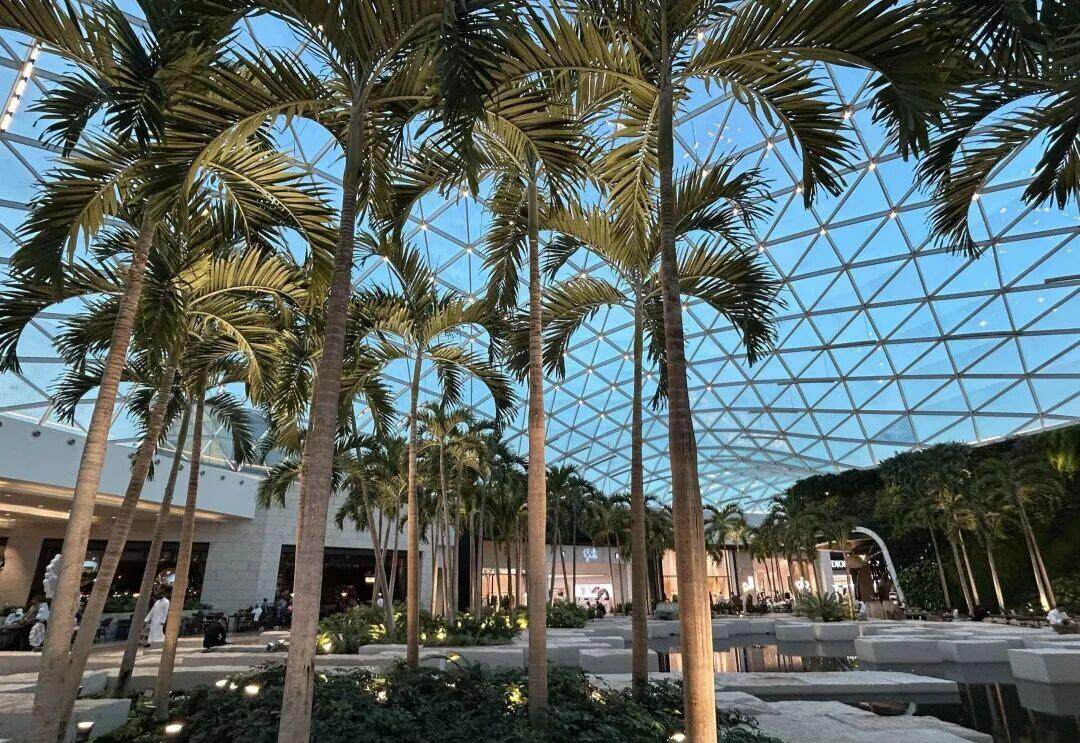
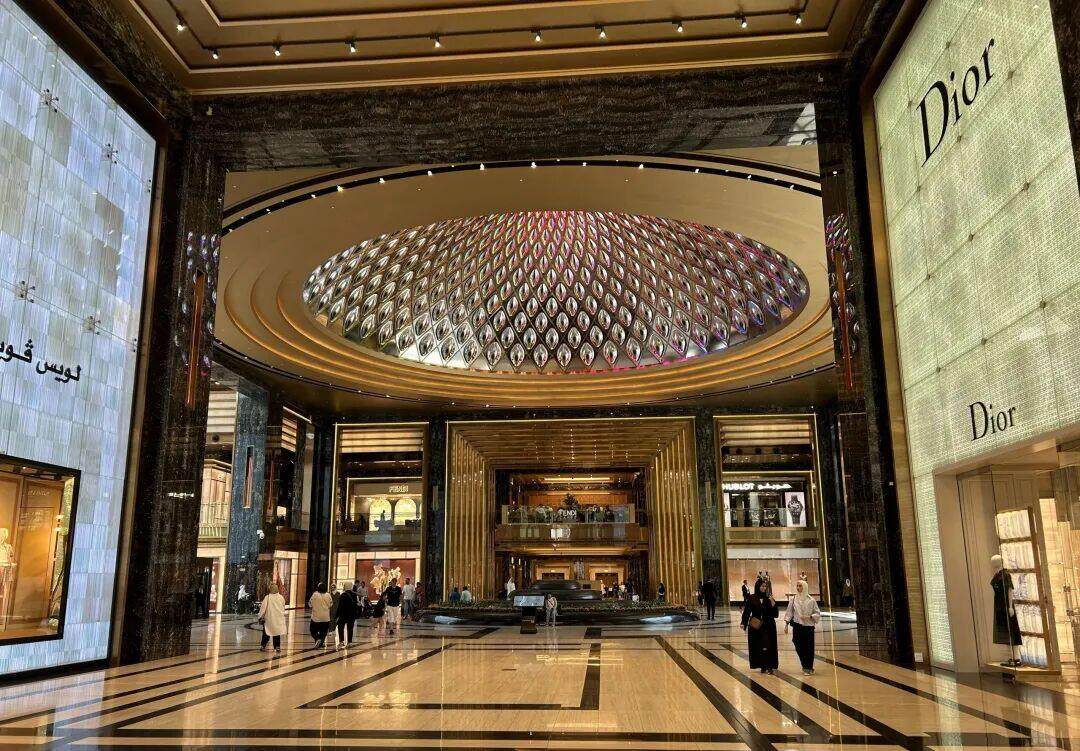
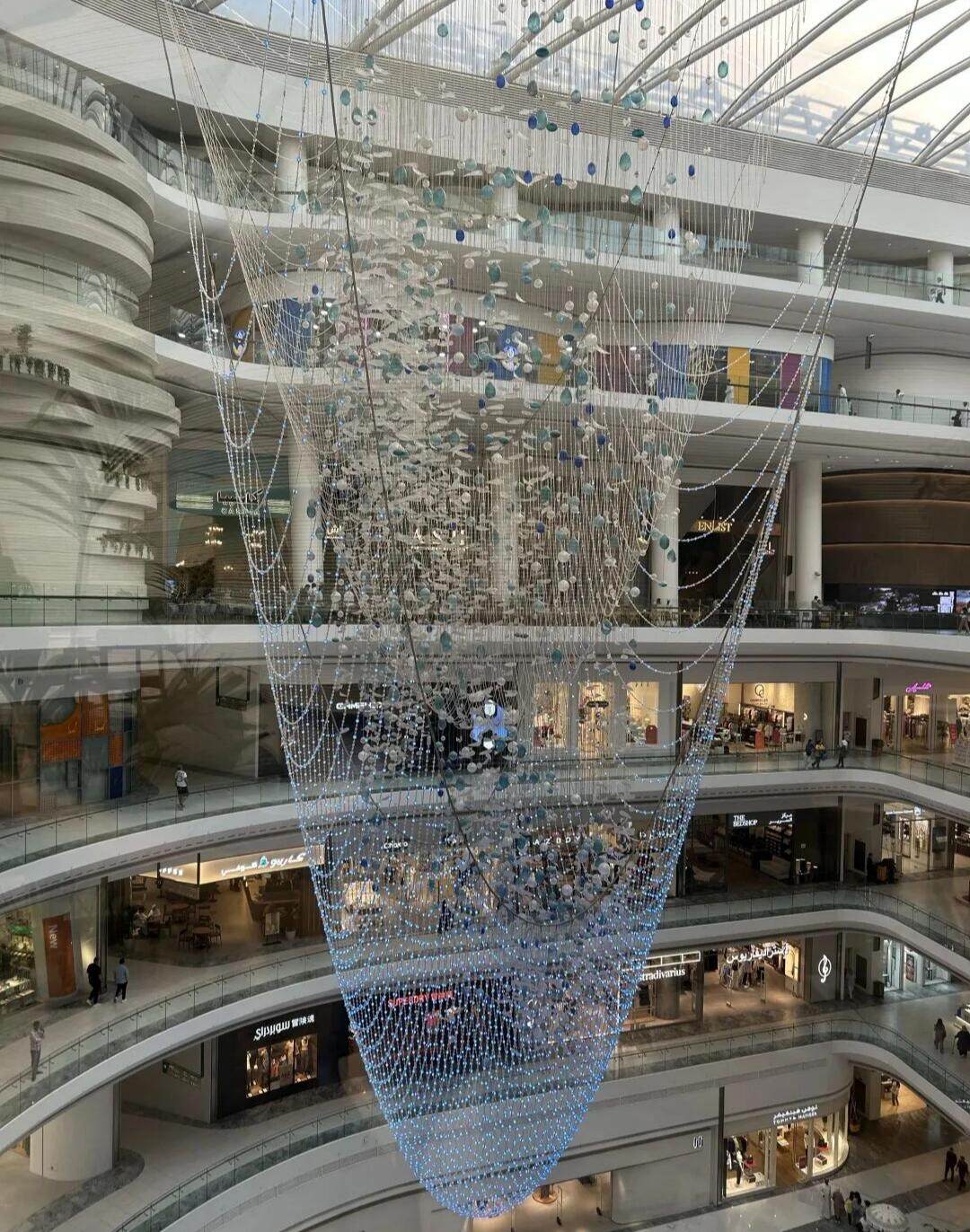
When summer temperatures soar above 50 ℃, Kuwaitis shift their focus to shopping centers with ample air conditioning. In shopping malls with a high prevalence of English, headwear and suits coexist, achieving a delicate balance between religious conservatism and convenient living. A local Chinese joked, "The best park here is the shopping mall, and the busiest 'scenic spot' is the Huawei flagship store
Oil ties along the Belt and Road
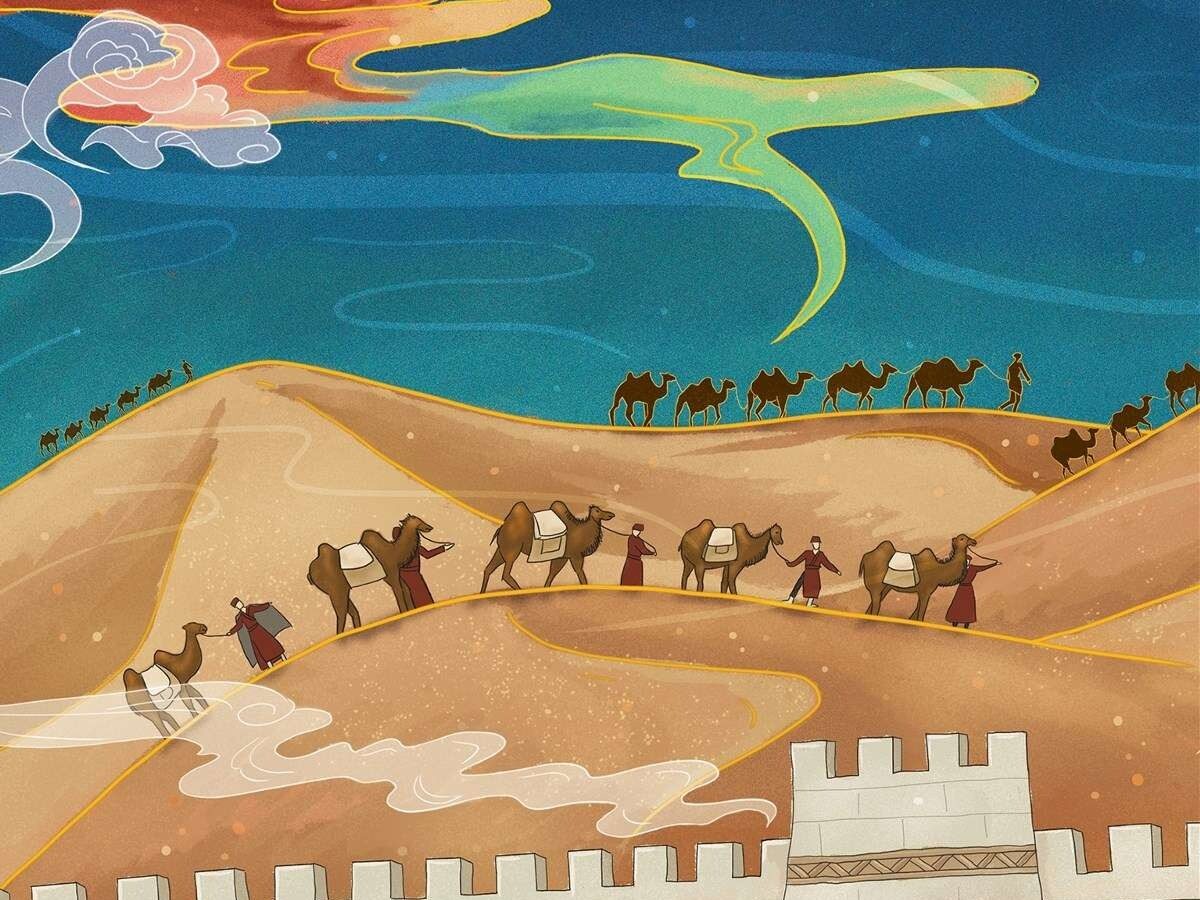
As the first Gulf country to respond to the "the Belt and Road Initiative", Kuwait's trade volume with China has surged in recent years. From oil exports to 5G base station construction, from Chinese car companies galloping on desert roads to Kuwait Investment Authority investing in Chinese companies, the cooperation between the two countries in energy, communication and other fields is making this strategic hub a "golden pivot" connecting Asia and the Middle East. Keywords: the Belt and Road news, feature news
The memories of war taught Kuwaitis to hide their wealth in a low-key manner, but the pride of the nobility under the Emir's rule still flowed in their blood. Nowadays, with the deepening of cooperation between China and science, this country that was once run over by Iraqi tanks is quietly reshaping the economic map of the Gulf with its oil capital and open wisdom.Editor/Yang Meiling
Comment

 Praise
 Collect
 Comment

 Share
Share


Write something~