 Search


- Aipem's "double shot" orders are driven by structural growth opportunities in the global ocean energy infrastructure market
- Saipem once again reported good news and signed a major contract worth 425 million dollars with Türkiye Petroleum Company
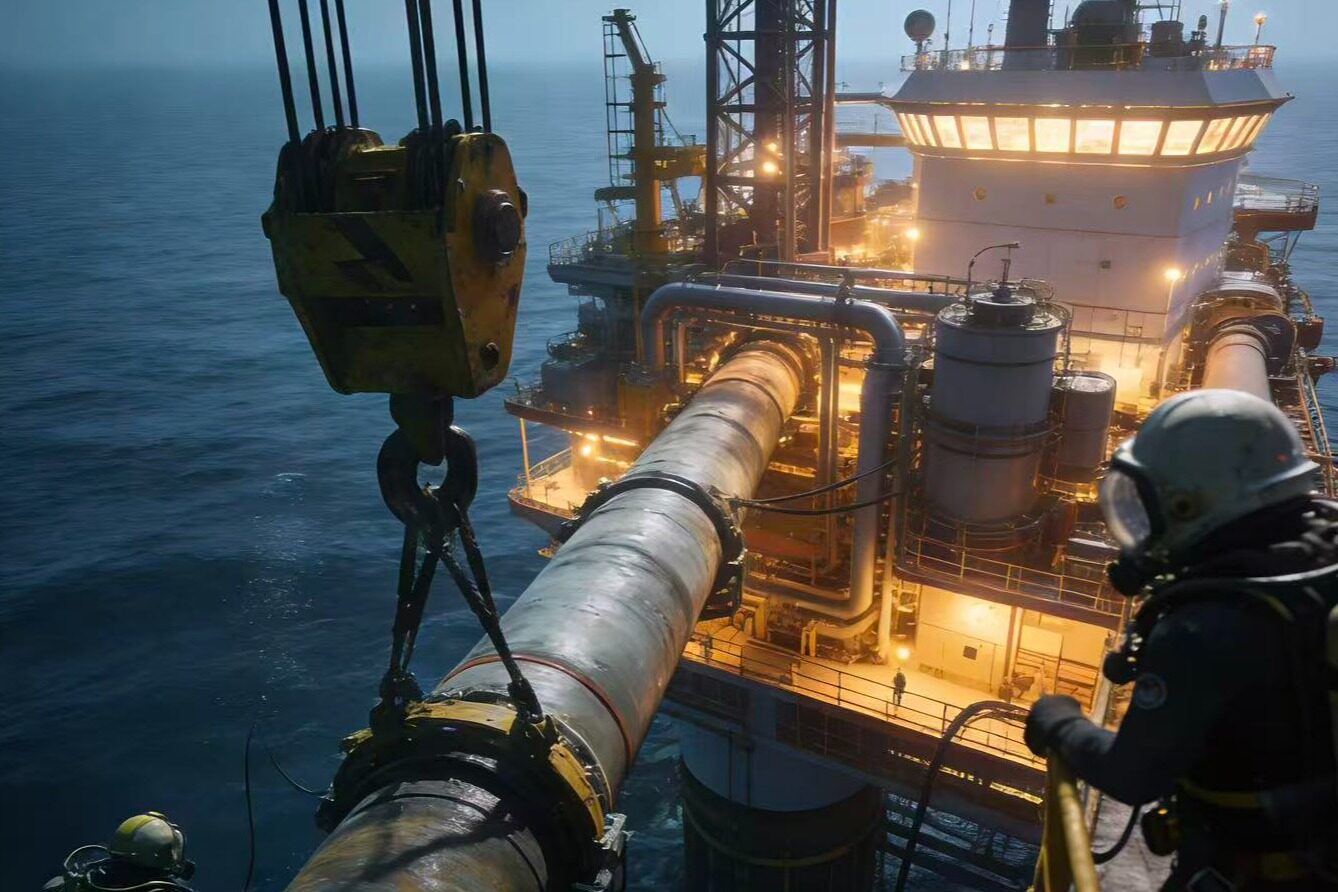
At the beginning of 2026, the world's offshore energy engineering field received heavy news: Italian energy engineering giant Saipem won two major transnational orders in succession at the end of the year, and signed offshore engineering contracts with Saudi Aramco and Türkiye Petroleum Corporation (TPAO) with a total amount of more than 1 billion dollars. This series of heavyweight collaborations not only demonstrates Saipem's technological strength and industry reputation in the field of deep-sea engineering, but also reflects the continuous heating of the offshore oil and gas infrastructure market under the energy security strategy of core regions such as the Middle East and the Black Sea.
Localization layout deepens strategic binding
As Saipem's core partner in the Middle East market, Saudi Aramco has awarded two Contract Purchase Orders (CRPOs) with a total value of $600 million, both of which were signed within the framework of a Long Term Agreement (LTA) between the two parties, marking another milestone for Saipem's deep cultivation in the Middle East market.
Among them, the CRPO 162 contract is for a period of 32 months, focusing on the upgrading and renovation of the Berri and Abu Safah oil fields in Saudi Arabia. The core project includes the laying of a 34 kilometer submarine oil pipeline with diameters of 20 inches and 30 inches respectively, as well as the engineering, procurement, construction, and installation process services for the supporting upper structure. The other CRPO 165 contract is for a period of 12 months, covering underwater intervention operations in the Marjan oil field and undertaking the EPC general contracting task for a 300 meter onshore pipeline and connecting system. It is worth noting that all manufacturing processes will be completed at Saipem Taqa Al Rushaid Fabricators Co. Ltd., a joint venture factory located in Dammam, Saudi Arabia. Offshore operations will be carried out using professional engineering vessels deployed in the region, which not only responds to Saudi Arabia's industrial localization policy but also provides guarantees for efficient project implementation.
This cooperation coincides with a critical period for Saudi Aramco to increase its investment in offshore oil and gas. As the world's largest oil company, Saudi Aramco's capital expenditures in the offshore sector have exceeded $6 billion by 2025. Optimizing the production capacity of Berri, Marjan and other oil fields is its core measure to maintain the stability of crude oil supply. It is expected that related projects will help the oil fields add hundreds of thousands of barrels of daily production capacity. With years of technological accumulation and localized layout, Saipem continues to deepen its strategic ties with Saudi Aramco, consolidating its core position in the high-end offshore market in the Middle East.

Deep sea pipeline connects energy and dreams of independence
A few hours after the announcement of the Saudi contract, Saipem again reported good news and signed a major contract worth 425 million dollars with Türkiye Petroleum Corporation, becoming a key partner in the third stage development of Sakarya gas field. This gas field, located in the Black Sea waters of Türkiye and 170 kilometers away from the Filyos coast, has a reserve of 405 billion cubic meters. It is the largest natural gas field discovered by Türkiye so far, and it is also a core strategic project to achieve energy independence. It is estimated that after being put into operation in 2030, it will meet nearly 30% of Türkiye's natural gas demand.
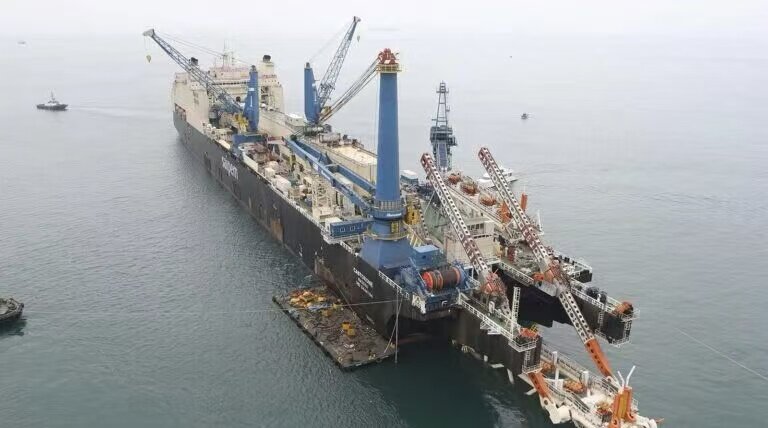
According to the contract, Saipem will undertake the EPCI project and supporting subsea structure construction for three 153 kilometer subsea pipelines, with the core task of connecting the newly discovered Goktepe deep-sea gas field with the existing Sakarya Phase III facility. The Goktepe gas field is located in a 2200 meter deep water area, about 80 kilometers away from Sakarya Phase III. The extreme operating environment places strict requirements on pipeline laying technology. Saipem plans to use its top tier pipeline laying vessel Castorone to start offshore operations in the second half of 2027, with a project execution period of about two and a half years, forming a synergistic promotion effect with the Sakarya Phase III main contract obtained in September 2025. The implementation of the project will significantly improve the overall production capacity of the gas field, and inject key impetus for Türkiye to reduce its dependence on natural gas imports and strengthen its regional energy status.
Dual wheel drive of technology and strategy
The ability to obtain cross regional heavyweight orders in a short period of time is due to Saipem's comprehensive strength in the global offshore engineering field. As a "one-stop" solution provider in the field of energy and infrastructure, Saipem's business covers offshore wind power, oil and gas transmission, drilling and other fields. It has 7 major manufacturing bases, 21 professional construction ships and 15 drilling platforms. Its business covers more than 50 countries, with 30000 employees. From the construction of super large compression platform in Qatar North Gas Field, to the laying of deepwater pipelines in Saudi Arabia, to the development of gas fields in Türkiye, Saipem has become a trusted partner of Total Energy, BP and other international energy giants by virtue of core technologies such as ultra deepwater engineering and modular construction.
At the same time, Saipem takes "engineering for a sustainable future" as its mission, integrating digital innovation and low-carbon technology into the entire project process, which not only meets the current needs of oil and gas development, but also conforms to the global trend of energy transformation. Against the backdrop of increasingly fierce industry competition, this comprehensive advantage of "technology+service+sustainability" has made it stand out in competition with global offshore giants such as China's COOEC and the United States' McDermott.
Industry Insights: Deep sea Infrastructure Becomes the Core Battlefield of Energy Gaming
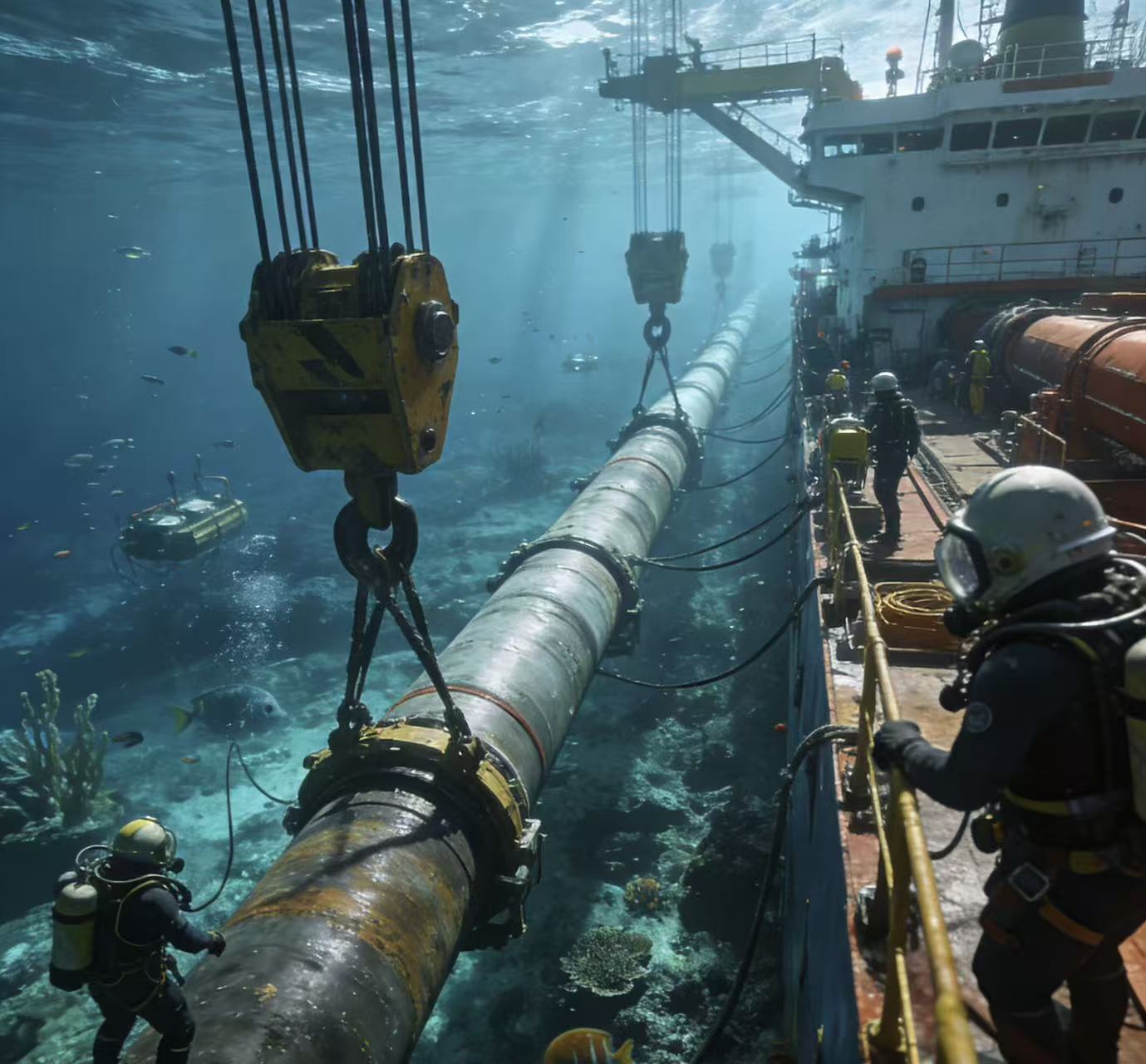
Saipem's order "double shot" is driven by structural growth opportunities in the global ocean energy infrastructure market. Data shows that by 2025, the global offshore oil equipment market has fully recovered, with capital expenditures in deepwater and ultra deepwater fields accounting for over 60%, becoming the core engine of market growth. The optimization of oil and gas production capacity in the Middle East, the energy self-reliance strategy in the Black Sea region, and the increasing global demand for natural gas as a transitional energy source have collectively spurred large-scale investment in offshore infrastructure.
Ocean engineering, especially deep-sea projects, have the characteristics of high technological threshold, high capital investment, and long-term operation. Only top enterprises with full chain service capabilities can be competent. From Saipem and COOEC jointly winning the $4 billion North Gas Field project in Qatar, to Saudi Aramco's billion dollar oil field expansion contract triggering global competition, all confirm the trend of increasing industry concentration. Analysis points out that although the energy transition continues to advance, traditional oil and gas will still occupy an important position in the energy structure for a considerable period of time in the future. Deep sea oil and gas projects, due to their resource potential and strategic value, will continue to become the core competitive battlefield for global offshore giants.
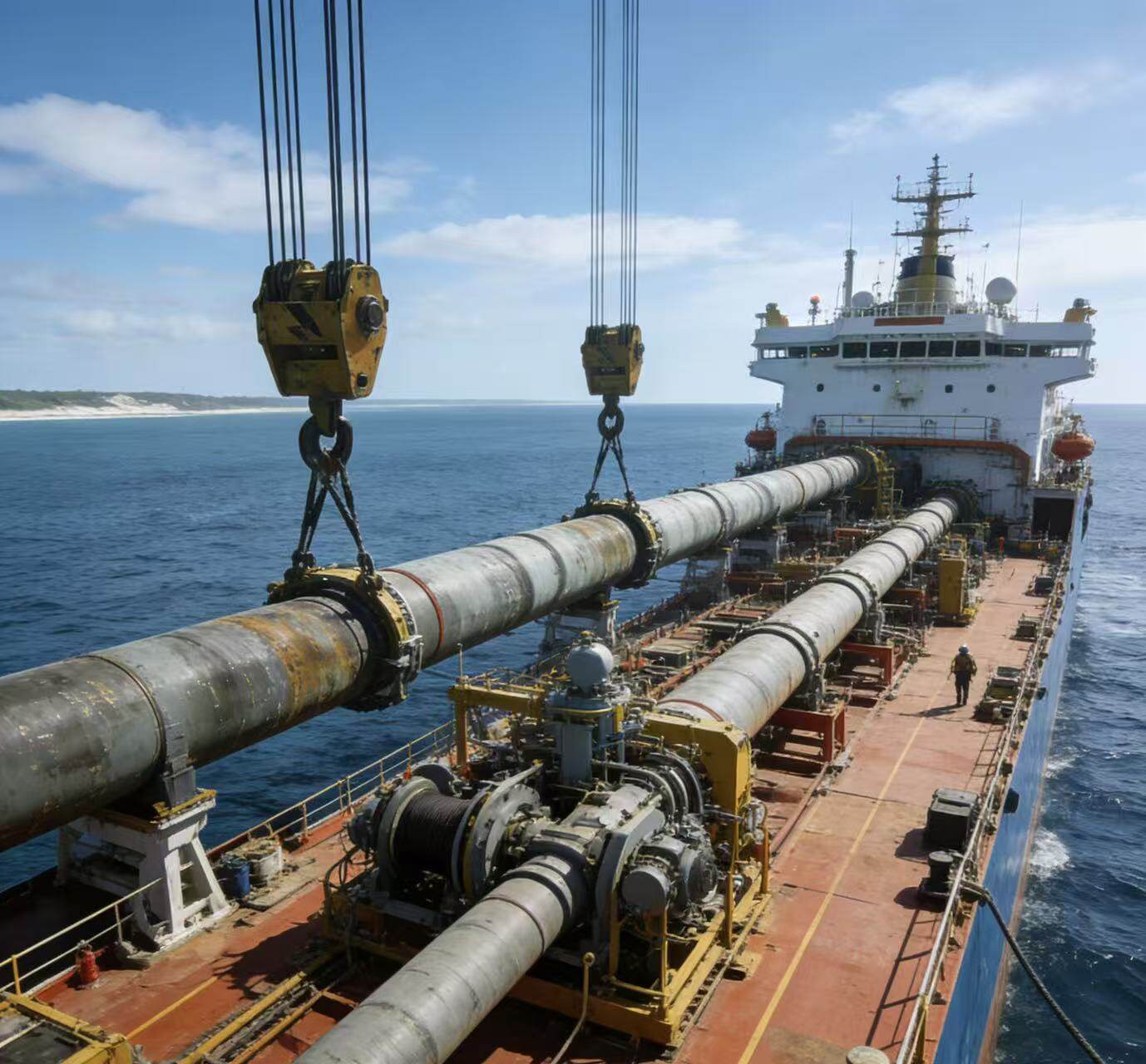
The year-end victory of Saipem is not only a success of the company's own strategic layout, but also reflects the opportunities and changes in the field of marine infrastructure under the reshaping of the global energy landscape. With the continuous advancement of projects in the Middle East, Black Sea and other regions, technological innovation and regional synergy will become the key to competition among marine engineering enterprises. Giants like Saipem, who possess both technological strength, localization ability and sustainable vision, will continue to dominate the development direction of global deep-sea energy infrastructure.Editor/Bian Wenjun
Comment

 Praise
 Collect
 Comment

 Share
Share


Write something~