 Search


- By 2025, the throughput of many ports in China will reach new highs, and key indicators such as Ningbo Zhoushan Port will be surpassed
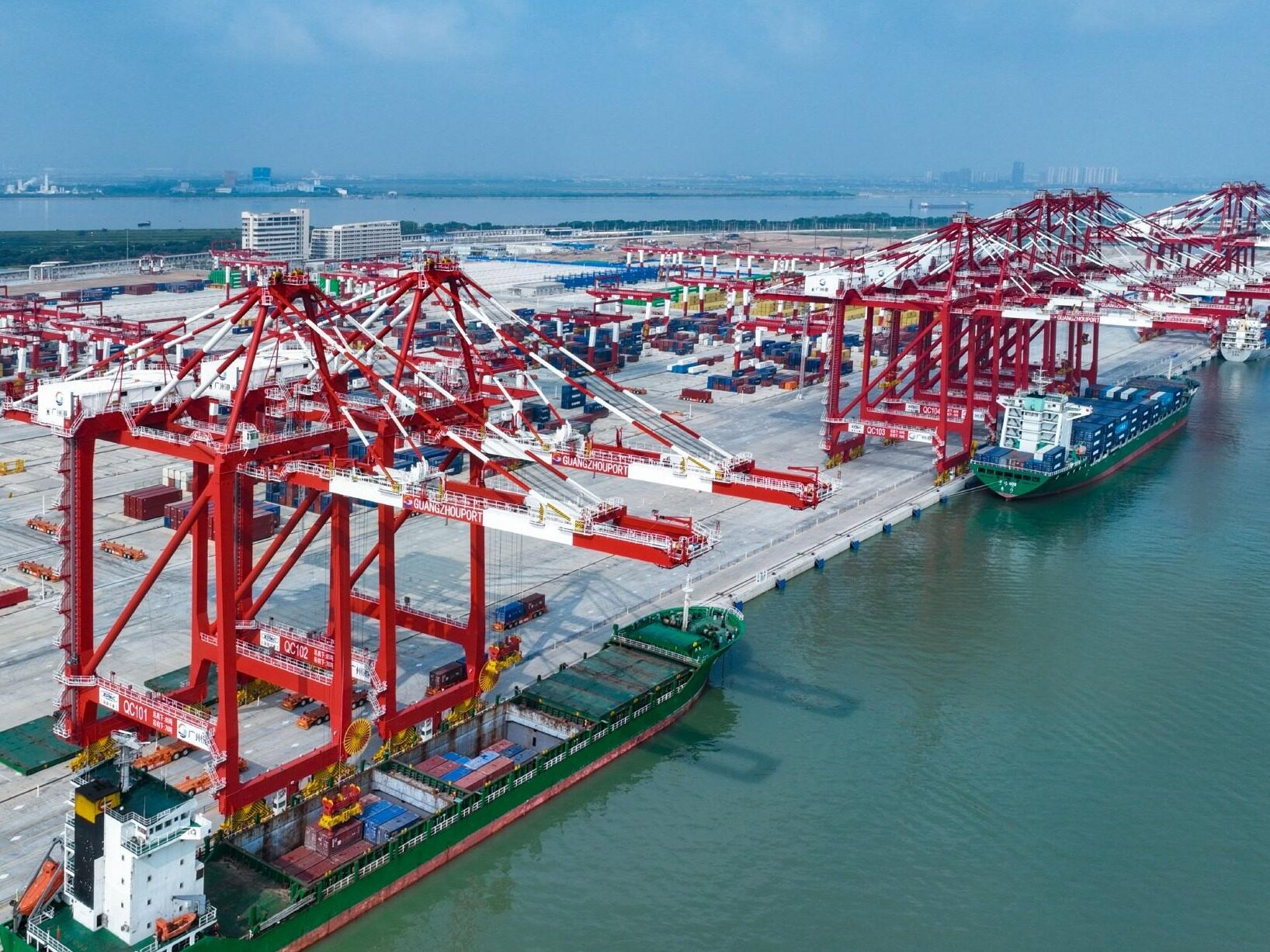
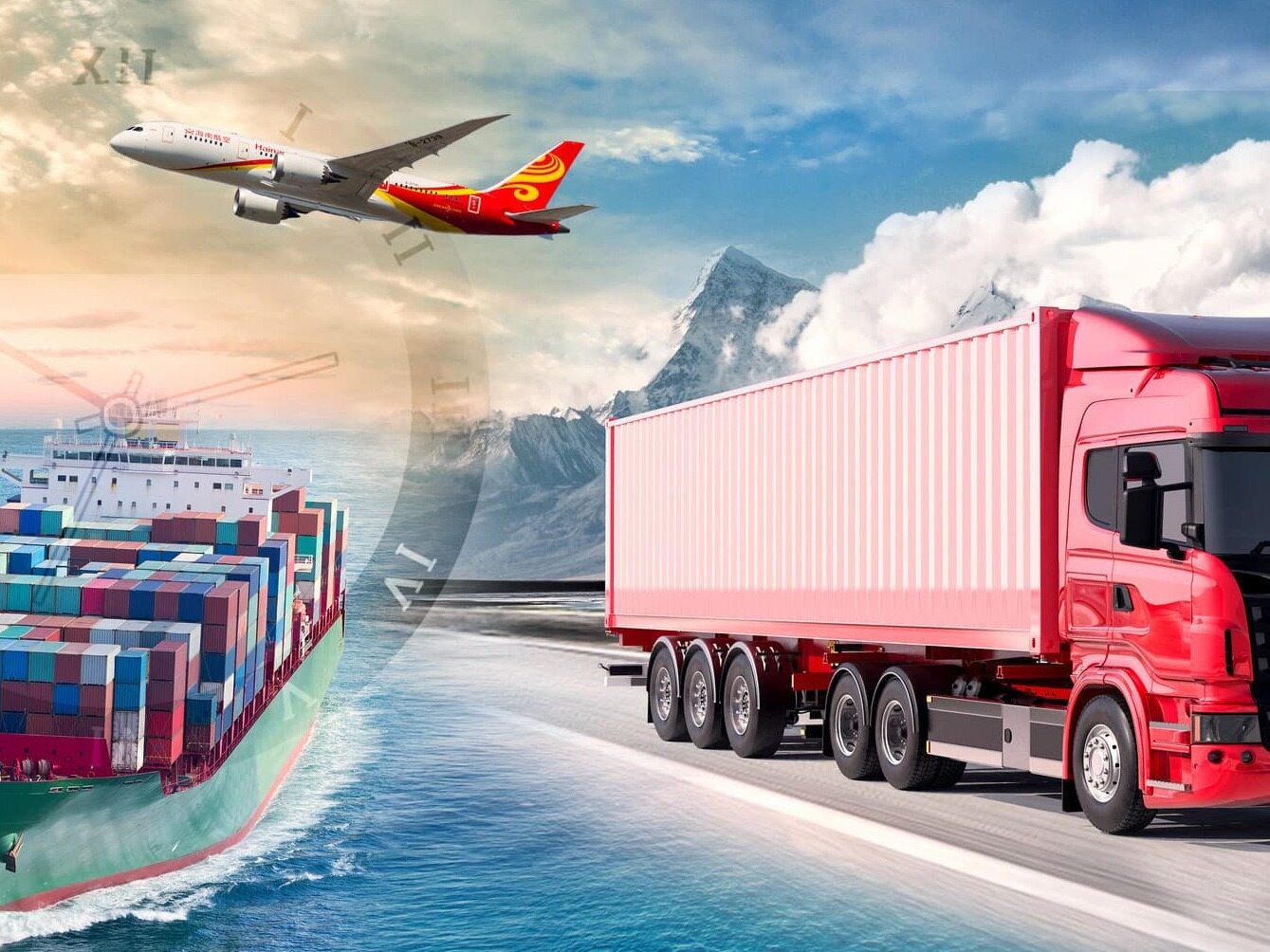
At the end of the year and the beginning of the year, when global trade faced a complex environment, major ports in China presented a busy scene. From Ningbo Zhoushan Port on the coast of the East China Sea to Tianjin Port in the Bohai Bay, large ships frequently dock and containers flow efficiently, continuously breaking throughput records. This not only depicts the strong pulse of China's economy, but also becomes an important "barometer" for observing China's development vitality.
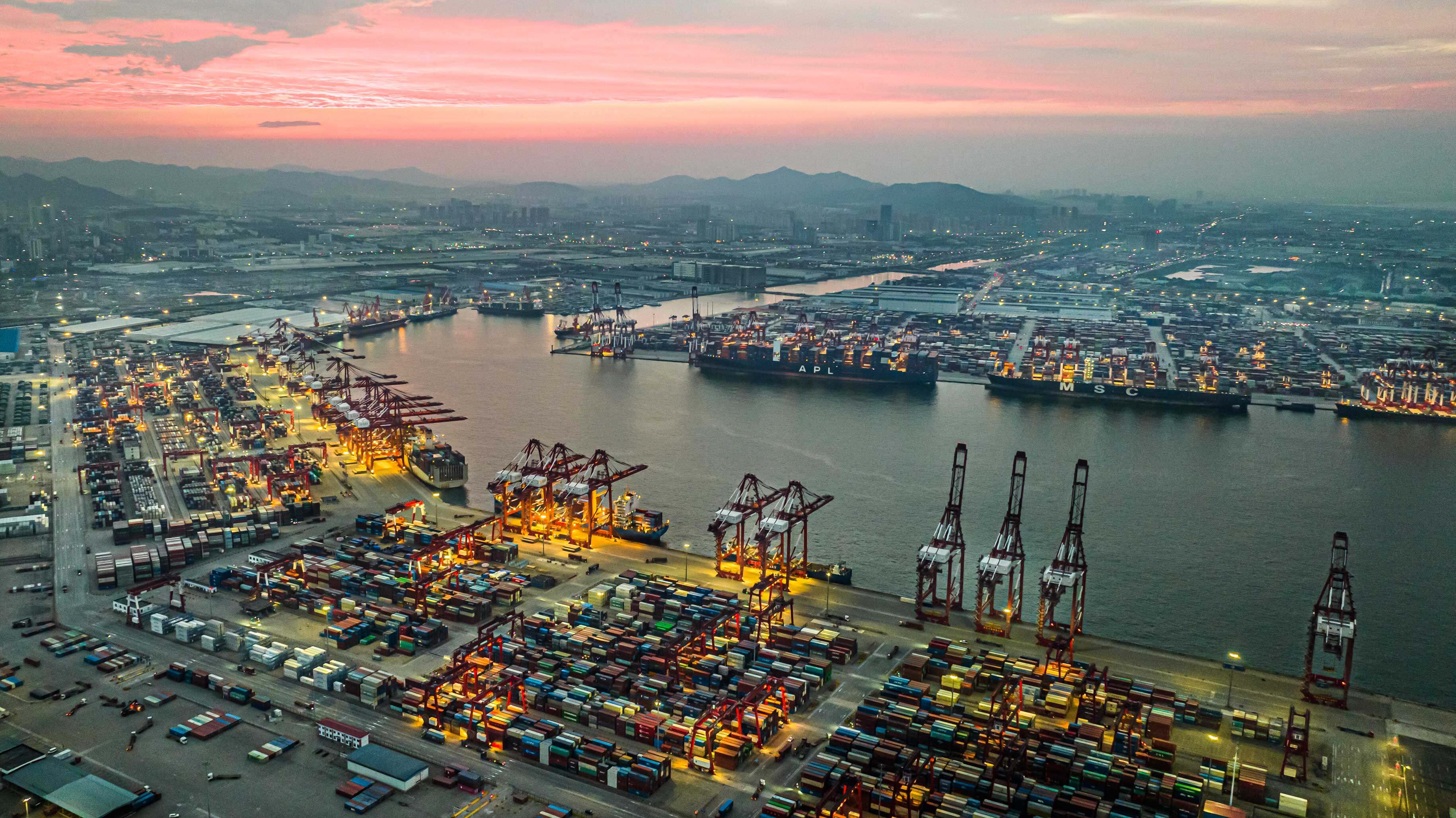
Multiple port records have been broken
By the end of 2025, major ports in China will successively surpass key operational indicators. On December 2nd, the annual container throughput of Ningbo Zhoushan Port exceeded 40 million TEUs for the first time, becoming the third port in the world to enter the "40 million club". On December 8th, the annual cargo throughput of Qingdao Port in Shandong Province exceeded 700 million tons, achieving it 15 days ahead of schedule compared to 2024. On December 14th, Tianjin Port completed an annual container throughput of over 23.29 million TEUs, which was 17 days earlier than last year. Behind these data is the solid support of the national port cargo throughput reaching 16.75 billion tons and container throughput reaching 320 million standard containers in the first 11 months of 2025, with year-on-year growth of 4.4% and 6.6% respectively.
Dual wheel drive of infrastructure and intelligence
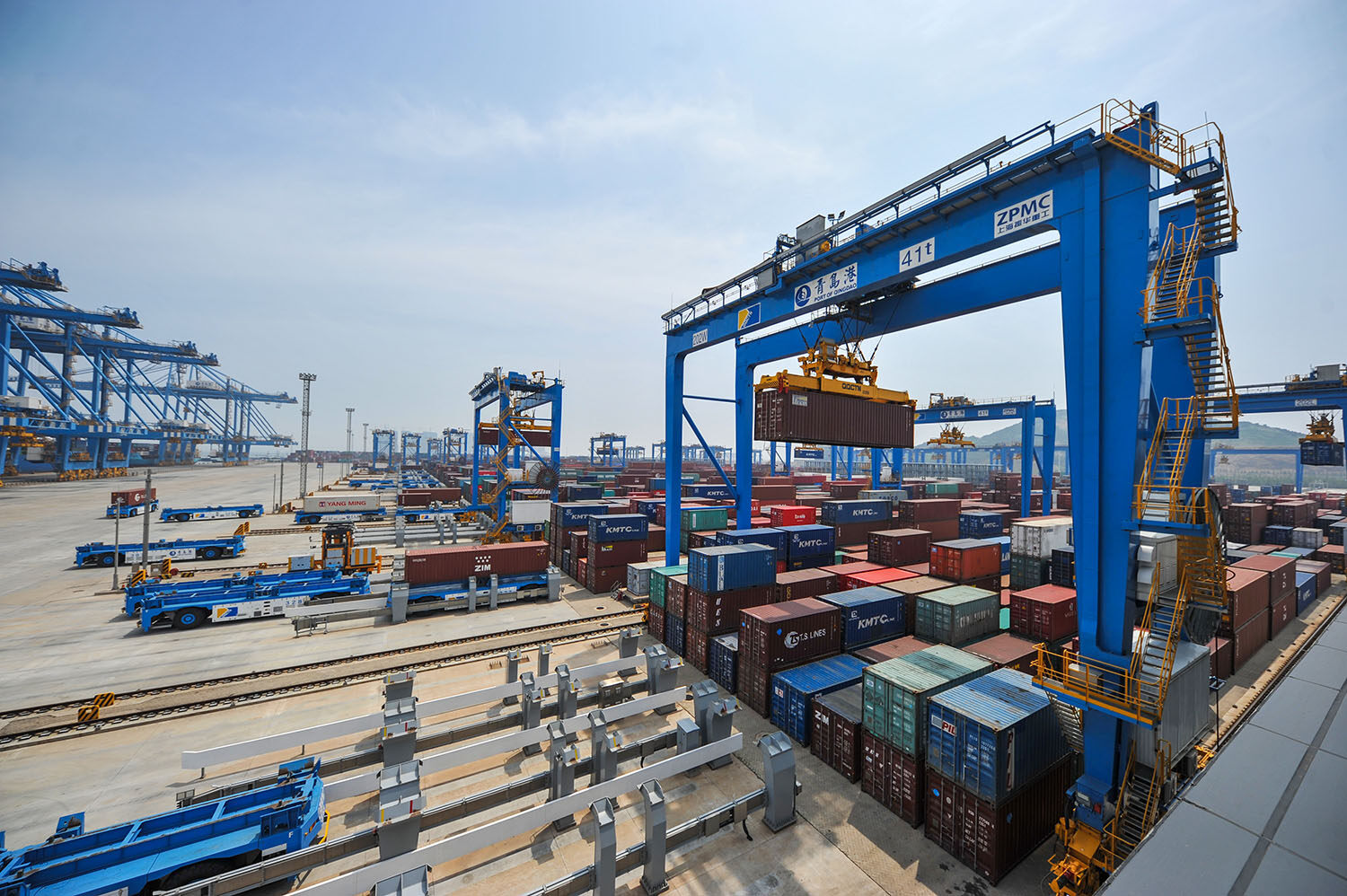
The counter trend growth of port throughput is inseparable from the continuous upgrading of infrastructure and intelligent construction. In terms of hardware, Ningbo Zhoushan Port has built two major "ten million container level" container ports, Chuanshan and Meishan. Qingdao Port has started 15 major projects this year, significantly improving the terminal throughput capacity and yard area. In terms of software, intelligent empowerment has become an efficiency engine: Tianjin Port has launched an intelligent container terminal control system, and Shanghai Port has deployed fully automated unmanned guided vehicles for precise handling. These measures have enabled China's world-class port cluster to maintain a leading level of automation and operational efficiency globally, providing core capability guarantees for throughput growth. Keywords: Land Port Logistics Information Network, Latest News on Land Port Logistics
Reflecting economic vitality and strategic layout
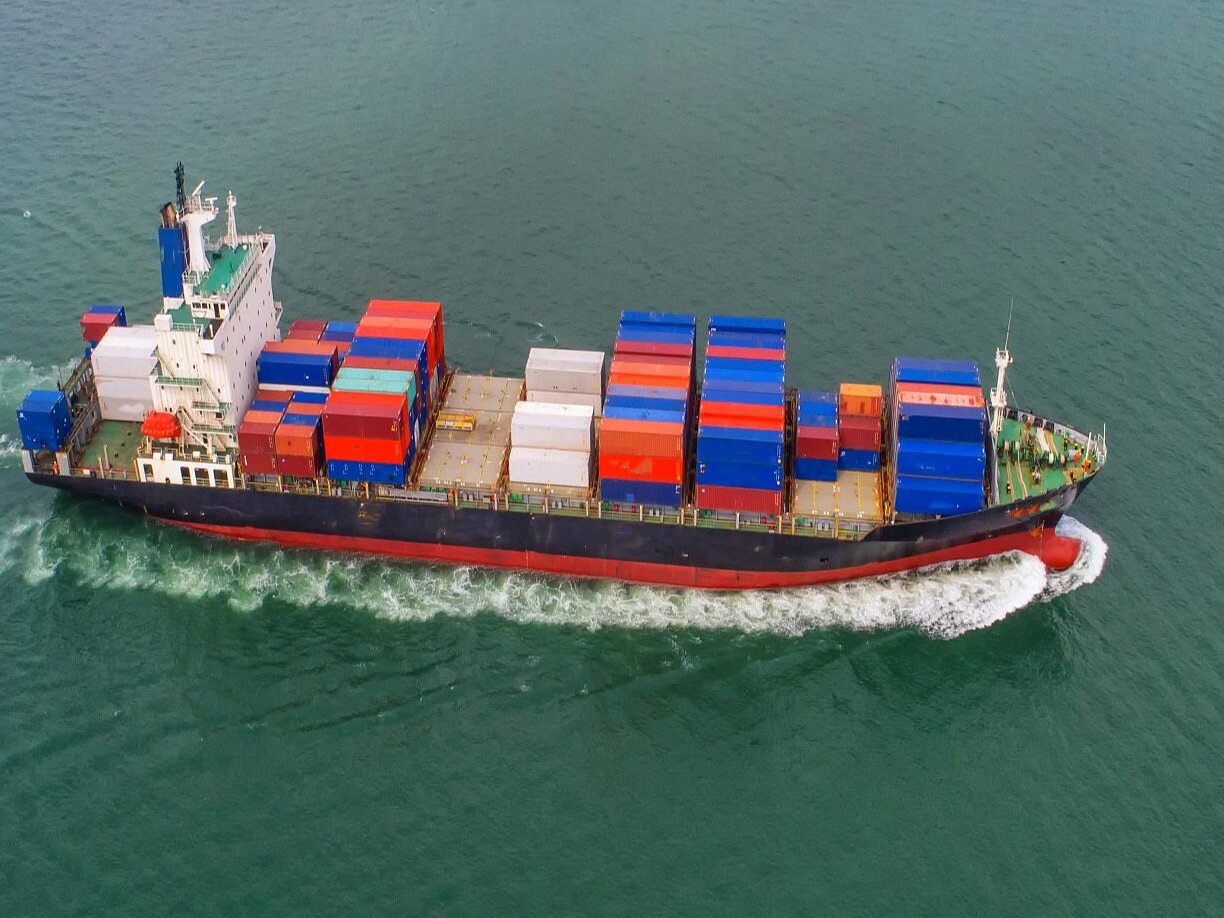
The busy scene of the port deeply reflects the resilience, transformation, and strategic depth of the Chinese economy. Firstly, it directly reflects the structural optimization of foreign trade, with high value-added electromechanical products, new energy vehicles, photovoltaic modules, and emerging energy storage products becoming the main export drivers. Secondly, port functions are extending from coastal areas to inland areas, with models such as the "One Body, Two Wings" port cluster in the Yangtze River Delta and the Shanghai Chongqing direct express line effectively transforming inland areas into open frontiers. Thirdly, the growth rate of inland ports exceeds that of coastal ports, demonstrating the smoothness of the domestic circulation and the optimization of logistics costs. Multiple provinces have emphasized the development of inland waterway transportation in the 15th Five Year Plan, indicating that the development of port clusters will play a more critical strategic role in building a new development pattern and constructing a strong transportation country. (This article is from the official website of Jian Dao www.seetao.com. Reproduction without permission is prohibited, otherwise it will be prosecuted. Please indicate Jian Dao website+original link when reprinting.) Jian Dao website land port logistics column editor/Gao Xue
Comment



 Praise
 Collect
 Comment

 Share
Share


Write something~