 Search


- China Shipbuilding has mastered the full chain capability of methanol, leading the global green power track
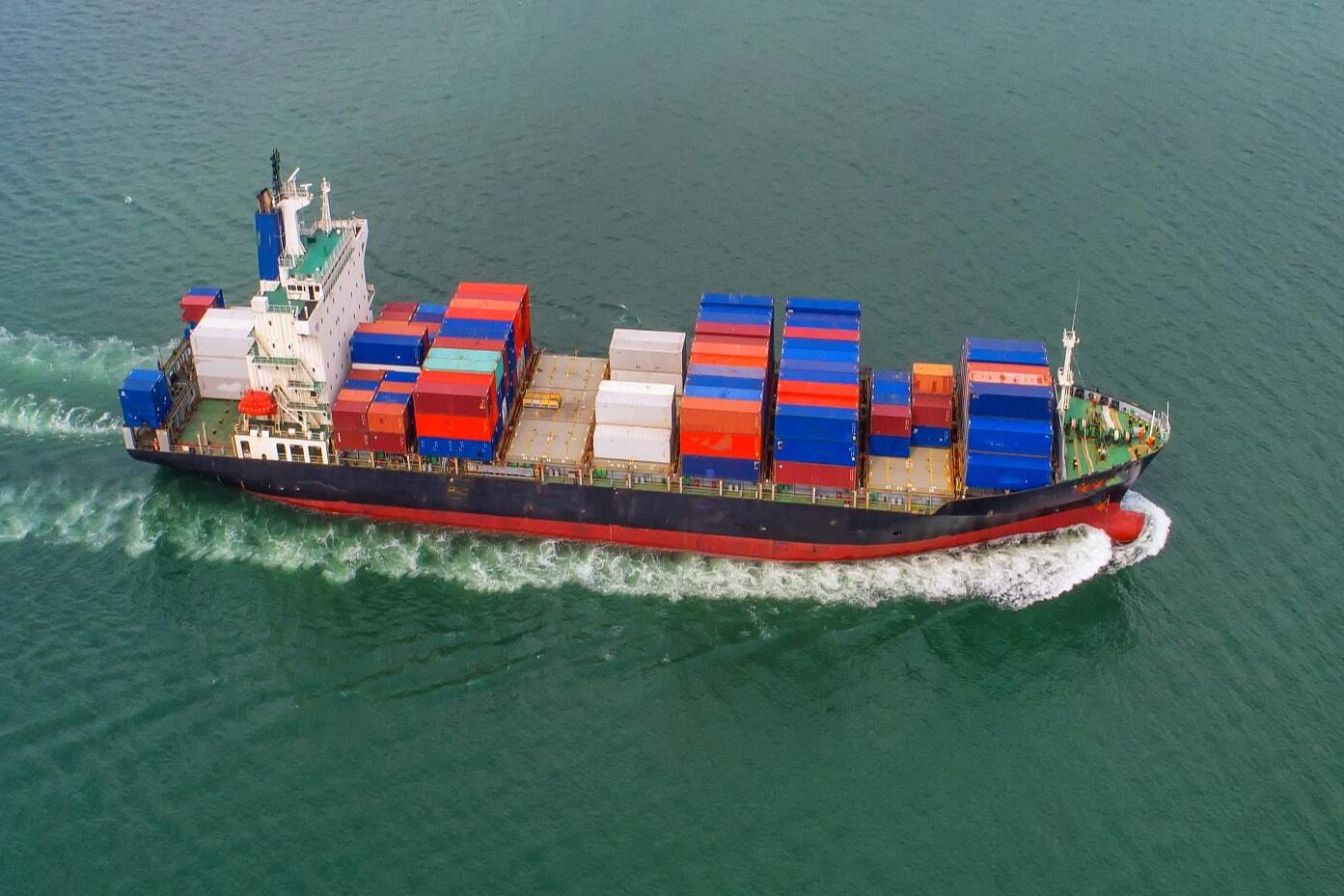
At the turn of spring and summer in 2026, multiple types of methanol dual fuel ships will be designed, started or delivered from Nantong to Shanghai, from Dalian to Zhoushan, covering major ship types such as ultra large container ships, bulk carriers, oil tankers, and automobile transport ships. Chinese shipyards have mastered the full chain capability from methanol fuel tank design to gas supply system integration, from dual fuel engine matching to whole ship construction.
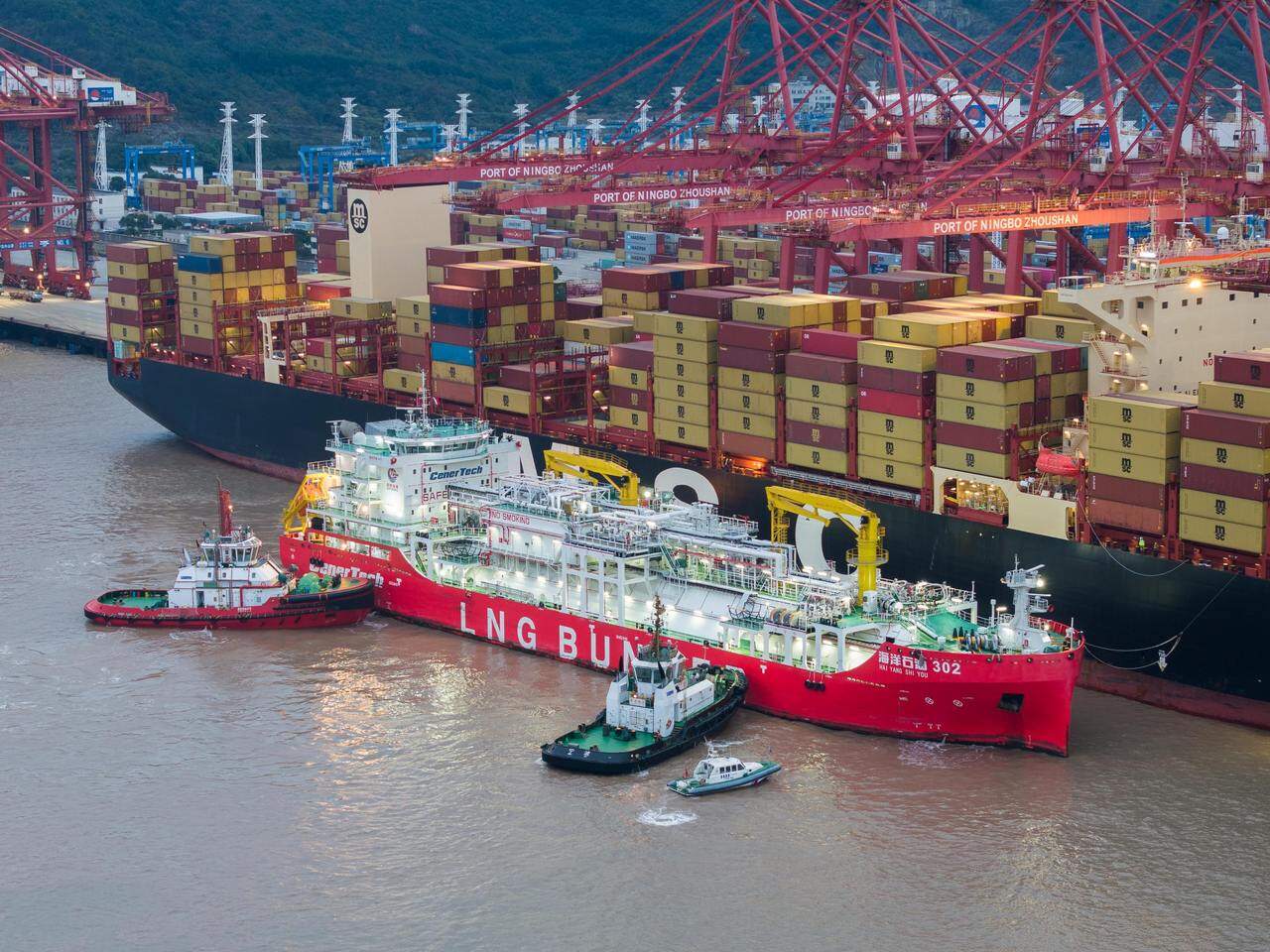
Methanol is the preferred green fuel
The shipping industry accounts for about 3% of global carbon emissions, and the International Maritime Organization requires achieving net zero emissions by 2050. Methanol stands out with three major advantages: it is easy to store and transport as a liquid at room temperature, and the cost of transformation is only one-third of that of liquefied natural gas; Green methanol can reduce carbon emissions by over 85% throughout its entire lifecycle; More than 120 ports worldwide have methanol refueling capabilities. The Chinese shipbuilding industry has keenly captured this trend and identified methanol dual fuel as the main direction for green transformation. The concentrated achievements of this project include the naming of the world's largest methanol dual fuel container ship, the commencement of the first methanol dual fuel ultra large oil tanker, and the delivery of the methanol dual fuel Cape type bulk carrier.
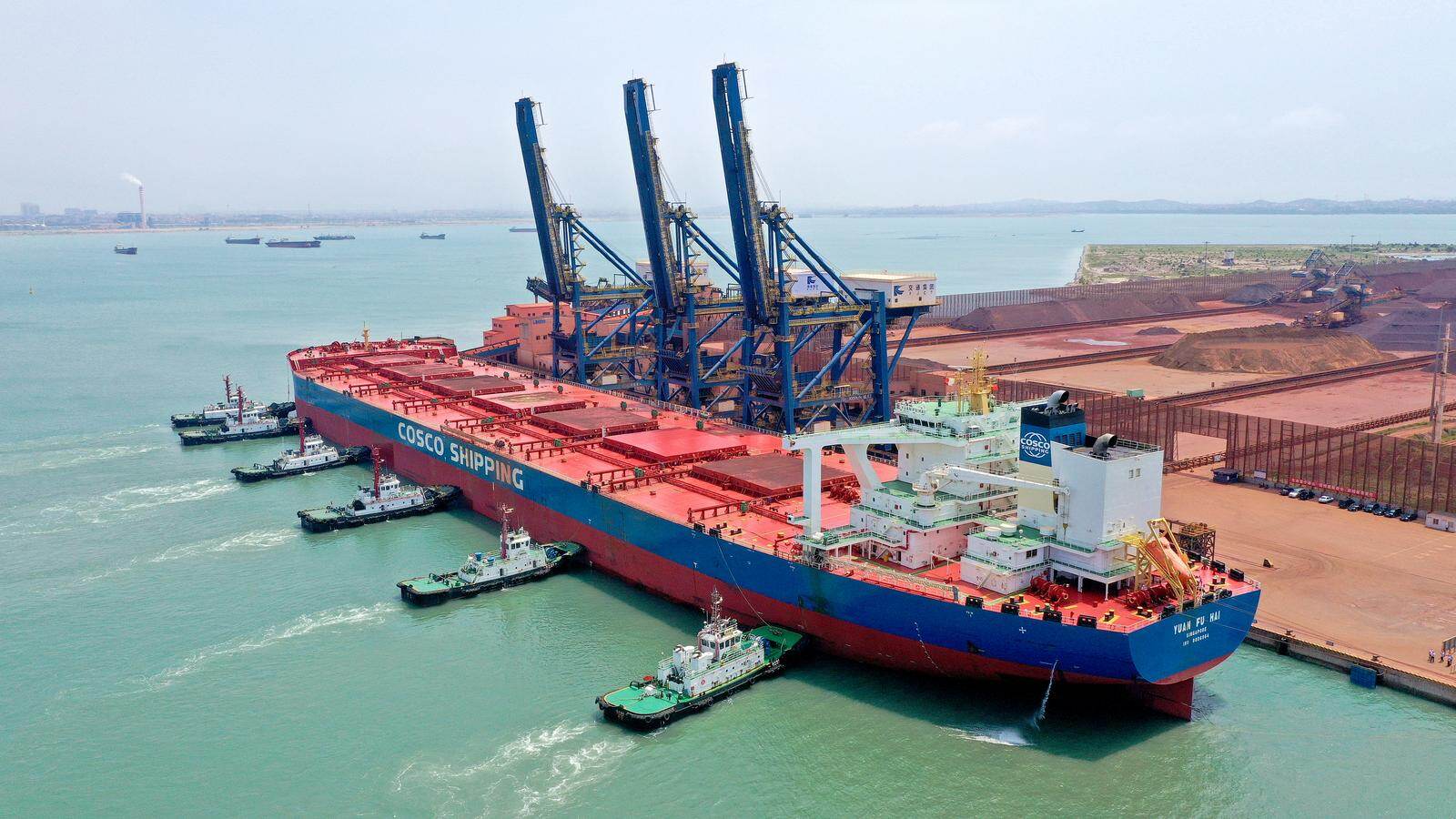
Domestic engines make up for shortcomings
The core of methanol dual fuel ships lies in the main engine. In the past, domestic marine methanol engines were highly dependent on foreign authorization, but now this situation is changing. The 320mm cylinder diameter methanol dual fuel medium speed engine independently developed by CSSC Power and the low-speed engine of Hudong Heavy Machinery have been approved by the classification society, with power ranging from 5000 to 50000 horsepower. After the localization of methanol fuel supply system, the cost is reduced by more than 30% compared to imports. China Classification Society has released inspection guidelines, and domestic shipyards have formed standardized safety design schemes with safety reaching international advanced levels. From container ships to bulk carriers to oil tankers, the three main ship types have made comprehensive breakthroughs, and China's methanol dual fuel ship order market share ranks first in the world. Keywords: Strategic News Network, Ship, Green Fuel
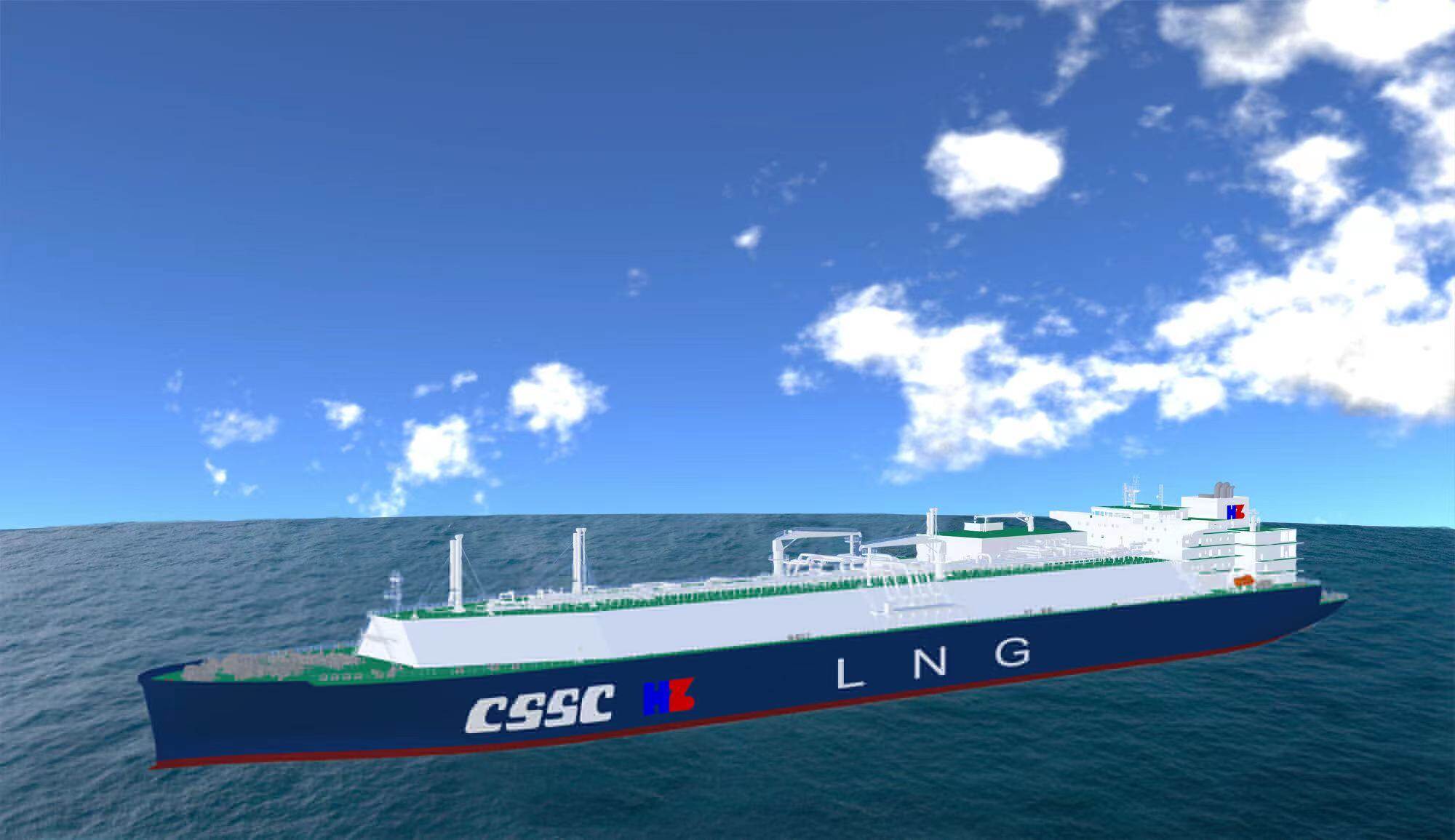
The comprehensive rise of industrial supporting facilities
The competitiveness of the shipbuilding industry not only depends on the entire ship, but also on the supporting chain. In the field of methanol dual fuel, China is forming a complete ecosystem: engines, gas supply systems, methanol storage tanks, and control systems all have domestically produced brands shipped in bulk. The coordinated breakthrough of whole ship and supporting facilities has reduced the comprehensive cost of shipbuilding in China by 10% to 15% compared to Japan and South Korea. Since 2026, Chinese shipyards have signed over 50 new orders for methanol dual fuel ships, with European shipping companies, Greek shipowners, and Japanese shipowners placing orders one after another. Although the global green methanol production capacity still needs to be broken through, the total production capacity of registered green methanol projects in China exceeds 20 million tons. The batch application of methanol dual fuel will directly apply the experience accumulated by Chinese shipyards to ammonia fuel and hydrogen fuel ships.Editor/Gao Xue
Comment



 Praise
 Collect
 Comment

 Share
Share


Write something~