 Search


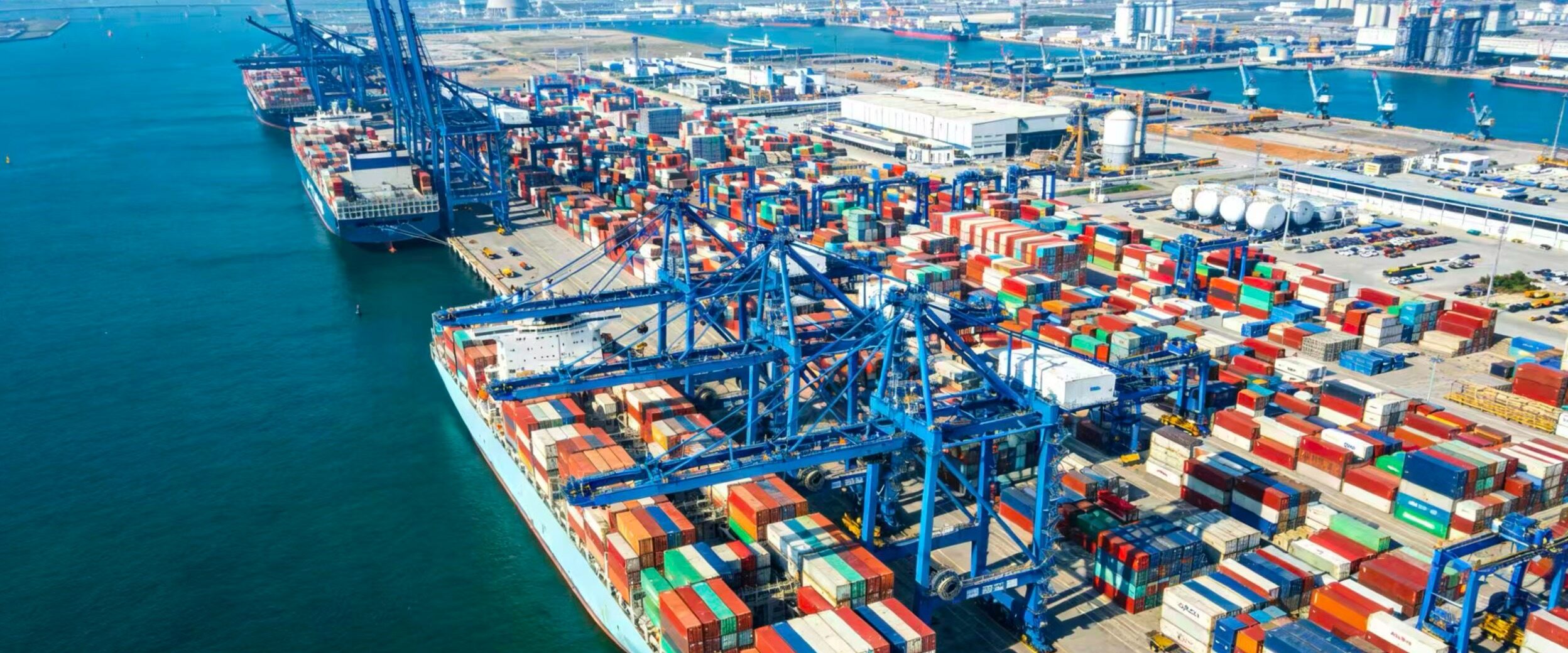
- Gaimei Port has confirmed the industry principle of "deep-water port=competitiveness" with data
- The port area, which used to be "hungry", is now constantly "full of cargo", becoming an important node for international shipping companies to layout in Southeast Asia
More than a decade ago, when the cold wave of the international financial crisis swept through the global shipping industry, the port of Gaimei located in the province of Ba Dinh Tau in Vietnam was just an unknown port area along the Mekong Delta. At that time, despite its natural location close to international shipping routes, its deep-water advantage had not been fully exploited, and the capacity utilization rate of the six operating container terminals was only maintained at around 15%, struggling to survive in the fierce competition of the Ho Chi Minh Port group. No one could have imagined that this once struggling port would now rise to become a core hub for the transportation of bulk cargo in Southeast Asia, serving as a "golden terminal" for the distribution of minerals, coal, and other goods.
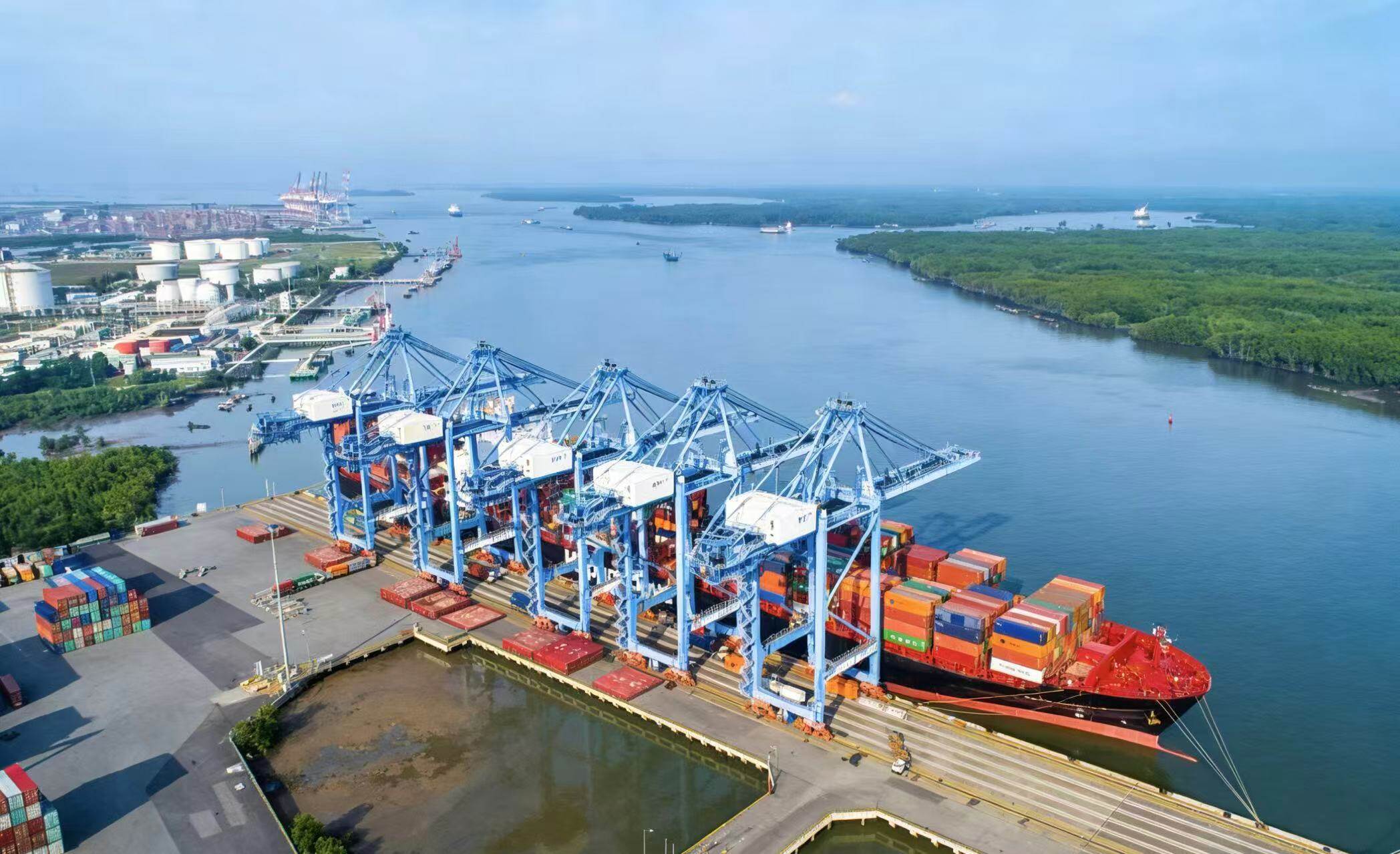
From 'not enough to eat' to 'full cargo'
The counterattack of Gaimei Port began with the ultimate exploration of the natural deep-water advantage. Unlike other port areas in Ho Chi Minh City that are limited by water depth and can only accommodate small and medium-sized ships, the natural water depth here can reach over 16 meters. After upgrading the navigation channel, the deepest depth has reached 15.5 meters, allowing for all-weather docking of ultra large ships with a load capacity of 160000 to 200000 tons without relying on tides. This core endowment makes Gaimei Port stand out in bulk cargo transportation - dry bulk cargo such as ore and coal often have large quantities and long transportation distances, and the berthing of ultra large ships can significantly reduce unit transportation costs. From a container throughput of 1.8 million TEUs in 2015 to a cargo throughput of over 152 million tons in 2024, accounting for 34% of Vietnam's total container throughput, the Port of Gai Mei has confirmed the industry principle of "deep-water port=competitiveness" with data. The port area, which used to be "not enough to eat", is now "full of cargo" all year round, becoming an important node for international shipping companies to layout in Southeast Asia.
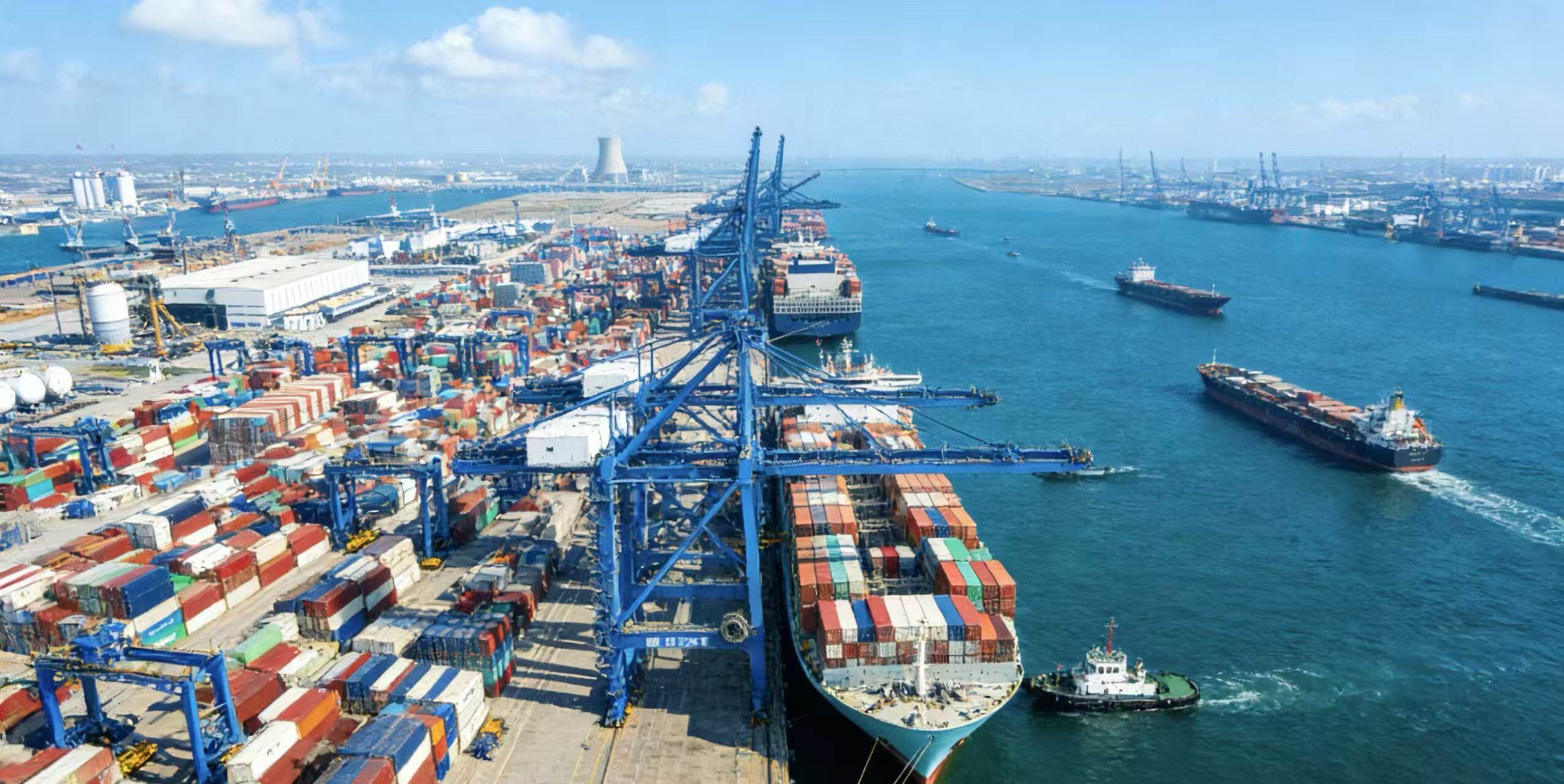
Creating a seamless chain from the dock to the workshop
If deep-water advantage is the "hard foundation" of Gaimei Port, then the deep linkage between industry and port is its "soft power" for sustainable development. Gaimei Port is adjacent to Ho Chi Minh City and core industrial zones in southern Vietnam, such as Pingyang and Tongna. Multinational companies such as Toyota and Samsung have set up production bases here, forming a port industrial cluster mainly focused on automobile manufacturing, electronic components, textiles and clothing. This "port+industry" linkage model enables seamless connection from the port to the workshop for bulk cargo transportation: iron ore from Australia and coal from Indonesia can be transported directly to Gaimei Port by ocean going cargo ships, and then quickly transported to surrounding steel mills and power plants through a well-established road and railway network; And the finished products in the industrial zone can be directly packed and shipped to major ports around the world through more than 30 international regular air routes. The landing of projects such as Sichuan Heguang Tongcheng Photovoltaic Technology's solar panel factory and BYD's electric bus assembly plant has further extended the service chain of Gaimei Port from raw material distribution to upstream manufacturing, becoming a logistics artery supporting Vietnam's industrialization process.
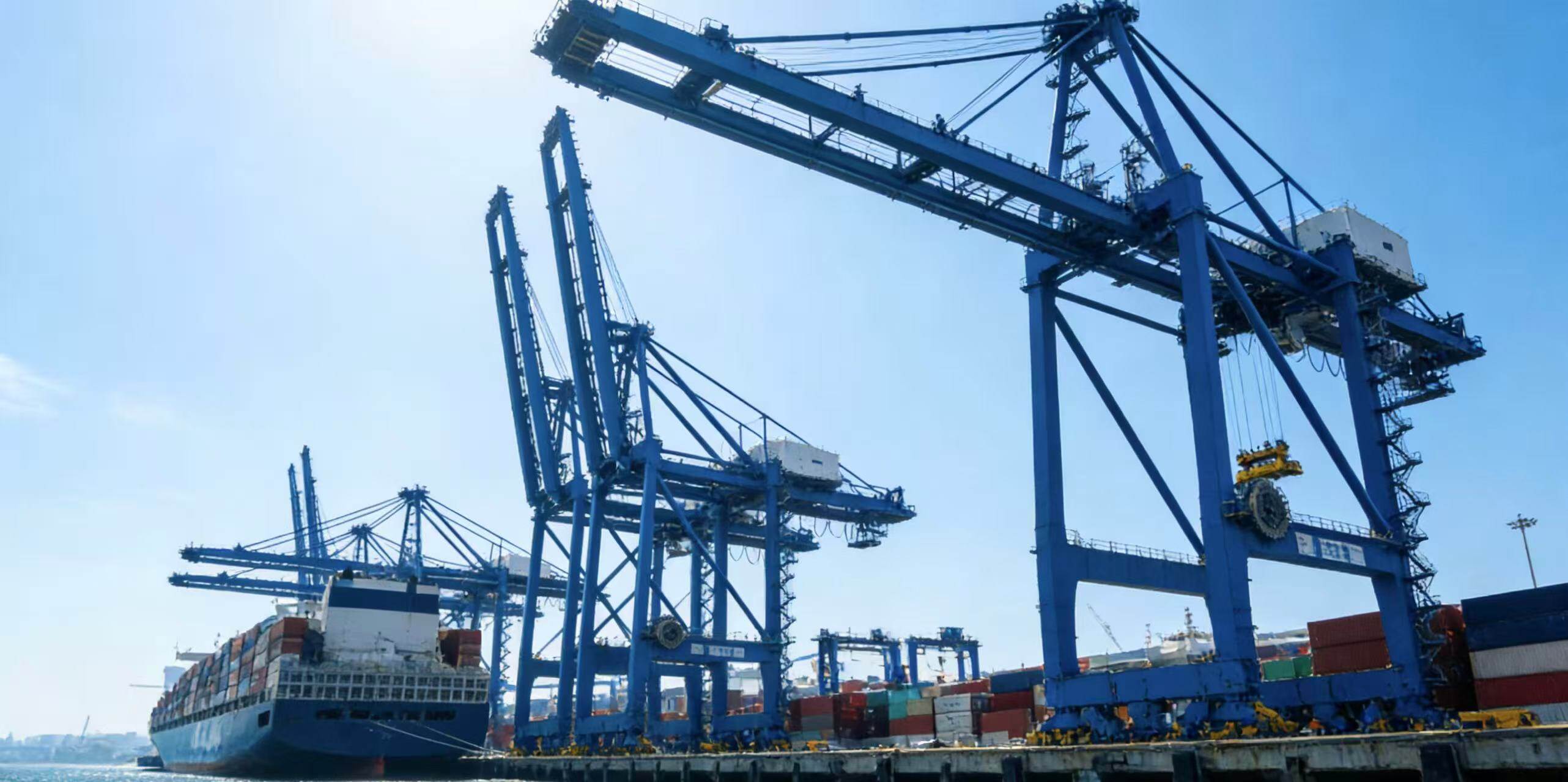
Nowadays, Gaimei Port has 8 deep-water terminals arranged in a row, with TCIT, CMIT, and Gemalink, the three core terminals each having their own advantages, forming a "three legged" operational pattern. After the second phase of Gemalink Port is put into operation, its annual throughput capacity can reach 2.4 million TEUs, and it can accommodate 20000 TEU class ultra large ships, becoming a benchmark for upgrading the port's production capacity. As the Vietnamese government promotes the upgrading of the "Gaimei Shiwei Deepwater Port Group" to an Asian level international transshipment port and plans to increase the proportion of international transshipment goods to 10% by 2030, this former "new luxury of deepwater ports" is steadily moving towards the goal of becoming a regional logistics hub.
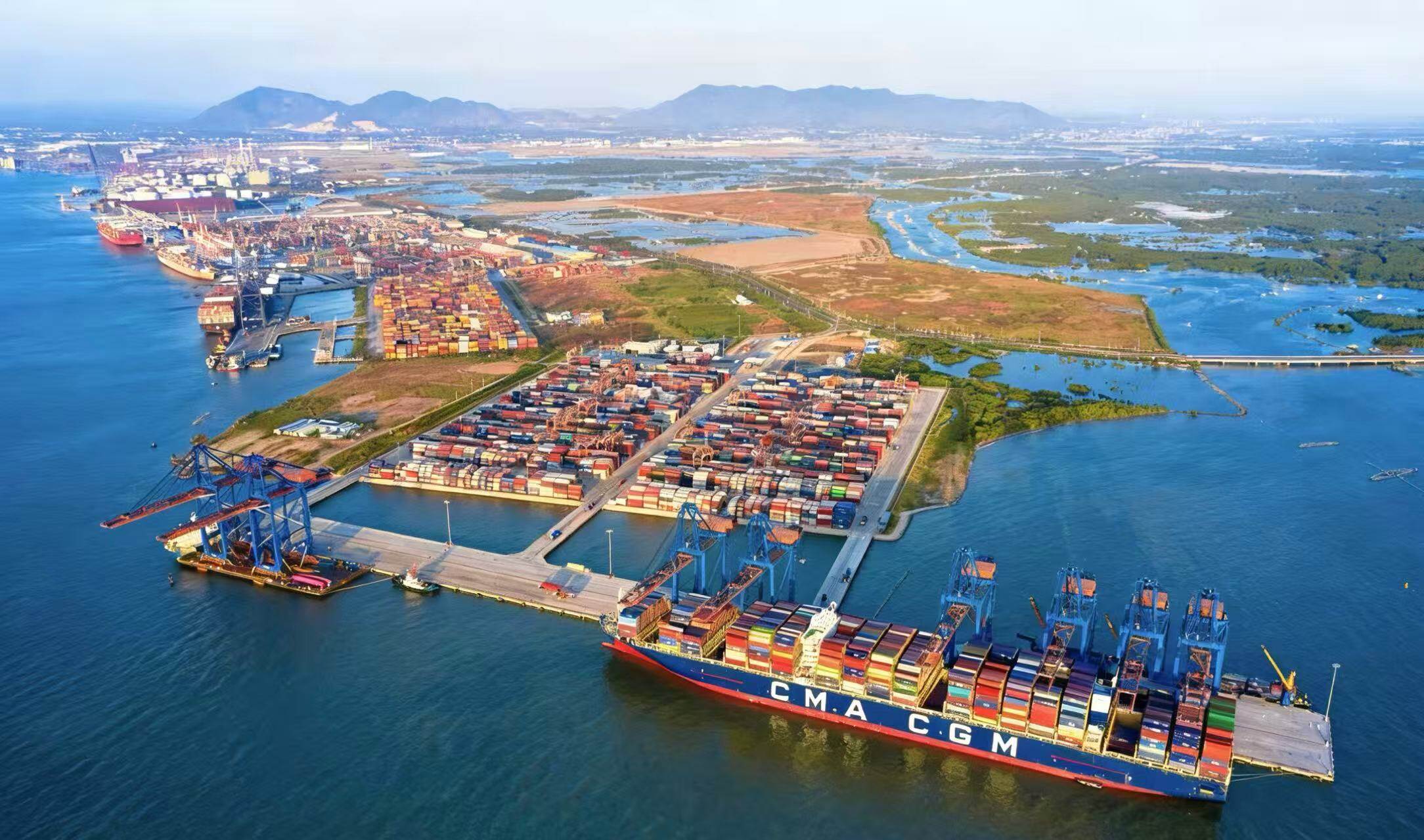
From its dormant state during the financial crisis to its thriving development today, the rise of the Port of Gaimei has not only reshaped Vietnam's port shipping landscape, but also become a powerful engine for the economic development of the Mekong Delta. Relying on its deep-water endowment, industrial linkage, and continuously upgraded infrastructure, this Vietnamese deep-water port's "bulk cargo home" is integrating into the global industrial chain with a more open attitude, injecting sustained momentum into Southeast Asian international trade.Editor/Bian Wenjun
Comment

 Praise
 Collect
 Comment

 Share
Share


Write something~