 Search


- The journey from Zagreb to Rijeka Port will no longer be long in the future
- Unlike in the past, the winning bidder will no longer be a simple party B, but will deeply participate in the project as an alliance partner, and even have the right to financial information and key decision-making power
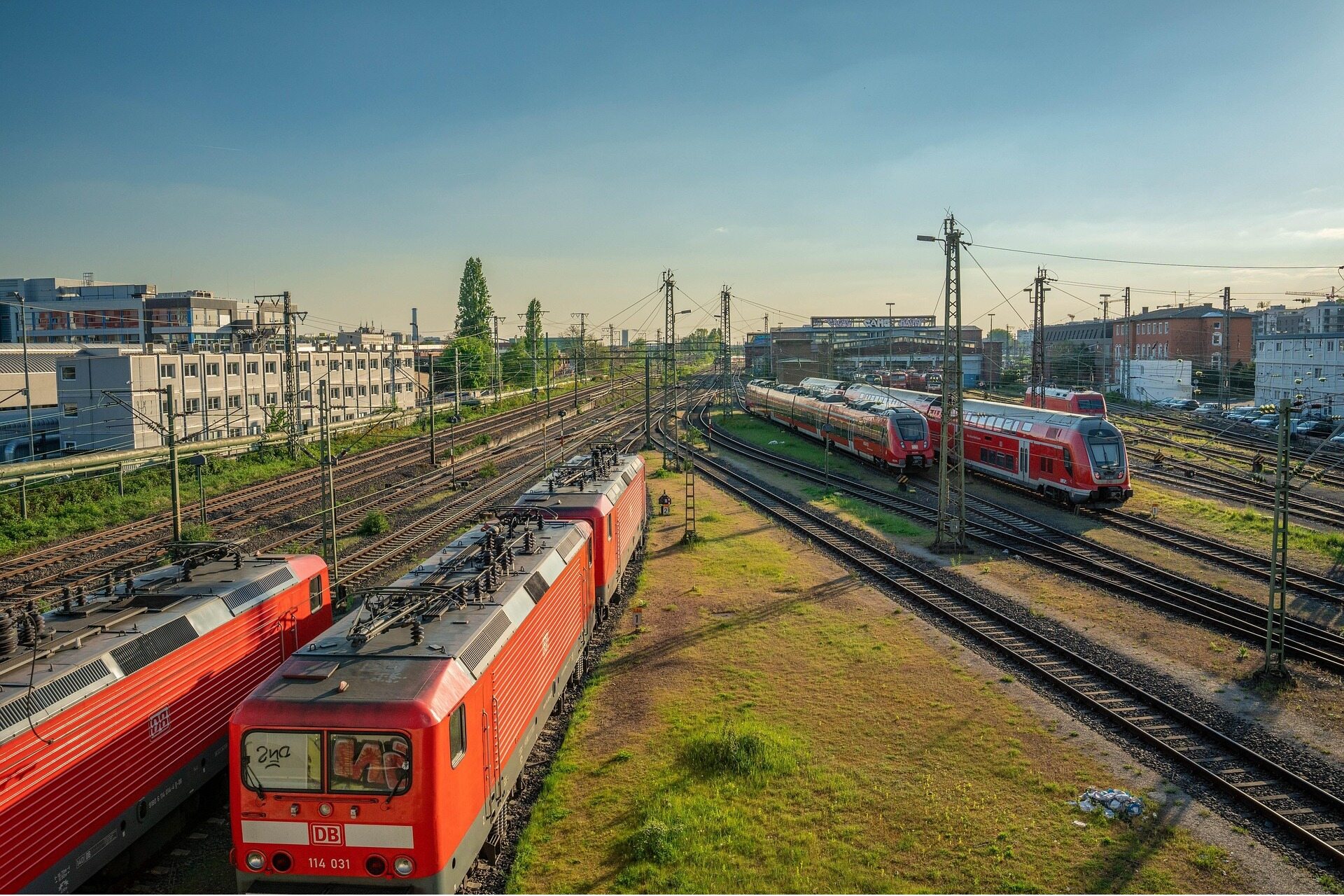
The Croatian Infrastructure Management Company is searching for key technical drivers for the most important railway project in the country's history - the Zagreb Rijeka Lowland Railway Project.
A consulting contract worth 1.5 million euros has entered the bidding countdown, with the deadline locked on March 31st. This is not just an ordinary bid, it marks the official entry of the "steel dragon" that connects the capital with the northern Adriatic Sea hub into a substantive stage of attack.
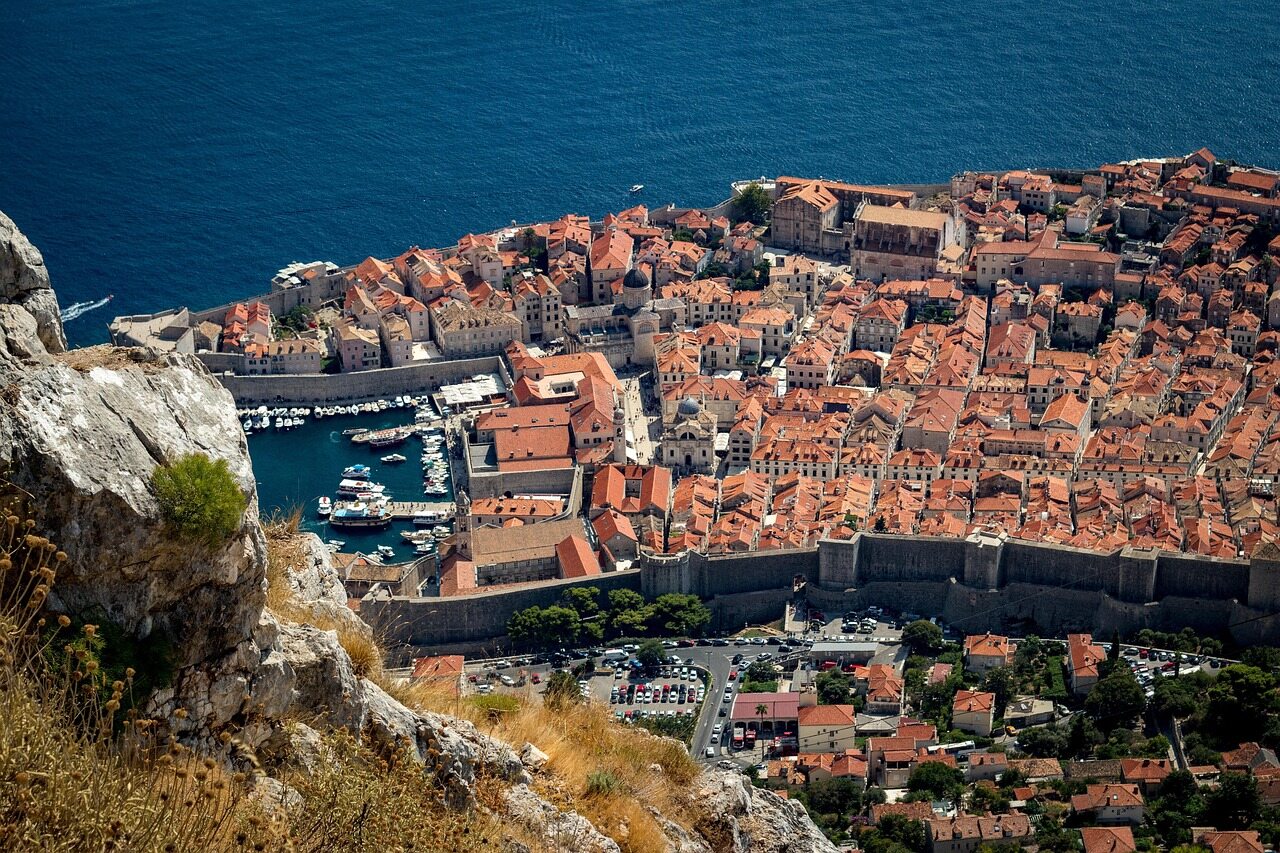
Crossing natural dangers, a geographical game of 174 kilometers
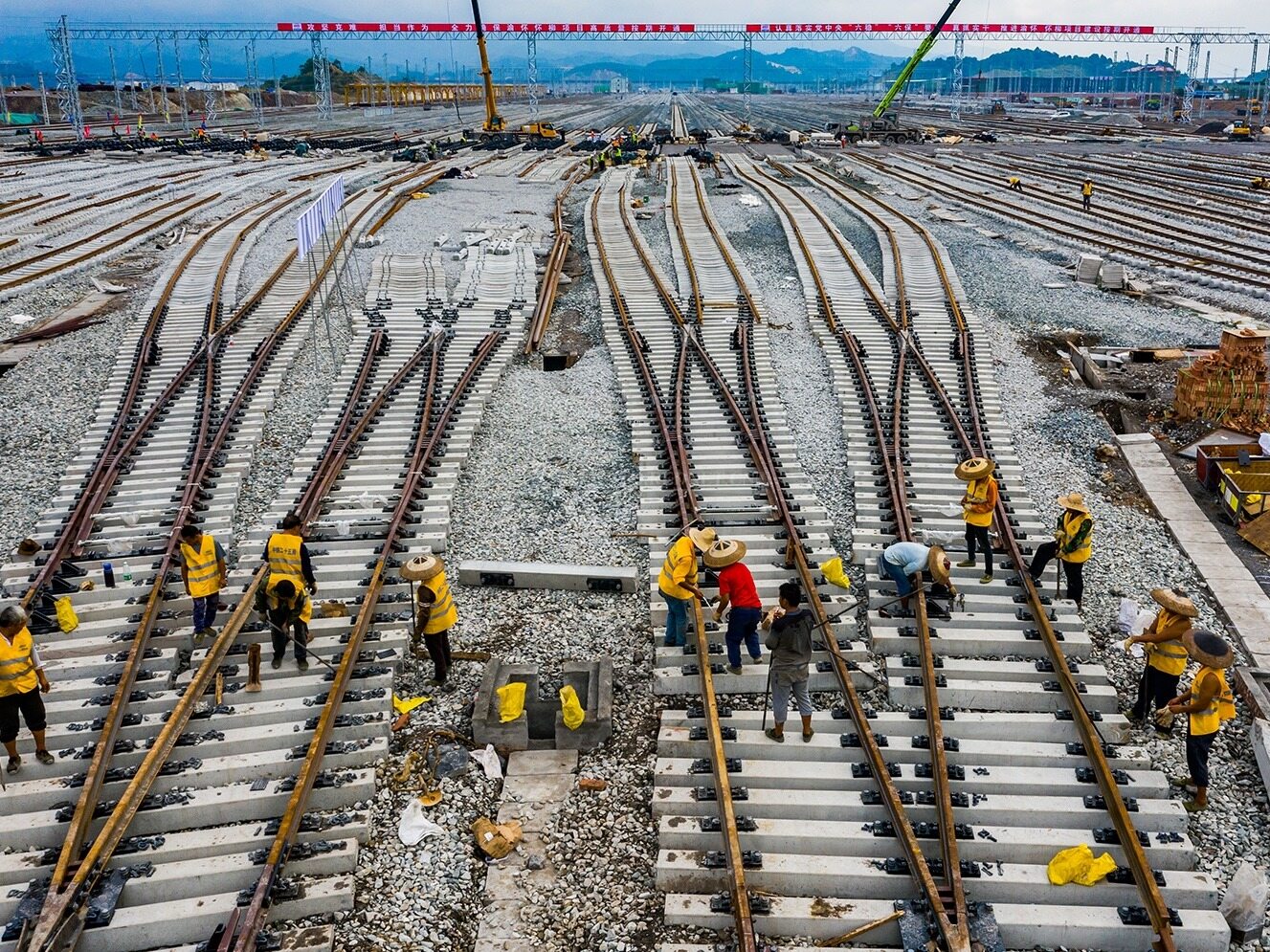
This new line, with a total length of 174.7 kilometers, is by no means a simple track laying project. It needs to tear open a hole in the complex karst landscape, directly connecting Zagreb and Rijeka Port.
According to the plan, the new line will be built as a double track electrified railway with a designed speed of up to 160 kilometers per hour. In order to tame the steep terrain along the way, the engineering list is astonishing: 17 elevated bridges need to be erected, 14 tunnels need to be excavated, and 6 modern stations need to be built between Karlovac and Tiani.
More strategically ambitious, the route has specially set up a detour that can accommodate 750 meter long freight trains. Once completed, it will not only be the national artery of Croatia, but also a core part of the TEN-T corridor - connecting the central European hinterland such as Hungary to the north and the Mediterranean and Western Balkans to the south, truly turning Rijeka Port into a strategic pivot for deep-sea logistics.
The data doesn't lie: the new line will shorten the railway distance between Zagreb and Rijeka by 56 kilometers, completely rewriting the current logistics landscape.
Croatia's first attempt at alliance mode
Unlike the traditional design bidding construction model, HZ Infrastructure has launched its killer move this time - the alliance model.
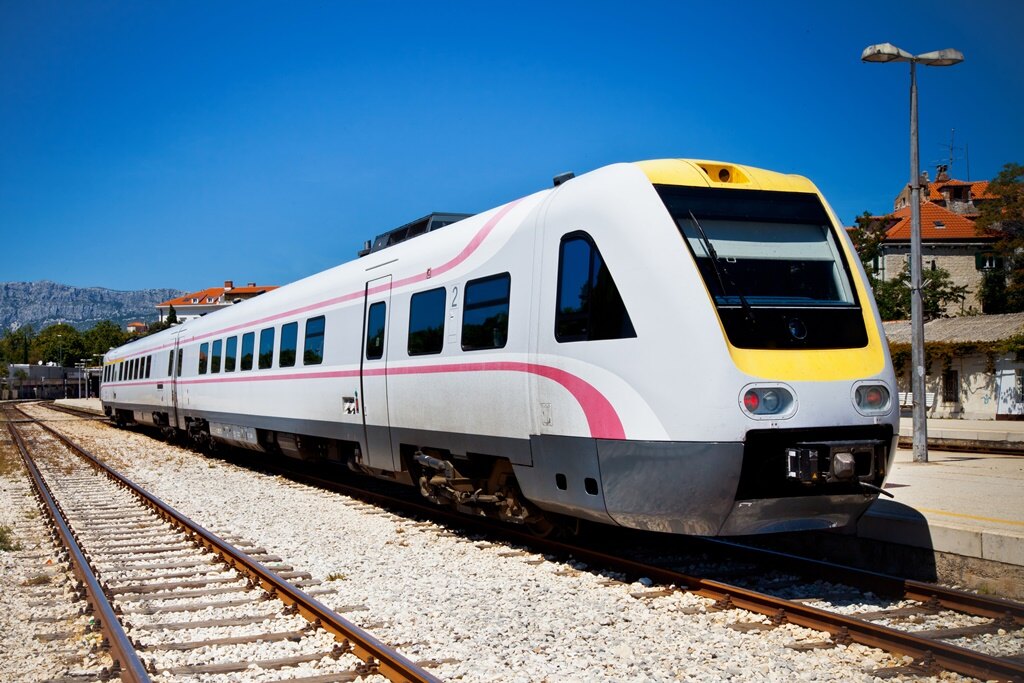
This is the first time that this mechanism has been introduced in the infrastructure sector of Croatia. In this mode, the owner and contractor are no longer opposing parties, but form a single comprehensive team.
Risk sharing: Both parties jointly manage project risks, rather than transferring them through claims;
Transparent decision-making: adopting a public accounting model, with complete financial transparency;
Consensus: Key decisions require unanimous approval from both parties to ensure that each choice serves the overall interests of the project, rather than individual self-interest;
Internalization of disputes: Conflicts are prioritized for resolution within the project, and legal litigation is only used as a last resort in special circumstances.
This highly collaborative mechanism aims to deliver this extremely complex infrastructure masterpiece in the most efficient way possible.
Section focus and future timeline
The technical assistance contract for this bidding mainly focuses on the two most difficult sections of the route:
Karlovac Skradnik section (39.1 kilometers)
Skradenik Tiani section (72.2 kilometers)
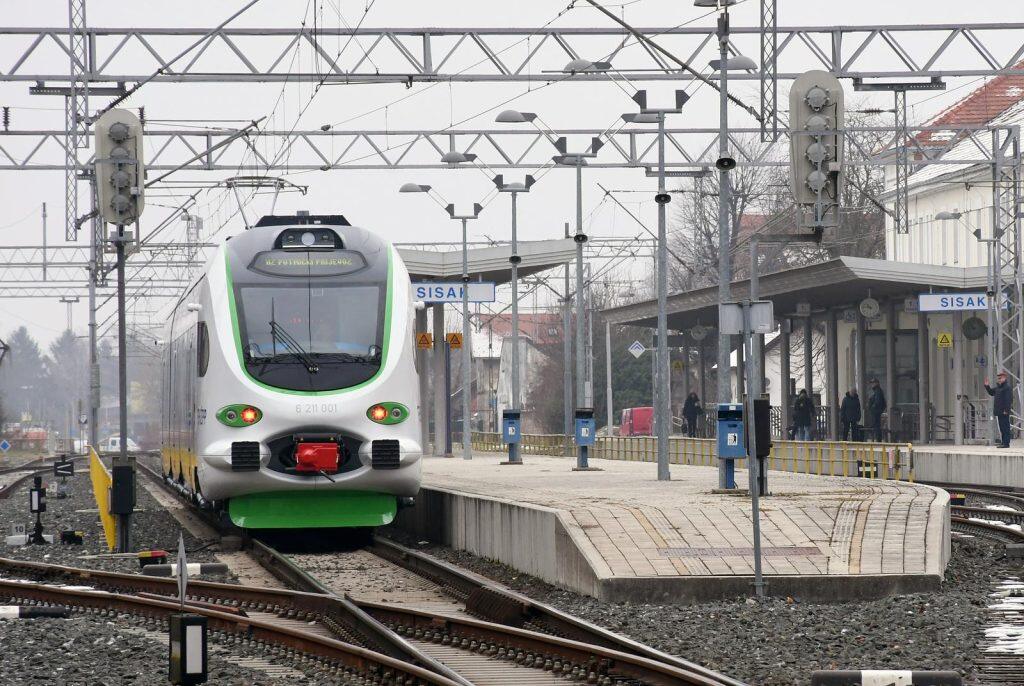
The winning bidder not only needs to assist in drafting the design and construction contracts for these two sections, but also provide final consulting services during the implementation phase. Currently, these two sections are in the conceptual design stage. HZ Infrastructure revealed that if the Ministry of Environmental Protection and Green Transformation approves the project as scheduled in 2025, the planning permit is expected to be implemented before the end of this year.
A grand puzzle worth 3 billion euros
The overall picture of the Low Earth Railway goes far beyond this. In addition to the two core sections mentioned above, the project also includes:
Zagreb Leskovac, Croatia (10.7 kilometers)
Leskovac Karlovac, Croatia (44 kilometers)
Tiani Rijeka (8.7 kilometers)
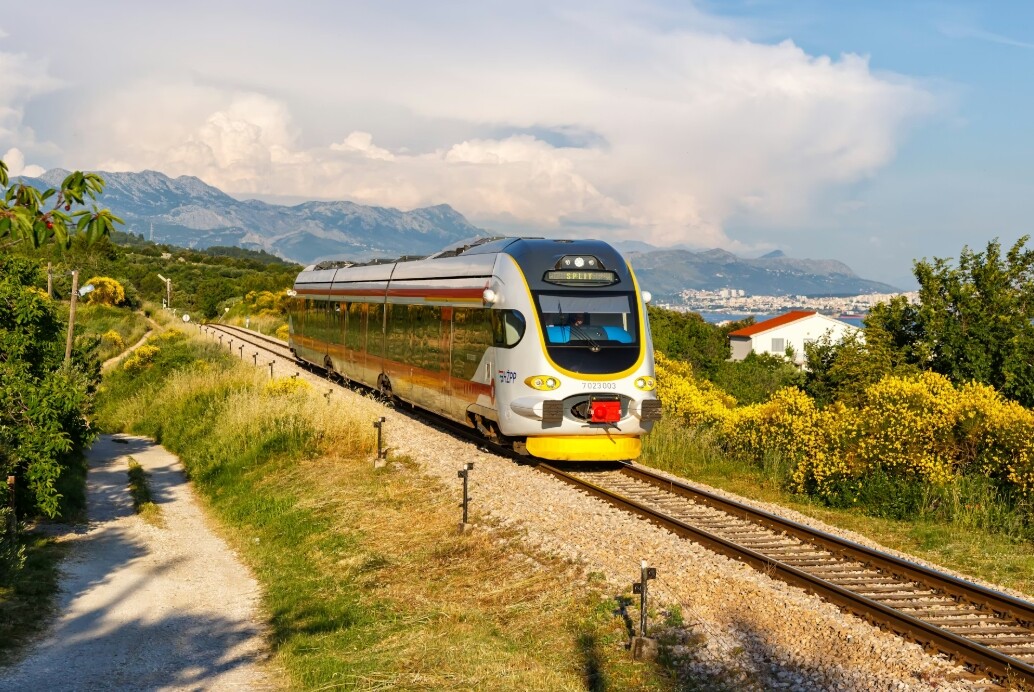
Where does the money come from? HZ Infrastructure estimates that the total cost of the new line from Zagreb to Rijeka is approximately 3 billion euros. Of course, this is only a preliminary estimate, and a more accurate cost and completion schedule will depend on the market bidding price after the conceptual design is completed. Keywords: international news, infrastructure, railway transportation
For global infrastructure giants, this is not only a 3 billion euro ticket, but also an excellent stage to validate the alliance model and complex mountain railway construction capabilities in the heart of Europe.Editor/Cheng Liting
Comment

 Praise
 Collect
 Comment

 Share
Share


Write something~