 Search


- Renovate the existing production line to accommodate the natural gas processing requirements of the Scarborough Gas Field
- The mooring cable fixing work for the device has commenced, and the team is fully committed to advancing the subsequent connection and debugging
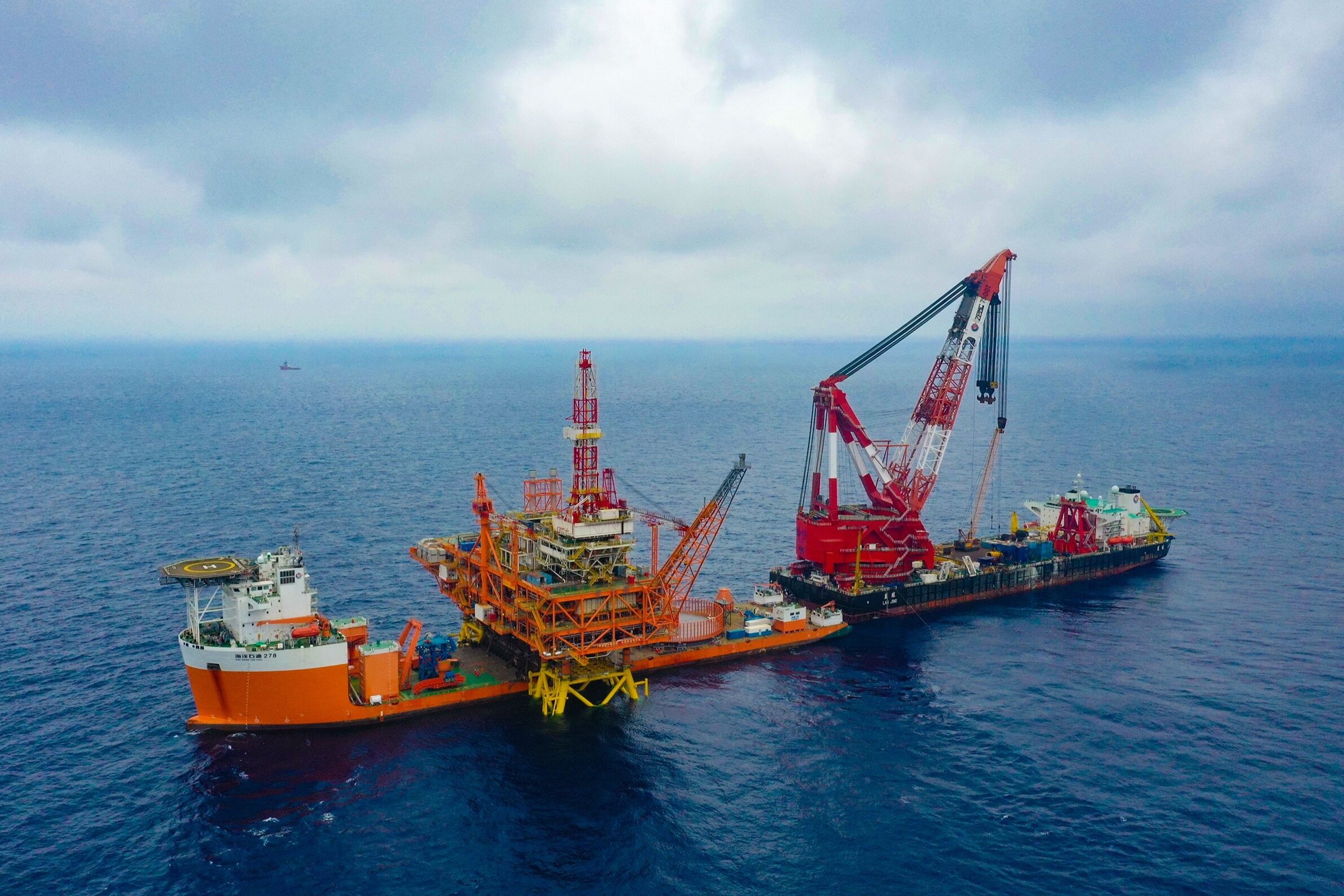
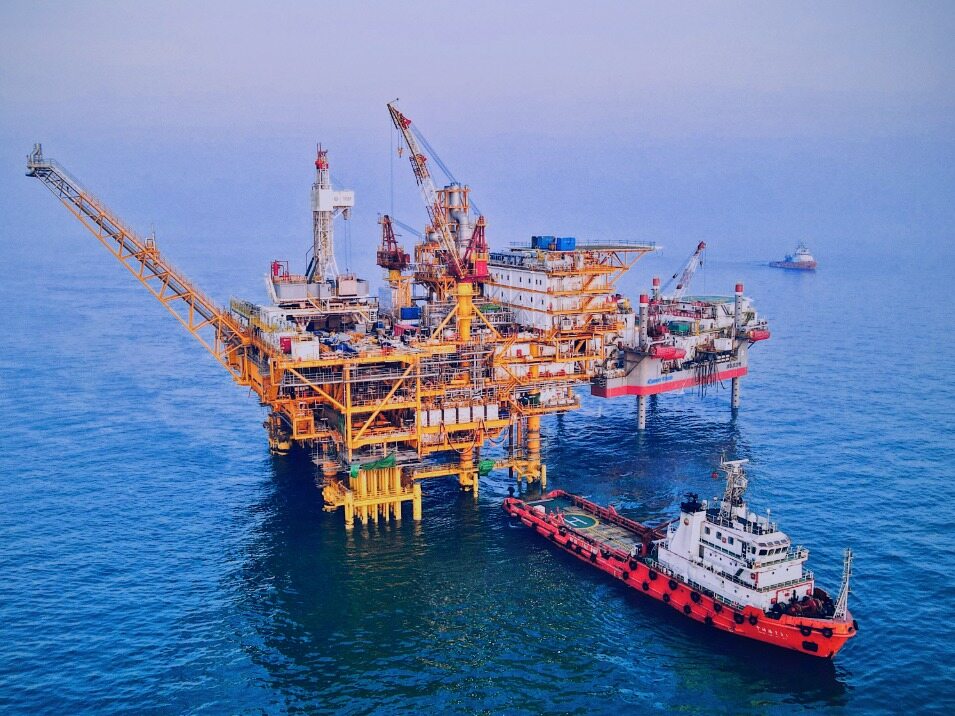
On January 15, 2026, Australian energy giant Woodside announced that the Scarborough natural gas project, with a total investment of $12.5 billion, had made crucial progress. The core equipment, the Floating Production Unit (FPU), had successfully arrived at the gas field operation area off the coast of Western Australia from China after more than 4,000 nautical miles of transoceanic transportation. This semi-submersible facility, weighing 70,000 tons, is one of the largest of its kind globally, and its safe placement is regarded as a "milestone event" in the project's development.

As the core of the upstream development of the Scarborough Gas Field, this FPU is equipped with an advanced emission reduction system and primarily undertakes natural gas processing and compression tasks. The processed natural gas will be transported to the onshore liquefaction plant via the subsea trunk pipeline. It is worth mentioning that the unit also has reserved expansion space, which can be used to connect with the development of surrounding gas fields in the future, providing elastic support for the long-term operation of the project. Currently, the mooring cable fixing work for the unit has been initiated, and the team is fully committed to advancing subsequent connection and commissioning, striving to achieve the goal of exporting the first batch of liquefied natural gas in the second half of 2026.
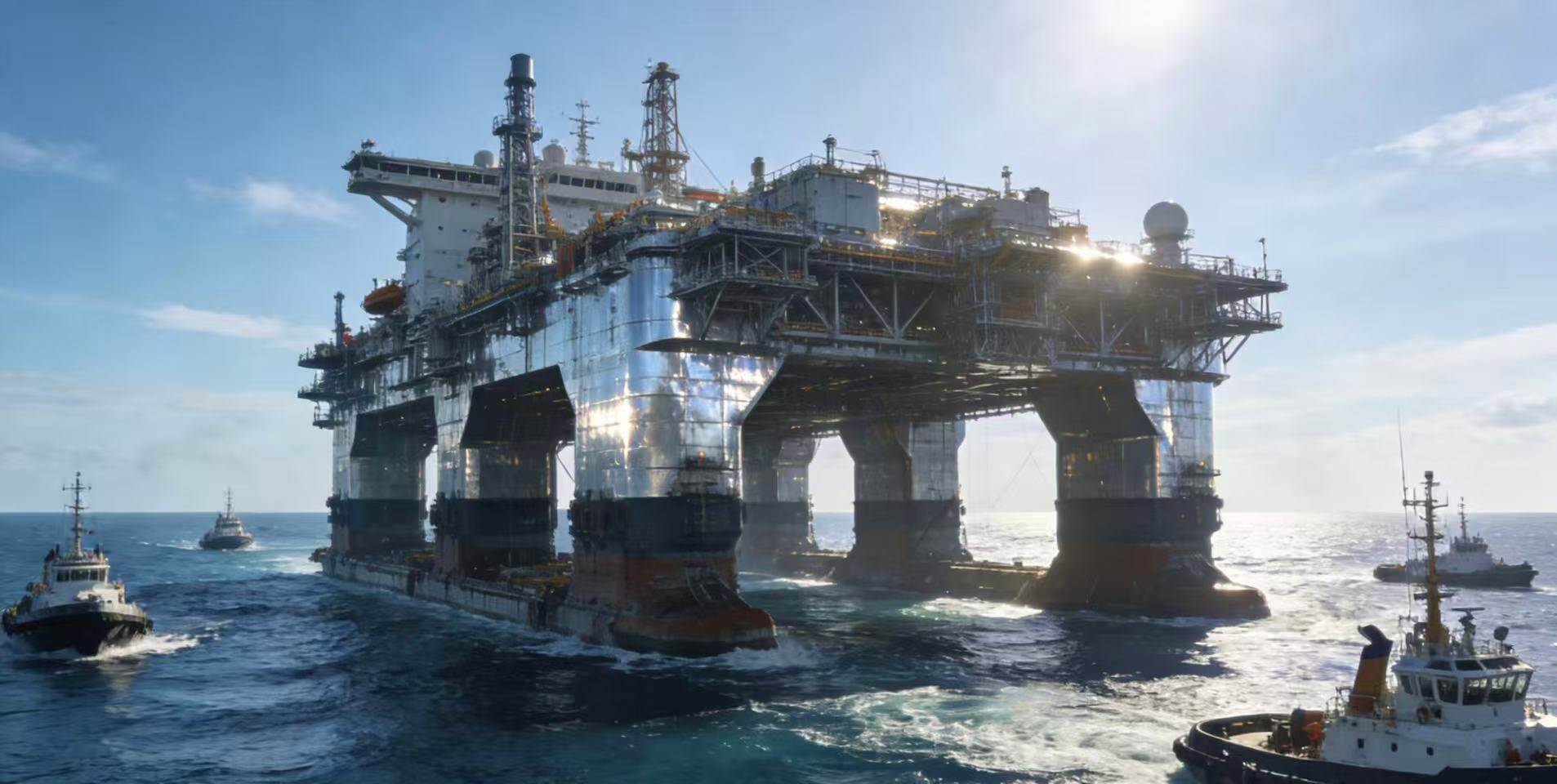
The Scarborough Gas Field is located in the Carnarvon Basin, 375 kilometers off the coast of Karatha. The development project comprises two major components: the construction of offshore facilities and the expansion of the onshore liquefaction plant. For the offshore part, besides the deployment of the FPU, eight production wells will be drilled in the initial stage, with a total of 13 wells planned to be drilled throughout the entire life cycle. Onshore, relying on the existing Pluto LNG plant, a second liquefaction train (Pluto Train 2) will be built, and the existing production line will be modified to accommodate the natural gas processing needs of the Scarborough Gas Field.
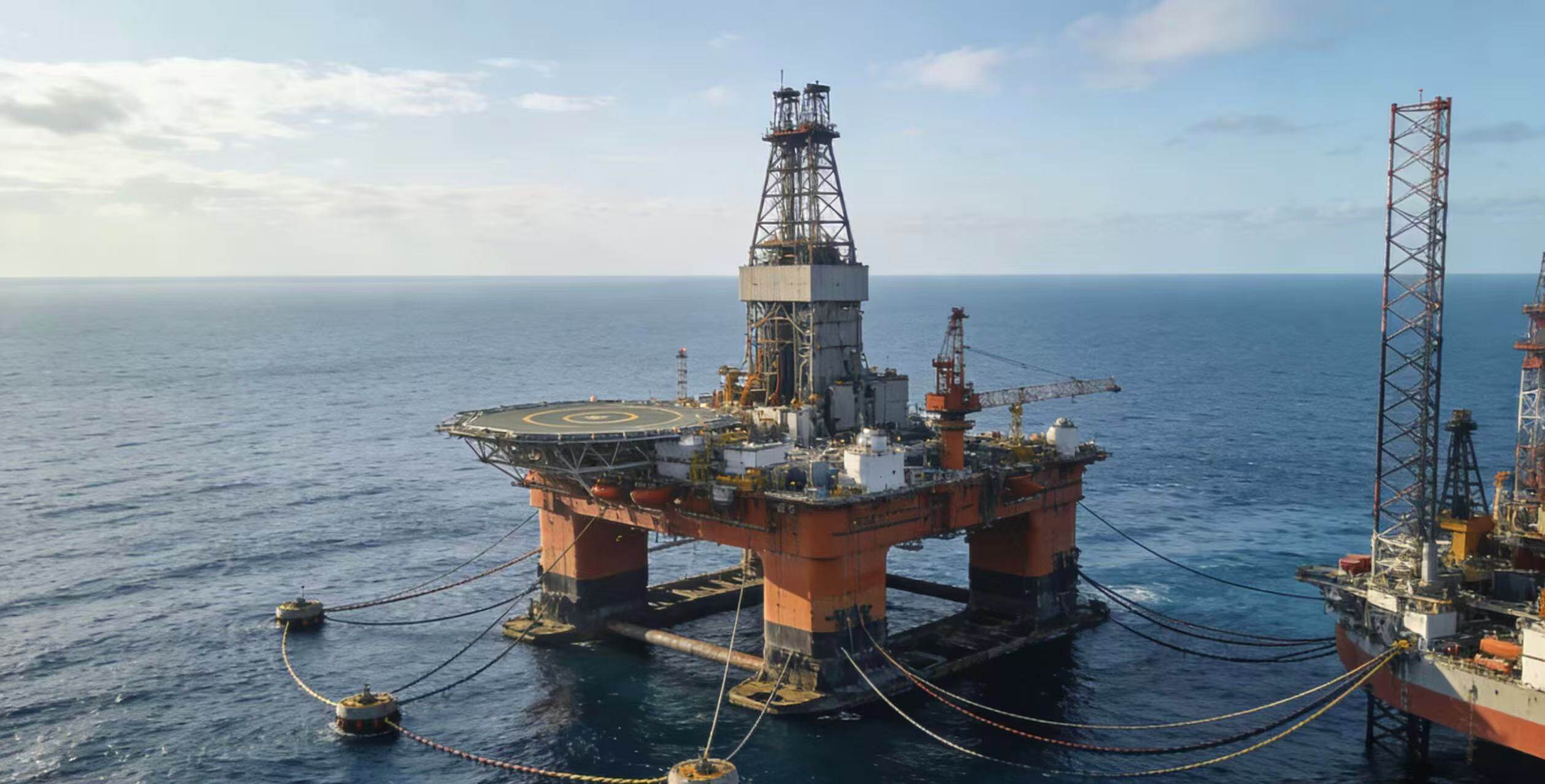
According to the plan, the production capacity of the Pluto factory will increase significantly after its expansion. The newly built production line will have an annual production capacity of 5 million tons, while the existing production line will maintain an annual production capacity of 3 million tons. The dual-line operation can meet the continuously growing demand for clean energy in the Asia-Pacific region. The entire project is expected to bring more than AUD 55 billion (approximately USD 36.9 billion) in direct and indirect tax revenue to Australia, while creating a large number of jobs and facilitating the upgrading of the energy industry in Western Australia.
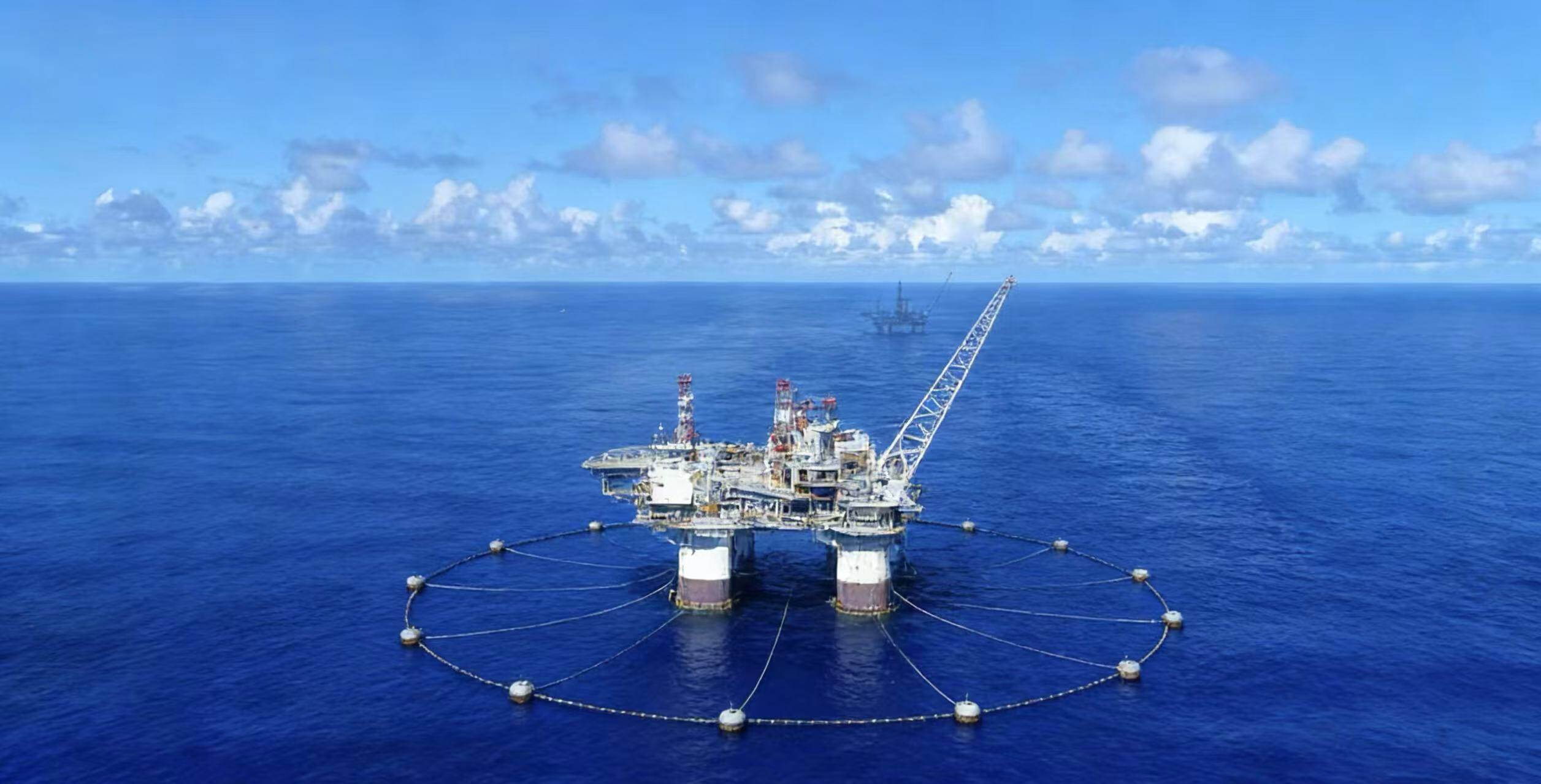
In terms of equity structure, Woodside holds 74.9% of the Scarborough joint venture and serves as the operator, while Japan's JERA and LNG Japan hold 15.1% and 10% of the shares respectively. In the Pluto project, Woodside holds 51% and 90% of Train 2 and Train 1 respectively. The overall completion progress of the current project has exceeded 91%. Liz Westcott, acting CEO of Woodside, stated that the smooth delivery of FPU demonstrates the strength of multinational team collaboration and lays a solid foundation for the project to be put into operation as scheduled.Editor/Bian Wenjun
Comment


 Praise
 Collect
 Comment

 Share
Share


Write something~