 Search


- This bidding attracted several international rail transit giants to participate in the competition
- It will inject new momentum into the cooperation between China and Chile in rail transit, and accumulate more practical experience for China's high-end equipment and technical standards to "go global"
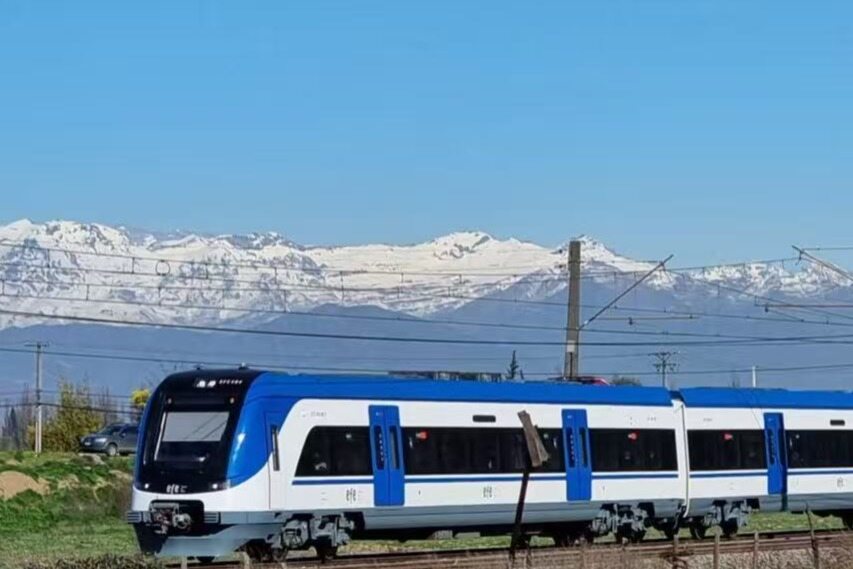
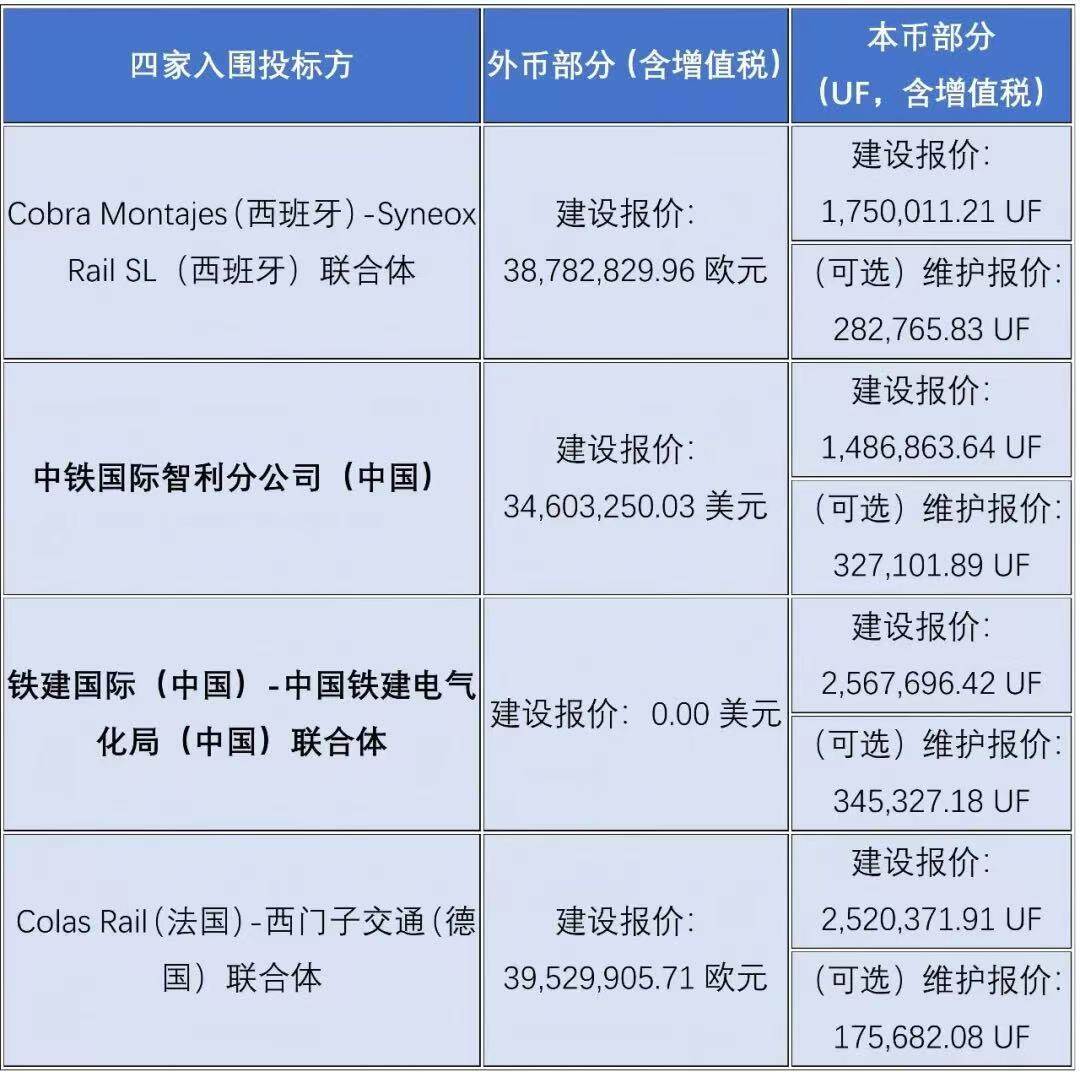
On January 13, 2026, the Empresa Ferroviaria Nacional de Chile (EFE) officially announced that China Railway International Chile Branch had successfully won the bid for the two major intercity railway power and traction system projects, namely the Alameda-Melipia (TAM) and Santiago-Barbutco (TSB) projects. The total contract amount covers 1.4869 million Chilean development units (local services) and 34.6033 million US dollars (imported equipment, both including taxes). The total project duration is 1,825 days. This bid win marks the recognition of China's rail transit electrical technology in the high-end market of Latin America, while the China Railway Construction International-China Railway Construction Electrification Bureau consortium unfortunately lost out in the fierce competition.
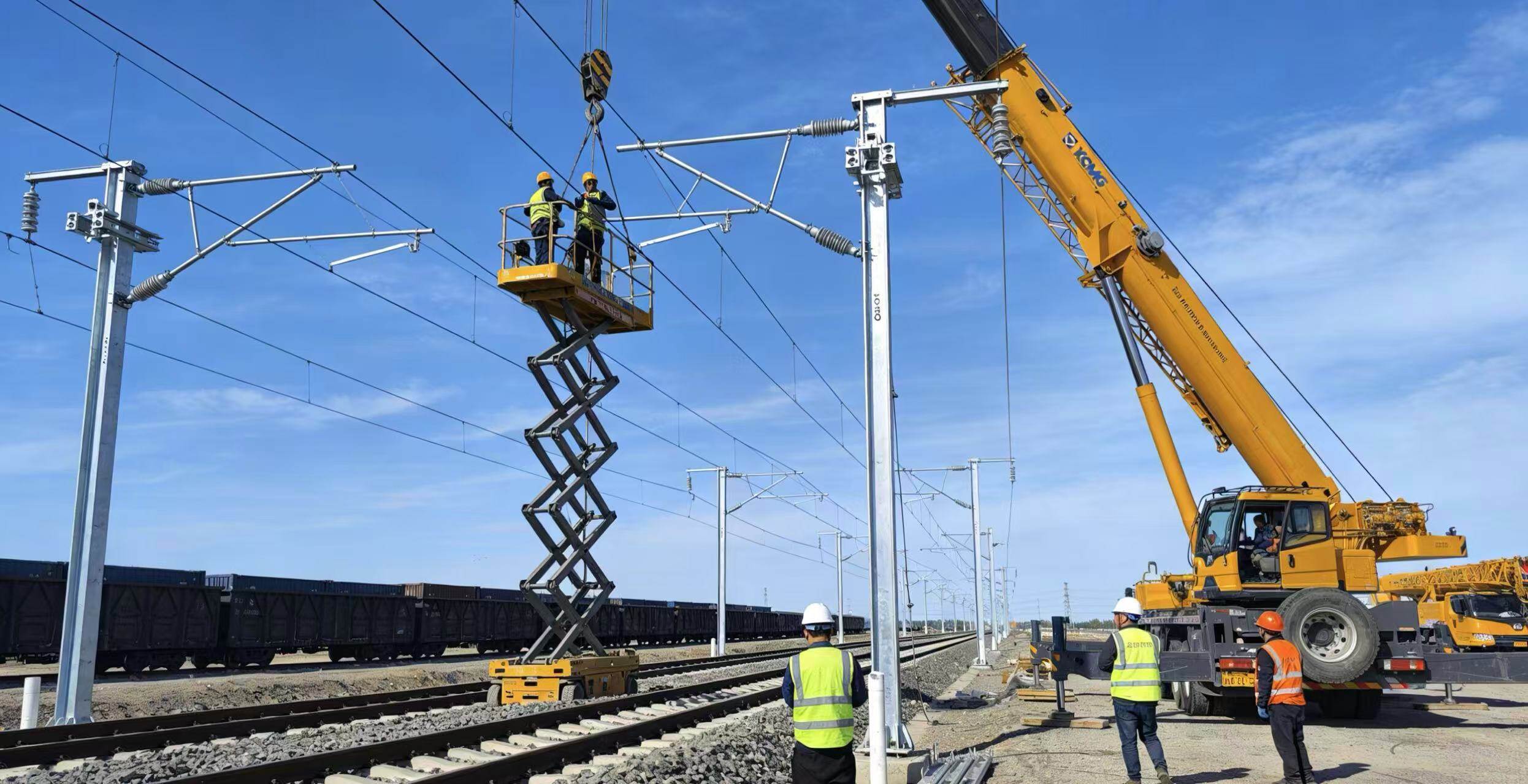
As the "power heart" of two intercity railways, the project awarded this time covers the full lifecycle services of power and traction systems, including system engineering design, core equipment supply, on-site construction and installation, full-process testing and debugging, and final operation guarantee. It will provide crucial support for the lines to achieve 100% electrified operation. The system design strictly follows Chilean rail transit technical standards, with "safety redundancy, continuous power supply, and intelligent control" as the core principles. After drawing power from strategic nodes of the Chilean national power grid, it provides stable and reliable power supply for train traction, station operations, and facilities along the line through professional voltage transformation and conversion technology.
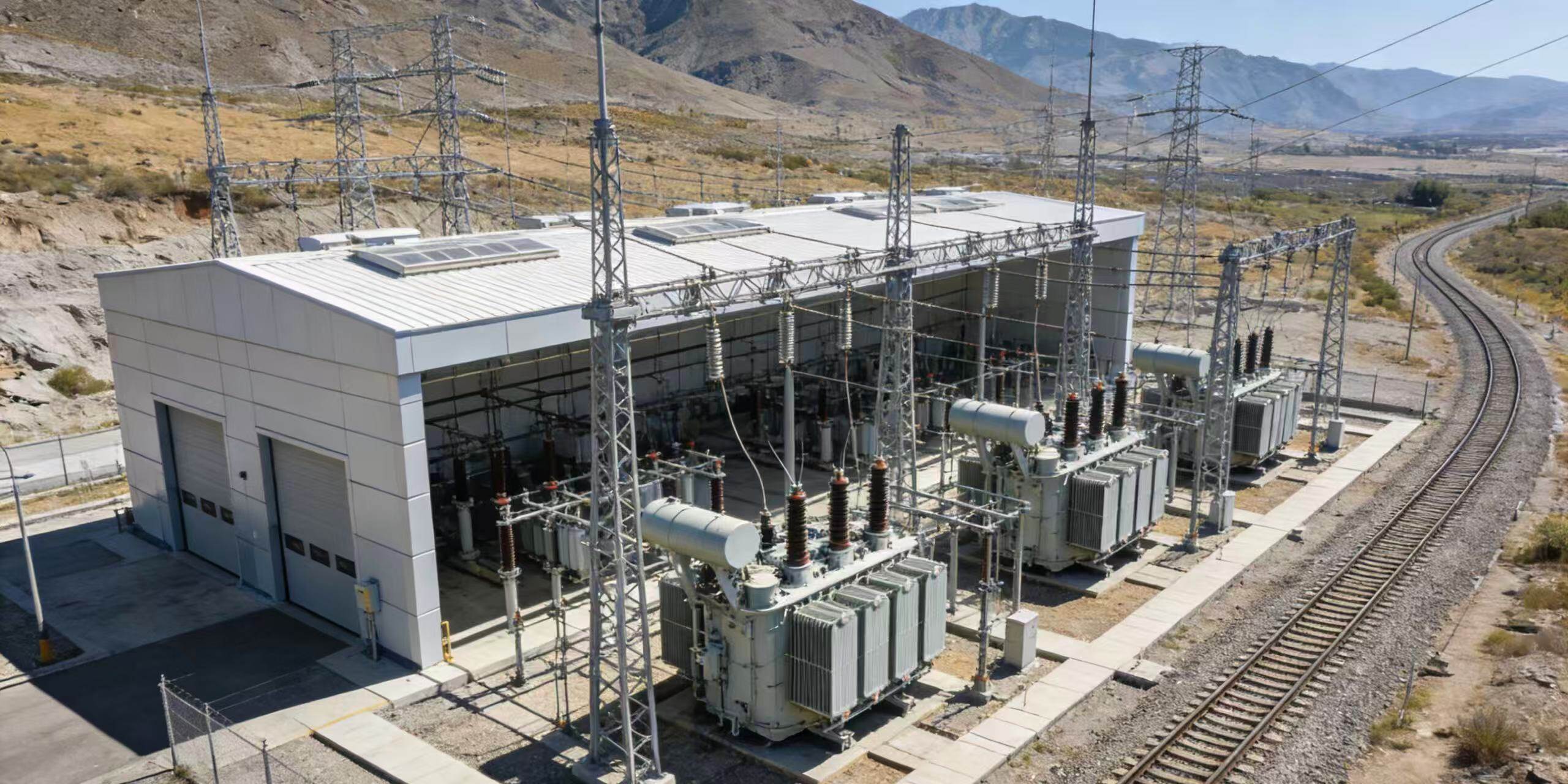
Specifically, the electrical system configurations of the two major lines have their respective focuses: the Alameda-Melipia railway will be equipped with two national grid access points, with a total access capacity of 25 MVA, and will be accompanied by the construction of six traction substations and one load distribution center, forming a 220-kilometer-long 23,000-volt central Asian ring network, enabling centralized dispatch and dynamic optimization of power flow direction; the Santiago-Batuco railway, on the other hand, plans to establish two power access points from the Kilikula direction, with a total capacity of 15 MVA, and will simultaneously construct two traction substations and a 98-kilometer ring network of the same voltage level. It is noteworthy that the system is fully integrated into a power redundancy design, ensuring operational continuity even in the event of a single node failure, through rapid switching of electric energy via backup paths. Additionally, it is equipped with an energy SCADA centralized monitoring system, enabling real-time monitoring of operating status, fault warning, and remote dispatch.
This bidding attracted several international rail transit giants to participate, and ultimately four enterprises were shortlisted for the economic bid. With China Railway International securing the core electrical system contract, the overall construction progress of the two intercity railways has been further accelerated. Currently, the signaling and communication systems for the TAM and TSB projects have been awarded to local Chilean enterprises, and 32 100% electric multiple units are being manufactured by the joint venture of CRRC Sifang and Chile's Teminco Insa; the civil engineering works for the TAM project have been fully commenced, with the Talagante-Loerrasurís section planned to be put into operation ahead of schedule by the end of 2027; the civil engineering works for the TSB project will be launched in the first quarter of 2026, and the Batuco-Quilicura section is expected to be officially operational in 2028.
Industry analysts point out that China Railway International's winning of the bid not only demonstrates the core competitiveness of China's rail transit electrical technology in the international market, but also consolidates the market position of Chinese enterprises in the field of rail transit in Latin America. The implementation of these two major projects will significantly enhance the transportation efficiency and environmental protection level of Chile's intercity transportation, providing local people with more convenient green travel options. At the same time, it will inject new momentum into Sino-Chilean rail transit cooperation and accumulate more practical experience for China's high-end equipment and technical standards to "go global".Editor/Bian Wenjun
Comment


 Praise
 Collect
 Comment

 Share
Share


Write something~