 Search


- Türkiye recently obtained AIIB railway financing and plans to restart 350 km border railway line
- Türkiye is about to restart its border railway lines to strengthen its strategic position as a Eurasian logistics hub
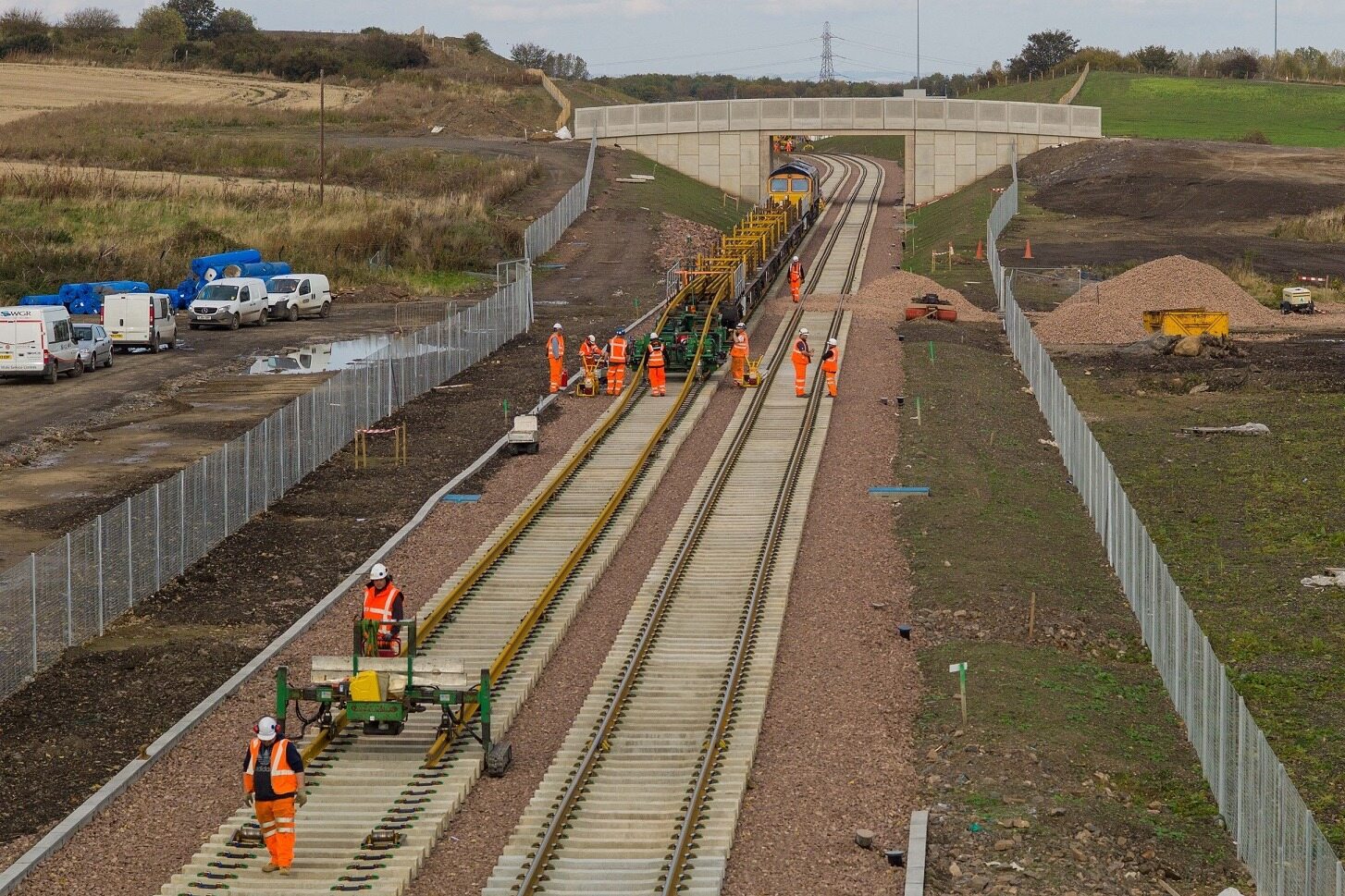
A test train passed the Karkamish Bridge under construction. The reinforcement of this 800 meter long bridge is a key link for Türkiye to restart its border railway, and also marks the country's transformation from a regional player to a global logistics hub.
The development path project connecting Asia and Europe is gradually taking shape through the expansion of the railway network. Abdulkadir Ulaloglu, Minister of Transport and Infrastructure of Türkiye, announced that Türkiye will be positioned as "the crossroads of global commerce" and "the undisputed logistics superpower in Eurasia".
Türkiye has recently obtained 408 million US dollars from AIIB for the maintenance and modernization of the national railway network.
capital injection
Türkiye is actively introducing external funds for its ambitious railway plan. Türkiye's Finance Minister Mohamed Simshek revealed on social media that Türkiye successfully obtained up to 15 billion dollars of external financing for railway projects last year, of which 408 million dollars was provided by the Asian Investment Bank this time. This funding will be directly used for physical construction, including building new lines, upgrading existing networks, and procuring high-capacity modern maintenance equipment.
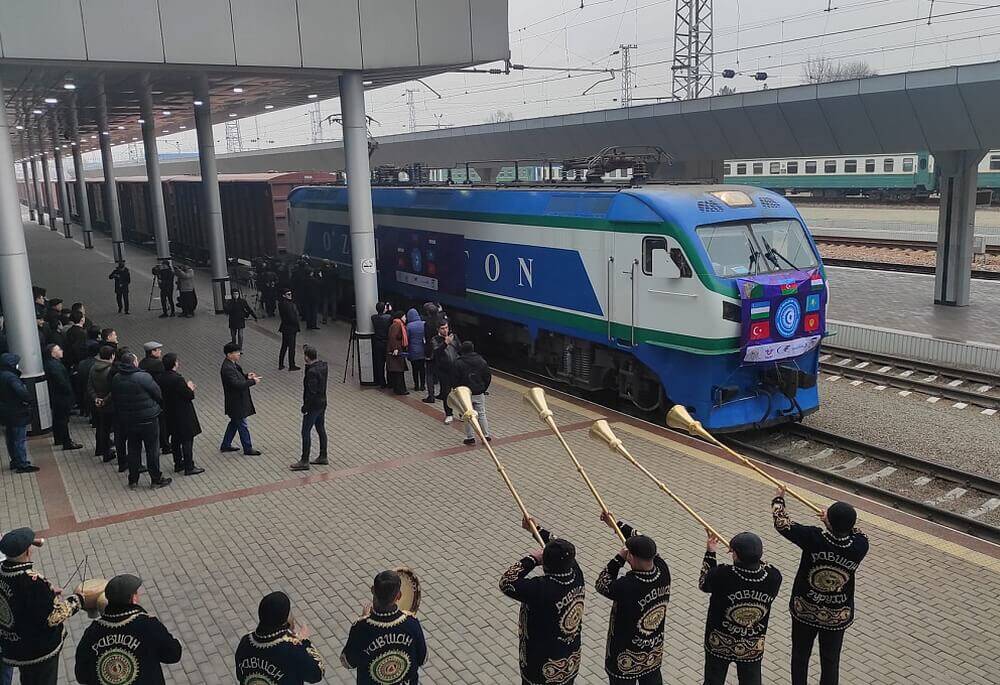
Railway investment is the core of Türkiye's national strategy. According to government plans, state-owned enterprises will focus their investment on the energy sector by 2026, with a total amount of 22.7 billion US dollars. As the lifeline of transportation, railways are also highly valued. Türkiye National Railway Corporation will invest more than 110 billion lire, or billions of dollars, in railway infrastructure construction, and its subsidiaries will also invest in strengthening logistics transportation.
Strategic restart
A 350 kilometer railway line parallel to the Syrian border is planned to be reopened this quarter. This route was sealed off for many years due to the Syrian conflict and is now undergoing large-scale repairs.
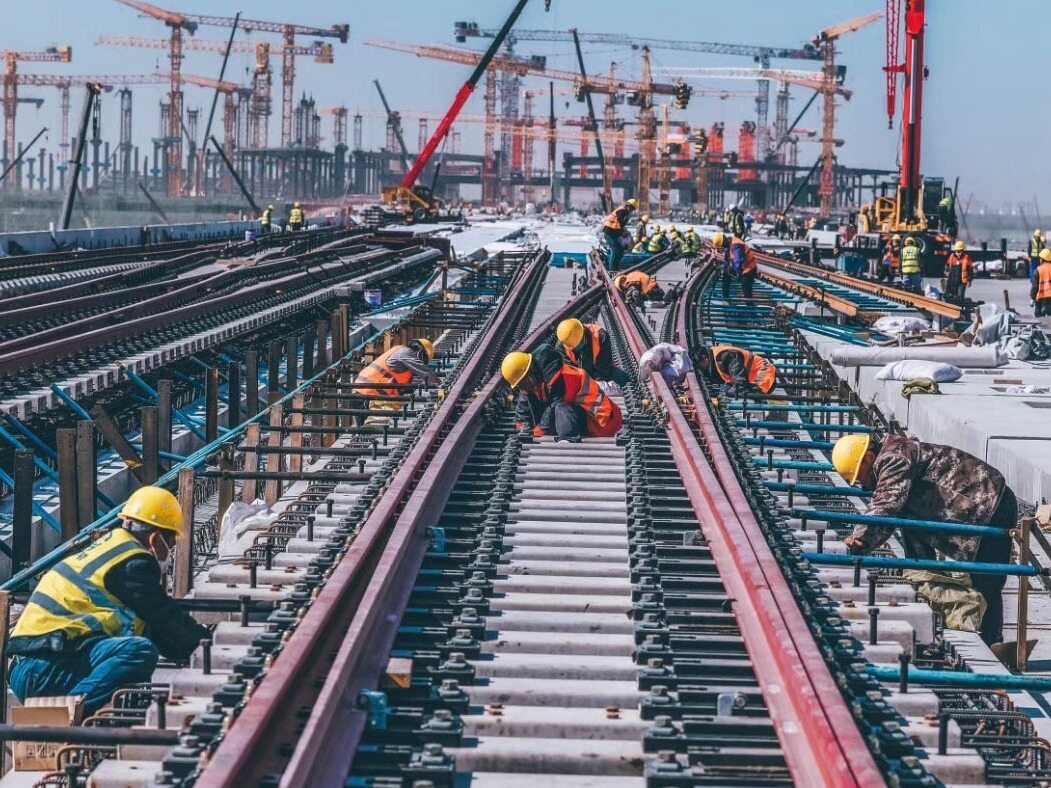
The project includes replacing sleepers and ballast, reinforcing bridges and culverts, including the 800 meter long Karkamish Bridge, and modernizing the station. The restart of the railway line is part of Türkiye's efforts to strengthen connectivity and strategic depth in the southeast region. Transport Minister Ural Loglu stated that the government plans to build a 501 kilometer long railway connecting Nusaibin on the Syrian border with provinces such as Shangle Urfa and Gaziantep. After the restart of this route, it will improve regional logistics efficiency and create conditions for subsequent international railway connections.
Grand blueprint
Türkiye's railway ambitions go far beyond the repair of a single line. The government plans to expand the total length of the national railway network to 14437 kilometers by 2026, including 2769 kilometers of high-speed railway lines.
This expansion plan is systematic. According to the plan, the total length of railways will reach 15934 kilometers by 2027 and further increase to 17728 kilometers by 2028. At the same time, the high-speed rail network will also expand rapidly, expected to reach 5343 kilometers by 2028.
In order to realize the vision of "seamless railway network", Türkiye is promoting several large-scale projects. This includes the construction of high standard railway lines such as Ankara to Izmir and Mersin to Gaziantep. The Istanbul Northern Railway Corridor project has also initiated the environmental impact assessment process. This 127 kilometer long double track electrified ring road is planned to be completed by the end of 2030 and will connect Sabiha Gokchin Airport and Istanbul Airport.
technology upgrade
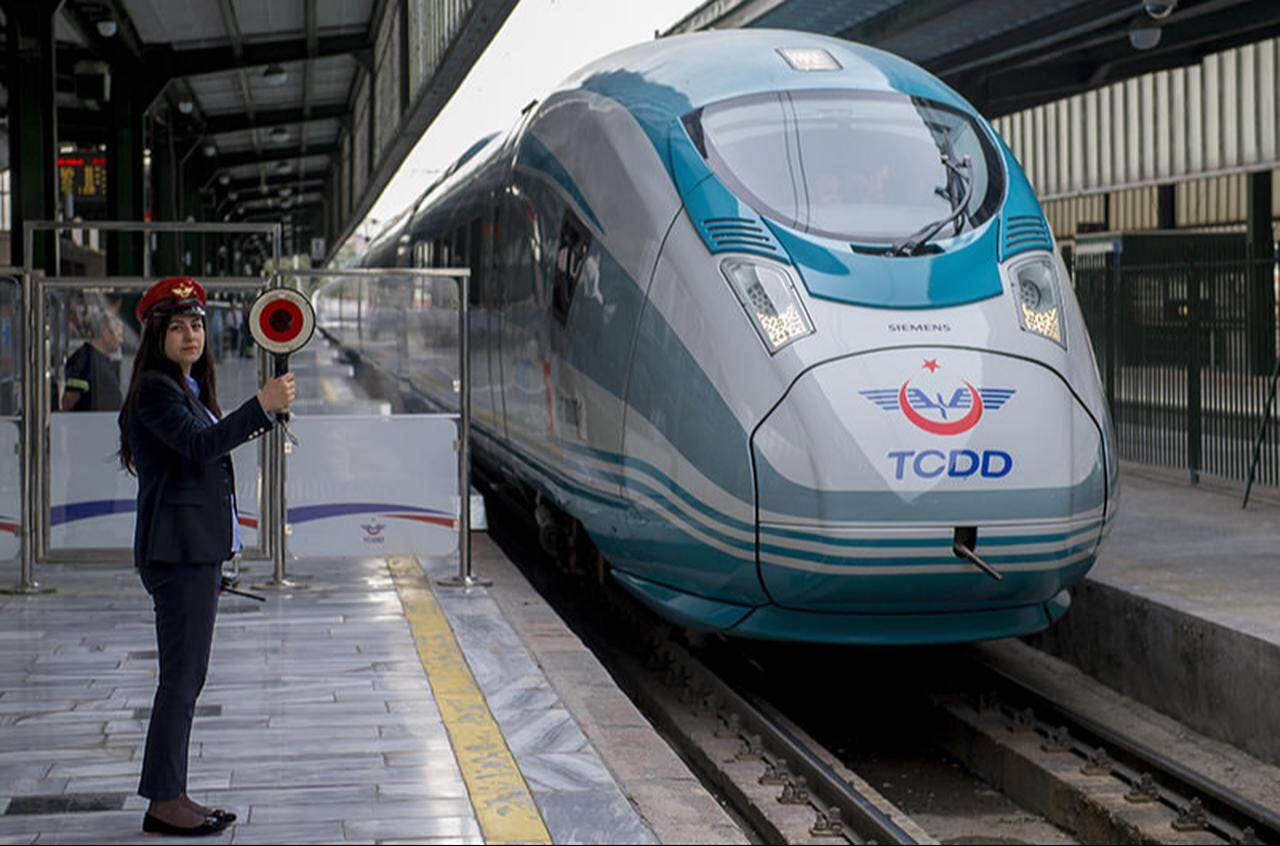
While expanding the road network, Türkiye is committed to the technological modernization of the railway system. Transport Minister Uraloglu emphasized that the government is focusing on intelligent transportation systems and digital transformation. Türkiye National Railway Company is introducing innovative infrastructure continuous monitoring system with partners such as Siemens Transportation. This system achieves real-time monitoring and predictive maintenance of track infrastructure through sensors installed on high-speed trains. The goal is to significantly improve the safety and efficiency of railway transportation. Türkiye plans to gradually increase the proportion of signal controlled railways from 65% in 2026 to 76% in 2028.
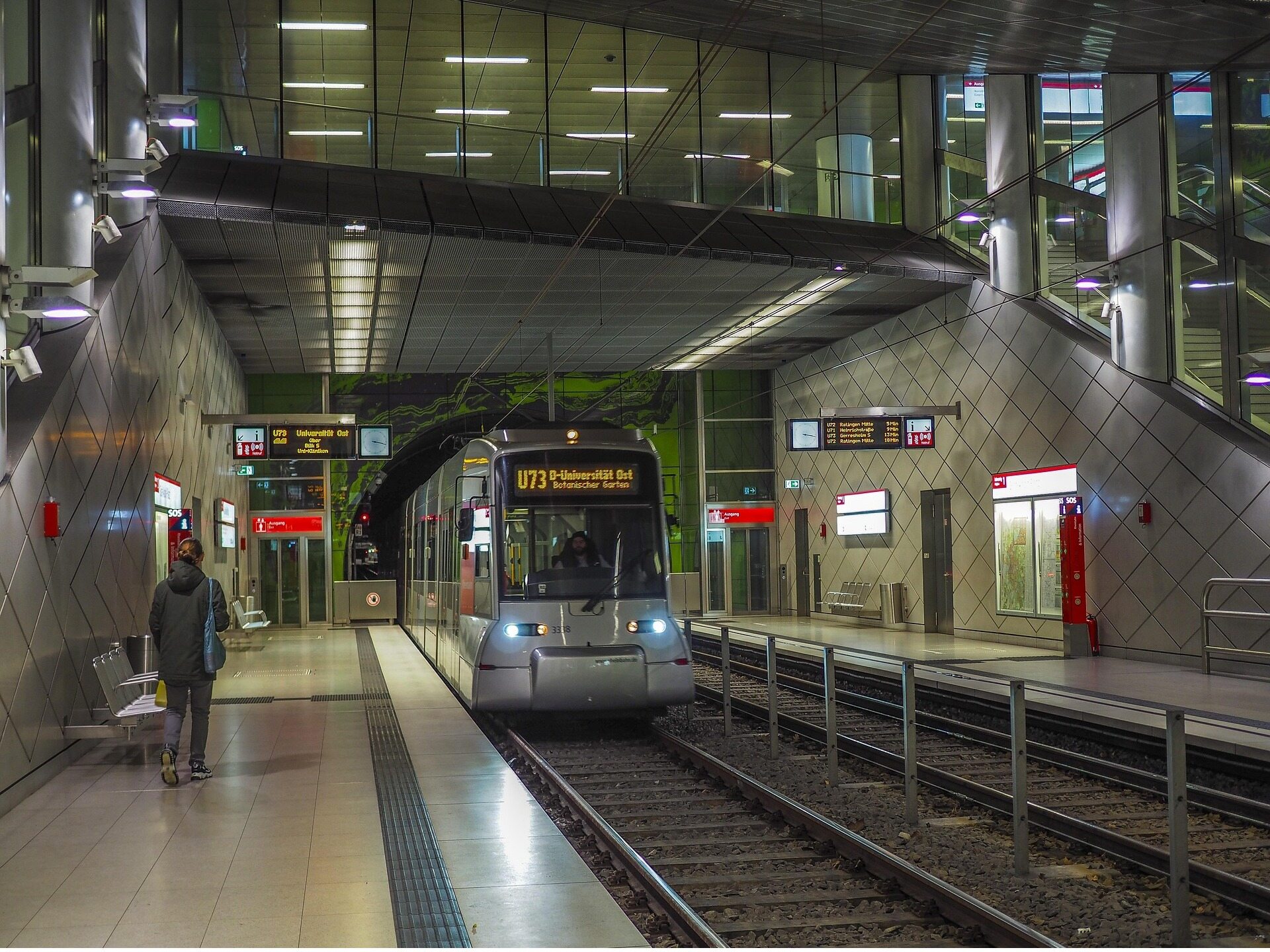
Passenger transportation services are also continuously upgrading. By 2028, the share of railways in passenger transportation is expected to increase from 5.93% in 2026 to 7.6%. The urban railway system is developing synchronously, and the number of stations will increase to 278 by 2027, with a total system length of 522.1 kilometers.
When asked about the future of Türkiye's railway, Ulaloglu, the Minister of Transport, described a clear picture: "By weaving a seamless railway network from east to west and from north to south, we are transforming Türkiye into an undisputed logistics superpower in Eurasia." This ambition is not only reflected in the newly obtained financing of $400 million, but also embodied in every railway track being laid and bridge being strengthened. Keywords: international news, transportation, Türkiye cross-border railway
Türkiye is laying its own geopolitical and economic future on the railway track from the railway line restarted at the Syrian border to the grand round city railway in Istanbul, and from the expansion of high-speed railway to the application of intelligent monitoring system.Editor/Cheng Liting
Comment

 Praise
 Collect
 Comment

 Share
Share


Write something~